REVIEW · HOI AN
Hoi An: Ancient Town Guided Walking Tour
Book on GetYourGuide →Operated by Freetour Vietnam · Bookable on GetYourGuide
This walk turns Hoi An from postcards into real street life. The big win is how the guide mixes landmark facts with local stories, then keeps you moving with shaded indoor breaks when the heat shows up.
I especially like the way you get a fast, organized overview of the Old Town’s signature sites, plus a PDF you can use immediately for meals, drinks, and what to do next. One thing to keep in mind: you’re on your feet for a few solid blocks in a compact area, and if you prefer slow, linger-for-photos pacing, you may feel the time pressure.
In This Review
- Key highlights at a glance
- Entering Hoi An with the right mindset (and a good guide)
- The best way to start: Red Seal Ship Model on Nguyen Thi Minh Khai
- Japanese Culture Gallery: seeing influence before you label it
- Japanese Covered Bridge Pagoda: the photo you take, plus the meaning
- Kazik Park: a break that feels like part of the plan
- Quan Thang Ancient House: where daily life shows up
- Fujian Assembly Hall: a cultural meeting point in stone and story
- Dumplings stop: small food moment, big confidence boost
- Hoi An Market ending: what to do next without guessing
- The PDF guide with discounts: the part you’ll keep using
- Which guides you might meet, and what they tend to do well
- Timing and pacing: why 3 hours can still feel like a lot
- Price, UNESCO ticket, and whether this is a fair deal
- Who should book this tour (and who might skip it)
- Quick practical tips before you go
- Should you book the Hoi An Ancient Town guided walk?
Key highlights at a glance
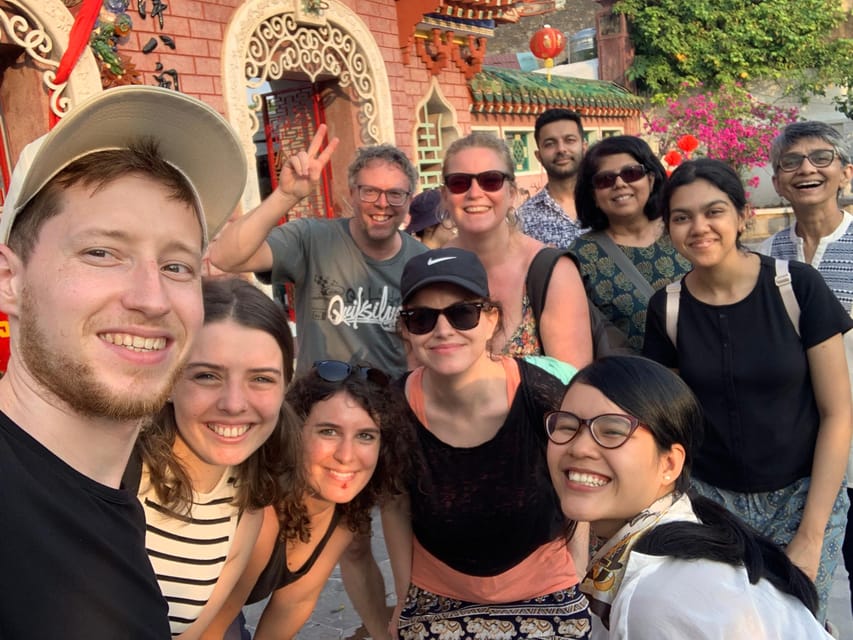
- Heart–Head–Hand style: stories + context + practical local guidance
- English guides with humor (you may meet Karla, Kun, June, Minh, Tom, or Vinh)
- Landmarks plus side streets you probably won’t pick on your own
- Indoor pauses built into the route for comfort in hot weather
- PDF recommendations + discounts for food, spas/massage, craft beer, tailor visits, and more
- UNESCO ticket handled smartly: ticket not included, but you can skip the ticket line
Entering Hoi An with the right mindset (and a good guide)
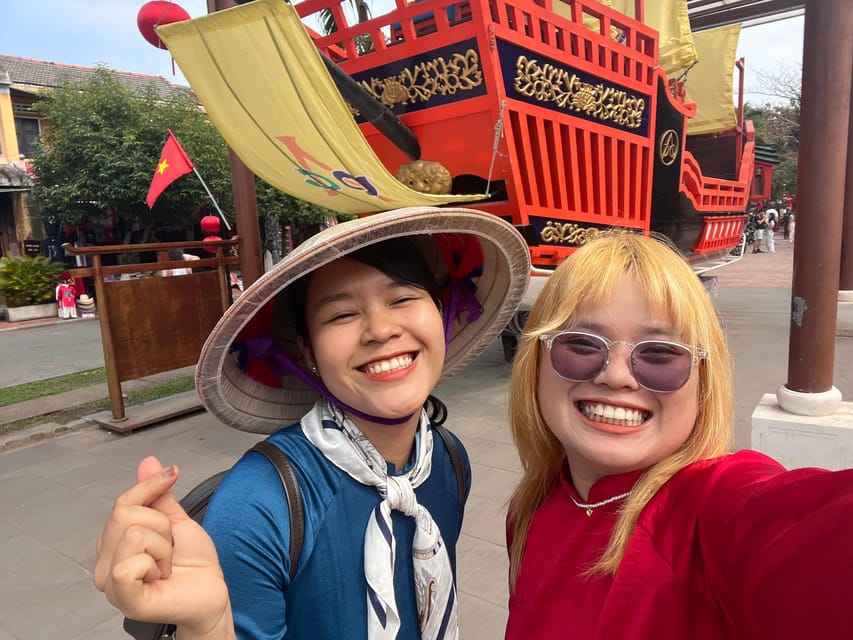
Hoi An is one of those places where you can wander for hours and still miss what matters. This tour is designed to prevent that. In about three hours, you get a structured route through the Old Town, but it’s not just a checklist of buildings. The guide uses personal perspective and local explanations so you understand why these places exist and how people use them today.
That matters because Hoi An isn’t stuck in the past. The town grew as a trading hub, yes. But what you see now reflects centuries of movement: merchants, languages, faiths, and family businesses layered over one another. When the guide connects the dots for you, the streets start making sense.
You can also read our reviews of more tours and experiences in Hoi An.



The best way to start: Red Seal Ship Model on Nguyen Thi Minh Khai
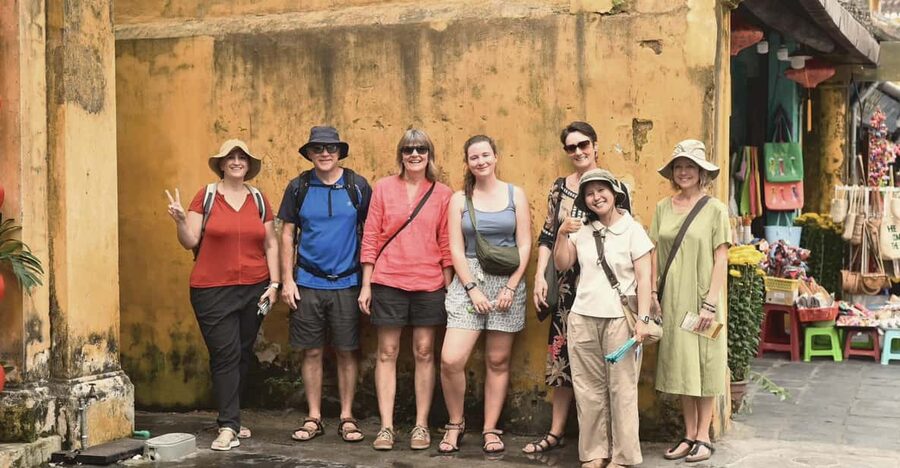
You kick off at a clear meeting point on Nguyen Thi Minh Khai Street, at the Red Seal Ship Model. It’s easy to find, and it puts you close to the action fast, instead of wasting your first hour with directions.
Look for the guide associated with the Momo team, identified by a blue paper fan. That detail sounds small, but it’s a huge help when you arrive hot and a little confused, which is exactly how most first-day arrivals feel.
Japanese Culture Gallery: seeing influence before you label it

One of the tour’s smartest choices is starting with the Japanese angle right away. You’ll stop at the Nhà trưng bày Văn hóa Nhật Bản, the Japanese Culture Gallery. Even if you only have a short window, this is the kind of stop that gives you a mental framework.
Why it’s useful: Hoi An’s Old Town is full of cross-cultural traces. If you go in blind, you might see buildings and bridges as separate sights. With an early “what this is and why it’s here” moment, later stops land harder.
Drawback to note: it’s a quick guided visit (you’re not sitting through a full museum session). If you want deep museum time, consider doing a longer return visit after the tour.
Japanese Covered Bridge Pagoda: the photo you take, plus the meaning
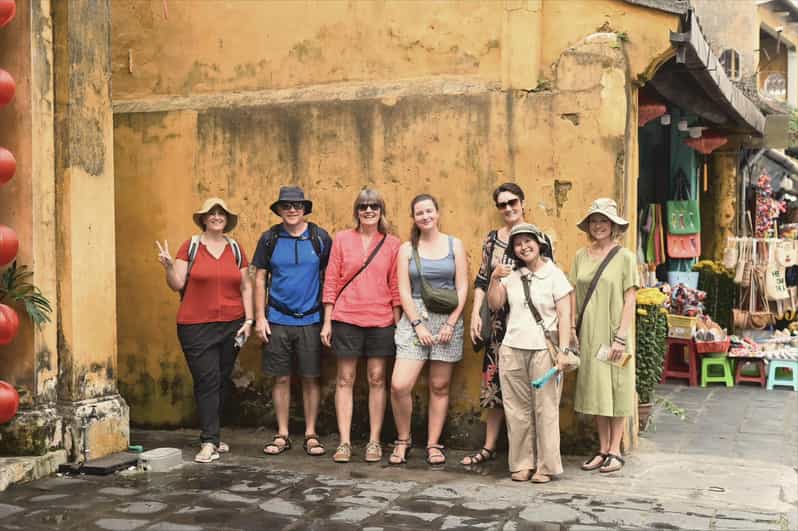
Next comes the Japanese Covered Bridge Pagoda. This is the stop most people recognize, but what you want from this tour is more than the classic picture.
The guided explanation helps you understand how this structure fits into Hoi An’s trading-era connections and community life. And because the tour keeps moving with short, timed segments, you’ll see the bridge, then be ready to move on before the area gets too crowded.
If you’re a first-timer, this is one of the stops that teaches you how to “read” the town: look at the architecture, then ask what network of people created it and why.
Kazik Park: a break that feels like part of the plan
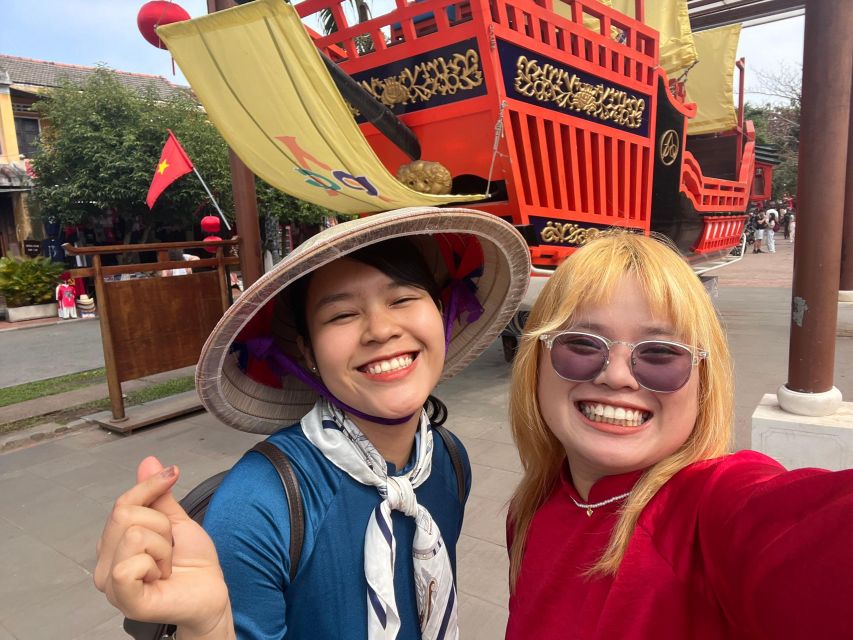
You also spend time at Công viên Kazik. This isn’t just a pause to catch your breath. It’s a chance to reset your eyes and energy between dense Old Town blocks.
In hot weather, that kind of breathing room matters. The tour is built with indoor breaks often, but having outdoor moments like this in the mix keeps the pacing from feeling like constant indoor time.






Quan Thang Ancient House: where daily life shows up
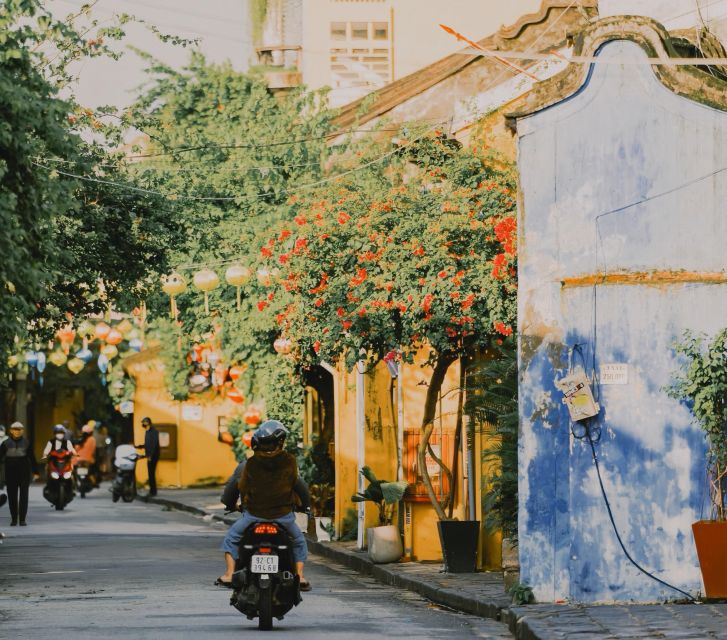
One of the most valuable skills a guide can give you is how to notice what others walk past. The stop at Quan Thang Ancient House is the kind of place where details do the work.
You’ll get a guided look that connects architecture to household life, trade connections, and the evolution of the Old Town. The quick timing forces you to focus on the essentials: what to look for, what it signaled, and how locals interpret these spaces.
If you love street photography, you’ll also appreciate how the tour breaks the journey into digestible chunks. You’re not stuck rushing between far-apart sites with no context.
Fujian Assembly Hall: a cultural meeting point in stone and story
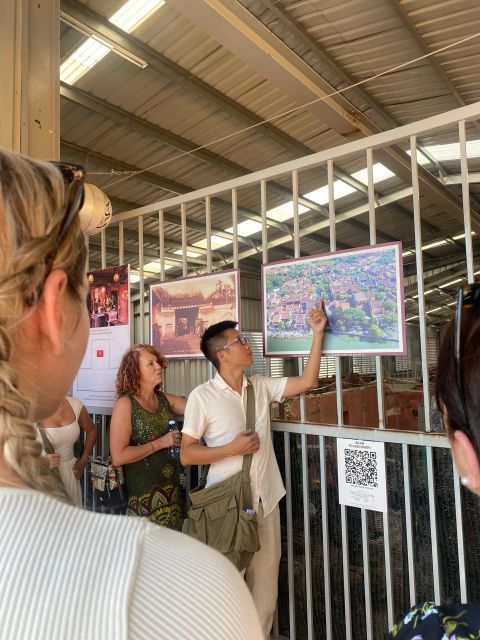
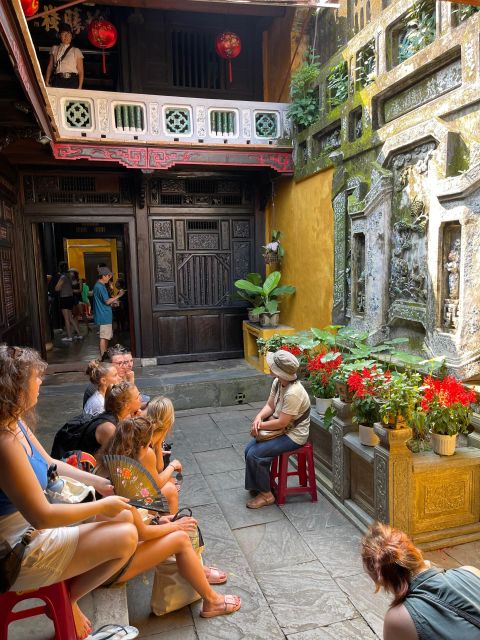
Fujian Assembly Hall comes next. This stop is where the tour really shows its value: you’re no longer only learning about one culture influence. You’re seeing how multiple communities shaped Hoi An’s civic and social spaces.
Assembly halls like this usually matter because they supported groups, gatherings, and a sense of identity. When your guide explains what the hall represented, the building stops being just impressive. It becomes a clue about how Hoi An functioned as a port city with organized social life.
Practical benefit for you: once you understand the role of places like this, you’ll start spotting similar patterns on your own—assembly spaces, worship areas, and merchant-linked corridors.
Dumplings stop: small food moment, big confidence boost
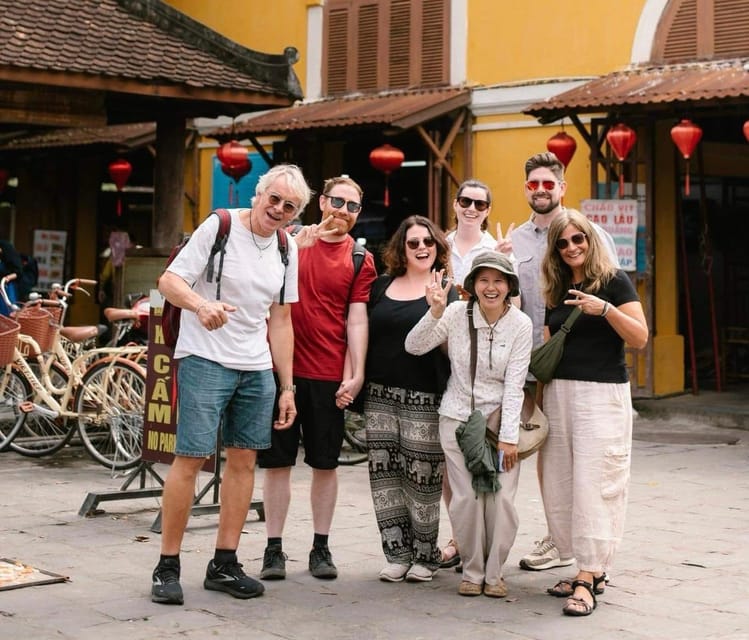
Yes, there’s a dumplings stop during the walk. That matters more than it sounds. Food breaks on a tour do two things: they keep your energy up and they anchor the day in something local you can return to later.
Even if you don’t remember the exact menu, you’ll leave with a better sense of what this city tastes like and what to seek when the tour is over. It also makes the Old Town feel less like a museum of buildings and more like a working neighborhood.
Hoi An Market ending: what to do next without guessing
You finish around Hoi An Market, which is a great way to close a walking tour. By the time you reach the market area, you’re ready to convert knowledge into action.
Use that finish wisely. If you’ve been taking notes (I recommend it), this is when your notes turn into choices: what dish sounds best, which street you want to revisit, and what souvenirs you actually care about. Markets in Hoi An can be a little overwhelming if you walk in cold, so having the tour’s orientation first gives you a calmer second step.
And for many people, the market stop becomes the bridge into evening plans—drinks, dinner, or a slow wander back through the lanes while you recognize what you’re seeing.
The PDF guide with discounts: the part you’ll keep using
One of the best value pieces here is the PDF of local recommendations with discount offers. You’ll get guidance for food, drink, and activities, plus offers tied to places like spas/massage, craft beer, and tailors.
Why that’s useful: Hoi An has enough options that the hardest part isn’t finding things to do. It’s sorting fast. A solid list saves you time, and discounts can soften the cost of a massage or tailoring visit if those are on your wishlist.
Also, guides in this program often go beyond the PDF. In the feedback, I saw that some guides share extra links with local tips after the tour. You might not get the exact same extras every time, but it reinforces the point: you’re not just buying a walk. You’re buying a shortcut to local decision-making.
Which guides you might meet, and what they tend to do well
English-speaking guides lead this tour, and the pattern in feedback is clear: guides keep groups engaged, remember names, and answer questions in a way that feels personal rather than scripted.
You might encounter guides such as Karla, Kun, June, Tom, Vy, Minh, Vinh, or Anh. Different personalities, same goal: make you feel comfortable asking why something is here and what it meant then and means now.
If you get one of the humor-forward guides, the tour can feel like a friendly walking chat with accurate history layered underneath. That’s exactly the mix that helps you retain what you learned.
Timing and pacing: why 3 hours can still feel like a lot
The tour runs about 3 hours, with starting times depending on availability. Expect short guided segments at each stop, then movement on foot between sights.
This pacing is a double-edged sword:
- Good news: you cover major Old Town highlights and still have time for side streets and context.
- Reality check: it’s not a slow, pick-one-building-and-stay-there experience.
If you’re traveling with mixed interests or different ages in your group, this structure is often easier to manage than a very long, very detailed tour.
Price, UNESCO ticket, and whether this is a fair deal
The price shown is very low at $2.01 per person, which makes this an attractive trial option. In practice, your real cost depends on what you add on top.
The key extra is the UNESCO entrance ticket: 120,000 VND per ticket, not included. You can also skip the ticket line, which is worth something in a place where queues can steal your time.
Value-wise, I think the economics work because you’re getting:
- an English-speaking guide
- a structured Old Town introduction
- a PDF with recommendations
- discount offers for several categories (food/drink, spa or massage, craft beer, tailor)
If you’ll use the PDF and follow a couple of suggestions immediately, that added value often offsets the UNESCO ticket. And if you’re on day one, the tour’s job is to help you plan the rest of your stay with fewer wrong turns.
Who should book this tour (and who might skip it)
This is a great fit if you:
- want an efficient first day in Hoi An
- like learning stories behind landmarks, not just seeing them
- appreciate air-conditioned pauses and heat-smart pacing
- want a guide-driven plan you can reuse later via the PDF
You might choose something else if you:
- hate walking in warm weather and want a slower, longer sit-down experience
- want deep museum time at each stop
- prefer a self-guided approach with lots of independent wandering
Quick practical tips before you go
- Wear breathable shoes. You’ll be on foot through a dense area.
- Bring water and something light to cover up from sun and light rain.
- Take a few notes during the tour. The PDF is great, but your memory helps you pick what to revisit.
- If you plan to do tailoring or a massage, check the PDF discounts after the tour so you can shop with intention.
Should you book the Hoi An Ancient Town guided walk?
If it’s your first time in Hoi An, I’d book it. This tour gives you a fast orientation, a cultural story line that ties the sites together, and practical recommendations you can use right away. The indoor breaks help you stay comfortable, and the route is built for people who want highlights plus the calmer side streets where you can actually take in the town.
One caution: arrive ready to walk and accept that 3 hours means quick stops, not lingering for hours in each building. If you’re okay with that trade-off, you’ll come away with a clearer sense of what you’re seeing and what to do next.