REVIEW · HOI AN
Luxury Half-Day Tour of Hoi An Ancient Town
Book on GetYourGuide →Operated by Vietnam Travel Group VNTG · Bookable on GetYourGuide
Hoi An reads like a living postcard. This half-day makes it easy to grasp the town’s layered past, with stops at Temple Kwan and Tan Ky Ancient House along narrow lanes shaped by many cultures.
I also like that you get a real flow to the visit: a walking tour through the old town, entrance tickets handled, and time at the end to shop around on your own. One consideration: it’s still a 4-hour tour built around walking the historic center, and large bags aren’t allowed.
In This Review
- Key Things I’d Watch For on This Half-Day Tour
- Luxury Half-Day Tour of Hoi An: What Makes It Feel Worth $55
- Meeting at 08:00 and Getting Oriented in the Old Town
- Temple Kwan and Phuc Kien: The Community Side of Hoi An
- Tan Ky Ancient House: Spot the Clues in Old Hoi An Architecture
- Japanese Covered Bridge and Japanese Bridge: Photo Stops With Context
- The Fish Market Stop and Other Everyday Hoi An Texture
- Old-Town Shopping Time: Browse With a Plan
- Included Extras That Actually Matter on a Half-Day
- Price and Value: Getting More Than a Walk
- Who This Tour Fits Best (And Who Should Think Twice)
- The Guides Make a Difference: Huy, Tea, and Minh’s Impact
- FAQ
- What time does the tour start and end?
- Where do I meet the guide?
- How long is the tour?
- Is an English-speaking guide included?
- Are entrance tickets included?
- Do I need to bring anything?
- Can I bring luggage or large bags?
- Is the tour suitable for wheelchairs or mobility limitations?
- Is shopping included?
- Is lunch or drinks included?
- Should You Book This Half-Day Hoi An Tour?
Key Things I’d Watch For on This Half-Day Tour
- Temple Kwan + Phuc Kien: faith and community spaces you can actually read in the details
- Tan Ky Ancient House: a strong anchor point for understanding old Hoi An life
- Japanese Covered Bridge: the 400-year landmark you’ll pass in context, not as a quick photo stop
- Japanese Bridge + cultural show rooms: short, guided stops that help connect the dots
- Old-town shopping time: built-in freedom to browse after you get your bearings
Luxury Half-Day Tour of Hoi An: What Makes It Feel Worth $55
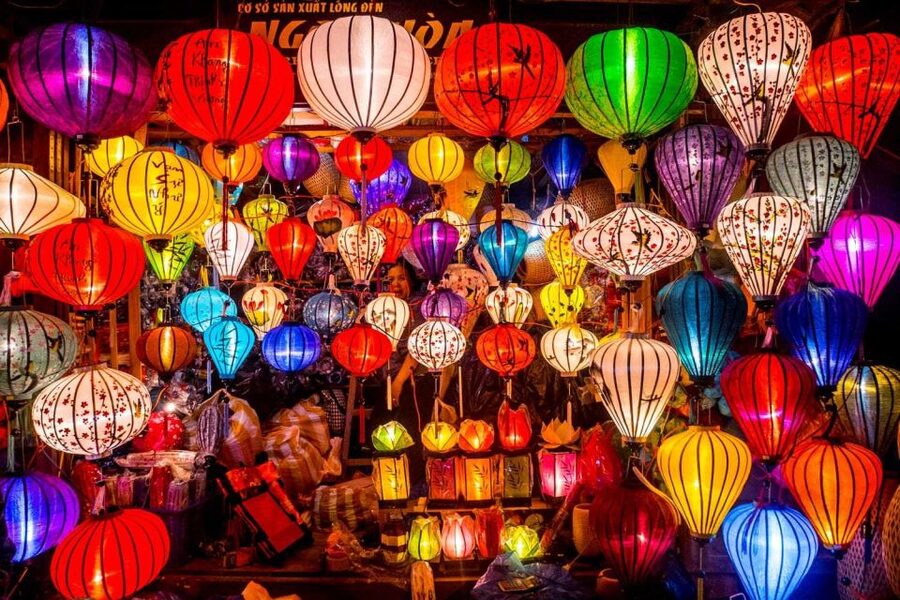
This tour is called luxury, but the value comes from practical comfort, not fanciness. For $55 per person, you’re not just buying a guide—you’re paying for smooth logistics: hotel pickup and drop-off, an English-speaking guide, entrance fees, and travel insurance included. In places like Hoi An, those “extras” add up fast, so this format can feel more like a package than a simple walking group.
Also, it’s short. Four hours is long enough to see the major sights that shape how people understand Hoi An, but short enough that you don’t spend your whole day in the same area. If you’re coming from sightseeing elsewhere or you just want a solid first day, this time window is a smart move.
You can also read our reviews of more tours and experiences in Hoi An.



Meeting at 08:00 and Getting Oriented in the Old Town

Your day starts at 08:00, with your guide meeting you at the hotel lobby. From there, you walk into the old town and buy your entrance tickets as part of the tour flow. That sounds small, but it matters. Hoi An’s historic center is made of tight, narrow lanes, and having someone steer you through early helps you avoid wandering in circles.
One more practical detail: you’ll be asked to be ready about 15 minutes before pickup. That’s typical, but it’s worth taking seriously so the tour can keep its rhythm.
Even before specific landmarks, this area gives you something to work with: centuries-old houses and lane layouts that reflect Chinese, Japanese, French, and European influence. When you have a guide, you’re not just walking past pretty buildings—you’re learning what to look for.
Temple Kwan and Phuc Kien: The Community Side of Hoi An
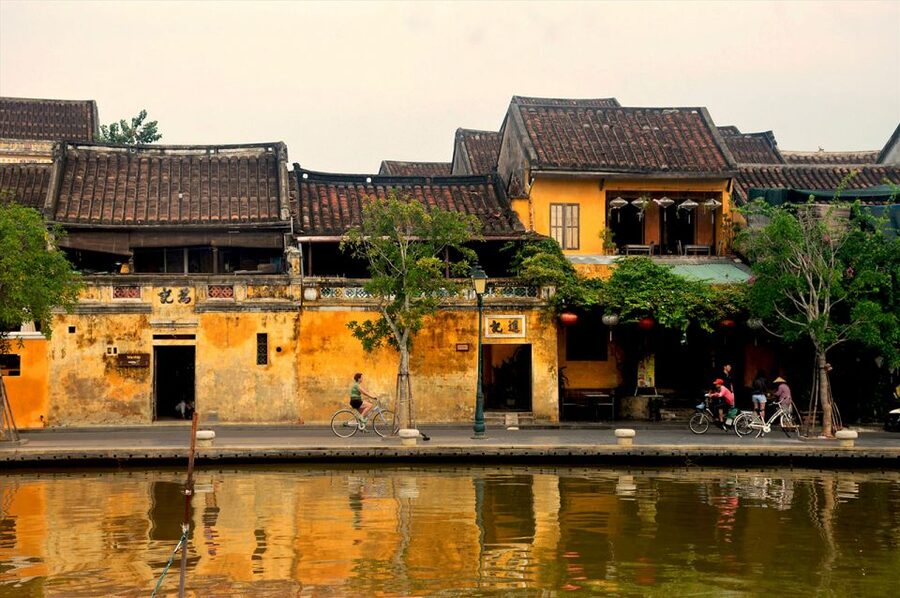
Two of the most meaningful stops are the temples you’ll visit: Temple Kwan and Phuc Kien Temple / Phuc Kien Assembly Halls. These aren’t just “pretty stops.” They’re part of how Hoi An’s community life has been organized for generations.
Here’s what to expect, and why it’s valuable:
- You’ll see the kind of religious and cultural space where people gather, not just tourist space.
- The guide helps connect architecture and function—why certain halls matter, and how these places fit into the old-town social world.
- You get context for the cultural blend you’ll notice everywhere else in Hoi An.
If you like travel that explains what you’re seeing, these temple stops tend to deliver more than they look like they will from the outside.
Tan Ky Ancient House: Spot the Clues in Old Hoi An Architecture
Then you’ll head to Tan Ky Ancient House. A house like this is where Hoi An stops feeling like a set of landmarks and starts feeling like a real place people lived.
In a short tour, a stop like Tan Ky is powerful because it gives you:
- A sense of scale: this isn’t a museum removed from daily life. It’s tied to how the old town functioned.
- Architectural cues you can spot as you walk other lanes afterward. Even if you don’t know the names of every style, you’ll start recognizing influences the guide points out.
The bonus: once you’ve seen one well-preserved example, you start noticing patterns everywhere—doorways, courtyard layouts, and the way buildings interact with the street.
One practical note: wear comfortable shoes. These lanes are narrow and uneven in places, and you’ll be walking continuously for a half-day.
Japanese Covered Bridge and Japanese Bridge: Photo Stops With Context
Hoi An’s Japanese Covered Bridge is one of those landmarks that can feel over-photographed—until you see it as part of the town’s story. Here, you’re not just stopping at a viewpoint. You’re walking through the route with a guide, which changes the experience.
The Japanese Covered Bridge is described as being about 400 years old, which gives you immediate historical weight. And then there’s the additional mention of the Japanese Bridge plus cultural show rooms. That pairing matters because it helps you connect the bridge area with the broader cultural interpretation around it.
What I like about this kind of stop (done right):
- You get a sense of why the Japanese influence is visible here.
- You see the bridge, then you’re guided through nearby cultural spaces that reinforce the same theme.
- You’re less likely to miss details because the guide keeps your eyes on the right things.
Do expect a little crowd pressure around famous photo angles. Still, if you follow the guide’s timing and don’t linger at every single corner, you’ll keep the pace.






The Fish Market Stop and Other Everyday Hoi An Texture
One of the most grounding parts of this tour is the inclusion of the local fish market (plus “more”). A market stop gives you a different kind of understanding than temples and houses alone.
Even if your time there is brief, this is where the old town turns from architecture into daily life:
- You see how food and trading still shape routines.
- You get a sense of the town’s coastal plain rhythm and the role of the river region in everyday commerce.
- Your guide can help translate what you’re seeing into something meaningful, especially if you don’t know the local terms.
This is also a nice mental reset. After walking through quieter historic structures, a market stop feels like a lived-in counterpoint.
Old-Town Shopping Time: Browse With a Plan
After the walking tour, you’ll have time to shop around the old town, and your guide will return you to the hotel at 11:00. This is one of the smartest parts of the schedule because you’re not thrown into shopping before you understand the place.
In feedback tied to this experience, English guides like Tea were praised for being informative and helping with shopping. Huy and Minh also came up for being supportive, respectful about culture, and answering questions—so you can treat the guide as a quick “shopping sanity check,” not just a pointer.
Here’s how to shop without wasting your half-day:
- After your main sights, decide what you actually want: souvenirs, textiles, or small gifts.
- Keep cash habits simple (and be ready for the fact that prices can vary by stall).
- Don’t let shopping turn into “stall hopping” until you forget you only have a few hours total.
Also, remember the rule: no luggage or large bags. If you plan to buy bigger items, you may need to carry them carefully—or think twice until you return to your hotel.
Included Extras That Actually Matter on a Half-Day

This tour is packed with inclusions that help you avoid decision fatigue.
What’s included:
- Hotel pick-up and drop-off
- Bicycle and helmet
- All entrance fees
- English-speaking guide
- Tax and services charge
- Travel insurance
The bike and helmet inclusion is worth noting because it gives you flexibility. Since the tour is described as a walking tour, you won’t assume you’ll ride for long stretches—but the presence of a bicycle and helmet means you’re not stuck if the route uses short rides.
Entrance fees matter in Hoi An. Paying them upfront and not having to figure out ticket logistics in the moment makes your early hours calmer—and in a tight half-day, calm is a form of luxury.
Price and Value: Getting More Than a Walk
Let’s do the honest math the way you should when deciding if a tour is fair.
You’re paying $55 for:
- A guide (English)
- Entrance fees
- Hotel transfers
- Travel insurance
- Bicycle and helmet
If you tried to build this day yourself, you’d spend time on planning and you’d still likely pay entrance fees once you decide what to see. What you’re buying here is reduced friction: less time deciding, less time figuring out how to route the old town, and more time focused on the key sights.
Is it the cheapest way to see Hoi An? No. But it’s often a good deal if:
- You want your first day to feel structured
- You care about understanding what you’re seeing
- You don’t want to manage tickets and logistics while navigating narrow lanes
Who This Tour Fits Best (And Who Should Think Twice)
This is a strong match if you want a guided first look at Hoi An with major highlights and a calm pace for half a day.
You’ll likely enjoy it if:
- You prefer walking tours but want guidance on where to go and what to notice
- You want temple and house stops, not only market photos
- You like having time afterward to shop without feeling rushed
There’s one caution built into the details: it’s listed as wheelchair accessible, but it’s also noted as not suitable for people with mobility impairments. If you fall into that category, don’t guess. Ask the operator how much walking is expected along uneven lanes and whether your route can be adjusted.
And because large bags aren’t allowed, this is also best if you’re traveling light or you can keep purchases minimal until you return to your hotel.
The Guides Make a Difference: Huy, Tea, and Minh’s Impact
One of the most consistently praised parts of this style of tour is the guide. In the feedback for this experience, names like Huy, Tea, and Minh show up for a reason: they’re described as proud of Hoi An and Vietnam, and they help you understand what you’re seeing instead of just reciting facts.
Here’s what that usually looks like when it works:
- You ask questions and get respectful answers.
- You get photo help or guidance on what’s worth photographing.
- You feel comfortable shopping because the guide can help you with practical decisions.
If you’re someone who learns better when you can ask follow-ups, that guide effect is a real value-add.
FAQ
What time does the tour start and end?
It starts at 08:00 and the tour returns you to your hotel at 11:00.
Where do I meet the guide?
You meet the guide at your hotel lobby.
How long is the tour?
The duration is listed as 4 hours (with starting times based on availability).
Is an English-speaking guide included?
Yes. The tour includes an English-speaking guide.
Are entrance tickets included?
Yes. All entrance fees are included, and you’ll buy the entrance tickets as part of the tour flow.
Do I need to bring anything?
Bring comfortable shoes.
Can I bring luggage or large bags?
No. Luggage or large bags are not allowed.
Is the tour suitable for wheelchairs or mobility limitations?
It’s marked as wheelchair accessible, but it’s also noted as not suitable for people with mobility impairments. You should confirm with the provider about your specific needs and the walking involved.
Is shopping included?
You get time to shop around the old town after the main walking portion.
Is lunch or drinks included?
No. Beverages and other meals not mentioned in the program are not included.
Should You Book This Half-Day Hoi An Tour?
I’d book it if you want a first-day hit of Hoi An that feels guided and efficient. The combination of Temple Kwan, Phuc Kien, Tan Ky Ancient House, and the Japanese Covered Bridge gives you the key shapes of the town’s story in a manageable time window. The $55 price feels fair because entrance fees, hotel transfers, and an English guide are bundled together.
I’d hesitate only if you’re traveling with bulky luggage, dislike walking for a few hours, or need accommodations that require serious route adjustments—because the tour is centered on historic lanes and also flags mobility suitability in the details.
If you want an easy, structured way to understand Hoi An beyond the obvious photos, this is a solid choice.