REVIEW · BUDAPEST
Budapest: Jewish Heritage Walking Tour with Historian Guide
Book on GetYourGuide →Operated by Kálmán Dániel - Walk with a Historian · Bookable on GetYourGuide
Budapest has a second, quieter story. This 2-hour Jewish Heritage Walking Tour uses real street corners and real places to explain what the Jewish community meant to Pest, with historian Kálmán Dániel guiding you.
What I really like is the way the tour combines historic synagogues with direct, on-foot storytelling that connects buildings to people. I also love the focus on Holocaust-era remembrance through stops like the Carl Lutz Memorial and the Memory Wall, including a remnant of the ghetto wall.
One thing to consider: the Kazinczy Street Synagogue is temporarily closed, so you’ll see it from the outside rather than going in.
In This Review
- Key highlights worth clocking
- Starting at Deák Square: Why this location sets the tone
- Rumbach Street Synagogue: The visit you’ll remember most
- Gozsdu Passage and the Jewish Quarter streets: learning the city’s smaller map
- Kazinczy Street Synagogue: outside-only right now, still worth the photo stop
- Holocaust remembrance stops: ghetto wall, Carl Lutz, and the Memory Wall
- Price and value: is $62 worth a 2-hour historian-led walk?
- Logistics that actually matter: pace, group size, and timing
- Who this tour suits best
- Should you book this Budapest Jewish Heritage Walking Tour?
- FAQ
- How long is the Budapest Jewish Heritage Walking Tour?
- What’s the meeting point for the tour?
- Is the tour offered in English?
- How many people are in the group?
- Which synagogue visits include entry tickets?
- Is Kazinczy Street Synagogue included if it is closed?
Key highlights worth clocking
- Historian-led, small-group format (up to 10 people) that keeps the pace human
- Rumbach Street Synagogue visit with entry so you’re not just looking from the sidewalk
- Ghetto Wall Memorial entry plus Holocaust remembrance sites like Carl Lutz and the Memory Wall
- Kazinczy Street Synagogue photo stop and outside-only view due to restoration
- Jewish Quarter street stories, including where other synagogues once stood before being demolished in the 1930s
Starting at Deák Square: Why this location sets the tone
The meeting point is right at the entrance of the Lutheran Church at Deák Square (Deák téri evangélikus templom), near the M2 metro entrance. That matters more than you might think, because you start in a part of Budapest where you can quickly feel how “the big city” meets “the historic district” as you walk.
From there, the tour shifts from broad context to specific places. You’re not doing a museum lecture. You’re doing a street walk with history attached to it—what the buildings were, what happened to them, and why certain corners and streets became important. With historian Kálmán Dániel leading, you get the sense that the guide is keeping the story grounded in what’s physically in front of you, not floating in generalities.
Also, the tour is built for a 2-hour window. That’s short enough that you can still do other sightseeing the same day, but long enough for the guide to connect multiple eras and help you understand how the Jewish community’s story fits into wider Hungarian history.
Practical tip: wear comfortable shoes. This is a walking tour with guided stops and photo breaks, and you’ll want your feet to feel good by the time you reach the memorial sites.
You can also read our reviews of more tours and experiences in Budapest.

Rumbach Street Synagogue: The visit you’ll remember most
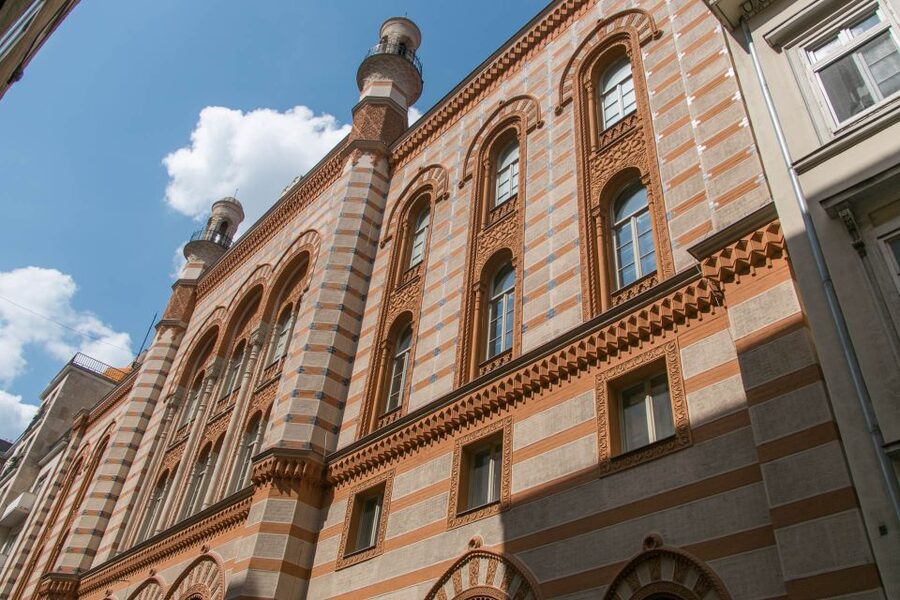
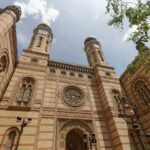
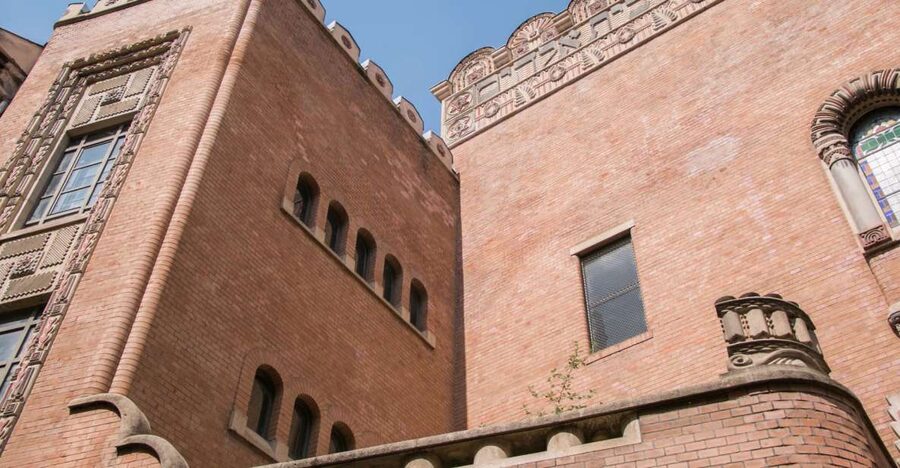
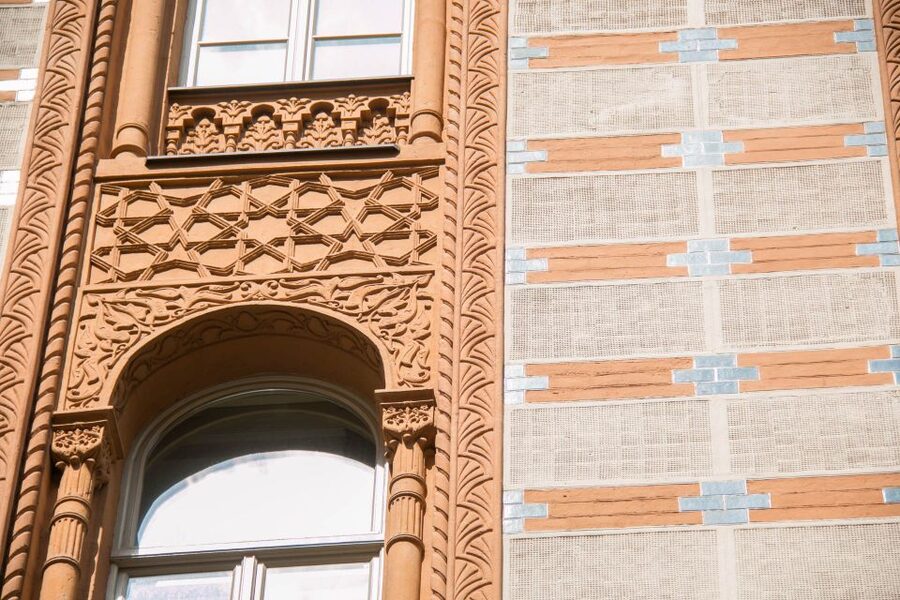
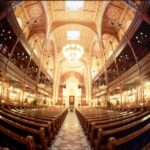
The first major stop is the Rumbach Street Synagogue. You’ll get a photo stop and then a guided sightseeing visit with an entry ticket included. This is one of the best values in the tour because “seeing the exterior” doesn’t give you the same experience as stepping inside with a guide who explains what you’re looking at.
Synagogues are more than worship spaces. They reflect the artistic style of their time, the confidence of the community that built them, and how Jewish life in Budapest became more organized and visible over the centuries. With a historian guide, you’re not only hearing architectural or historic notes—you’re learning how the synagogue fits into the neighborhood and the lived reality of the people.
What I like about this stop is the balance. You’re not sent into pure technical architecture talk. The guidance helps you link details to meaning: why this place looked the way it did, why it mattered locally, and how it connects to the broader story of Jewish life in Pest from the 18th century onward.
And because entry is included, you’re not stuck paying extra on the spot. For many heritage tours, that can be the difference between feeling like you got a real experience versus just walking past landmarks.
Gozsdu Passage and the Jewish Quarter streets: learning the city’s smaller map
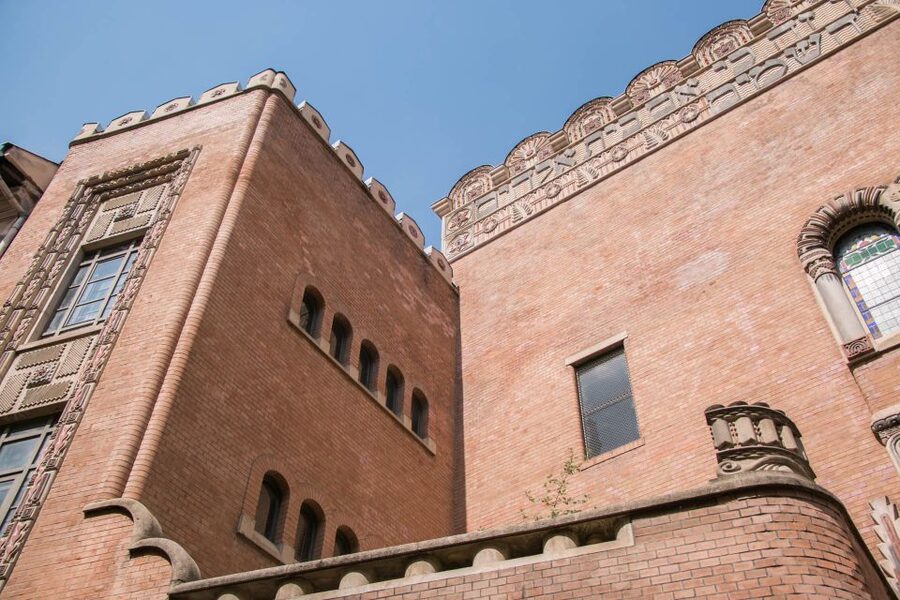
Between synagogues, the tour moves through the Jewish Quarter area, including a photo stop at Gozsdu Udvar (also tied to Gozsdu Passage). This is where the tour starts to feel like a guided wander, not a checklist.
Street-level learning is the secret sauce here. Instead of only covering famous sites, you get help spotting the “why” behind where things were. The guide points out less-obvious sights and explains what the streets themselves tell you—who lived where, what people were known for, and how the district evolved over time.
You’ll also hear about other synagogues that once existed in the district but were demolished by the 1930s. Even if you can’t see those buildings today, the guide helps you map the vanished parts of the neighborhood onto what remains. That’s a skill many visitors miss: learning to read the city even when buildings are gone.
One tip for you: keep your camera ready, but don’t let it take over. The best moments here are when you stop, listen, and then look again. After a short explanation, the same street can feel completely different.
Kazinczy Street Synagogue: outside-only right now, still worth the photo stop
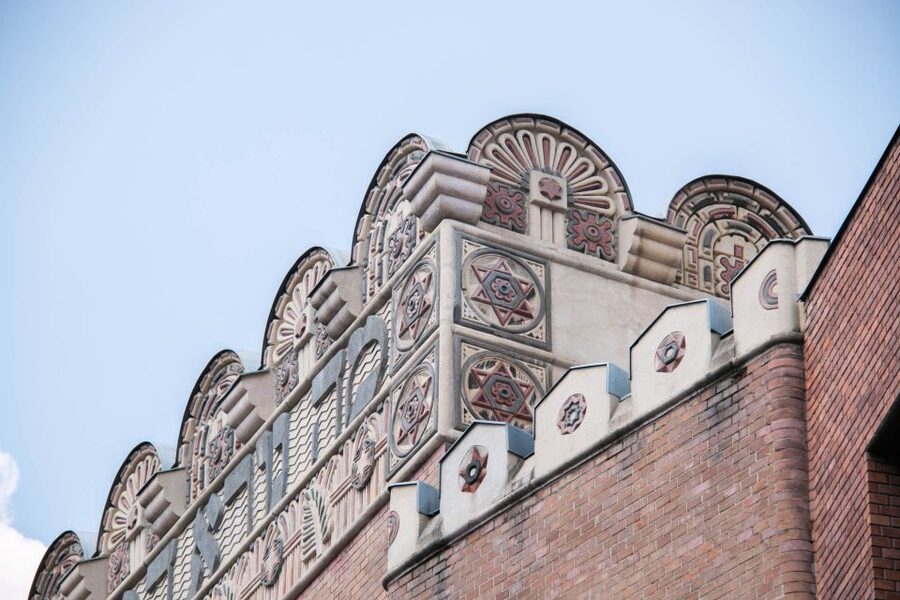
Next comes Kazinczy Street Synagogue. Here’s the honest expectation-setting: it’s temporarily closed for restoration. In this tour, you’ll have a photo stop and guided sightseeing, but entry isn’t included.
Even with that limitation, I still think this stop works, because the guide uses it to talk about the synagogue’s role in the district and how Jewish heritage in Budapest survived through disruption. When a place is closed, you don’t always get the full experience—but you can still get the context that makes the building meaningful.
The key advantage of having the historian with you is that the outside view doesn’t feel like a consolation prize. The guide helps you understand what you’re missing and why the site matters anyway. You’re learning how to interpret the present-day reality of heritage sites that aren’t always accessible.
If you’re the type who needs “inside access” for your photos and notes, you may feel the closure more. But if you care about the story—who the community was, how buildings functioned in daily life, and how the district changed—this still delivers.
Holocaust remembrance stops: ghetto wall, Carl Lutz, and the Memory Wall
This tour doesn’t treat the tragic chapters as an afterthought. It builds toward remembrance with Holocaust-era memorial stops, including:
- a remnant of the ghetto wall
- the Carl Lutz Memorial
- a Memory Wall
- entry ticket included for the Ghetto Wall Memorial
You also hear stories connected to survival and rescue—described as miraculous survivings and miracle-making people who helped others to survive. That framing matters. It keeps the narrative from becoming only about loss. You still remember what happened, but you also learn how real people acted under terrifying conditions.
One thing to be mentally ready for: memorial stops ask for a different kind of attention than synagogues or street architecture. You’ll want to slow down and let the words land. That doesn’t mean it becomes heavy in a confusing way. With a historian guide, the information is organized enough that you can follow the timeline and understand what each memorial represents in the larger story of Budapest’s Jewish community.
Practical tip: bring tissues if you’re prone to getting emotional at memorial sites. I’m not saying you will cry. I’m saying it’s a smart move to plan for it. Also, dress respectfully—this is a heritage walk with real human stakes.


Price and value: is $62 worth a 2-hour historian-led walk?
At $62 per person for a 2-hour experience, the value depends on what you want from Budapest tours.
If you’re looking for a bus tour with quick facts, you’ll likely feel this is pricier than the average sightseeing option. But this is not built like that. You’re paying for:
- a field expert historian guide
- small group size limited to 10 people
- included entry to Rumbach Street Synagogue
- included entry ticket to the Ghetto Wall Memorial
- guided time at Holocaust remembrance sites (including Carl Lutz and the Memory Wall)
Those included entries and the historian factor are what justify the price. The biggest cost savings for you comes from not having to buy key tickets separately for at least some of the stops. The biggest quality improvement comes from the guide’s ability to explain meaning, not just point at places.
There’s also the structure: you get a tight route across the Jewish Quarter on foot, so you avoid spending extra time figuring out where to go and how to connect sites in your own head.
If you have limited time in Budapest and want a guided, history-forward experience that’s still doable in an afternoon, this price can feel fair.
Logistics that actually matter: pace, group size, and timing
The tour is English and runs for 2 hours, with availability for starting times. The small group cap of 10 participants is a real advantage here. With a group that size, the guide can answer questions and adjust explanations when something clicks or doesn’t.
There are photo stops, so don’t plan to race. Also plan your day so you’re not rushing to dinner right after. Memorial moments and synagogue visits take emotional and mental space.
In terms of what’s included versus not: Kazinczy Street Synagogue entry is not included because it’s temporarily closed. So if you’re building a day around synagogue interiors, you’ll want to leave buffer time or accept that you’ll only see that specific one from the outside on this tour.
Who this tour suits best
This Budapest Jewish heritage walk is a great match if:
- you want history tied to specific buildings and streets
- you appreciate a historian guide who connects eras
- you want both Jewish community heritage and Holocaust remembrance, in one route
- you prefer a manageable time commitment (2 hours) over a long day
It might feel less ideal if:
- you’re expecting multiple interior synagogue visits (Kazinczy is outside-only right now)
- you want a long, slow, quiet museum-style experience rather than an on-foot guided format
Should you book this Budapest Jewish Heritage Walking Tour?
I’d book it if you want a compact route that combines two synagogue-related experiences (one with entry), plus meaningful Holocaust remembrance stops like the Carl Lutz Memorial and the Memory Wall. The historian guide, the small-group size, and the included entries for key sites are the main reasons this tour feels like more than just a stroll.
I wouldn’t book it only if your top priority is getting inside every major synagogue building on the route. With Kazinczy Street Synagogue temporarily closed, that part won’t fully deliver the way an open-door visit would.
If you’re on the fence, here’s your quick decision test: do you want guided context and a thoughtful pace over DIY exploring? If yes, this tour fits. If you’d rather roam freely without stopping for explanations, you may prefer a self-guided route.
FAQ
How long is the Budapest Jewish Heritage Walking Tour?
The tour duration is 2 hours.
What’s the meeting point for the tour?
Meet right at the entrance of the Lutheran Church at Deák Square (Deák téri evangélikus templom), not far from the M2 metro entrance of Deák Square.
Is the tour offered in English?
Yes, the live tour guide speaks English.
How many people are in the group?
The group is small, limited to 10 participants.
Which synagogue visits include entry tickets?
The Rumbach Street Synagogue includes an entry ticket. For Kazinczy Street Synagogue, entry ticket is not included because it is temporarily closed due to restoration.
Is Kazinczy Street Synagogue included if it is closed?
You’ll still have a photo stop and guided sightseeing of Kazinczy Street Synagogue from the outside, but entry is not possible while it’s temporarily closed.