REVIEW · KYOTO
Kyoto Heritage Run – Venture through historical Kyoto landmarks
Book on Viator →Operated by Kyoto Fitness · Bookable on Viator
Kyoto is best when you move through it. This city jogging tour strings together major sights and lesser-seen spots with a real fitness session, so you get exercise and sightseeing in one hit. You’ll start at Nijōjō-mae Station, then follow an eastward loop that threads multiple riverside neighborhoods and shrine approaches.
I especially like the mix of famous Kyoto anchors with “how did we miss that?” moments along the way. I also like that the workout is guided by a fitness professional, so you get warm-up, pace guidance, and even Tabata-style intervals rather than just running around on your own.
One consideration: this is for people with moderate fitness, and you’re covering about 10 km over roughly 3 hours. If you’re expecting a leisurely stroll with lots of sitting breaks, you’ll probably want a different kind of tour.
In This Review
- Key highlights worth lacing up for
- City jogging in Kyoto: what it changes (and what it doesn’t)
- Price and value: $97.55 buys a coach, not just a walk
- Nijōjō-mae Station start at 8:30: the morning rhythm that helps
- Nijō Castle outside: shogun-era power you can see from street level
- Imperial Palace Park and Tabata-style intervals: workout with a purpose
- Crossing Kamogawa to Heian Shrine: history you can feel in the route
- Shirakawa River run: torii, stone bridges, and weeping willows
- Maruyama Park, Yasaka Shrine, and winding down in Gion
- What you’ll actually do on the ground (and how to prep)
- Who this tour is best for (and who should skip it)
- Weather and pacing: the two things that can change your morning
- So, should you book the Kyoto Heritage Run?
- FAQ
- Where is the tour starting point?
- What time does the tour begin?
- How long is the Kyoto Heritage Run?
- How far will we cover during the tour?
- Is this tour only sightseeing, or does it include exercise?
- What’s included in the price?
- What is not included?
- What physical fitness level do I need?
Key highlights worth lacing up for
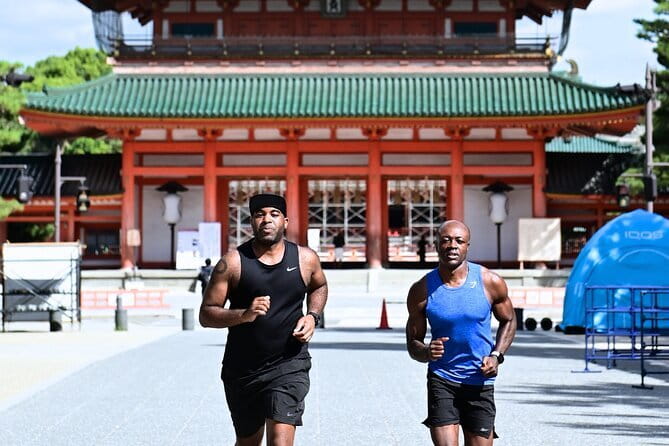
- A guided run with fitness coaching, including warm-up and Tabata-style exercises
- Central Kyoto route that links Nijō Castle, the Imperial Palace area, Heian Shrine, and Gion
- Riverside scenery on Kamogawa and Shirakawa, with weeping willows and stone bridges (when conditions allow)
- Shrine approaches on foot, including a stop near a huge torii gate
- Small group size (max 12), which helps you move together without constant stopping
- Finish near Gion, with stretching to help you close out the workout feeling human
City jogging in Kyoto: what it changes (and what it doesn’t)
A jogging tour in Kyoto sounds like a gimmick until you feel the logic. The point is time and flow: you see more in less time because you’re moving continuously, but you still get stops where a normal bus tour might only glance.
You’ll get a quick grounding in Kyoto’s story at the start, then you’re off. That matters because you’re not just collecting photos of gates and gardens; you’re learning what you’re passing and why it mattered, without turning the morning into a classroom.
What doesn’t change is Kyoto’s street reality. You’ll still be in real neighborhoods, crossing real roads, dealing with crowds in popular areas, and keeping an eye on pace. The difference is that the tour is built around movement, not around long, slow viewing.
You can also read our reviews of more tours and experiences in Kyoto.

Price and value: $97.55 buys a coach, not just a walk
At $97.55 per person for about 3 hours, this isn’t a budget “free walking tour” type of deal. You’re paying for the structure: a fitness professional, an experienced tour guide, and the routing that connects multiple major landmarks without wasting half your morning in transit.
The best value here is the blend of tasks. A standard sightseeing tour might cover fewer stops at a slower pace, while a self-guided run covers movement but not context. This format gives you both—plus stretches at the end—so you’re not stuck wondering whether you should have read about these places first.
Also, the group size is capped at 12. That tends to feel more personal than the large bus crowd, and it’s easier to manage timing when you’re jogging.
Nijōjō-mae Station start at 8:30: the morning rhythm that helps
The tour starts at 8:30 am at Nijōjō-mae Station, opposite Nijō Castle. Starting here is practical because it puts you right where Kyoto’s north-central sightseeing loop begins, and you’re not scrambling to reach a far-flung meeting point later.
When you arrive, you’ll be greeted by the guide team—a fitness professional plus an experienced tour guide—and you’ll begin with a warm-up and a brief history of Kyoto City. That warm-up isn’t just for safety; it helps set the mental pace. You’ll know what’s coming before you’re out running, which makes the landmarks hit harder.
You’ll also get a mobile ticket, which is one less thing to worry about on a morning when you’re trying to keep your hands free for water and phone use.
Nijō Castle outside: shogun-era power you can see from street level
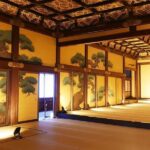
Your first big landmark is Nijō Castle, viewed from outside. That matters because the goal isn’t to treat this like a ticketed interior visit; it’s to give you the historical backbone while you’re already in motion.
Nijō Castle is tied to the Tokugawa shoguns from 1603 to 1868, and the tour keeps that context in your head as you pass. Even from outside, you get a sense of the scale and importance—this wasn’t a casual residence.
Drawback note: because you’re not described as going inside, you should not expect a full castle interior experience. If you want walls-with-rooms detail, you’ll still want a separate time later for museum-style viewing.
Imperial Palace Park and Tabata-style intervals: workout with a purpose
After your run east, you reach the Imperial Palace Park area. The tour frames this as a former dwelling of emperors during Kyoto’s reign as capital, which gives you a clear theme: shift from shogun authority to imperial presence.
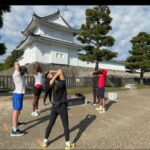
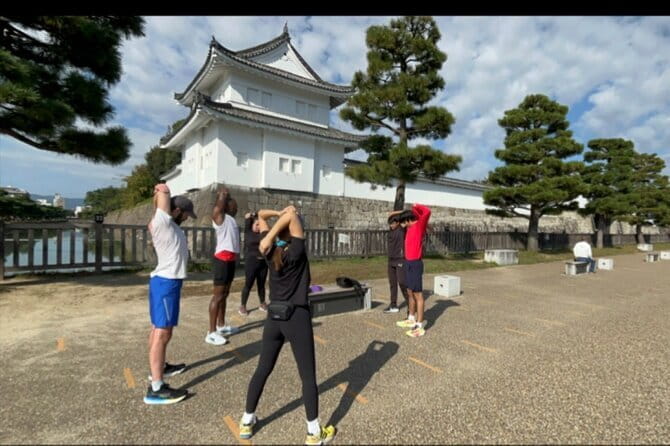
This is where the format gets fun. You’ll take part in Tabata-style exercises on the grounds, paired with the brief history you started with earlier. That combination is the key idea of the whole tour: you’re not just jogging through a city—you’re doing structured intervals while your surroundings change from historic setting to river scenery.
A possible drawback is also about expectations. Tabata-style work is intense for many people, even when paced for a group. If you’re someone who prefers steady jogging only, you may want to mentally prepare for short bursts rather than an even glide.

Crossing Kamogawa to Heian Shrine: history you can feel in the route
When you leave the Imperial Palace grounds, you cross Kamogawa. In Kyoto, rivers aren’t just pretty—they act like long visual corridors, and the tour uses that. You’ll get the sense of moving through eras rather than hopping randomly between sites.
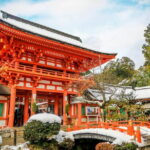
Next up is Heian Shrine, with a brief stop. The tour highlights it as a major architectural marvel and part of Kyoto’s cultural heritage, so you’re getting a moment to look and reset before the route becomes more scenic and more river-focused.
One practical advantage here: stopping at Heian Shrine in the middle of the run helps you break up the effort. It’s not a long layover, but it’s enough to recharge your legs and refocus your eyes.
Shirakawa River run: torii, stone bridges, and weeping willows
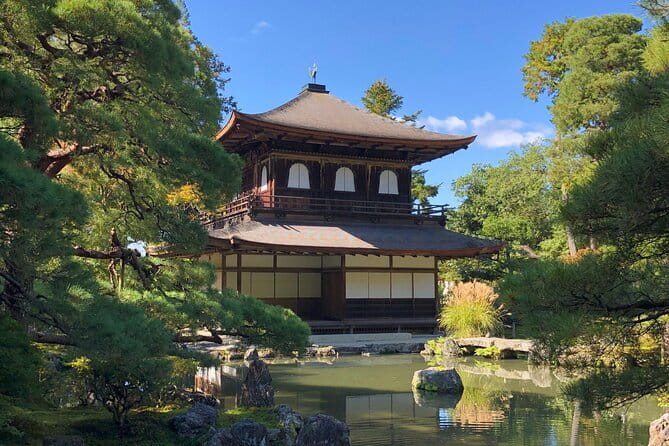
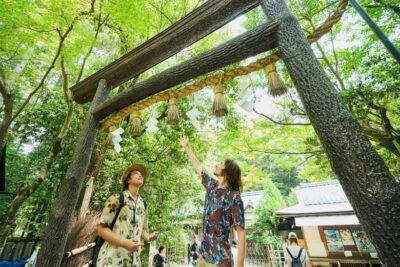
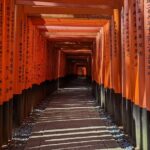
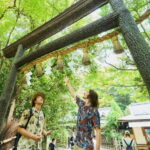
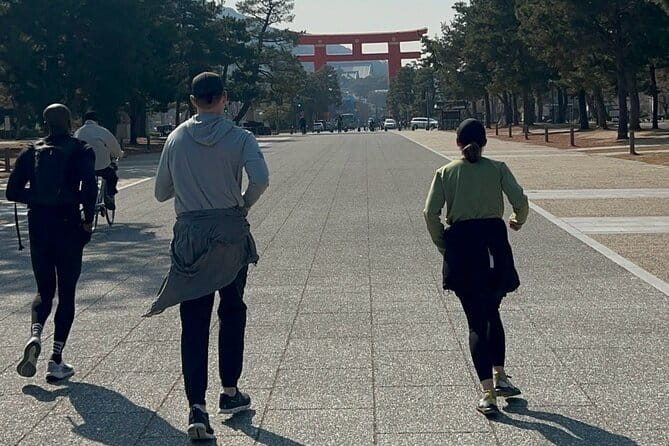
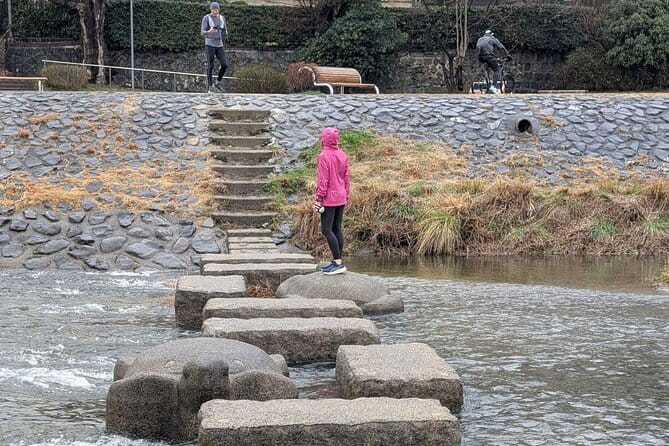
From there, you pass through an immense torii gate, then jog along the banks of the Shirakawa River. The route description calls out weeping willows and small stone bridges, and that combination is why this segment feels different from plain urban running.
Torii gates in general signal shrine territory, so you’re basically switching “mode” as you move from open city to sacred landscape. Even if you don’t get a long stop at each point, the scenery shift makes the jogging feel like part of the sightseeing rather than separate exercise.
Is it always peaceful? Not necessarily. Shirakawa can be active, and the tour stays a group pace. If you’re sensitive to crowds or you prefer quieter photo moments, plan to take a few slower breaths for photos when the group pauses.
Maruyama Park, Yasaka Shrine, and winding down in Gion
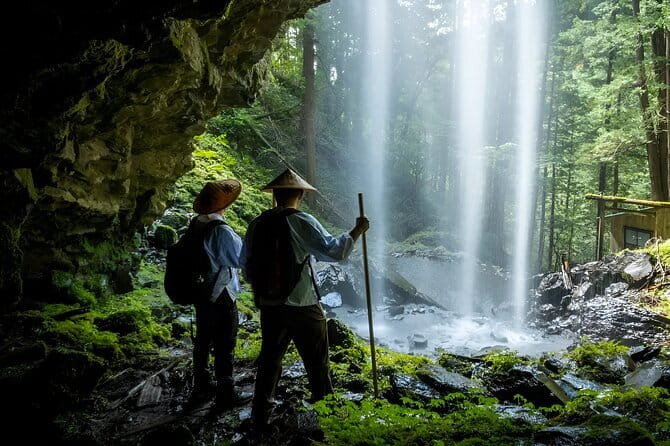
The route brings you to Maruyama Park and then toward Yasaka Shrine, before winding down near the eastern bank of Kamogawa with stretches. This is a smart ending style. If you end with a long sit-down tour, your body stiffens; if you end with a gentle stretch, you’re more likely to walk comfortably afterward.
The tour also mentions Gion and being near Gion Shijo Station at the conclusion. That makes sense because Gion is where many people want to be after a morning of effort: it’s atmospheric, it’s central, and it’s easy to keep exploring on foot without needing another transit plan right away.
One more benefit: because the jogging route links these areas, you’re less likely to waste the day backtracking. Your morning work becomes your afternoon map.
What you’ll actually do on the ground (and how to prep)
The basic rhythm is warm-up → jog segments → short stops with guide context → Tabata-style exercise on historic grounds → more jogging along rivers → stretching to finish. That’s a lot of “moving with meaning,” and it’s why the tour can cover about 10 km in around 3 hours.
So here’s how I’d prep, based on what’s built into the experience. Wear shoes you trust for repeated push-off and turning, not brand-new sneakers that need breaking in. Keep your phone accessible but not flopping out while you jog—Kyoto sidewalks are uneven in spots.
And bring your own water strategy. Bottled water isn’t included, so you’ll want to plan a way to stay hydrated—especially if you run hot. Lunch isn’t included either, so if you’re prone to getting hungry after intervals, think about when you’ll eat afterward.
Who this tour is best for (and who should skip it)
This is ideal if you like movement and you want a guided structure. If you’re the kind of person who hates spending half a day in lines but still wants context, you’ll probably love the pacing. The small group cap of 12 also helps with comfort and guide attention.
It’s also a good fit for second-day visitors who want to get their bearings. Seeing Kyoto through a route that connects landmark clusters makes the rest of your trip easier because you’ll start recognizing how neighborhoods relate to each other.
Skip it if you want maximum time at fewer sites. This tour is designed to keep moving, and the stops are described as brief. And skip it if Tabata-style intervals sound miserable. You don’t need to be an athlete, but you do need to be willing to work.
Weather and pacing: the two things that can change your morning
The experience requires good weather. If conditions are poor, you’ll be offered a different date or a full refund. That’s important in Kyoto because mornings can shift quickly, and rain can turn river-adjacent routes into slippery stress.
Pacing also matters. You’ll jog between stops, so your body needs to handle sustained effort plus short intense work. The tour is aimed at a moderate fitness level, but you should still assess your own comfort with jogging for about 10 km.
So, should you book the Kyoto Heritage Run?
I’d book it if you want Kyoto with motion, not just sightseeing. The standout value is the combination of fitness coaching and guided context across major landmarks and river scenery, capped in a small group. At $97.55, it’s not the cheapest way to see Kyoto, but it’s a strong value if you like to be active and you want to cover ground efficiently.
I’d think twice if you’re hoping for a slow, sit-down, photography-only morning. This tour is about rhythm—moving, stopping, learning, and finishing with stretches so you can keep enjoying the day.
If you’re deciding between this and a classic walking tour, treat it like a choice between two styles of travel: one that prioritizes time-on-foot and structure, and one that prioritizes long viewing. Kyoto Heritage Run picks structure—and it’s a good match for visitors who want their sightseeing with a little sweat.
FAQ
Where is the tour starting point?
It starts at Nijōjō-mae Station (opposite Nijō Castle).
What time does the tour begin?
The start time is 8:30 am.
How long is the Kyoto Heritage Run?
The duration is approximately 3 hours.
How far will we cover during the tour?
The tour description says it covers about 10 kilometers.
Is this tour only sightseeing, or does it include exercise?
It includes exercise, including a warm-up, Tabata-style exercises, and stretches at the end.
What’s included in the price?
The price includes all fees and taxes.
What is not included?
Lunch and bottled water are not included.
What physical fitness level do I need?
It’s designed for people with moderate physical fitness.