REVIEW · KYOTO
Kyoto UNESCO World Heritage Site Private Tour with a Premium Van
Book on Viator →Operated by MagicalTrip Inc. · Bookable on Viator
Kyoto feels big when you’re on foot. This private day tour strings together top UNESCO stops with a premium van and a photography-minded guide, so you’re not wasting time zigzagging around town. I also like that the day is tightly paced, but you should know the biggest sites get about 30 minutes each—so if you want long, slow wandering, you’ll feel a bit boxed in.
This kind of setup is great for first-timers and repeat visitors alike. You get admission covered for several major landmarks, plus a real lunch break, and you can flag dietary needs ahead of time.
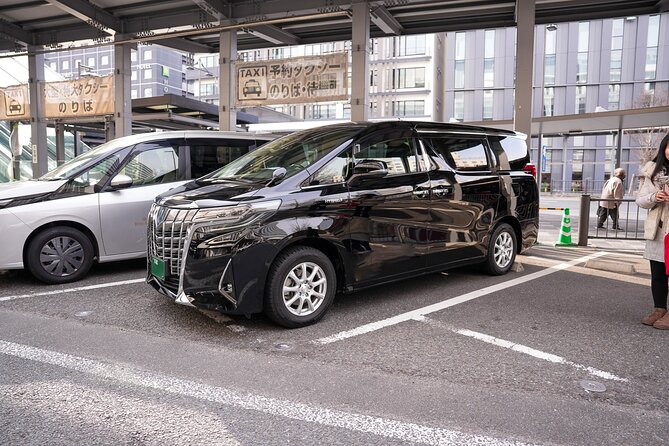
You meet at the General Taxi Rank at Kyoto Station Karasuma Entrance at 9:00am. Pickup is offered, and the tour requires good weather, with a different date or a full refund if it gets canceled due to weather.
In This Review
- Key things that make this Kyoto UNESCO private tour work
- Why a private UNESCO Kyoto day feels like the smart shortcut
- Getting started at Kyoto Station and how the 9-hour clock is managed
- Nijo Castle: the samurai-era spectacle you can actually appreciate in 30 minutes
- Kinkakuji (Golden Pavilion): reflections, crowds, and where your guide helps
- Ryoanji rock garden: the calm pause that makes the whole route click
- Tenryuji and Sogenchi Teien: bamboo groves and garden geometry
- Lunch in Kyoto: a real break with vegetarian, vegan, and gluten-free options
- Kiyomizu-dera: the UNESCO precinct that rewards good pacing
- Fushimi Inari-taisha: torii gates for one last big photo moment
- Guides and drivers: why this day stays calm even when Kyoto is busy
- Price and value: is $525.50 per person worth it
- Who this Kyoto UNESCO private tour is best for
- Should you book this private Kyoto UNESCO World Heritage tour?
- FAQ
- FAQ
- What time does the Kyoto UNESCO private tour start?
- Where is the meeting point for this tour?
- Is hotel pickup available?
- How long is the tour?
- Is this a private tour or shared group?
- Which major UNESCO sites does the tour include?
- Are admission tickets included?
- Is lunch included, and can you handle dietary needs?
- Do I receive a mobile ticket?
- What happens if weather is bad?
- Can I get a full refund if I cancel?
Key things that make this Kyoto UNESCO private tour work
- Premium van + private guide flow: you move between sites without riding crowded buses or hunting timetables.
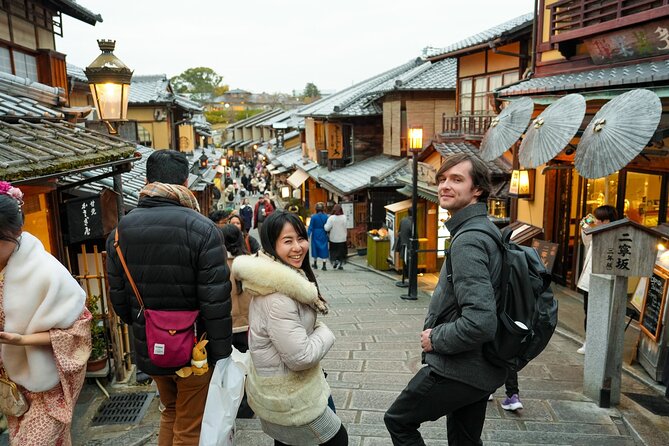
- A guide who helps you get the shot: your guide doubles as a photographer, including at classic photo angles.
- UNESCO hits in one day: Nijo Castle, Kinkakuji, Ryoanji, Tenryuji/Sogenchi Teien, Kiyomizu-dera, and Fushimi Inari.
- Admission included where it counts: several stops include tickets, so you can spend less mental energy on logistics.
- Lunch with dietary options on request: vegetarian, vegan, and gluten-free can be arranged with advance notice.
- Comfortable, flexible pacing: breaks are built in, and the day avoids the usual frantic scramble.
Why a private UNESCO Kyoto day feels like the smart shortcut
Kyoto is one of those cities where good intentions and real streets fight each other. With normal transit, you end up timing buses, walking uphill, and apologizing to your legs. With this tour, the basic plan is simple: you get a private vehicle, you get a guide, and you get a run of the UNESCO icons without turning the day into a transportation problem.
The premium van matters more than you’d think. It gives you predictable travel time between areas, and it reduces the stress of carrying bags, reading route maps, or squeezing into packed train cars. When you’re only in Kyoto for a short window, that matters.
Two things I really like about the experience design. First, the guide helps with where to stand for the best views, not just what to see. Second, you get a lunch stop that’s more than a quick snack in a random convenience store.
The main trade-off is the time split. Most landmarks are around 30 minutes. You’ll see a lot, but you won’t master every courtyard and side hall. If your vacation style is slow-and-steady, think of this as a strong introduction day—then plan a separate half-day for deeper exploring.
You can also read our reviews of more tours and experiences in Kyoto.


Getting started at Kyoto Station and how the 9-hour clock is managed
The day starts at 9:00am at the General Taxi Rank, Kyoto Station Karasuma Entrance. The address is Higashishiokojicho, Shimogyo Ward, Kyoto, 600-8216. If you’re getting pickup offered, you won’t have to drag your group across the station to meet the van.
This matters because Kyoto’s biggest sights can be spread out. By consolidating the day into one start point and one end point (it returns back to the meeting location), you keep your navigation simple.
The total duration is about 9 hours. That’s long enough to hit multiple UNESCO sites, but short enough that you’re not forced into a full-day temple marathon. Still, do plan your body for a lot of walking at each stop, even with a vehicle waiting nearby.
Also note the tour depends on good weather. If it’s canceled due to poor conditions, you’ll be offered another date or a full refund. In practical terms: if your travel dates are tight, keep a little flexibility if you can.
Nijo Castle: the samurai-era spectacle you can actually appreciate in 30 minutes
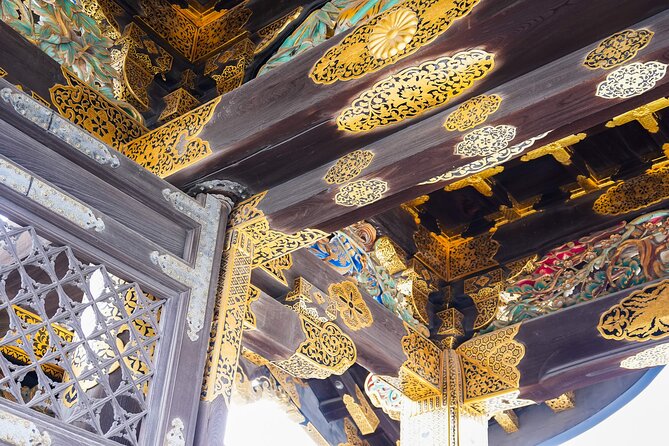
You kick off at Nijo Castle, with admission included. This is a strong “first stop” because it sets the tone right away. The castle is famous for its historic defensive design and the way the space feels controlled and intentional. Even if you’re not a history nerd, you can still appreciate the craftsmanship and the atmosphere.
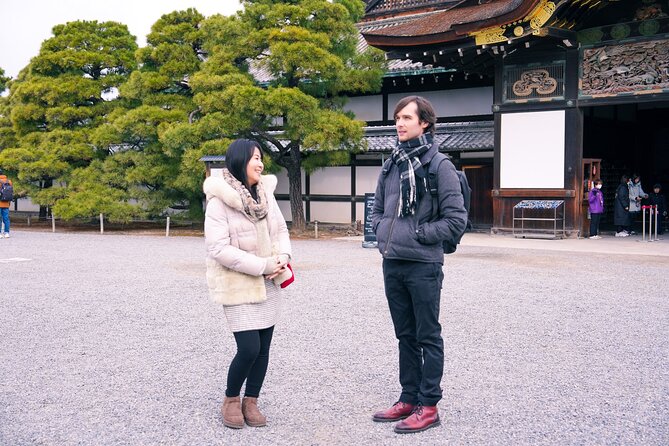
In a short visit, what helps is having a guide who can point out what to notice. Look for the details that signal status and power, not just the big buildings. A good guide will help you read the layout quickly, so you don’t wander in circles.
If you’re traveling with a mixed group—kids, adults, different interests—this is a practical opening stop. You get a dramatic payoff early, and then the rest of the day becomes easier to follow.
Kinkakuji (Golden Pavilion): reflections, crowds, and where your guide helps
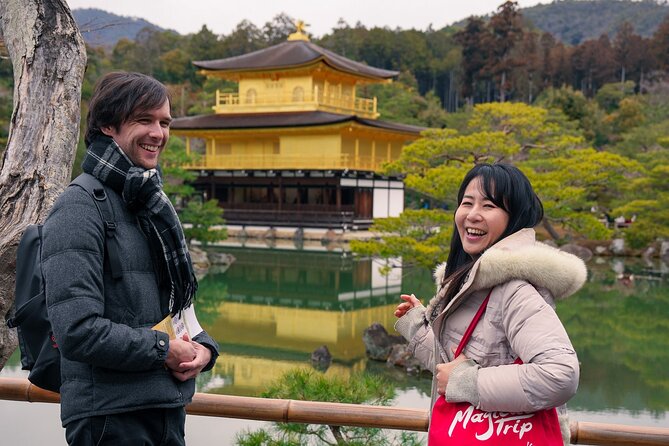
Next is Kinkakuji, the Golden Pavilion. This is one of those places where everyone wants the same photo, which means timing and positioning matter. Admission is included, and you get about 30 minutes.
What you’re aiming for here is the relationship between the pavilion and its setting—especially the reflections in the pond. The guide-as-photographer aspect is useful because you’ll get direction on where to stand for cleaner angles and better composition.
A quick reality check: Kinkakuji is popular. Even on a tour day, you may feel the push-and-pull of crowds. The value of the private format is that you can move as a group and keep your momentum when it gets busy.
Ryoanji rock garden: the calm pause that makes the whole route click
After Kinkakuji comes Ryoanji, known for its famous rock garden. Admission is included, and the visit is around 30 minutes.
This stop is a great counterbalance. The earlier locations can feel visual and showy. Ryoanji is quieter and more about attention than size. If you’ve ever looked at a garden like it’s a puzzle, this is where that mindset fits.
In a tight time window, I’d treat Ryoanji as a reset: slow down your pace, focus on the lines and the negative space, and don’t rush your own eye. A guide can help you avoid the common mistake—trying to “read” everything at once.
Tenryuji and Sogenchi Teien: bamboo groves and garden geometry
The next stop focuses on Sogenchi Teien and connects to Tenryuji. Admission is included, and the timing is similar at about 30 minutes. This is the part of the day where the atmosphere shifts again—toward garden design and nature framing.
You’ll also get bamboo groves along the way, and that’s a big part of why people love this area. Bamboo can look simple, but it’s all about rhythm: how the shoots line up, how light falls between stems, and how the path guides your attention.
Tenryuji’s gardens work well in a guided setup because you’re shown what to notice in a short time—what the landscape is trying to communicate, and where the best views tend to be.
The only drawback here is the same one you’ll feel all day: 30 minutes is enough for a first impression, not enough for slow, repeated viewing. If you want to spend serious time with gardens, plan a follow-up visit on another day.
Lunch in Kyoto: a real break with vegetarian, vegan, and gluten-free options
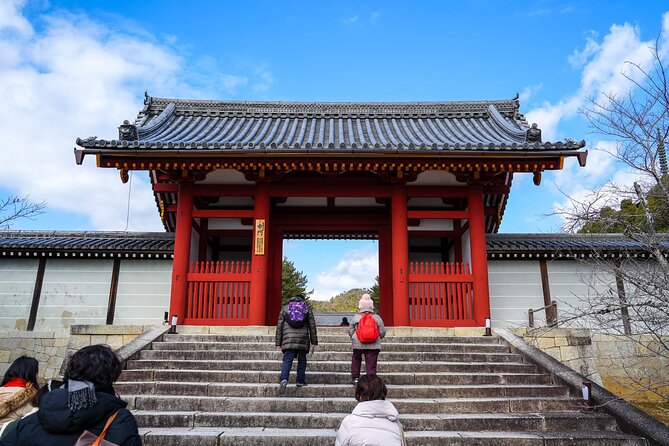
Between temples, you get lunch at a locally recommended restaurant. It’s about one hour, and there are vegetarian, vegan, and gluten-free options available if you request them in advance.
This is a big deal for comfort. Kyoto can be tricky if you have dietary needs, and it’s easy to end up with a rushed meal or a plate that doesn’t match what you asked for. The fact that the tour explicitly handles dietary restrictions is part of the value.
I also like that lunch time is positioned as an actual break, not just a pause to eat while the guide keeps walking. You’ll have time to talk, reset your energy, and come back ready for the final stretch.
Kiyomizu-dera: the UNESCO precinct that rewards good pacing
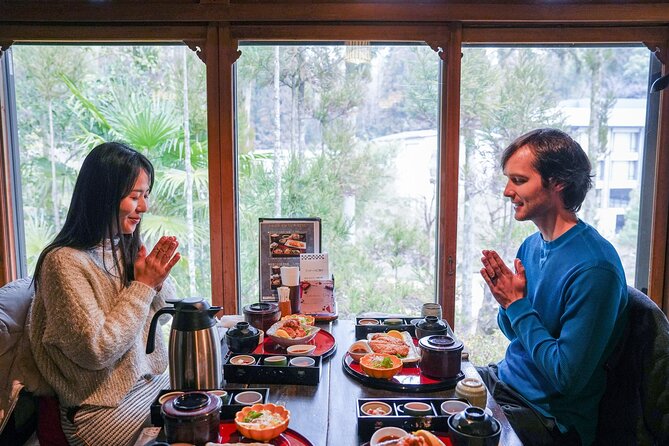
Kiyomizu-dera is next, with admission included. The visit is about 30 minutes. This is one of Kyoto’s most famous temples, and the appeal isn’t only the main structures—it’s the whole feeling of the precinct.
This stop tends to work best when your guide helps you manage your route through crowds. You don’t want to arrive, get stuck behind a photo line, and burn your time. With a group tour flow, you usually keep moving without losing the meaning of the place.
Even within a shorter visit, Kiyomizu-dera can deliver. You’re looking for the broad views and the sense of place—the way the temple sits within its surrounding streets and viewpoints.
If your group loves photos, this is often another big moment for picture-taking angles. Your guide’s photography help can save time and frustration.
Fushimi Inari-taisha: torii gates for one last big photo moment
You finish at Fushimi Inari-taisha, famous for its vermilion torii gates. Admission is listed as free for this stop, and the time is about 30 minutes.
Fushimi Inari is dramatic at a distance and even more so as you start moving through the gates. The trick is not trying to do everything. In 30 minutes, you can still capture a lot of the classic look—especially if you focus on a strong path segment and don’t get pulled in every direction.
If you love atmosphere, this stop delivers fast. The gates create a tunnel feeling, and your senses kick in: color, repetition, and the sense of walking into something symbolic.
If your group is tired, this is also a practical finale. It gives you a big visual payoff, and then you’re back to the meeting point rather than trying to figure out the hardest transit route after a long day.
Guides and drivers: why this day stays calm even when Kyoto is busy
The best part of this tour style is that it treats logistics like a real part of the experience. You’re not just buying access to famous sights. You’re buying less stress between them.
From the guide names shared in the experience feedback—Meri, Mari—and the drivers mentioned—Mr. Yamashita and Kyomi—you can tell the emphasis is on friendly, capable people who keep things moving. The guide also helps with photography, and you’ll likely get explanations that make the sites feel clearer faster.
That’s not a small thing. On your own, Kyoto often goes like this: you see a landmark, you know it’s important, but you don’t quite understand why, and you move on quickly. With a good guide, the landmarks connect into one day story.
Also, the day is described as well paced with breaks when needed. In a city full of steep steps and crowded entrances, that built-in breathing room is how a long day stays enjoyable rather than exhausting.
Price and value: is $525.50 per person worth it
At $525.50 per person for an approximately 9-hour private tour, this is not a cheap Kyoto activity. The price is best understood as paying for three things at once:
- Time saved by having a premium van and a driver
- Expert guidance that speeds up understanding and helps you avoid dead ends
- Access costs folded into admission for multiple stops
So when does it feel like good value? For small groups, especially couples or families who would otherwise spend energy on transport and ticket budgeting. If you’d be taking multiple taxis or buses across scattered temple areas, the private vehicle starts to look more reasonable.
If you’re traveling solo on a tight budget, you might decide it’s cheaper to do a mix of trains and walking with a guide for just one site. But if your top priority is seeing a lot with less mental load, this price can make sense.
One more practical angle: this tour is commonly booked about 64 days in advance on average. That suggests limited availability around peak periods. If your dates are fixed, book earlier than you think you need to.
Who this Kyoto UNESCO private tour is best for
This tour is a good fit if you:
- Want to see major UNESCO highlights in one day without managing transit
- Prefer a guided plan with photo support
- Have dietary restrictions and want lunch handled
- Travel with family members who don’t want to split off or argue about directions
It may be less ideal if you:
- Like to linger for long stretches at one temple or garden
- Don’t want a schedule at all
- Are hoping for a slow, detailed museum-style pace at multiple stops
Think of it as a high-output day with a smart structure. You’ll come away with clear “greatest hits” impressions, then you can go deeper on a second visit.
Should you book this private Kyoto UNESCO World Heritage tour?
If your goal is a stress-free highlights day—Nijo Castle, Kinkakuji, Ryoanji, Tenryuji/Sogenchi Teien, Kiyomizu-dera, and Fushimi Inari—this is a strong choice. The combination of a premium van, admission included for several stops, and a guide who helps with photography makes it easier to get the most from a limited time window.
I’d book it when your group values convenience and you want your day to run smoothly from 9:00am until the final stop. I’d think twice if your style is slow wandering and you hate feeling rushed, because the major sites are timed in a way that favors breadth over deep study.
FAQ
FAQ
What time does the Kyoto UNESCO private tour start?
The tour starts at 9:00am.
Where is the meeting point for this tour?
You meet at the General Taxi Rank, Kyoto Station Karasuma Entrance, Higashishiokojicho, Shimogyo Ward, Kyoto, 600-8216, Japan. The tour ends back at the meeting point.
Is hotel pickup available?
Pickup is offered.
How long is the tour?
The duration is about 9 hours.
Is this a private tour or shared group?
It’s a private tour/activity, meaning only your group participates.
Which major UNESCO sites does the tour include?
It includes Nijo Castle, Kinkakuji (Golden Pavilion), Ryoanji, Sogenchi Teien with Tenryuji, Kiyomizu-dera, and Fushimi Inari-taisha.
Are admission tickets included?
Admission tickets are included for several stops, including Nijo Castle, Kinkakuji, Ryoanji, and Kiyomizu-dera. Fushimi Inari-taisha and the lunch stop are listed as free for admission.
Is lunch included, and can you handle dietary needs?
Lunch is included. Vegetarian, vegan, and gluten-free options are available if you request them in advance.
Do I receive a mobile ticket?
Yes, the tour offers a mobile ticket.
What happens if weather is bad?
The tour requires good weather. If it’s canceled due to poor weather, you’ll be offered a different date or a full refund.
Can I get a full refund if I cancel?
Yes. You can cancel up to 24 hours in advance for a full refund.