REVIEW · KYOTO
Kyoto/Osaka: Kyoto and Nara World Heritage Day Tour
Book on GetYourGuide →Operated by TAIHOU CO,LTD · Bookable on GetYourGuide
Torii gates and deer in one day. This 10-hour Kyoto and Nara day tour packs the calm of Kiyomizu-dera and the red-tunnel walk at Fushimi Inari into one coach loop, so you’re not spending your day figuring out trains. I love the old-street wandering around Kiyomizu-dera—easy to explore at your own pace—and I also like the Nara Park stop where you can buy crackers and interact with the free-roaming deer. One thing to plan around: timing can shift with traffic, weather, and holiday crowds, so the day can feel fast.
You’ll ride in an air-conditioned bus with a multilingual guide (English, Traditional Chinese, and Japanese). Guides have made a difference in the experience; one standout name in feedback is YURI, praised for being sweet and patient, and another comment called out Rick as very friendly. That said, this is still a shared group tour, so you’ll trade some freedom for smooth transport.
The best part is the “big sights, managed time” formula. The possible drawback is that some schedules can get tight—one review noted announced conditions weren’t followed and another mentioned getting rushed, including around lunch time. If you’re the type who likes long, slow museum-style visits, this route may feel like more checkmarks than lingering.
In This Review
- Key things that make this tour worth your time
- Kyoto and Nara in one 10-hour loop: what you really get
- Getting to and from Osaka: the bus-day reality
- Kiyomizu-dera: temples, views, and the “walk until it feels right” part
- The Kiyomizu-dera area route: where the charm comes from
- Kimono rental (optional): when it adds value and when it might not
- Fushimi Inari Taisha: the torii gates and the ema moment
- The fox-shaped ema: a small ritual you can actually do
- Nara Park: deer encounters without turning it into chaos
- Todai-ji: a short stop with big scale
- Timing and crowds: the main thing that can affect your day
- Price and value: is $61 a good deal for a 10-hour day?
- What to bring (and what to do before you go)
- Who this tour suits best (and who should rethink it)
- Should you book this Kyoto and Nara World Heritage Day Tour?
- FAQ
- How long is the Kyoto and Nara World Heritage Day Tour?
- Where does the tour start and where does it end?
- What’s included in the price?
- Is lunch included?
- What languages are available for the guide?
- Is there a kimono rental option?
- What should I bring for the day?
- Is this tour good for deer feeding?
- Can I visit Todaiji Temple on this tour?
- Is this tour suitable for wheelchair users?
Key things that make this tour worth your time
- UNESCO-style highlights, grouped efficiently: Kyoto temples, Fushimi Inari, and Nara Park with Todai-ji as the bonus big-scale stop.
- A guided Kyoto temple moment plus self-guided alley walking: you get structure, then breathing room on the streets.
- Fushimi Inari’s torii-gate walk plus ema: you can decorate a fox-shaped prayer plaque with your own design.
- Nara Park deer etiquette built in: buy deer crackers on-site and keep your space if they get curious.
- Kimono rental as an optional add-on: self-paid, picked up near Kiyomizu-dera and returned near Fushimi Inari.
- A bus day designed to limit logistics: round-trip coach, tolls, parking, and a professional driver handled.
Kyoto and Nara in one 10-hour loop: what you really get
This tour is built for people who want major sights without turning the trip into a transportation puzzle. You’re traveling on an air-conditioned bus, with expressway tolls, parking fees, and fuel already handled, which matters when Kyoto and Osaka traffic can eat your schedule.
The rhythm of the day is also clear: several stops include photo time plus a visit, then you move again. Some parts are guided, some are self-paced walks—so you’ll want to treat this as a “see the icons” day, not a “slow and detailed” day.
You can also read our reviews of more tours and experiences in Kyoto.


Getting to and from Osaka: the bus-day reality

The tour starts at one of two Kyoto/Osaka meeting options, then you’ll be picked up by bus and returned back to Osaka at the end. The drop-off location is only in Osaka, so plan your evening around being back in the city, not near Kyoto.
Expect a few travel segments that add up. The schedule includes coach time to Kyoto first, then between Kyoto and Nara, and finally back to Osaka. If you hate being late more than you hate being rushed, this kind of itinerary will feel manageable. If you like to plan a second activity immediately after a day tour, it’s safer to keep that time open—delays due to weather, traffic, or crowding can happen during peak periods.
Kiyomizu-dera: temples, views, and the “walk until it feels right” part
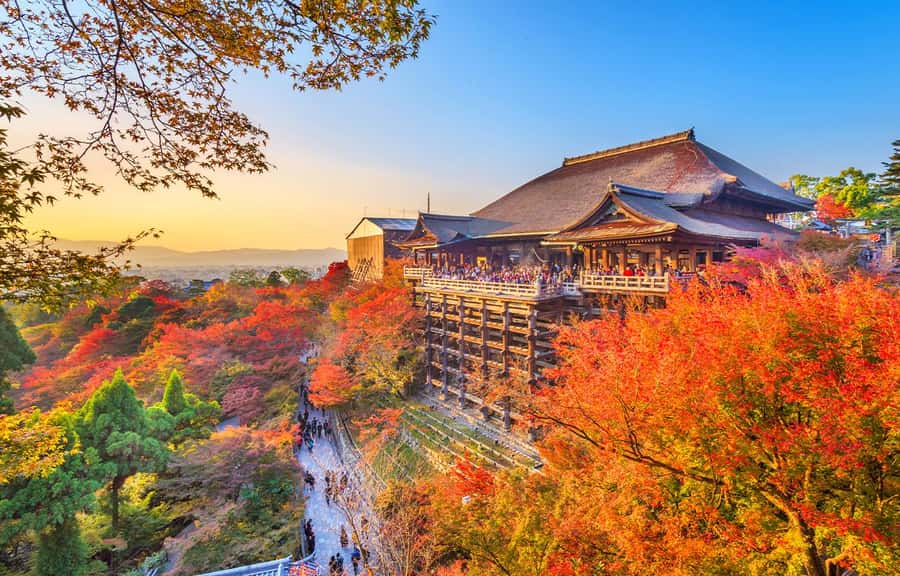
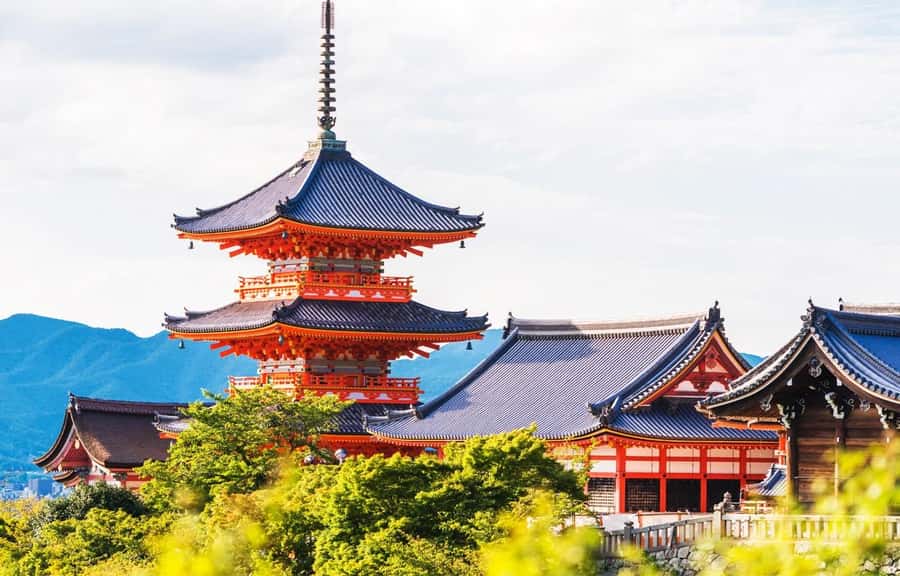
The day begins in Kyoto at Kiyomizu-dera, one of those places where the setting does half the work for you. You’ll get a photo stop plus time to visit, then the route continues into the surrounding historic lanes.
What I like about this stop is how well it sets the tone. Kiyomizu-dera is known for its hillside views, and the atmosphere shifts as you move from the main temple area into the older streets nearby.
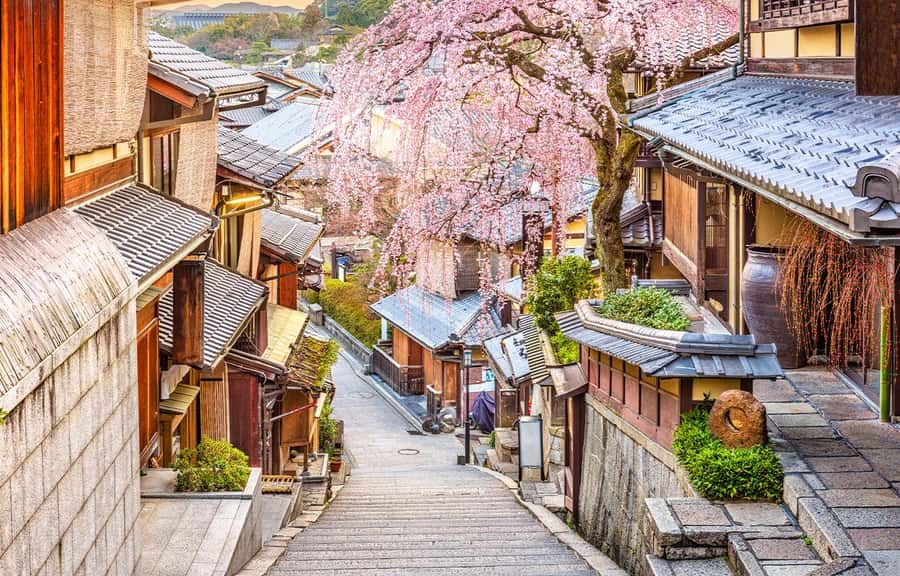
You’ll also get an easy on-ramp to the classic Kyoto street style through Sannenzaka and Ninenzaka. These streets are famous for traditional wooden buildings and the “postcard Kyoto” look, but what matters for your day is that they’re enjoyable to walk slowly. You can stop for photos, take your time browsing, and still stay on schedule.
The Kiyomizu-dera area route: where the charm comes from
Your walk path is basically a choose-your-pace circuit:
Kiyomizu-dera → Ninenzaka & Sannenzaka → Ishibei-koji Alley → Hanamikoji Street → Yasaka Shrine (with time for sightseeing stops along the way).
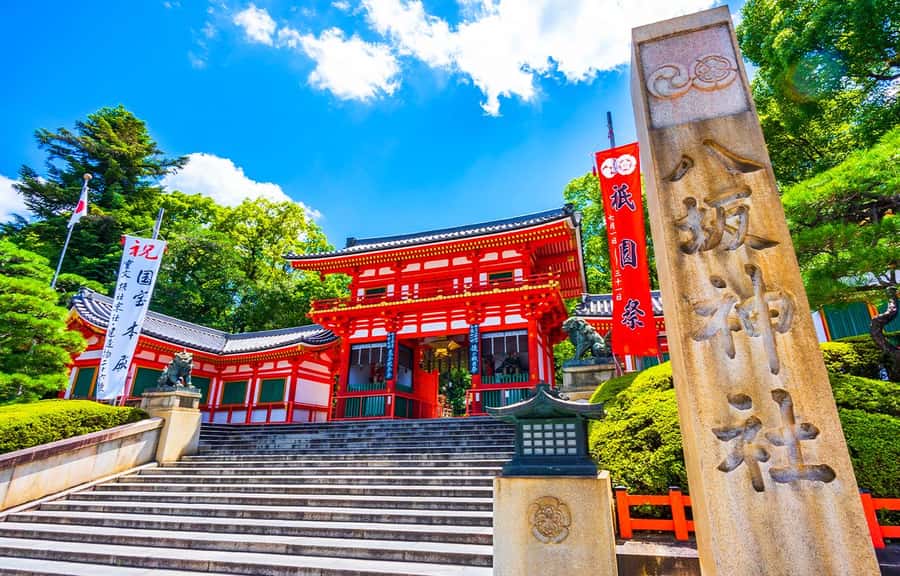
Ishibei-koji Alley is the kind of small passage where you feel like you’ve stepped one level away from the main crowds. Hanamikoji Street tends to be the livelier long stretch where it’s easier to grab a few photos and people-watch. Yasaka Shrine is another classic Kyoto stop where a quick visit can still give you a strong sense of place.
Kimono rental (optional): when it adds value and when it might not
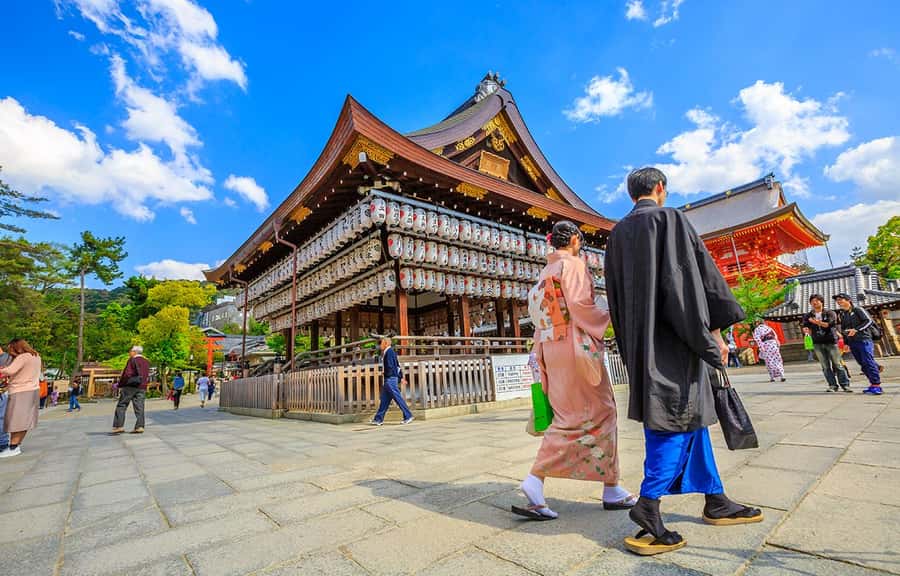
You can rent a kimono as an optional, self-paid add-on. The handoff is practical: pick it up near Kiyomizu-dera and return it later near Fushimi Inari.
This can be a big win if you want the “Kyoto at street level” feeling. The outfit changes how people photograph you and how you move through the lanes, and it often makes the street walking feel like part of the experience instead of just a pause between temples.
But it’s not magic. Comfortable shoes still matter, and you’ll still be on a tight day schedule. If you’re already short on energy or you know you dislike clothing changes during travel, skip it. If you’re excited by photos and atmosphere, it can be a fun way to make the day feel more personal.
Fushimi Inari Taisha: the torii gates and the ema moment
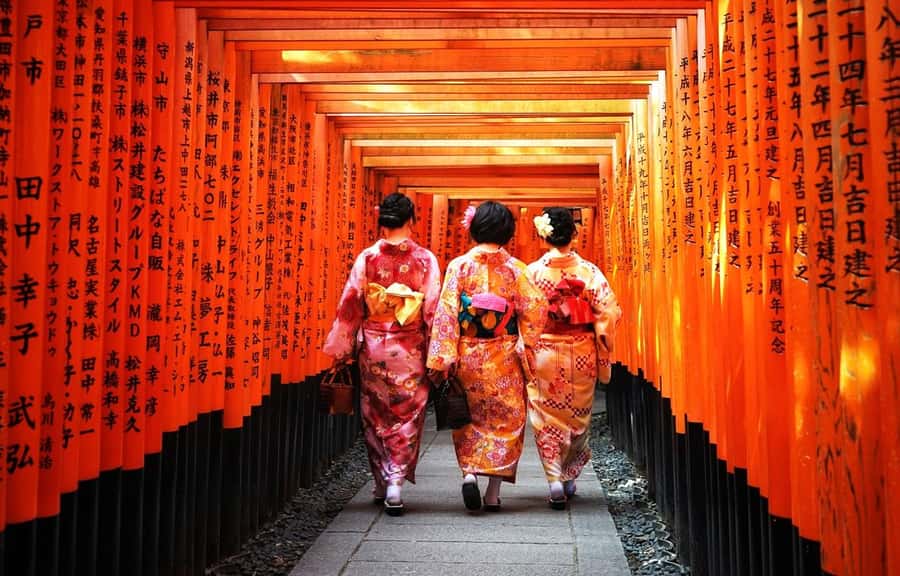
Fushimi Inari is one of Japan’s most recognizable spiritual sites, mainly because of the torii-gate tunnel effect as the gates climb the sacred mountain. You’ll get a photo stop plus time to visit, and there’s even a guided tour component during the visit window.
Here’s the part that turns “seeing” into a memory: your experience is in the walking rhythm. Each gate marks a step, and the path creates a gentle sense of progression. It’s photogenic from the first minutes, but it also feels meaningful as you go deeper.
The fox-shaped ema: a small ritual you can actually do
A nice detail here is the fox-shaped ema. You can decorate a prayer plaque with your own design or expression, then leave it as part of the visit. It’s quick, it adds personality, and it gives you something tangible to remember besides photos.
If you like taking part in small traditions without needing to plan ahead, this is the one moment on the itinerary that feels hands-on.
Nara Park: deer encounters without turning it into chaos
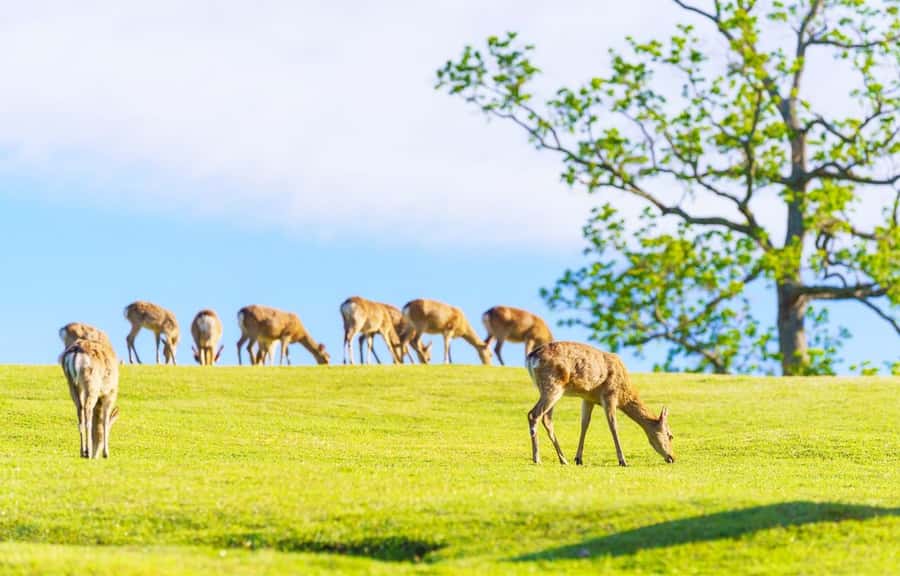
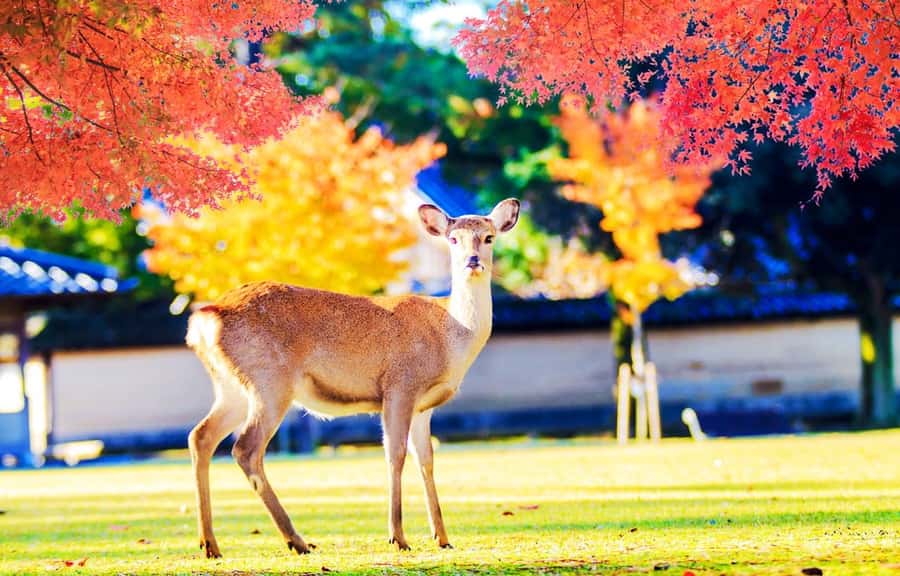
After Fushimi Inari, the tour shifts to Nara Park, where nature and culture meet in a very direct way. The deer here are free-roaming, and you’ll have time for a photo stop and guided sightseeing for about an hour.
The most practical advantage of this stop is that the tour context gives you “how to act” guidance. You can buy special deer crackers on-site, then offer them politely. Some deer may even bow, which is both adorable and a reminder that these animals respond to calm interactions.
Important caution: if a deer gets too close or you end up surrounded, they can get excited. Keep your distance if things turn frantic. Think of it like sharing space with wildlife, not like feeding a zoo animal.
Todai-ji: a short stop with big scale
Todaiji Temple is included with a photo stop and sightseeing time. The highlight here is scale: it’s home to the world’s largest wooden building and an enormous bronze Buddha statue. Even with a short visit window, that kind of size registers fast.
A short stop is also a trade-off. You might not have time for deep exploration in side halls, but you’ll still get the “I’ve seen it” moment. If you’re the type who wants to linger for details, I’d treat this as a quick hit and consider a longer visit if you’re in Nara another day.
Timing and crowds: the main thing that can affect your day
This itinerary is well-structured, but it’s still a shared group tour with road travel and multiple stops. Weather and crowds can change how much time you get at each site. One feedback note called out that the announced weather expectations didn’t match what happened on-site, which affected how much you could enjoy the surroundings.
Also, traffic can eat into your buffer time. If the day runs behind schedule, some attractions may be shortened or rescheduled. The tour itself recommends you avoid booking other plans right after the tour ends—this isn’t just caution, it’s practical advice for keeping stress low.
Price and value: is $61 a good deal for a 10-hour day?
At about $61 per person for 10 hours, the value comes less from a “cheap” sticker price and more from what’s bundled. You’re getting round-trip air-conditioned bus transport, a multilingual guide, expressway tolls, fuel costs, and parking fees.
The two things not included are lunch and personal expenses. That means you’re responsible for food choices, snacks, and whatever you buy in shops along the streets. You may also choose to pay for kimono rental separately.
So the real question for you is this: do you want to pay to remove the logistics burden? If yes, the price looks fair. If you’re the type who enjoys planning your own routes and changing trains like it’s a hobby, you might spend less by DIY—but you’ll also spend time and energy.
What to bring (and what to do before you go)
Wear comfortable shoes. The distance from the parking lot to attractions is relatively long, and you’ll be walking through temple areas and historic streets. Bring a camera if you want to capture the torii-gate tunnel, the alley vibe near Kiyomizu-dera, and the deer moments in Nara.
Bring cash. The tour tips point out cash as useful, and it’s especially relevant for on-site purchases like deer crackers and any optional extras like kimono rental.
One more practical note: you should receive an email the evening before with important details about the guide and driver information. Check your inbox and spam/junk folder. And arrive at the meeting point at least 15 minutes early since there are many tour groups in the area.
Who this tour suits best (and who should rethink it)
This is a strong fit if you want:
- A guided day hitting the big Kyoto + Nara icons
- Less hassle with transport between cities and major stops
- Time to explore streets around Kiyomizu-dera without losing the day schedule
It’s less ideal if you:
- Need a fully flexible pace with long stays at each site
- Don’t do well with crowds or schedule changes due to traffic and weather
- Use a wheelchair (this tour is not suitable for wheelchair users)
Should you book this Kyoto and Nara World Heritage Day Tour?
I’d book it if your priority is getting to the core places—Kiyomizu-dera, Fushimi Inari’s torii gates, Nara Park deer, and a Todai-ji scale hit—in one managed 10-hour outing. The bundled transport and guided help are exactly what make it feel like a good deal.
I’d skip or adjust expectations if you’re hoping for a relaxed, unhurried day with zero timetable pressure. The biggest risk here isn’t the sights—it’s that weather, crowds, and road conditions can shorten time at stops, and the day can feel rushed if you get delayed early.
If you do book, plan your day around this tour and leave extra time after you return to Osaka. Then you can enjoy the icons instead of worrying about the clock.
FAQ
How long is the Kyoto and Nara World Heritage Day Tour?
The tour lasts 10 hours.
Where does the tour start and where does it end?
There are two starting location options, and the drop-off location is only in Osaka.
What’s included in the price?
Round-trip transportation by air-conditioned bus, a multilingual tour guide, expressway tolls, vehicle fuel cost, and parking fees are included.
Is lunch included?
Lunch is not included.
What languages are available for the guide?
The live guide is available in English, Traditional Chinese, and Japanese.
Is there a kimono rental option?
Yes, kimono rental is optional, self-paid, and arranged so you can pick up near Kiyomizu-dera and return it near Fushimi Inari.
What should I bring for the day?
Bring comfortable shoes, a camera, and cash.
Is this tour good for deer feeding?
You can buy deer crackers on-site and offer them politely. Be cautious if you get surrounded, since the deer can get excited.
Can I visit Todaiji Temple on this tour?
Yes. Todaiji is included as a photo stop and sightseeing time, and entry fee is required.
Is this tour suitable for wheelchair users?
No, it is not suitable for wheelchair users.