REVIEW · PARIS
Paris: Jewish Quarter & Museum of the Art and History Tour
Book on GetYourGuide →Operated by Lille Local Tours · Bookable on GetYourGuide
Paris has layers, and this route follows them. I like how the Jewish Quarter grounds you in real places, from synagogues to memory sites. The guide keeps the story tied to what you’re actually looking at.
Second, I really value the skip-the-line museum option (when you choose the right time slot). You get to pair street history with artifacts and archives inside the Museum of Jewish Art and History. That combination is what makes the tour feel complete.
One possible drawback: timing and meeting details matter. There can be start-time confusion, so double-check the email you receive the day before and arrive a bit early.
In This Review
- Key things to know before you go
- Where the story of Paris Judaism lives: Le Marais, Île de la Cité, and the Museum
- Starting point at Statue d’Étienne Marcel: how to avoid meeting-day stress
- The 2-hour core route: Hôtel de Ville history, Île de la Cité, and the Deportation Martyrs Memorial
- Le Marais on foot: the synagogue stops that give the tour its spine
- Agoudas Hakehilos Synagogue: early 1900s immigration and Orthodox community life
- Synagogue des Tournelles: Place des Vosges and older Paris planning
- The 4-hour option: Museum of Jewish Art and History with skip-the-line entry
- The 5.5-hour option: why private car transfers can change the day
- Price and value: how $200 per person makes sense (or doesn’t)
- What to watch on tour day: timing, meeting spot, and museum entry
- Who this tour is best for
- Should you book this Paris Jewish Quarter & Museum tour?
- FAQ
- How long is the Paris Jewish Quarter and Museum of Jewish Art and History tour?
- Where do I meet the guide?
- What’s included in the 2-hour option?
- Does the tour include the Museum of Jewish Art and History?
- Is skip-the-line entry included?
- Do you offer pickup from my accommodation?
- What languages are available for the guide?
- Is the tour wheelchair accessible and is it private?
- Can I cancel for free?
Key things to know before you go

- Start at Île de la Cité + the Marais: you move through multiple historic neighborhoods, not just a single street.
- Two key synagogue stops: Agoudas Hakehilos and Synagogue des Tournelles anchor the religious story.
- A serious WWII moment: the Deportation Martyrs Memorial is part of the flow, not an add-on.
- Museum choices match your time: skip-the-line is only included for the 4-hour and 5.5-hour options.
- Optional private car transfer: only the 5.5-hour option includes pickup/drop-off from your accommodation.
Where the story of Paris Judaism lives: Le Marais, Île de la Cité, and the Museum
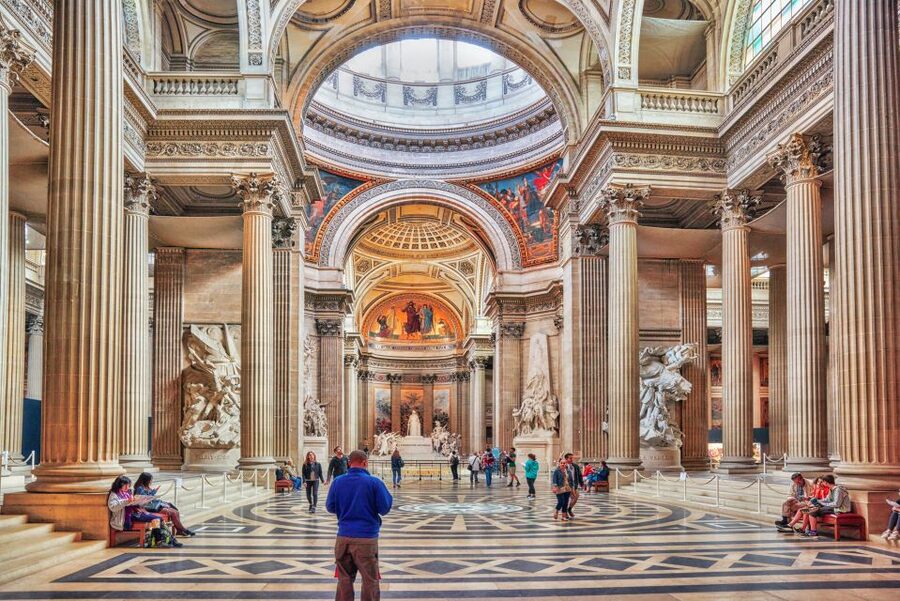
If you want Jewish history in Paris in a way that feels grounded (not like a lecture), this tour is built for that. You’ll walk through Le Marais, then connect it to earlier chapters on Île de la Cité, and finish with museum time if you select the longer options.
Le Marais matters because it became a core commercial and community center for Paris’s Jewish population after major upheavals. On this tour, you’ll see that history in everyday terms: streets, buildings, places of worship, memorials, and the kind of community life that still shows up today in shops and kosher restaurants.
The museum option is where the tour shifts from walking-and-looking to slowing down. Inside, you’ll find religious objects, archives, manuscripts, and art tied to Jewish life across Europe and North Africa. That’s a big reason this experience feels practical, not just emotional.
You can also read our reviews of more tours and experiences in Paris.



Starting point at Statue d’Étienne Marcel: how to avoid meeting-day stress
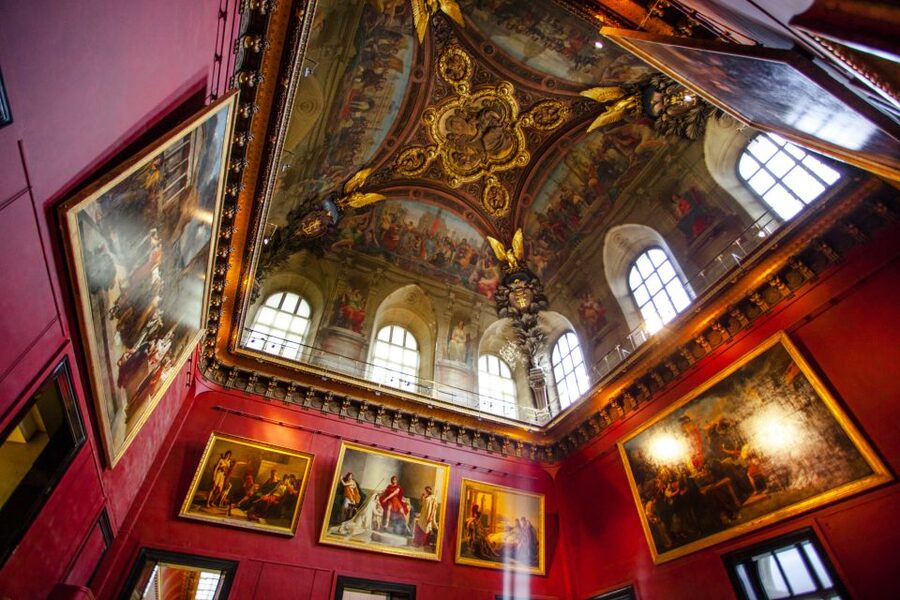
You meet your guide in front of the Statue d’Étienne Marcel at 1341 Quai de l’Hôtel de ville, 75004 Paris. From there, the tour links quickly into the historical center—especially around the Hôtel de Ville area.
Here’s the thing to plan for: the experience runs on reserved entry time slots for some parts of the day. If you arrive late, you can miss the chance to see everything you paid for in the planned order. I’d set a “no rushing” buffer and show up a little early, even if you’re familiar with the Marais.
Also, check your email the day before the tour. You’ll get important info there, and that’s where timing or meeting-point clarifications are most likely to land.
The 2-hour core route: Hôtel de Ville history, Île de la Cité, and the Deportation Martyrs Memorial
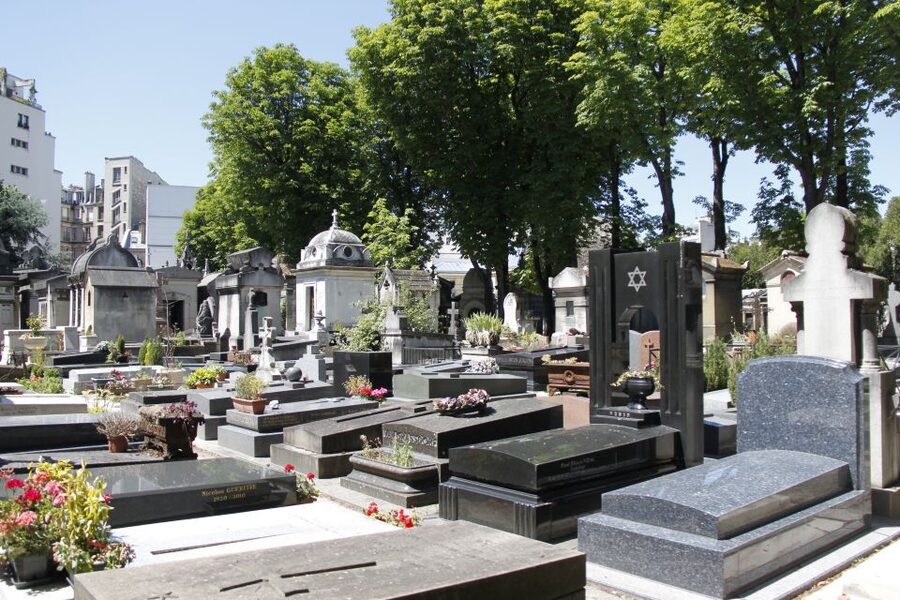
The 2-hour option is focused and dense in a good way. It starts at the Courtyard of the Hôtel de Ville—an easy anchor point because it ties history to a real administrative site in central Paris.
From there, your guide connects the story of expulsions and emancipation over centuries. You’ll hear the thread start as far back as the First Crusade and move through major eras like the French Wars of Religion and the French Revolution. The practical value for you is that the guide turns big dates into “why it changed daily life” moments—who was allowed to live, where they could belong, and what power structures shaped those rules.
Then you head toward Île de la Cité and the Notre Dame area. This part of the walk helps you understand why certain locations mattered in older Paris, long before Le Marais became the main stage for community life.
Finally, you visit the Deportation Martyrs Memorial. This stop is about what happened to the French-Jewish population during the Holocaust and the reality of being sent to Nazi concentration camps. You don’t just see a plaque and move on; your guide explains what the community faced and how it survived and rebuilt afterward.
If you’re choosing the 2-hour option, treat it like a strong “orientation.” It gives you emotional context and geographic clarity, but you’ll only get deeper museum material if you add the 4-hour or 5.5-hour choices.
Le Marais on foot: the synagogue stops that give the tour its spine

Le Marais is one of those neighborhoods where history doesn’t sit behind ropes. As you walk, you’ll pass Jewish shops, bookshops, and kosher restaurants—small details that help you picture how community life shows up beyond the museum walls.
The itinerary highlights two synagogue-related stops that make the religious story easier to grasp.
Agoudas Hakehilos Synagogue: early 1900s immigration and Orthodox community life
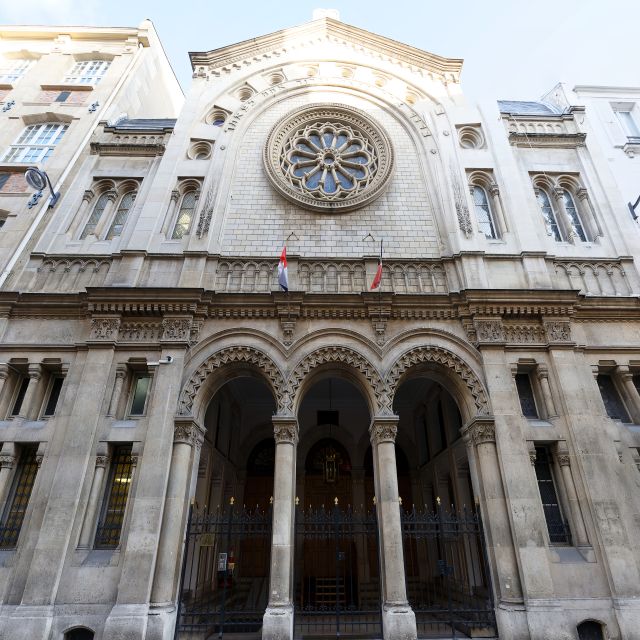
You’ll see the Agoudas Hakehilos Synagogue, built in the early 1900s. Your guide explains how it was supported by a wealthy Orthodox group of Jews who immigrated from Poland and Russia.
This matters because it’s not just about architecture. It’s about networks: where people came from, how they organized, and how they built institutions in their new home. Even if you’re not religious, you’ll come away with a clearer sense of how communities recreate stability after migration.





Synagogue des Tournelles: Place des Vosges and older Paris planning
Another key stop is the Synagogue des Tournelles, located next to Place des Vosges, which is the oldest planned square in Paris. The square adds an extra layer: you’re seeing the overlap between city design and religious community presence.
This is where I’d suggest you slow down for photos and for just looking at the edges—street corners, entryways, and how the synagogue sits in the city grid. Those details help you remember the story later, when you’re back in your own neighborhood and trying to picture Paris geography from memory.
The 4-hour option: Museum of Jewish Art and History with skip-the-line entry
If your goal is to connect street history to objects and documents, pick the 4-hour option. This is the moment the tour stops being only about walking and starts being about evidence.
You’ll visit the Museum of the Art and History of Judaism with skip-the-line tickets. That time-saver matters in Paris, where waiting can eat into whatever energy you have left. The practical benefit is that you keep your momentum and spend more of your limited time actually inside the museum.
Outside, you’ll see a statue of Alfred Dreyfus. He was a French-Jewish officer convicted for treason in 1894. Your guide uses this to frame how Jewish identity intersected with politics and public life—something you can’t fully grasp from synagogue stops alone.
Inside the museum, expect permanent and temporary exhibitions on Jewish history in Europe and North Africa. You’ll also get hands-on context through religious objects, archives, manuscripts, and artworks. The museum’s collection includes paintings by Marc Chagall and works by Amedeo Modigliani, which are a strong bridge between Jewish history and broader European art.
For you, the best value of this museum time is that it gives you names, objects, and context you can later turn into questions. After you leave, it’s easier to understand what you’re looking at when you see Jewish references across Paris—because you’ve had a place to anchor them.
The 5.5-hour option: why private car transfers can change the day
If you’re short on walking stamina, traveling with someone who gets tired, or simply want the day to feel smoother, the 5.5-hour option adds an extra advantage: private transportation.
This option includes the walking tour of the Old Jewish Quarter, museum time, and private car transfers from your Paris accommodation. That means you can start the experience without worrying about getting yourself across town at the exact right moment.
It also helps if you’re combining this with other plans later. You’re more likely to arrive refreshed, and you’re less likely to lose time hunting for the right pickup point.
The trade-off is obvious: you’re paying for added service and the extra time. But if the goal is comfort plus depth, it’s a fair trade, especially when skip-the-line museum entry is part of the deal.
Price and value: how $200 per person makes sense (or doesn’t)
At $200 per person, this tour isn’t the cheapest way to see Paris. The value depends entirely on which option you select.
Here’s the logic:
- If you book the 2-hour option, you’re mostly paying for the guided walking story and key sites, without the museum skip-the-line and without private car transfers.
- If you book the 4-hour option, you’re getting the museum visit plus skip-the-line entry, which usually makes the largest difference in practical value.
- If you book the 5.5-hour option, you’re adding museum time and private car pickup/drop-off, which helps when logistics are part of the stress of your trip.
So, ask yourself one question: do you want the museum to be part of your Paris plan? If yes, don’t treat the 2-hour version as a “maybe.” Choose the option that includes the museum experience you’re actually after.
What to watch on tour day: timing, meeting spot, and museum entry
The most important heads-up from real experience is timing. There has been confusion about start times and meeting coordination, and that can lead to missed sightseeing or a shortened day.
You can avoid most of that with three simple moves:
1) Arrive a few minutes early at the Statue d’Étienne Marcel meeting spot.
2) Read the email the day before for any timing clarifications.
3) Give yourself slack—Paris has traffic, weather, and crowds that can slow you down even if you’re prepared.
Because museum entry can be tied to reserved slots, late arrival can knock the schedule off track. If you want the museum and memorial stops to land properly, treat punctuality as part of the experience, not as a boring admin task.
Who this tour is best for

This is a great match if you:
- Want Jewish history in Paris tied to real places, not just generalized facts.
- Like a guide to connect centuries of change into a walkable story.
- Prefer a focused route that includes both community sites and memorial context.
It can also suit art lovers if you choose the museum option, because the collections include notable names like Chagall and Modigliani.
If you’re the type who dislikes structured schedules, the 2-hour option may feel more manageable. If you want a longer, more complete picture, the 4-hour or 5.5-hour versions are the ones to aim for.
Should you book this Paris Jewish Quarter & Museum tour?
I’d book it if you want your Paris day to feel meaningful and well paced, with a real mix of streets, synagogues, memorials, and museum learning. The big selling point is the way the tour pairs location-based storytelling with museum context—especially on the 4-hour and 5.5-hour options.
I’d skip it (or at least choose your timing carefully) if you know you struggle with meeting points, strict time slots, or arriving on time when plans get tight. In that case, the risk isn’t the content—it’s the logistics. Fix that with extra buffer time and you’ll be in good shape.
FAQ
How long is the Paris Jewish Quarter and Museum of Jewish Art and History tour?
The duration options range from 2 hours to about 5.5 hours, depending on what you choose.
Where do I meet the guide?
You meet in front of the Statue d’Étienne Marcel, 1341 Quai de l’Hôtel de ville, 75004 Paris, France. The tour ends back at the meeting point.
What’s included in the 2-hour option?
The 2-hour option focuses on a walking tour of Jewish history sites, but it does not include skip-the-line museum tickets and does not include private car pickup/drop-off.
Does the tour include the Museum of Jewish Art and History?
Yes, the museum visit is included in the 4-hour option and the 5.5-hour option, with skip-the-line tickets.
Is skip-the-line entry included?
Skip-the-line tickets are included only for the Museum of Jewish Art and History in the 4-hour and 5.5-hour options. The 2-hour option does not include them.
Do you offer pickup from my accommodation?
Pickup and drop-off by private car are included only in the 5.5-hour option.
What languages are available for the guide?
The tour offers live guidance in English, German, French, Italian, Spanish, Russian, and Polish.
Is the tour wheelchair accessible and is it private?
The tour is listed as wheelchair accessible and it runs as a private group.
Can I cancel for free?
Yes. There’s free cancellation up to 24 hours in advance for a full refund.