REVIEW · ROME
Rome: Ancient Baths of Caracalla Ticket & Audio Guide
Book on GetYourGuide →Operated by Vox City International · Bookable on GetYourGuide
Roman baths still know how to impress. At the Baths of Caracalla, you walk among huge ruins and follow a self-paced audio guide that points out 17 spots and explains the Roman tech behind the heating system. It’s one of those places where the stones start telling the story once you know what to look for.
I especially liked two things: the way the audio makes the complex feel practical and daily-life real, and the chance to spot preserved details like mosaics while you take photos. One key caution: this visit is very dependent on your phone and headphones working, and if the audio doesn’t load or you can’t find the start, you’ll lose a lot of the value.
In This Review
- Key things to know before you go
- Roman baths that feel like a whole neighborhood
- Getting your audio guide working before you enter
- How the visit flows: pool, gymnasium, and massage rooms
- Hypocaust heating: the Roman tech lesson you can actually see
- Mosaics and marble details: what to photograph without wasting time
- Dress code and site rules that can trip you up
- How much time you really need for two hours
- Price and value: what you get for around $20
- Who this self-guided audio visit fits best
- A few honest travel expectations (including winter reality)
- Should you book the Baths of Caracalla audio ticket?
- FAQ
- How long is the Baths of Caracalla visit?
- What languages are included in the audio guide?
- Do I need headphones?
- How do I get my ticket and audio guide?
- What dress code should I follow?
- Is the site wheelchair accessible?
Key things to know before you go
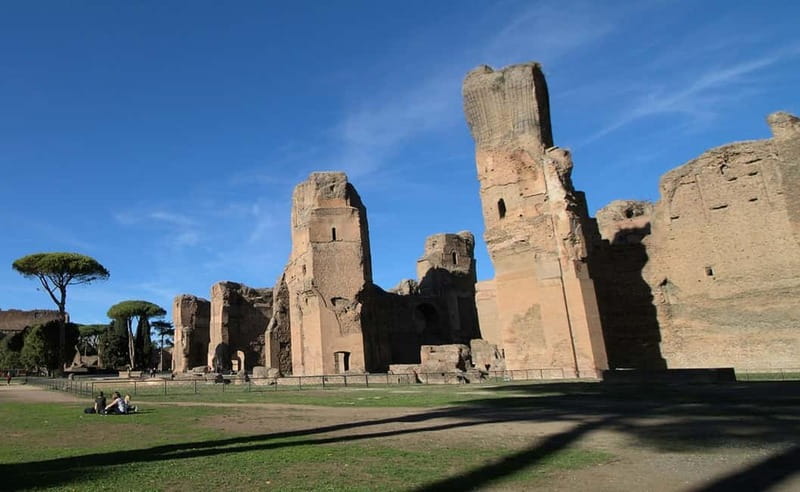
- Second-largest imperial baths: Caracalla’s scale makes it feel less like ruins and more like a Roman neighborhood.
- Hypocaust heating explained: You’ll understand how the Romans heated bath spaces using an under-floor system.
- 17 points of interest at your pace: You control the speed, and you can spend longer on what grabs you.
- Mosaics and decorative fragments: The ruins still hold onto visual wow moments for photos.
- E-ticket plus audio via QR code: Plan your setup before arrival and bring your own headphones.
Roman baths that feel like a whole neighborhood
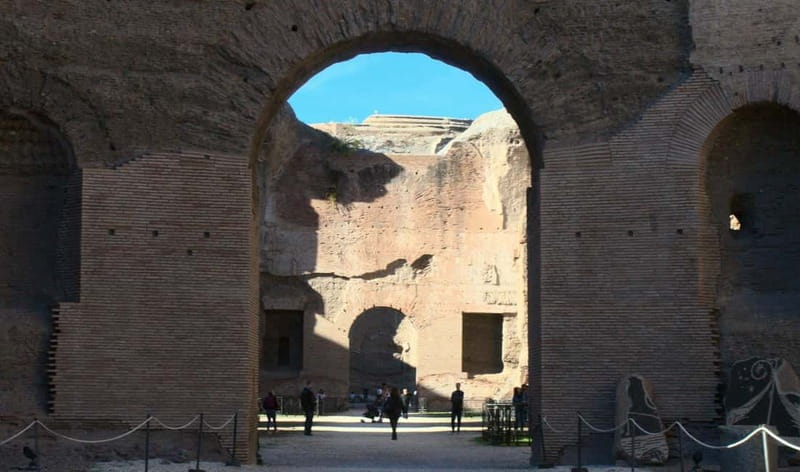
The Baths of Caracalla aren’t a small stop. They’re massive, sprawling, and built for crowds. Under emperors Septimius Severus and Caracalla, this was an imperial leisure center, open to the public, and you can feel that ambition even in ruins. The complex includes spaces that suggest different stages of a bath routine, from gym-style areas to rooms devoted to comfort.
What makes this more than just “cool old rocks” is that the audio guide is built around how the baths actually worked. Instead of treating the site like a museum display, you’re nudged to look for clues: where heating would have mattered, where people gathered, and why certain rooms existed inside a full-day routine.
You’ll also get a bonus audio guide for Rome landmarks, so your trip doesn’t have to stop at Caracalla. It’s a nice way to keep your Rome brain switched on.
You can also read our reviews of more tours and experiences in Rome.

Getting your audio guide working before you enter
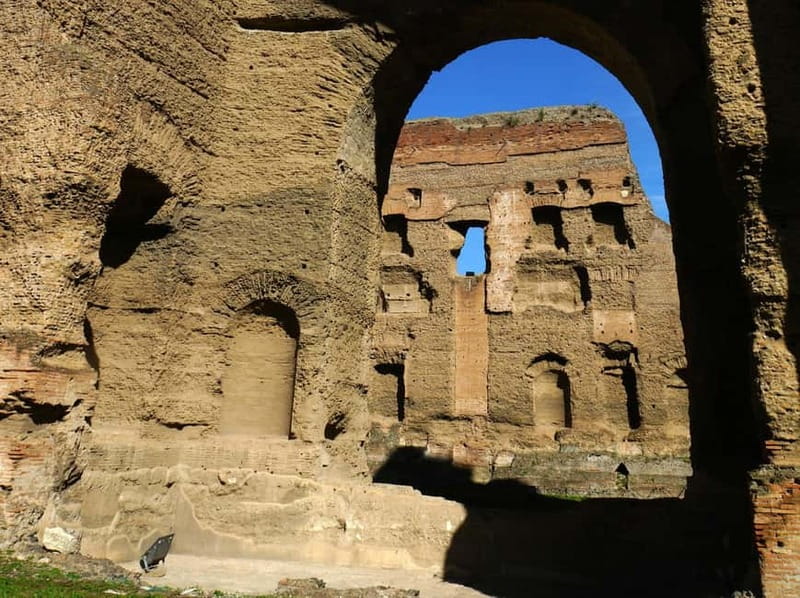
This is the big practical piece. Your tour is self-guided, so the experience lives or dies by setup.
You’ll receive an e-ticket in a digital format that’s available for download and sent via Whatsapp within 24 hours of your travel date. On arrival day, go straight to the main entrance at Viale delle Terme di Caracalla, 00153 Rome. Keep your ticket downloaded and ready to show. Then scan the QR code on your voucher to download the audio guide before you arrive.
Bring your own headphones. A mobile device is also on you, since headsets and the phone aren’t included. Also, keep your smartphone charged. This kind of ruin walk can eat battery life, especially if your screen stays on.
Finally, don’t wear the wrong clothes. The dress code is real. No flip flops or sandals, no shorts, and no sleeveless tops. That sounds strict, but it keeps the site comfortable for everyone and protects the grounds.
How the visit flows: pool, gymnasium, and massage rooms
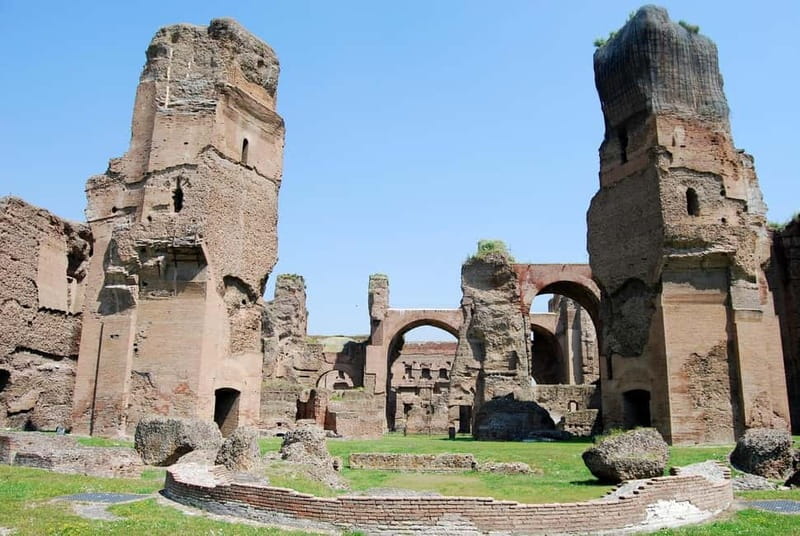
Once you start, you’re essentially walking through a sequence of bath life. The audio guide doesn’t just list history. It helps you connect room types to human behavior: exercise first, then the bath process, then comfort and recovery spaces.
You’ll move through multiple areas that add up to one big system. One major stop is the swimming pool area. Even if parts feel unfinished or weathered, the layout makes the function obvious once you’ve heard how it was meant to be used.
You’ll also spend time around what the audio frames as the gymnasium and massage rooms. These spaces matter because they explain why the complex wasn’t only about washing. It was a leisure center. People came to socialize, work out, and get treated like this was everyday life, not a special occasion.
The pace is yours. You get 2 hours, but you’re free to linger when something clicks. In practice, the best strategy is simple: let the audio guide point you to a room, look around for the structural clues it mentions, and then pause long enough to take photos without rushing.
Hypocaust heating: the Roman tech lesson you can actually see
One of the reasons Caracalla is such a strong stop is the heating system. The baths used a hypocaust, which basically means heated air circulated to warm spaces. This wasn’t random guesswork. It was engineered.
When you follow the audio guide, you learn what to look for as you walk. You’ll connect the dots between the bath rooms and the system that made warmth possible. That’s where the audio helps most: ruins can look confusing if you don’t have a mental model. With the hypocaust explanation, you start seeing patterns instead of just empty walls.
This is also why the visit is worth doing even if you’ve seen other Roman sites. Caracalla teaches a very Roman skill: turning science into public comfort. It’s architecture that does something, not just architecture that tells a story.
Tip for your photos: aim your camera at structural angles that show layout. Wide shots help, but so do close-ups where stonework and surfaces hint at how areas were used.
Mosaics and marble details: what to photograph without wasting time
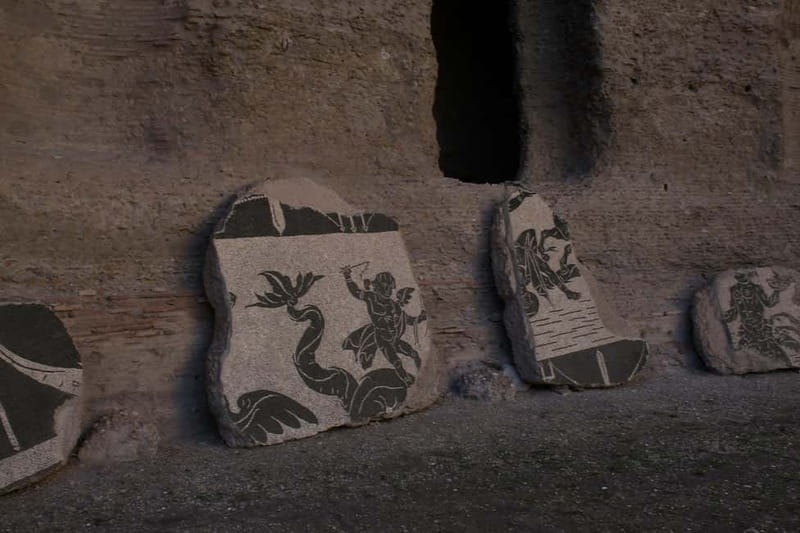
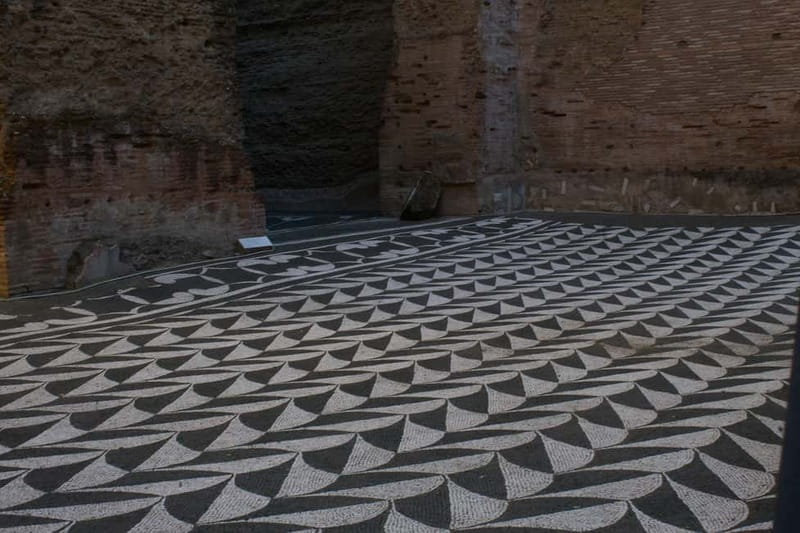
Caracalla isn’t all bare stone. You can spot preserved mosaics and decorative fragments. The audio guide encourages you to stop and look, not speed through.
If you like photography, I’d treat this as your “pause and frame” moment. You’ll likely get a few nice shots of mosaic patterns and marble-like surfaces. The trick is to slow down just enough to avoid shaky pictures. Step back for the full pattern, then move in for texture.
Another fascinating detail tied to the site’s long afterlife is that stones from the baths were eventually used in the construction of St Peter’s Basilica. You don’t need to be a Roman-history scholar to appreciate that. It’s a reminder that old buildings didn’t disappear in a vacuum. Rome recycled its resources, and the city kept building on itself.
When you’re photographing, keep an eye on what the audio guide highlights. It helps you aim at the “why this matters” spot, not just the most photogenic corner.


Dress code and site rules that can trip you up
You don’t want to lose time at the entrance fussing with your outfit. The rules are clear: no flip flops or sandals, no shorts, and no sleeveless tops.
Plan for comfortable walking shoes. Even if some areas look flat, you’re on archaeological ground, which can be uneven. In winter, you might also find that parts of the site are closed for restoration or renovation. That doesn’t ruin the visit, but it does change what you’ll be able to see in person.
My advice is to check your expectations. You’re going to see ruins and preserved pieces, not a fully polished indoor experience. The audio guide helps bridge that gap by explaining what you’re looking at and how it functioned.
Also, pack basic sanity items: water if you’ll be there near midday in warmer months, and headphones that work well with your phone.
How much time you really need for two hours
The ticket is set for 2 hours. That’s enough time to follow most of the audio points without feeling like you’re sprinting. Still, you should decide what kind of visitor you are.
If you like architecture and engineering, you’ll probably want extra attention on the hypocaust explanations and any structural cues tied to heating and room functions. If you’re more about photos, you’ll want a slower loop around mosaics and decorative areas.
The best way to protect your time is to treat the audio guide like a route, not like background noise. When it tells you to look for something, do it right then. If you wait until later, you’ll forget what angle or feature you were supposed to notice.
And don’t assume you can do this while texting nonstop. Screens drain batteries and create slowdowns, especially if you’re walking and trying to keep track of the audio.
Price and value: what you get for around $20
At about $20 per person, this is one of those deals that makes sense if you use the audio properly. You’re not only paying for entry. You’re also getting an audio guide experience designed for self-paced learning, plus an audio guide for Rome landmarks.
That matters because the Baths of Caracalla are easier to enjoy with context. Without explanation, you’ll still admire the scale, but you’ll miss the “why it worked” part. The audio turns the ruins into a working model in your head.
The value gets even better if you want flexibility. You’re not stuck in a group schedule. You can slow down when something makes you pause, and you can move on when a room isn’t grabbing your attention.
The main value risk is if your tech fails. If you show up without working headphones or your audio download doesn’t take, the “payoff” drops. So your best investment is also simple: confirm your audio setup before you start walking deep into the site.
Who this self-guided audio visit fits best
This works best for you if you want independence and you like learning while you walk. If you’d rather wander without matching your pace to a group, the self-guided format is a plus.
It’s also a great fit if you’re curious about Roman engineering. The hypocaust explanation isn’t fluff. It’s a real technical story you can connect to visible parts of the complex.
On the other hand, it may not be the best choice if you prefer a live guide who can re-explain on the spot, especially for language. The audio includes multiple languages, but if a specific language track doesn’t load correctly for you, you’ll feel stuck.
Also, if you hate phone-based experiences—like you find downloading apps annoying or you frequently lose signal—this might feel like extra friction. The ruins themselves are calm. The setup is where the stress is.
A few honest travel expectations (including winter reality)
This site can be affected by weather and maintenance. In winter, some parts may be closed for restoration or renovation. That doesn’t mean the whole visit is worthless. It just changes what you’ll see.
If a section is closed, you may still be able to follow most of the audio points, but you’ll naturally miss certain views or room cues. That’s when it helps to keep your mindset flexible: you’re there for the overall engineering story and the scale of the complex, not for perfect access to every corner.
If you’re visiting in colder months, dress for walking outside and don’t expect the same level of “smooth viewing” you might get at more fully stabilized attractions.
Should you book the Baths of Caracalla audio ticket?
Book it if you want a self-paced Roman engineering lesson, plus time to photograph mosaics and decorative pieces. The audio guide makes Caracalla much easier to read, and the hypocaust focus is exactly the kind of detail that turns ruins into understanding.
Skip it or think twice if you know you’ll struggle with phone setup, charging, or downloaded audio. This experience is practical and rewarding when it’s working; it’s less satisfying when it isn’t.
If you’re in the middle—curious, but not tech-happy—I’d still recommend it. Just do one thing before you go: confirm your ticket, scan the QR code, download the audio, and test your headphones right at the entrance.
FAQ
How long is the Baths of Caracalla visit?
The experience is set for 2 hours.
What languages are included in the audio guide?
The audio guide is available in English, Spanish, French, German, and Italian.
Do I need headphones?
Yes. Headphones aren’t included, and you’ll need your own to listen to the audio guide.
How do I get my ticket and audio guide?
You get an e-ticket available for download, and it’s sent via Whatsapp within 24 hours of your travel date. On arrival, scan the QR code on your voucher to download the audio guide.
What dress code should I follow?
No flip flops or sandals, no shorts, and no sleeveless tops.
Is the site wheelchair accessible?
Yes, the experience is wheelchair accessible.