REVIEW · SEOUL
Korean History & Heritage Tour
Book on Viator →Operated by KoreanTourGuide · Bookable on Viator
Seoul’s heritage unfolds block by block. This private Gangbuk day strings together palace power, Buddhist life, and everyday Joseon-era scenes, with smooth car rides between stops. I like how the schedule mixes big sights with smaller, human-scale places like Bukchon and Insadong, so your brain doesn’t feel like it’s only taking palace photos. One thing to plan for: you’ll be on foot at multiple locations, and only some admissions are free.
What I really love about this tour is the comfort and control. You get a car with hotel pickup and drop-off across Seoul, plus time windows that let you see the Changing of the Guard at Gyeongbokgung and still move on to museums and neighborhoods. I also like that you’re not just watching history from behind a fence; you get guided context that connects how people lived, not only what kings built. The main drawback is that the Gyeongbokgung Palace ticket isn’t included, and you should expect at least some walking that adds up across a 7-hour day.
In This Review
- Key Highlights You’ll Feel Immediately
- Why Gangbuk Works So Well for a First Seoul Day
- Gyeongbokgung Palace and the Changing of the Guard: More Than a Photo Stop
- National Folk Museum of Korea: Birth, Life, Death, and What Comes After
- Bukchon Hanok Village: Seeing a Living Neighborhood, Not a Set
- Insadong: Royal Art Connections and an Antique-Minded Stroll
- Jogyesa Temple and Cheonggyecheon Stream: Faith to City Story
- Kwangjang Market: 600 Years of History You Can Eat
- Price and Logistics: Is $475 Good Value for a Private Day?
- Who This Seoul Heritage Day Is Best For
- Should You Book This Korean History & Heritage Tour?
- FAQ
- FAQ
- How long is the Korean History & Heritage Tour?
- What’s the price and group size?
- Where does hotel pickup and drop-off happen?
- What time does the tour start?
- Do I need to pay for Gyeongbokgung Palace admission?
- Are admissions included for the other stops?
- Is lunch included?
Key Highlights You’ll Feel Immediately
- Hotel pickup and drop-off across Seoul means fewer transfers and less time wrestling with buses
- Private group up to 6 keeps the pace humane, especially when you’re stopping for photos and explanations
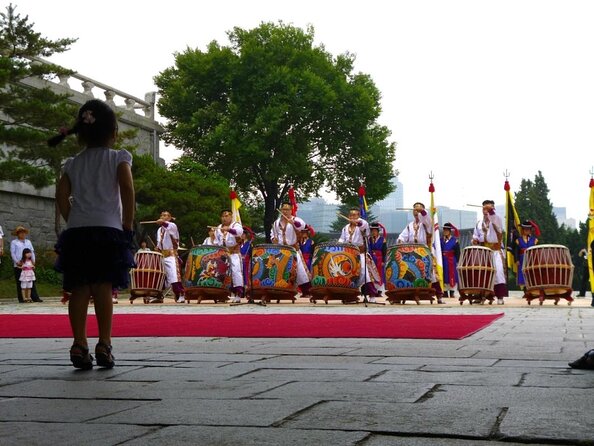
- Gyeongbokgung Changing of the Guard plus palace time gives you more than a quick look
- National Folk Museum focus on life cycles, including afterlife themes
- Bukchon and Insadong show living tradition and royal-era art culture in the same day
- Kwangjang Market history in food form, from linens to street snacks
Why Gangbuk Works So Well for a First Seoul Day
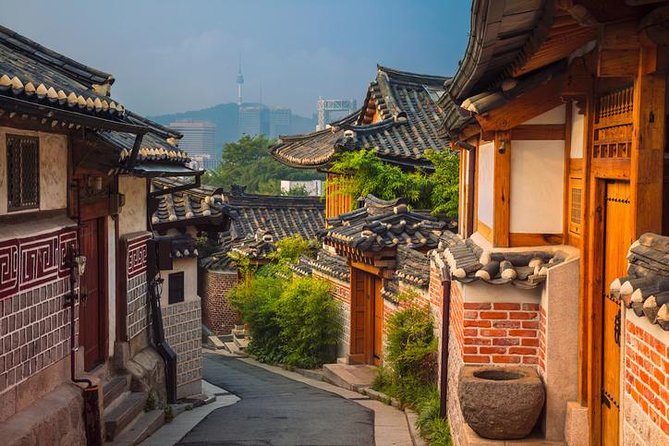
Gangbuk is where you get classic Seoul vibes without feeling like you’re trapped in the same Instagram loop. You get palaces and temples, yes, but also neighborhoods where tradition still shows up in daily life. The whole idea is a “from court to street” route, using the Joseon Dynasty as the backbone for what you see.
You’ll likely start the day with Gyeongbokgung Palace, then move through cultural stops that explain how people lived—birth, work, beliefs, and death—before finishing at places where you can taste and shop. The big win is pacing. Most group tours cram too much into too little time. Here, each stop gets a clear slice of attention, and the air-conditioned vehicle helps you keep energy for walking.
The private format also matters more than you might think. With a small group, you can ask questions when something feels confusing—like how these institutions connected to daily life—and your guide can adjust the tempo instead of rushing everyone through.
You can also read our reviews of more tours and experiences in Seoul.
Gyeongbokgung Palace and the Changing of the Guard: More Than a Photo Stop
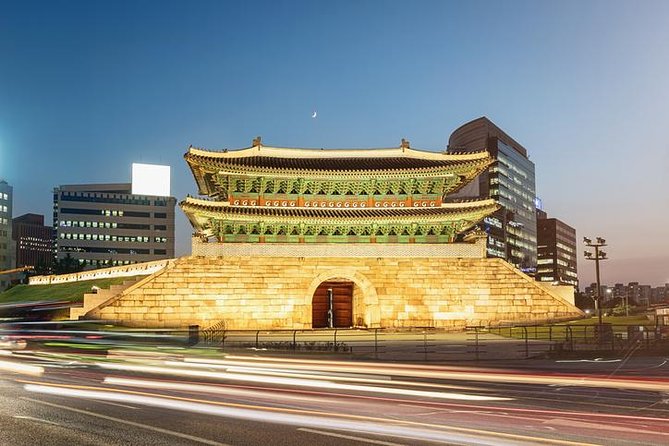
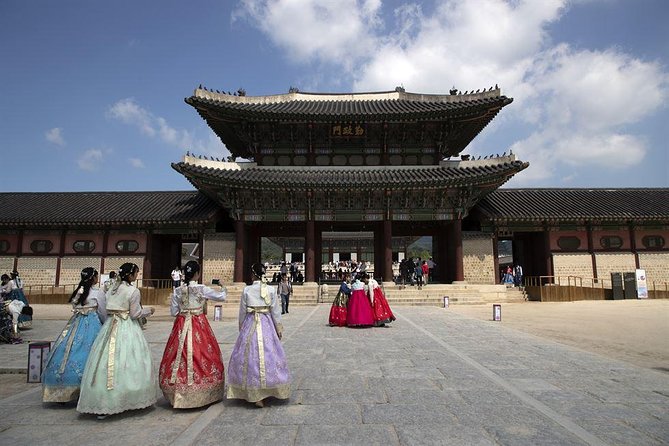
Gyeongbokgung Palace is the headline for a reason. It’s where you can feel the scale of Joseon-era power through gates, courtyards, and formal layouts. The tour aims for the Changing of the Guard Ceremony, then you’ll go deeper into the palace grounds for architecture and royal-life context.
A 45-minute slot can sound short until you think about what’s happening: you’re not only moving through spaces, you’re also waiting for the ceremony moment and taking in the surrounding layout. If you’re the type who likes details—what you’re seeing, why it looks the way it does—this stop tends to click, because the guide time is meant to turn seeing into understanding.
One practical consideration: the Gyeongbokgung Palace admission ticket is not included. Budget for that in advance so the day feels smooth. Also, palace surfaces can be uneven and weather matters. Wear shoes you’d actually trust for multiple stops across the day.
National Folk Museum of Korea: Birth, Life, Death, and What Comes After
After the palace, the tour shifts you from royal spectacle to everyday patterns of life. At the National Folk Museum of Korea, the focus is built around human milestones: birth, daily life, death, and even afterlife concepts. That structure is useful because it stops you from treating everything like isolated artifacts.
You’ll get about 30 minutes here, so you won’t be reading every label from floor to ceiling. Instead, you’ll want to follow the guide’s thread and let it shape what you notice. If you’re curious about how culture explains the big questions—like what happens after death or what rituals meant—this stop gives you a framework to carry into the rest of the day.
Admission here is free, which helps keep the day’s costs reasonable. Time is still the limiting factor, so come in ready to absorb the main themes rather than hunting for every exhibit.
Bukchon Hanok Village: Seeing a Living Neighborhood, Not a Set
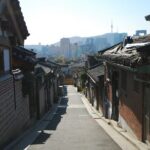
Bukchon Hanok Village is one of those places where it’s easy to forget you’re standing in a real residential area. The tour’s time window is about 40 minutes, which is enough to get oriented, notice architectural details, and understand how people use these spaces today.
If you’ve seen hanok photos online, this stop helps you connect the dots in person. You’ll see the way traditional structures are arranged and you’ll get guide explanations about what you’re looking at—rooflines, building style, and the neighborhood layout. That turns “pretty buildings” into a sense of how the environment shaped daily life.
A nice bonus: admission is free for this stop. The trade-off is that you’ll be walking through active streets, so keep an eye out for uneven ground and crowd flow near viewpoints.
Insadong: Royal Art Connections and an Antique-Minded Stroll
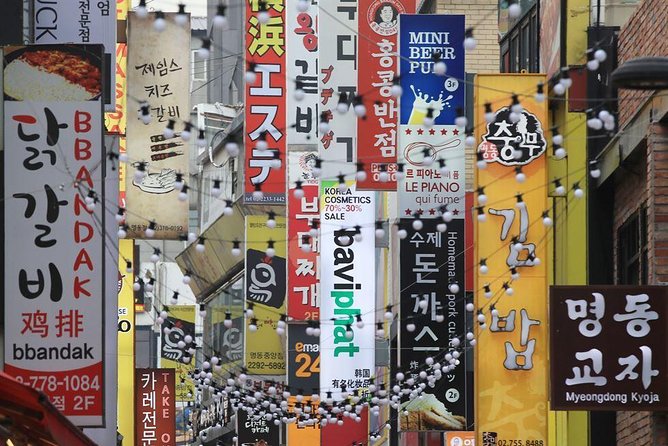
Next comes Insadong, where tradition shows up in shops, crafts, and street culture. The walking time is about 45 minutes, and the focus isn’t just shopping. You’re guided through the idea of a royal guild—where a king commissioned artists and designers—and how that legacy connects to what Insadong became over time.
Then the route shifts into today’s version of the same creative energy: the antique alleyway vibe and souvenir browsing. This is a good stop if you want to buy something meaningful but not just random clutter. If you like crafts, ceramics, calligraphy-related items, or well-made smaller gifts, you’ll probably enjoy having a guide help you interpret what you’re seeing.
This stop is also free in terms of admission, so you can spend your time thinking rather than calculating entry fees. Just remember: Insadong can feel busy depending on the time of day, so if you’re sensitive to crowds, keep your expectations flexible and plan for slower browsing.

Jogyesa Temple and Cheonggyecheon Stream: Faith to City Story
The day doesn’t stay only in court-and-art mode. You’ll visit Jogyesa Temple with about 20 minutes on-site. This temple is tied to Buddhism and was historically connected to Buddhism as a national religion. The value here isn’t just the photos. It’s the context: you learn how religion shaped what people believed and how public life included spiritual practice.
Because the stop is short, you’ll get the most out of it if you treat it like a moment of orientation. Ask yourself what parts of the temple scene look different from Christian or other temple styles you know. Then let the guide point out the features that matter in this tradition.
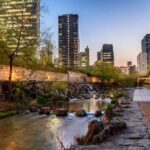
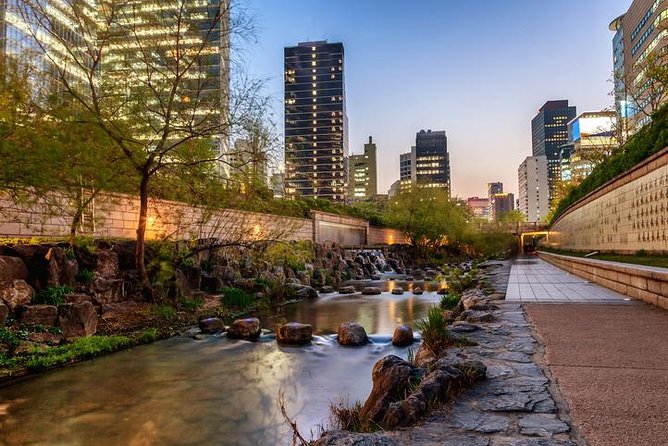
After Jogyesa, you’ll shift outdoors to Cheonggyecheon Stream for about 30 minutes. This is where the tour connects past and present by walking through a stream area and hearing the stories behind it. You get a break from standing inside buildings, and the walk helps reset your energy before the big food finale.
Both Jogyesa and Cheonggyecheon are free stops. The time allocation is practical: short temple visit, city walk, then straight to a market where you can use your senses instead of your schedule brain.
Kwangjang Market: 600 Years of History You Can Eat
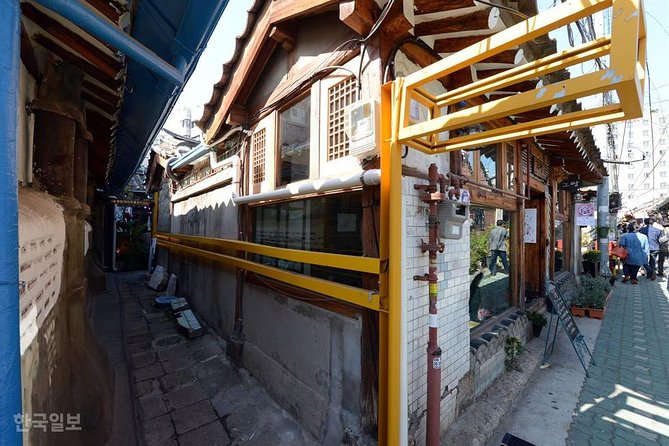
Kwangjang Market is the kind of place where history becomes real because it’s edible. You’ll spend about 30 minutes here, and the big story is how the market started with linens for special occasions and later reinvented itself as a go-to spot for Korean comfort street food carts.
This is a perfect last stop because the day has taught you what to look for visually and culturally. At Kwangjang, you’re finally using taste as part of the experience. Even if you don’t eat everything, the market atmosphere gives your brain a final anchor: the everyday side of Korea, not only the ceremonial side.
The market’s age—around 600 years—adds weight to what you’re seeing. But the real value is that you don’t just walk past food. You get guided direction that helps you understand why this market matters and how it changed over time.
Since lunch isn’t included, this is where you can think about when you want to eat (or snack). If you’re particular about dietary needs, you’ll want to plan ahead so you can still enjoy the market without stress.
Price and Logistics: Is $475 Good Value for a Private Day?
The price is $475 per group, up to 6 people, and the tour runs about 7 hours. That means your per-person cost depends entirely on whether you fill the group.
- If you’re two people, you’re paying roughly $237 per person.
- If you’re four, it’s closer to $119 per person.
- If you’re six, it becomes about $79 per person.
That range is why this tour can feel like a steal for families or small friend groups, and a more expensive pick for solo travelers. The math improves because admissions are free for most stops, and the big ticket here is only the Gyeongbokgung Palace ticket, which isn’t included.
Logistics are also a major part of the value. You get hotel pickup and drop-off free of charge from anywhere in Seoul, and you travel in an air-conditioned vehicle. That saves time and reduces friction—especially on a day with multiple walking segments. You also get a mobile ticket, which is handy for keeping your day organized.
One more practical note: pickup outside Seoul within Gyeongi Province costs an extra $50 surcharge. If you’re staying just outside Seoul, confirm whether you’re still classified as Seoul for pickup.
Who This Seoul Heritage Day Is Best For
This tour fits best if you want structure, not chaos. If it’s your first time in Seoul and you’re trying to understand how Joseon-era life connects to modern Korea, you’ll probably appreciate the order: palace, museum, living village, art culture, temple, stream, market.
It’s also a strong choice if you hate wasting time figuring out transit between far-flung sights. The car and free pickup make a meaningful difference on a compressed schedule.
If you’re the type who wants a lot of downtime, this may feel a bit full. The stops are scheduled, and the day is active. Also, if you want a super long hang at one single site—like spending hours inside palace sections—you might prefer a slower itinerary.
Should You Book This Korean History & Heritage Tour?
Book it if you want a guided, small-group day that moves through Seoul’s traditional heart with less guesswork. The combination of palace ceremony, cultural museum context, living hanok neighborhood time, and a real market finish is a smart way to spend 7 hours.
You should think twice if your group hates walking or if you’re on a strict budget where even one major paid ticket matters. Also, private guides can make or break the experience. If you book, I’d recommend asking early how the day’s car time works versus walking time, so you’re not surprised about where you’ll be dropped off and how far you’ll walk.
Overall, it’s a good value when you can split the $475 among a group, and it’s a solid way to see Gangbuk without turning your day into a transit workout.
FAQ
FAQ
How long is the Korean History & Heritage Tour?
It runs about 7 hours.
What’s the price and group size?
It costs $475.00 per group, with a private group size of up to 6.
Where does hotel pickup and drop-off happen?
Hotel pickup and drop-off are provided free of charge from anywhere in Seoul.
What time does the tour start?
It starts at 9:00 am.
Do I need to pay for Gyeongbokgung Palace admission?
Yes. The Changing of the Guard stop is listed with an admission ticket not included.
Are admissions included for the other stops?
For several stops, admission is listed as free, including the National Folk Museum of Korea, Bukchon Hanok Village, Insadong, Jogyesa Temple, Cheonggyecheon Stream, and Kwangjang Market.
Is lunch included?
No. Lunch is not included.