REVIEW · ROME
Rome: Five Shapes of Pasta Cooking Class in Ancient Tavern
Book on GetYourGuide →Operated by Professional Lab Pasta Experience · Bookable on GetYourGuide
A 3-hour pasta class with big Rome energy. You’ll learn to shape five classic Italian pastas from scratch inside a late-1800s tavern that’s been turned into a cooking school. It’s hands-on, you taste what you make, and the setting feels like past and present sharing the same table.
I really like the way the class is structured around practical technique: rolling a thin dough sheet with a wooden pin, then cutting and forming different shapes with clear, safe steps. I also love the small-group feel (limited to 10) and the host style you’ll see reflected in how chefs like Emanuele and Angelo teach—fun, friendly, and quick to help when your dough behaves badly.
One thing to consider: this experience is not suitable for people with mobility impairments, so plan based on your comfort with standing and working at a kitchen table.
In This Review
- Quick hits
- An 1800s Roman Osteria turns into a pasta classroom
- Meeting at Cucina and how the 3-hour flow works
- Roll thin dough with a wooden pin like the pros
- The pasta lineup: ravioli, agnolotti del plin, tortellini, cappelletti, fettuccine
- Sauce time: two Italian flavors you’ll actually understand
- Cheese, prosecco, and a proper Italian meal
- Express tiramisu: quick dessert that feels like an event
- Value check: does $67.19 for 3 hours make sense?
- Tips so you leave with skills, not just souvenirs
- Who should book this class, and who should skip it
- Should you book? My honest take
- FAQ
- How long is the pasta cooking class?
- How many people are in the group?
- What kinds of pasta will I make?
- What food and drinks are included?
- Are there any extra costs during the class?
- Is this class suitable for people with mobility impairments?
Quick hits
- Five pasta shapes made by you, plus two sauces to taste and learn
- Roll thin dough using a wooden rolling pin technique
- Make classic forms like ravioli and tortellini, plus agnolotti del plin and cappelletti
- Eat a full meal with pasta you made, with prosecco and Italian wine
- Finish with express tiramisu and a chef hat to take home
An 1800s Roman Osteria turns into a pasta classroom
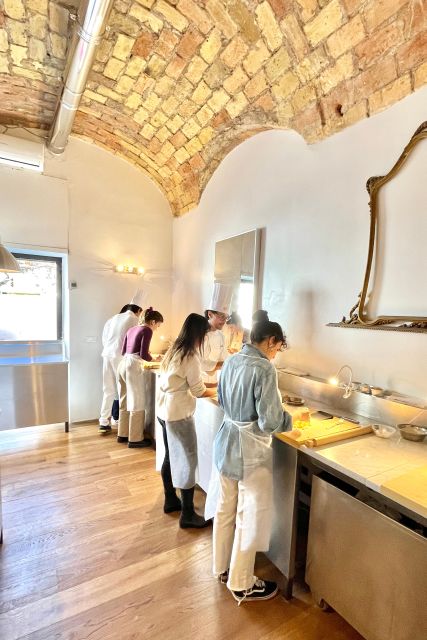
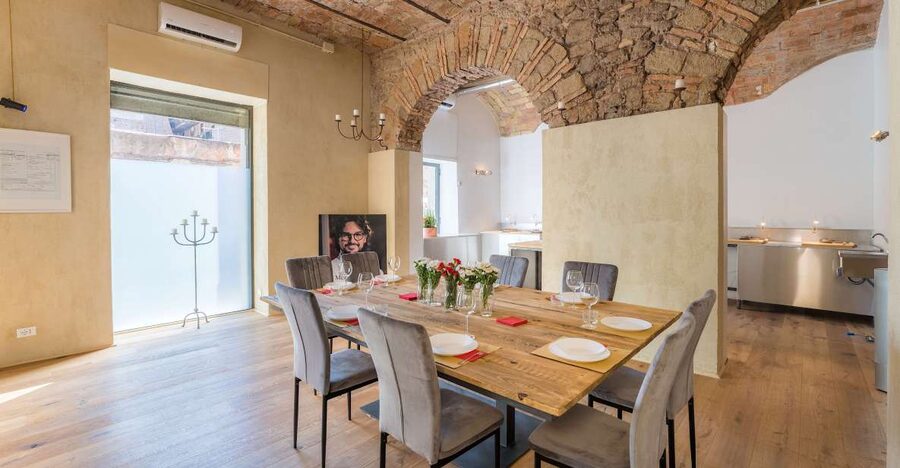
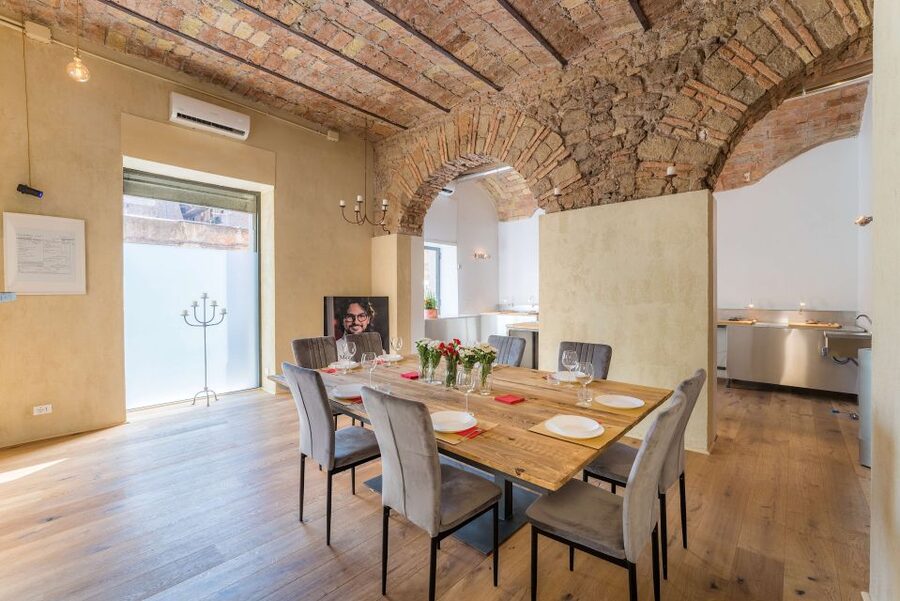
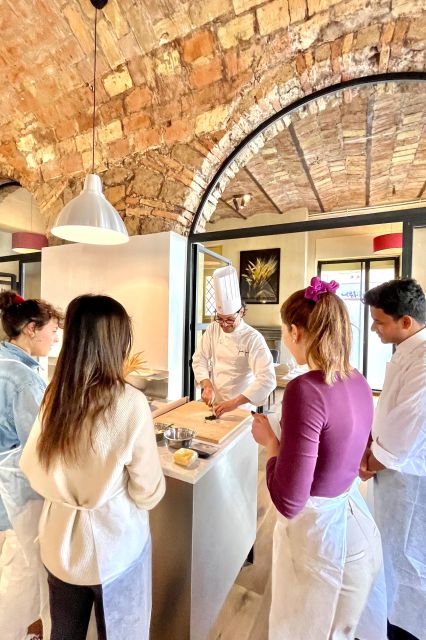
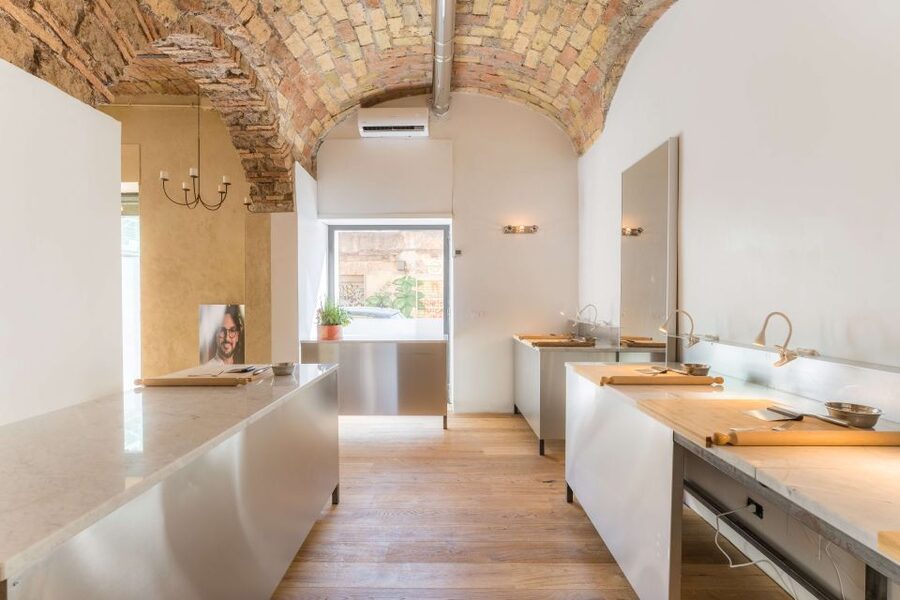
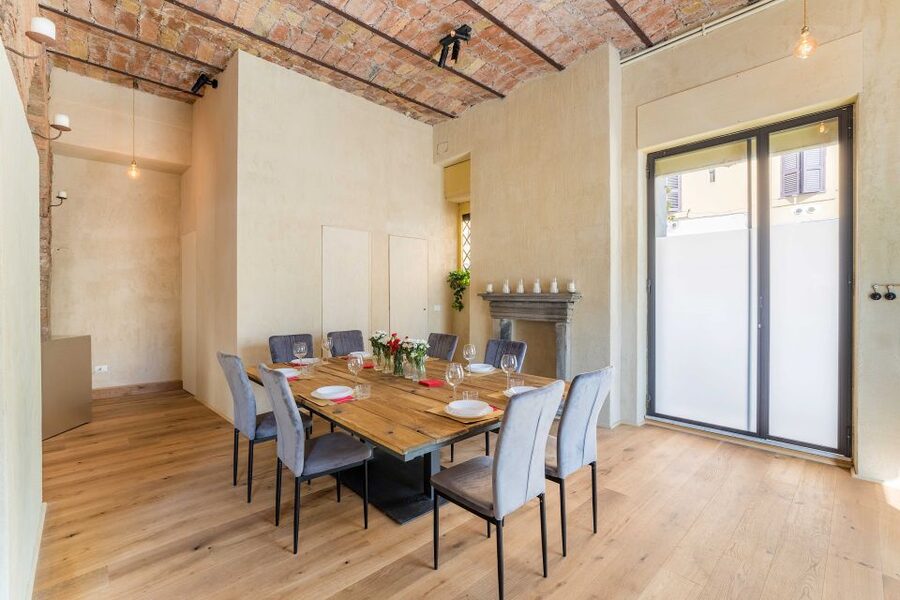
This class takes place in an Antica Osteria—founded in the late 1800s—now converted into a cooking school. That matters more than you might think. You’re not in a generic cooking studio with fluorescent lighting and folding tables. The room has the vibe of a real Roman tavern, where food is a social event, not a performance.
You’ll start at the Old Osteria called Cucina, with the original osteria sign in marble above the entrance. It’s the kind of meeting point that helps you feel like you’ve arrived somewhere specific, not just somewhere convenient.
The whole experience is also built with safety in mind. It’s HACCP certified for food hygiene and safety (certified in 2020), and that’s reassuring when you’re doing hands-on work like cutting dough and assembling filled pasta.
You can also read our reviews of more tours and experiences in Rome.

Meeting at Cucina and how the 3-hour flow works
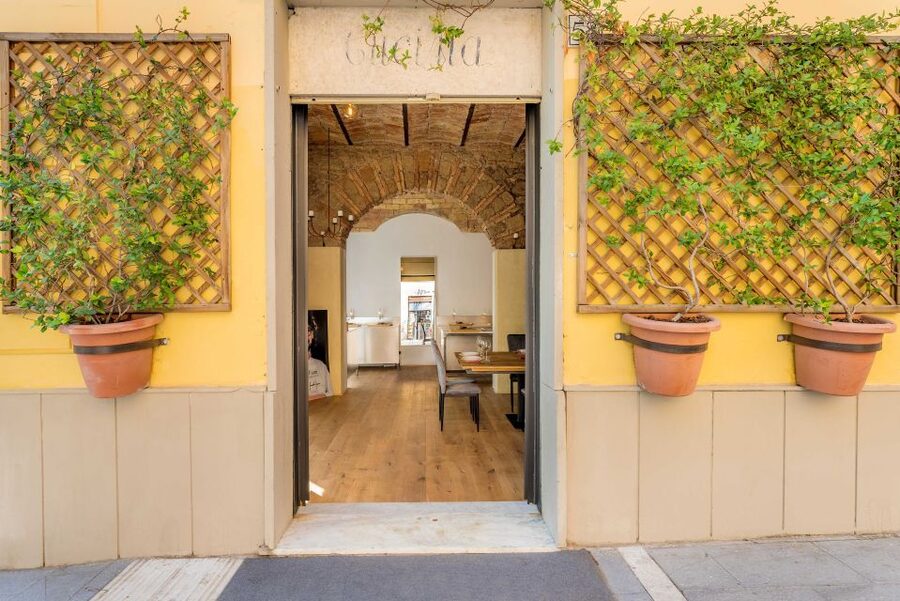
The class runs about 3 hours. You’ll want to check availability for the start times and pick the one that fits your day—this is usually a great alternative to a heavier sightseeing morning or late-afternoon church-and-colosseum route.
When you arrive, you’ll be in a group limited to 10 participants, which keeps the pace comfortable. It also means instructors can actually see what your hands are doing, not just watch you from the front of the room.
From there, the rhythm is straightforward:
- You begin with an appetizer plus prosecco and Italian cheese.
- Then you move into dough work: rolling, shaping, and assembling multiple pasta types.
- As each stage finishes, you get to taste what you’re making (including two sauce experiences).
- The meal part follows—so you eat your creations, paired with wine.
- Dessert is an express tiramisu preparation at the end.
That structure is one reason this class scores so high. You’re not racing the clock to finish one pasta and then leaving hungry. You make several forms, learn the pattern behind them, and then you sit down like it’s a proper dinner.
Roll thin dough with a wooden pin like the pros
If you’ve ever tried pasta at home, you know the hardest part isn’t mixing flour and eggs. It’s getting the dough sheet thin enough and even enough that the shapes cook right.
Here, you practice the technique of rolling dough with a wooden pin. You’ll learn to manage thickness so you can move into classic shapes without ending up with chewy edges or thick centers. And yes—this is the kind of skill that makes your future at-home pasta better fast, even if you never memorize every exact step.
You’ll also get practical coaching on food handling and safe cutting procedures. That sounds basic, but it’s a big deal when you’re rolling dough and using tools right at your work station. Clear rules keep the class moving and make it easier to focus on technique instead of worrying about accidents.
The overall teaching style (seen through how chefs like Emanuele and Angelo run the room) keeps the energy playful without turning the class into chaos. A few people in your group will be brand-new at pasta. That’s not a problem here, because the pacing and hands-on help are designed for beginners too—while still rewarding experienced cooks with real technique.
The pasta lineup: ravioli, agnolotti del plin, tortellini, cappelletti, fettuccine
The big promise is five shapes of homemade fresh pasta. What you make isn’t just “one ravioli situation and done.” You’ll build a set of recognizable Italian classics from scratch.
Here’s what to expect you’ll produce during the session:
- Ravioli (filled pasta pockets)
- Agnolotti del plin (folded, tucked shapes)
- Tortellini (signature ring-like filled pasta)
- Cappelletti (small filled caps, shaped to fit tradition)
- Fettuccine (fresh ribbon pasta, made from the dough sheet)
The class also emphasizes the thin dough sheet process, then the forming. That’s the key skill: once you understand how dough consistency affects shaping, the difference between one stuffed format and another becomes easier to learn.
One helpful detail from the class description: you’ll make safe use of cutting procedures, which reduces frustration when you’re learning folds and edges. And you’re not just watching—your hands are doing the work.
Two sauces round out the learning. You’ll be taught and then taste two different kinds of Italian fresh sauce, so you connect shape + texture + sauce pairing instead of treating sauces like an afterthought.
Sauce time: two Italian flavors you’ll actually understand
Sauce can be the confusing part when you’re cooking at home. You might follow a recipe, but you don’t always understand why it works with a specific pasta.
In this class, sauces are paired with what you’re learning, and the chef explains them as part of the experience. You’ll taste both sauce types with the pasta you made, which helps you notice what changes when the pasta is thinner, fuller, or stuffed.
Also, since the meal includes tastings tied to the class, you get multiple moments to pay attention—before you sit down for the final plates and wine.



Cheese, prosecco, and a proper Italian meal
A lot of cooking classes say you’ll eat. This one actually builds eating into the structure.
Early on, you’re served an appetizer with prosecco and Italian cheese. Later, you’ll taste your pasta along the way, and the experience includes a full lunch or dinner experience.
Wine is part of the meal too. You’ll get a real pairing vibe: pasta you made, paired with Italian wine, plus that same lively tavern setting. If you’re the type who wants to treat cooking as a celebration rather than a chore, that’s a big win.
And because the group is small, your table time feels more like sharing a meal with fellow students than lining up for service in a busy restaurant.
Express tiramisu: quick dessert that feels like an event
Dessert is an express tiramisu—and that’s a smart closer. It’s fast enough to fit the class timing, but it still feels like the classic Italian finish you came for.
You’ll prepare it at the end of the session. That means you’re not just consuming dessert—you’re doing one last mini-cooking win before you head out feeling like you learned something real.
The experience description also notes local tastings with prosecco earlier, and the overall flow tends to keep the night light and fun. The tiramisu portion sticks the landing because it gives you a final taste-and-skill moment, not just a handoff from the kitchen.
Value check: does $67.19 for 3 hours make sense?
At $67.19 per person for a 3-hour class, the deal only works if you’re getting more than “a cooking demo.” Here, you are.
You’re paying for:
- Hands-on instruction in rolling and shaping multiple pasta types
- Ingredients and tools for making five fresh pastas
- Two sauce tastings
- An appetizer with prosecco and Italian cheese
- A full meal (lunch or dinner), plus wine with the pasta
- Dessert: express tiramisu
- A complimentary professional chef hat with the Pastificio Faini logo
When you add it up, the cost looks much more reasonable than a casual “pasta tasting” that doesn’t teach much or leaves you hungry. You leave with a skill set you can use again, not just a happy belly (though you’ll probably have that too).
Tips so you leave with skills, not just souvenirs
A few practical pointers help you get the most from the dough-and-assembly focus:
- Bring a willingness to get a little flour on you. This is hands-on pasta work; it’s not a tidy museum workshop.
- Take your time with the dough thickness. If you get that right, shaping gets easier.
- Pay attention to the edges and seals. Filled pasta lives or dies on how well it’s closed.
- Mention allergies or ingredient needs up front. One review specifically mentioned a garlic allergy and that the chef offered ingredient changes and even a separate sauce so the person didn’t miss out. That’s the kind of care you should ask about directly when booking.
- Plan your day around this as your main activity. It’s three hours, but it feels like a complete experience because you eat the results.
Also, if you’re not big on loud music, you might want to mentally expect a lively vibe. One review described jiggy music that made rolling and kneading feel like an active task, which some people love.
Who should book this class, and who should skip it
This is a great fit if you:
- Want hands-on Italian cooking instead of passive sightseeing
- Like fresh pasta and want to learn classic forms such as ravioli and tortellini
- Enjoy eating your way through the experience with prosecco, wine, and a full meal
- Prefer small groups (limited to 10), so you actually get help while you work
You might want to skip or choose a different style of experience if:
- You need accommodations related to mobility, since it’s not suitable for people with mobility impairments
- You’re looking for a short snack-style tour rather than a full cooking session (this is a real class, not a quick tasting stop)
- You travel with a pet. Pets are not allowed.
Should you book? My honest take
If your goal is to learn real pasta skills in a fun Roman setting, book it. The combination of five fresh pasta shapes, two sauce tastings, and a full meal with prosecco and wine makes this more than a one-time food photo moment.
It also feels like a good value because the class doesn’t end when the dough stops being yours. You eat what you made, then you finish with express tiramisu—so your effort pays off immediately.
Just be sure to choose the start time that works for you, and if you have any dietary restrictions, ask in advance. With that sorted, this is exactly the kind of Rome experience that gives you memories you can taste and skills you can repeat at home.
FAQ
How long is the pasta cooking class?
The class lasts about 3 hours.
How many people are in the group?
The group is small, limited to up to 10 participants.
What kinds of pasta will I make?
You’ll make five fresh pasta types from scratch, including ravioli, agnolotti del plin, tortellini, cappelletti, and fettuccine.
What food and drinks are included?
The experience includes an appetizer with prosecco and Italian cheese, a full meal (lunch or dinner), two plates of pasta you make by hand, and dessert made at the end (express tiramisu). Prosecco and Italian wine are part of the experience.
Are there any extra costs during the class?
No extra fee is requested during the class.
Is this class suitable for people with mobility impairments?
No, it’s not suitable for people with mobility impairments.