REVIEW · ROME
Rome: Introduction to the Colosseum and Ancient City Tour
Book on GetYourGuide →Operated by Crown Tours · Bookable on GetYourGuide
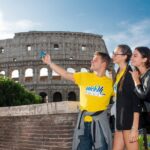
That first look at the Colosseum hits hard. This tour turns the fast entry into a guided story, then gives you time to wander Palatine Hill and the Roman Forum on your own, with a strong ending at Trajan’s Column. I love how the guide explains the monument’s design and the myths around it, and I also like that the group moves with radio/headset help so you actually catch details. The main thing to consider is the ID requirement at the entrance—no ID means no guaranteed access.
You’ll spend 2.5 hours total (and only 2 hours in July and August), with a live guide and an included Colosseum entrance. I especially like the pacing: guided facts in the big-ticket places, then some free time so you can slow down for views and photo angles without losing your place. One drawback is the tour office can feel busy when you arrive, so you’ll want a little extra time to check in and get oriented.
In This Review
- Key things that make this tour worth your time
- Skip-the-line entry: what it really changes at the Colosseum
- How the Colosseum tour portion plays out (and what to watch for)
- Palatine Hill: Rome’s foundation layers, explained with you in mind
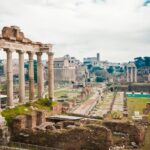
- Roman Forum: the social, political center you can actually walk through
- Trajan’s Column: a strong finish you can’t miss
- Guide quality: small-group feel and clear communication
- Price and value: $58 that makes sense if you plan to see three areas
- What to bring and what to avoid at the entrance
- Timing: 2.5 hours, shorter in July and August
- Who this tour fits best
- Should you book this Colosseum and Ancient City tour?
- FAQ
- What is the duration of the tour?
- Is the tour price really $58 per person?
- Do I need an ID to enter?
- What’s included in the tour?
- What languages are offered?
- Are there luggage restrictions?
Key things that make this tour worth your time
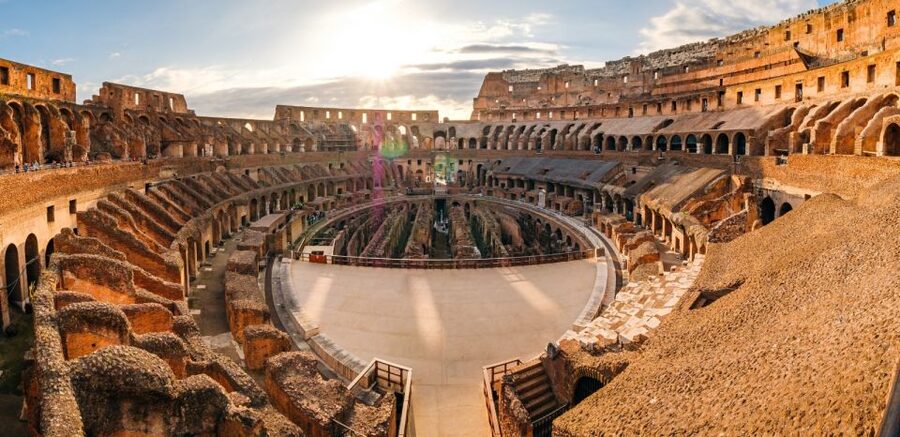
- Skip the ticket line so you spend less time waiting and more time inside
- A guided walk that focuses on engineering, entertainment, and gladiator lore
- Radios/headsets included, which matters in a crowded site
- Palatine Hill + Roman Forum with a guide, then time for your own exploring
- The tour ends at Trajan’s Column, a powerful Roman symbol of victory
- ID and full names required for entrance, so double-check your booking details
Skip-the-line entry: what it really changes at the Colosseum
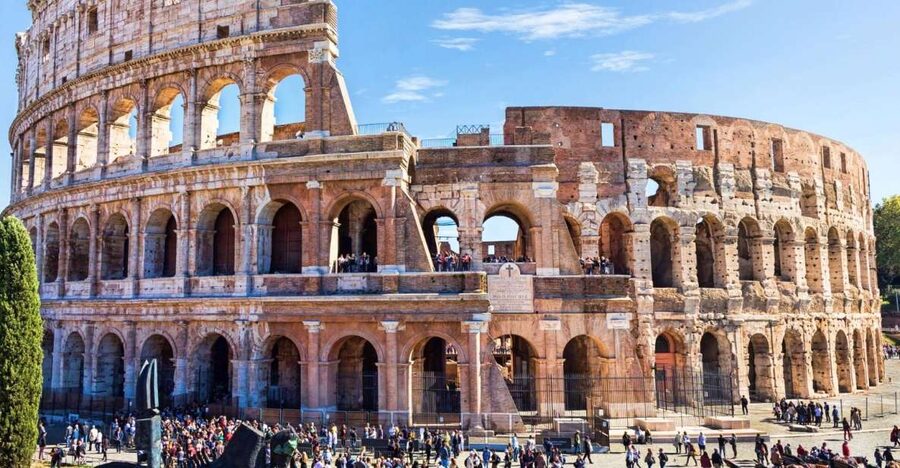
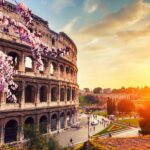
The Colosseum is the kind of place where waiting can steal your energy. The biggest practical win here is skip-the-line access, which helps you get moving faster once you arrive. In a site this popular, that alone can make a guided tour feel like better value than doing it completely on your own.
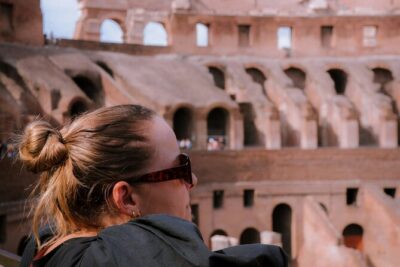
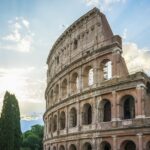
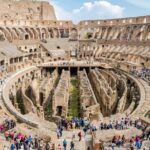
Inside, you’re not just looking at stone blocks. Your guide frames what you’re seeing—how a massive arena could hold tens of thousands of spectators and how the building was designed to handle crowds and events. The tour also points out that the Colosseum had over 80 entrances and could accommodate around 50,000 spectators, which makes the scale feel real rather than abstract.
You’ll also hear the story behind why it was built. The tour highlights three reasons: it was meant as a gift from the Flavian Dynasty to win favor with Roman citizens, it was built for entertainment events, and it was built to show off Roman engineering. That mix of politics, spectacle, and design is exactly what helps the Colosseum make sense beyond the postcard.
You can also read our reviews of more tours and experiences in Rome.
How the Colosseum tour portion plays out (and what to watch for)
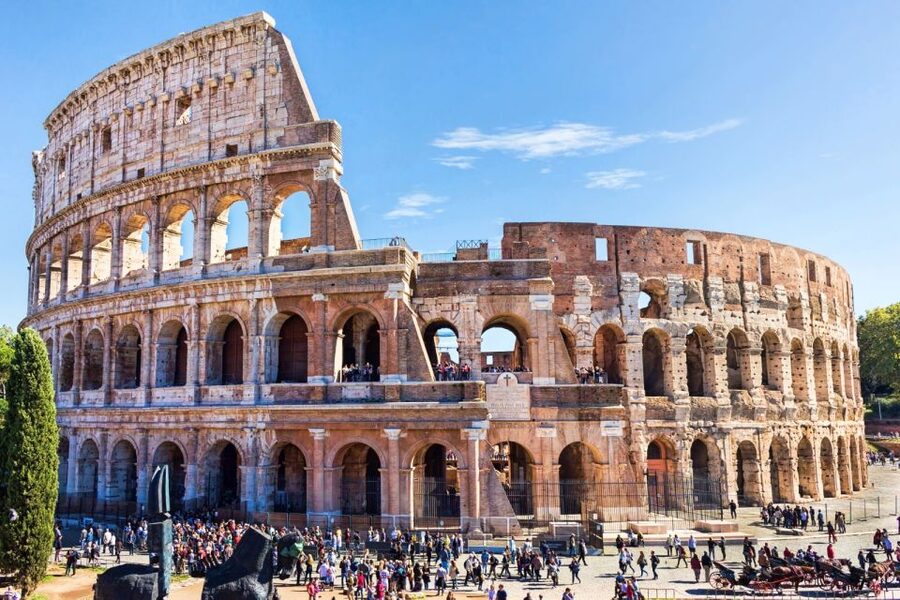
You’re guided through the Colosseum with a focus on both big-picture meaning and practical details you can see around you. The tour description emphasizes the engineering behind the structure and includes tales connected to gladiators and the entertainment culture of Ancient Rome. If you like your history with stories, this part is where the guide does the heavy lifting.
The Colosseum wasn’t a short-run venue either. The tour notes that festivals and games could last up to 100 days, which changes how you think about the place. It wasn’t just a one-off event space; it was a long-running machine for public spectacle.
What I like about this segment is that it doesn’t lock you into one viewpoint for the entire time. You get a guided route so you don’t wander around without context, and then later you’re allowed to explore other areas at your own pace. That balance is helpful if you’re the type who wants both learning and freedom.
One note: entry requires passport or ID card, and the tour specifies that guests without ID will not be able to access the areas of the Colosseum. If you’re traveling with people, do a quick check the night before. It’s one of those tiny tasks that prevents a big disappointment.
Palatine Hill: Rome’s foundation layers, explained with you in mind
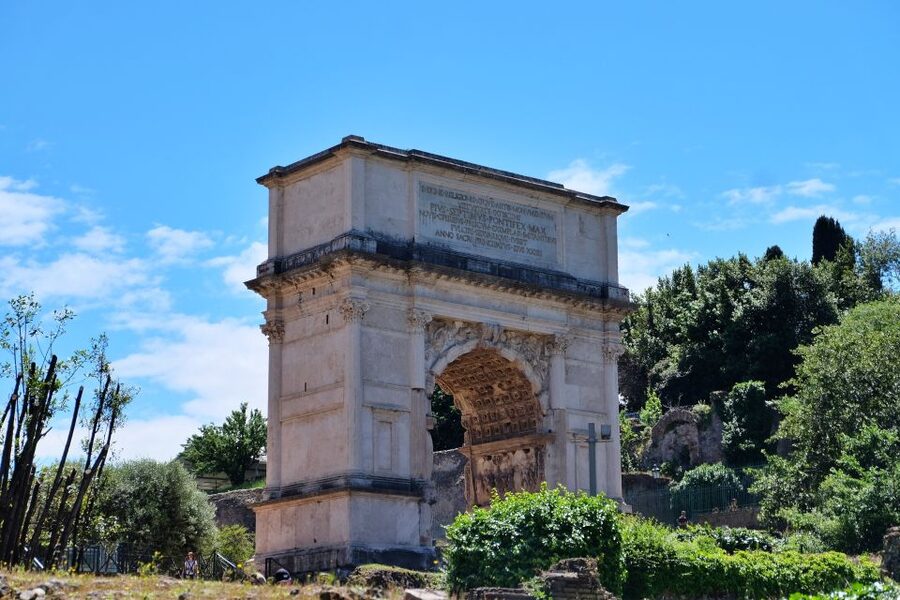
After the Colosseum, the tour moves to Palatine Hill, and this is where the scenery starts doing a lot of the work for you. Palatine Hill is described as the foundation point of Rome, and it’s the perfect place to see how Rome kept building on itself over centuries.
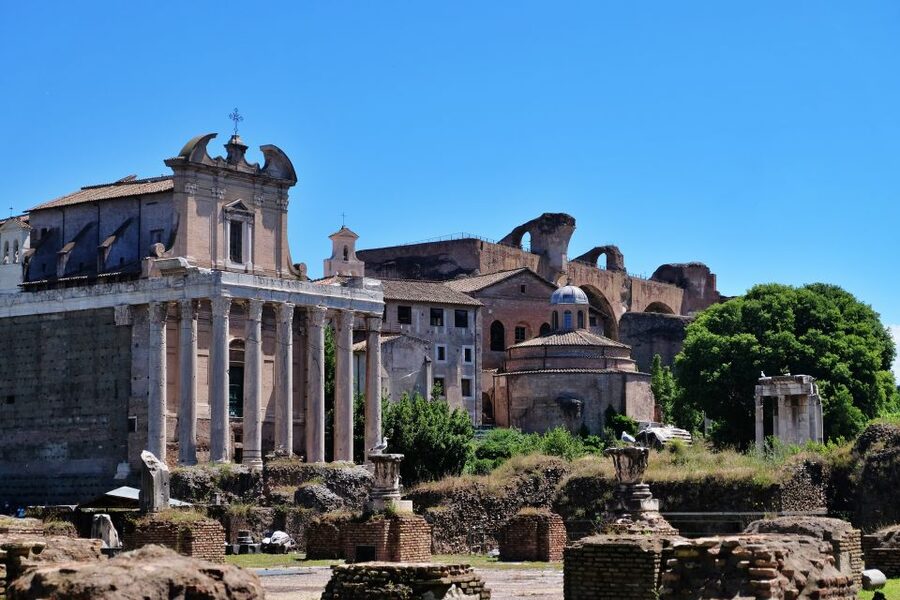
The guide helps you connect time periods to what you see. You can spot ruins tied to the early kingdom of Rome (noted as 7th century BCE), later Roman Republic layers, and even the jaw-dropping imperial presence of Emperor Domitian in the Imperial Age. Then the tour adds more recent layers too: the Farnese family during the Renaissance and Mussolini’s presence in the 20th century. That’s a lot of time in one area, so having a guide to point out what corresponds to which era is a big advantage.
Even if you don’t memorize dates, you can still benefit. Palatine Hill is also where your brain starts to map Rome’s “layers” into a geography you’ll remember later—this is especially useful if you plan to keep exploring Rome after the tour.
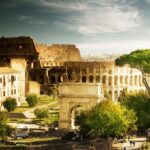
A practical payoff: the tour description also promises panoramic views of the Colosseum from this area. If you’re into photos, this is the moment to slow down. If you’re more into atmosphere than camera work, just take a minute and look across the landscape because it’s one of the best ways to understand why emperors and elites chose these high points.
Roman Forum: the social, political center you can actually walk through
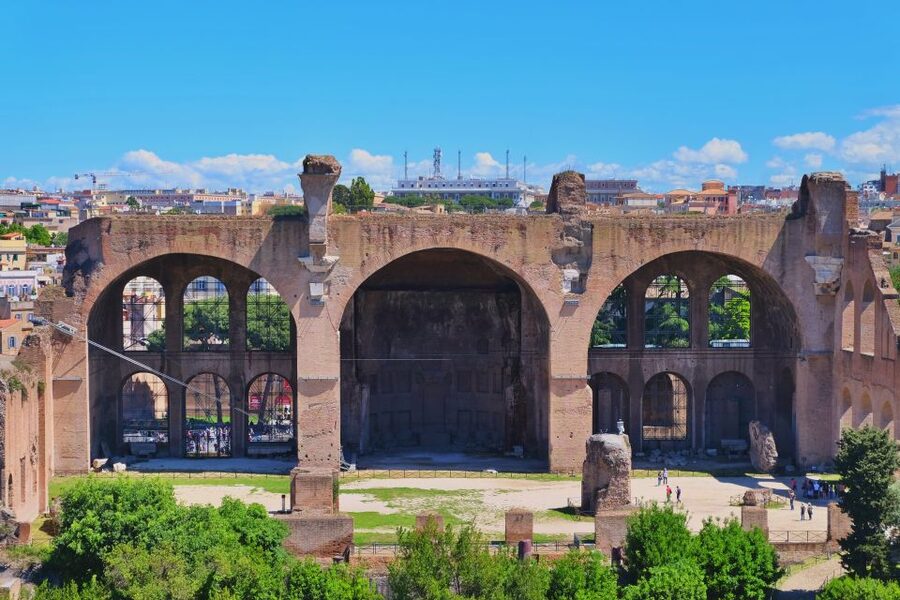
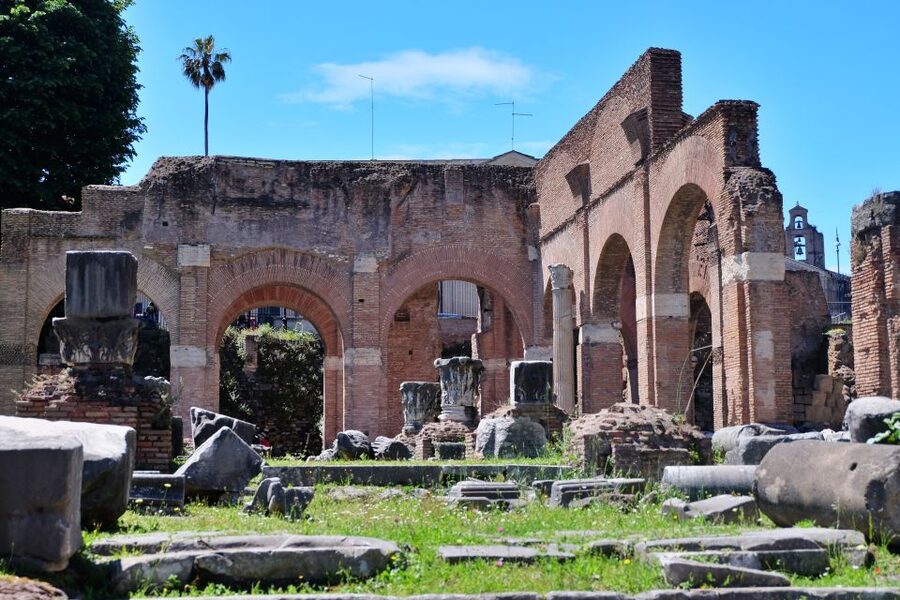
The tour then leads you into the Roman Forum, described as the social, political, religious, and financial center of the Roman Empire. This is the part that turns “Ancient Rome” from a concept into a lived daily-life setting.
One detail I like is how the tour frames the Forum as mixed society: it mentions that different layers of Roman life rubbed shoulders there, from homeless beggars to rich senators. That matters because it stops the Forum from feeling like a museum-only zone. You’re moving through a space that once worked like a civic hub.
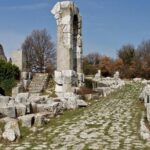
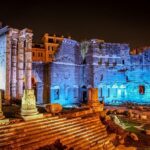
The guide points out the various structures still standing, and the tour gives you context for what you’re seeing—enough to understand how the Forum functioned. After the guided portion, you also get time to explore your way, which helps if you want to pause for specific sights or just absorb the scale.
Drawback to keep in mind: the Forum area can feel like a lot at once. If you get overwhelmed easily, you’ll appreciate the guided start, because it gives you a mental map before you set out on your own. If you stay oriented, you’ll enjoy this more.
Trajan’s Column: a strong finish you can’t miss
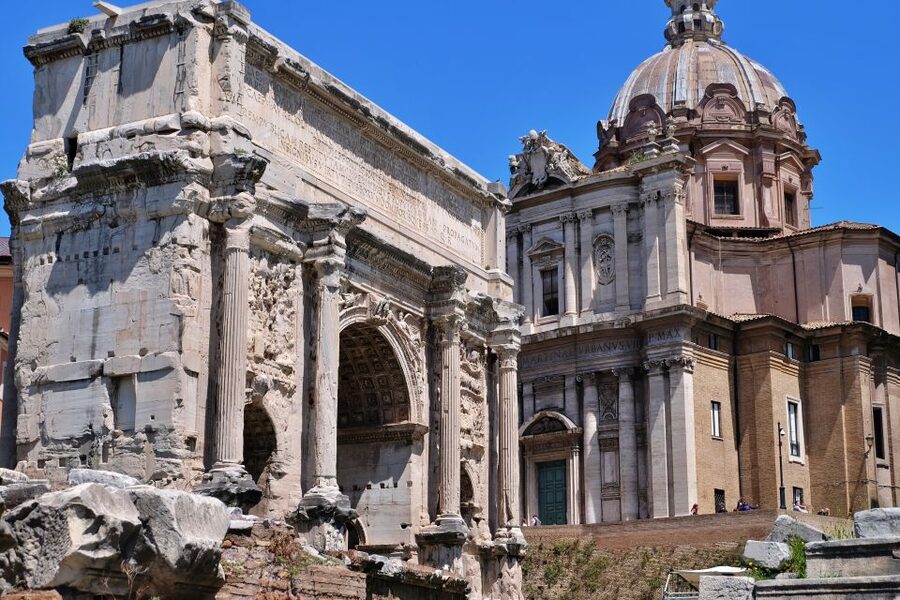
The tour ends at Trajan’s Column, which is a smart final stop. It’s described as a famous icon of Roman victory and power, and that makes it a satisfying closing note after the Colosseum and the Forum.
This ending also helps with pacing. You get a big cultural stop (Forum), a view-focused hill (Palatine), and then a monument that communicates power in a single glance. If you like history that shows you how power was presented visually, this is worth sticking around for.
Guide quality: small-group feel and clear communication
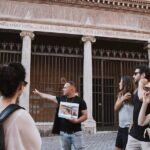
The reviews highlight guides who explain with clarity and personality. I saw specific praise for a small group in French with Catherine, where the explanations were described as excellent with very precise French. Another review praised Alessandro Palma for being thorough and for bringing out interesting details with competence and friendliness.
The common thread across the praise is not just facts—it’s delivery. The tour includes radios and headsets, which helps you hear explanations clearly even when you’re dealing with crowds and stone echo. For a place like the Colosseum, that can make the difference between feeling informed and feeling like you’re simply surrounded by people.
You also get multiple language options: French, German, English, Italian, and Spanish. So if you’re traveling with someone who isn’t comfortable in English, you have good options.
Price and value: $58 that makes sense if you plan to see three areas
At $58 per person for a 2.5-hour experience (or 2 hours in July and August), the best way to judge value is what’s bundled in. You’re paying for a licensed tour guide, skip-the-line entry to the Colosseum, radios/headsets, and a combined visit that includes Palatine Hill and the Roman Forum.
If you priced this out on your own, the “hard part” usually isn’t just ticket cost. It’s the time cost of waiting, plus the effort of figuring out what you’re looking at. Here, the guide builds meaning as you walk, and you get guided context where it matters most.
Is it expensive compared to a self-guided museum wander? Sure, you might spend less if you go alone. But this tour is for people who want to spend their time inside the sights, not trying to connect the dots while you’re tired. The included audio system and reserved path through the Colosseum is a big part of that.
What to bring and what to avoid at the entrance
This is one of those tours where the details matter more than you’d expect.
Bring:
- A passport or ID card (including for children)
Not allowed:
- Pets
- Weapons or sharp objects
- Oversize luggage (and there’s no suitcase compartment)
- Smoking
- Food and drinks
- Alcohol and drugs
- Sprays or aerosols
- Glass objects
- Unaccompanied minors
- Electric wheelchairs
My advice: travel light. If you have backpacks, keep them minimal and avoid anything that looks like it could be treated as prohibited. And if you’re traveling with kids, make sure IDs are in hand too.
Also, the tour notes that the full names of all participants are needed for entrance. If you booked with incomplete names, you risk trouble. Fix it in advance if you can.
Timing: 2.5 hours, shorter in July and August
The tour is listed as 2.5 hours, but there’s a seasonal change: in July and August, the visit duration is 2 hours. That affects how much time you’ll have to linger for views and photos, especially once you reach Palatine Hill and the Forum.
If you’re visiting in summer, plan your expectations accordingly. Go in with a “see the big story, then absorb what you can” mindset. If you’re visiting outside July and August, you’ll have a bit more room to slow down and enjoy the self-paced time after the guided portion.
Who this tour fits best
This works well if you:
- Want guided context for the Colosseum, Palatine Hill, and Roman Forum in one package
- Like hearing stories about Roman entertainment and gladiators, not just reading plaques
- Appreciate clear audio support from radios/headsets
- Want some freedom after the guided section to choose your pace
It may be less ideal if you:
- Hate group schedules or tight timing (the Colosseum is popular)
- Forget your ID (that’s the one risk you don’t want to take)
If you’re also planning additional Rome sightseeing afterward, this tour is a great foundation. You’ll come away with a mental map that makes the city’s “Ancient Rome” stops feel connected instead of random.
Should you book this Colosseum and Ancient City tour?
I’d book it if you want the best parts of guided history without losing the freedom to look around. The skip-the-line entry and headset audio make it easier to feel like you got your money’s worth quickly, especially in a crowded place. The guide-focused approach is also a plus—you’re not just walking among ruins, you’re learning why they were built and how they worked.
I’d think twice only if you know someone in your group might arrive without the right ID, or if your travel style is strictly independent and unstructured. For everyone else, this is a solid, practical way to tackle three of Rome’s biggest ancient sites without spending your day trying to figure it out on the fly.
FAQ
What is the duration of the tour?
The tour is listed as 2.5 hours. In July and August, the duration is 2 hours.
Is the tour price really $58 per person?
Yes, the price is provided as $58 per person for this experience.
Do I need an ID to enter?
Yes. The tour specifies that passport or ID card is required. If you show up without ID, entrance to the Colosseum areas will not be guaranteed.
What’s included in the tour?
Included are a live tour guide, radios and headsets, entrance to the Colosseum, and a visit to Palatine Hill and the Roman Forum.
What languages are offered?
Languages listed for the live tour guide are French, German, English, Italian, and Spanish.
Are there luggage restrictions?
Oversize luggage is not allowed, and there is no suitcase compartment. The tour also lists restrictions like no food and drinks, no pets, and no glass objects.