REVIEW · NEW DELHI
Old Delhi: Spices, Heritage and Bazaars Walking Tour
Book on GetYourGuide →Operated by Discover Activitis · Bookable on GetYourGuide
A maze of spices, mosques, and old-world markets. This Old Delhi walk (3 hours) pairs 400-year-old Jama Masjid views with a stop at Asia’s biggest spice market, where you’ll learn how merchants trade rare spices in real time. I especially love how the route strings together Jama Masjid and the Khari Baoli spice lanes, and how the guide makes the city feel practical, not just postcard pretty. The one drawback to plan around is the walking: there’s no space for large bags, and it’s not suitable for people with mobility impairments or pregnant women.
Most people are matched with the guide Jai Singh, and the small-group size (up to 7) keeps the pace human—even in crowded lanes. You meet at Exit Gate No 1 of Jama Masjid Metro Station, and you finish back at central drop-off points. One smart choice: Jama Masjid entry is optional, with an INR 450 fee if you go inside—otherwise you can take photos from outside.
In This Review
- Key points to know before you go
- Old Delhi in 3 hours: what you’re really signing up for
- Meeting at Jama Masjid Metro: the logistics that keep it smooth
- Meena Bazaar lanes and heritage havelis: the walk before the big sights
- Jama Masjid: optional entry, big views, and respectful pacing
- Chandni Chowk and the Mughal-era bazaar corridor
- Khari Baoli spice market: where the aromas do the talking
- Ancient goldsmith artisans: craft you can’t fake
- Food and chai: what you might taste along the way
- Shopping reality check: souvenirs vs. what the markets are actually for
- Who this tour fits best (and who should skip)
- Price and value: why $13 can work if you use it wisely
- A final word: should you book it?
- FAQ
- FAQ
- What’s the meeting point for the Old Delhi walking tour?
- How long is the tour, and how far are you walking?
- Is entry to Jama Masjid required?
- What does the tour cost?
- What’s included in the price?
- Is hotel pickup included?
- What languages are available?
- Are large bags or luggage allowed?
- Is the tour suitable for everyone?
- Will I be able to contact the guide if I’m late?
Key points to know before you go
- Optional Jama Masjid entry (INR 450) with outside photo stop
- Small group of 7 max so you can ask questions and move at a real walking pace
- Old Delhi lanes through Meena Bazaar and heritage havelis
- Khari Baoli spice market warehouse-style trading with rare spices and strong aromas
- Chandni Chowk market walk in the Mughal-era trade corridor
- Ancient goldsmith neighborhood linked to artisan families living since Mughal times
Old Delhi in 3 hours: what you’re really signing up for
This isn’t a stop-and-snap tour. It’s a guided walking route through the parts of Old Delhi where commerce, religion, and neighborhood life overlap—especially around Jama Masjid, Chandni Chowk, and Khari Baoli.
You start at Jama Masjid Metro Station (Exit Gate No 1). From there, you walk into the older lanes around Meena Bazaar, see the Jama Mosque approach (the biggest mosque of India), and then move into the spice and market heart of the area.
If you want a quick orientation to Old Delhi’s “how it works,” this tour does that fast. You’ll get enough context to shop with confidence and spot what’s going on besides the tourist surface.
You can also read our reviews of more tours and experiences in New Delhi.



Meeting at Jama Masjid Metro: the logistics that keep it smooth
The meeting point is very specific: Exit Gate No 1, Jama Masjid Metro Station. If you’re arriving by Uber, you use the provided Google pin and meet at the same spot.
This matters because Old Delhi streets can be chaotic. A WhatsApp number is requested during booking, and the guide can coordinate with you if you’re just a few meters off the exact pickup spot.
The tour also uses an express security check. In busy areas, that can save time and frustration, letting you spend more minutes outside and less time in queues.
Meena Bazaar lanes and heritage havelis: the walk before the big sights
Right away, you’re in the “living city” part of Old Delhi. The walk starts around Meena Bazaar, which used to be an opulent market for gems in the Mughal era and now serves the everyday crowd with more affordable goods.
As you move along, you’ll notice traditional neighborhood shapes—narrow lanes, old shopfront rhythms, and heritage homes known as havelis. These are the kinds of buildings you’d miss if you only aimed for big monuments.
The value here is orientation. You learn how to read the city: which streets are mostly for daily shopping, where bigger trade hubs begin, and how neighborhoods cluster around trade and community.
Jama Masjid: optional entry, big views, and respectful pacing
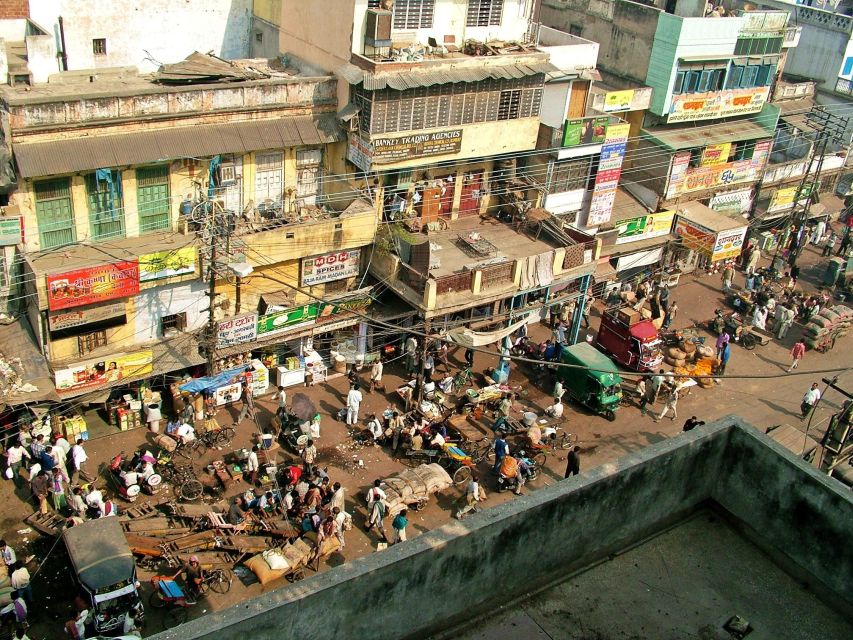
Jama Masjid is the centerpiece for the first act. You’ll approach the massive stone steps that lead up to the mosque, and you’ll hear the connection to Shah Jahan, the emperor associated with the Taj Mahal.
The best part is your choice. Jama Mosque entry is optional and not compulsory. If you prefer not to go in, you can still get photos from outside. If you do enter, there’s an INR 450 per person entrance fee.
Why this works: you can match the experience to your energy and comfort. Even if you skip the interior, the exterior views over Old Delhi’s rooftops and streets give you that “now I get it” perspective.
Chandni Chowk and the Mughal-era bazaar corridor
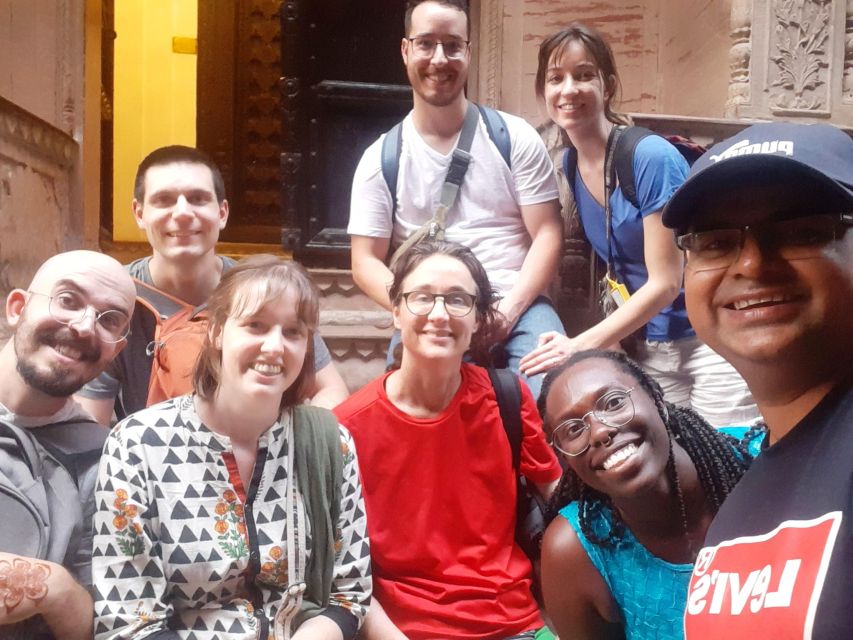
Next you head toward Chandni Chowk. This is where the walk shifts into the long-established trade corridor—markets that still operate in the same general pattern as older imperial-era bazaars.
You’ll see the kind of retail Old Delhi is known for: clothing, jewelry, and the craftsmanship that supports the city’s demand year-round. The guide’s job here is to translate the scene so you’re not just walking through noise.
In practice, this segment is also where you learn bargaining and shopping etiquette basics. Even if you don’t plan to buy anything, you’ll understand why certain stalls look the way they do and how vendors explain their products.




Khari Baoli spice market: where the aromas do the talking
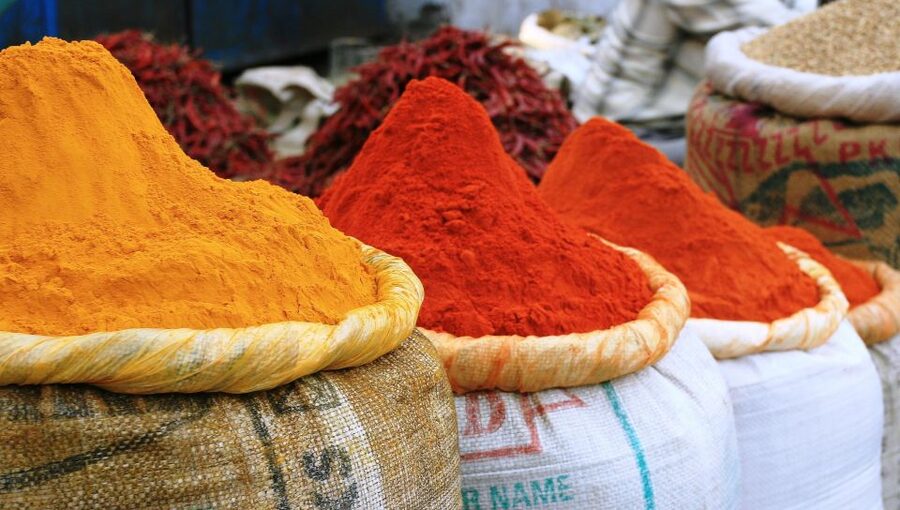
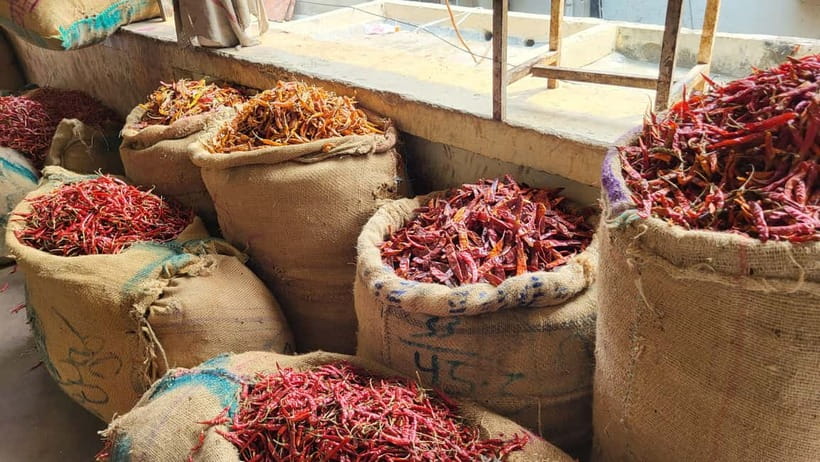
Then comes the moment that changes the whole mood: the spice market segment. The tour takes you through Khari Baoli and into warehouse-style spaces where spice wholesalers work and deals happen.
You’ll often see big bags of spices cut open for display. That’s when the air goes from normal to spicy fast—fragrant, intense, and a little overwhelming at first if you’re not used to market smells.
What makes this more than a photo stop is the guided explanation. You get a briefing about different Indian spices, and you learn why some are expensive at home and more common at source. The guide also points out how merchants present spices and what they’re trying to do—speed, trust, and repeat customers.
If you’re into cooking or food history, this is where you’ll feel the most payoff per minute. If you’re sensitive to strong smells, it’s still manageable, but you may want to plan for a short pause now and then.
Ancient goldsmith artisans: craft you can’t fake
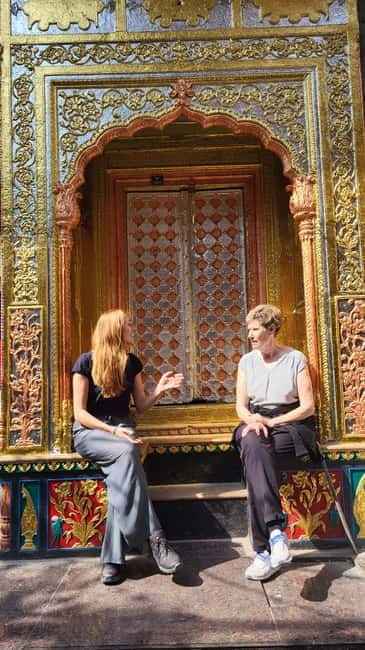
One of the tour’s most interesting stops is an ancient neighborhood of goldsmith artisans. The idea is simple: these families have lived and worked there since Mughal-era times.
Walking through an area like this gives you a different view of “heritage.” It’s not only architecture and monuments. It’s also the daily grind of skill—work passed down, shops that keep running, and craft that shapes what the markets sell.
This is also a useful counterbalance. After the spice intensity, you get a slower, more craft-focused scene where you can actually look closely at the kind of work being made and sold.
Food and chai: what you might taste along the way
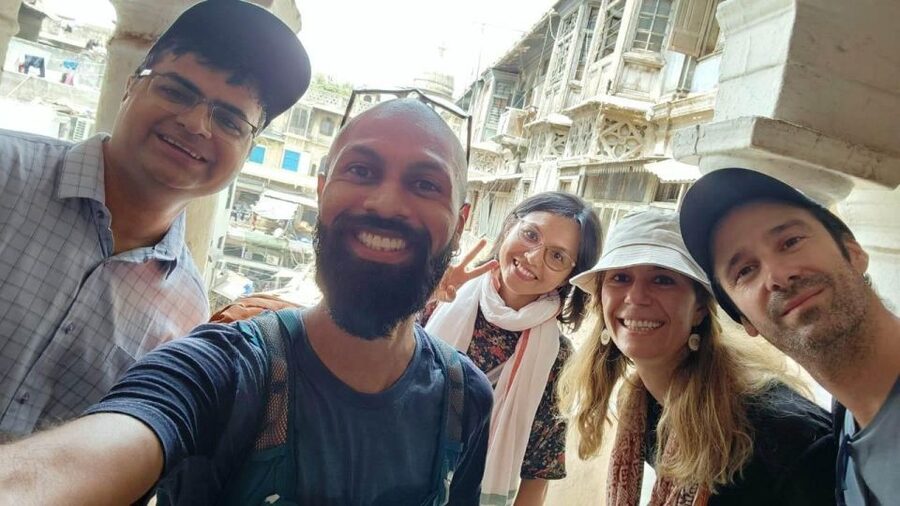
Food isn’t listed as included, so don’t count on a full meal. But chai and small street treats show up during the experience in many groups.
In the stories people share, chai is a highlight—sometimes even multiple varieties of masala chai. There are also mentions of snacking stops like samosas and street bites during the walk.
My practical advice: treat food as flexible. Bring a little cash or card readiness for small purchases, and follow your guide’s lead on what’s safe and worth trying.
Shopping reality check: souvenirs vs. what the markets are actually for

This tour passes through places where locals shop, not just tourist stalls. That’s good for authenticity and can be great value—but it also means you’ll need patience.
Expect to see lots of goods that look tempting: spices, textiles, jewelry-related items, and more. The guide can help you navigate what’s worth your attention and what’s best left alone for your budget.
If you want the best shopping experience, come with a plan: pick one or two categories (like spices or a specific craft-related souvenir). Markets like this move fast, and it’s easy to overspend when everything smells amazing and nothing is neatly organized.
Who this tour fits best (and who should skip)
This is ideal if you want:
- A short Old Delhi orientation in 3 hours
- A small group pace (up to 7 people)
- Market context, not just landmarks
- A guide who explains how the city works—religion, commerce, neighborhood life
It’s not the best fit if you:
- Need mobility accommodations (not suitable for people with mobility impairments)
- Are pregnant (not suitable for pregnant women)
- Have large luggage (not allowed)
If you’re traveling with older relatives, go carefully. One review-style detail people often appreciate is that the guide can adapt pace for the group, but the route is still a walking-heavy market experience.
Price and value: why $13 can work if you use it wisely
At about $13 per person, this tour is priced like a city intro. You’re paying for a live English guide, a mineral water bottle, and a guided route that threads together major Old Delhi areas efficiently.
The value gets stronger because the experience includes:
- An express security check
- Time in markets where a guide’s context makes shopping and understanding easier
- The optional Jama Masjid entry choice (so you aren’t forced into a paid add-on)
Here’s the honest takeaway: the “value” depends on your mindset. If you want a quiet museum-style experience, Old Delhi walking markets won’t match your expectations. If you want sensory, street-level context, $13 is a bargain.
A final word: should you book it?
Book it if you want a tight, well-guided walk through Jama Masjid, Chandni Chowk, and Khari Baoli, with spice-market context and local craft culture in just a few hours. It’s a smart first Old Delhi experience, especially if it’s your only morning.
Skip or choose something else if you’re worried about heavy walking, strong spice aromas, or you need accommodations for mobility or pregnancy. And if you’re hoping for a purely monument-heavy tour, this one is more about markets and neighborhoods than a detailed monument marathon.
FAQ
FAQ
What’s the meeting point for the Old Delhi walking tour?
You meet at Exit Gate No 1 of Jama Masjid Metro Train Station. If you’re coming by Uber, you’re instructed to use the provided Google pin and locate the meeting area there.
How long is the tour, and how far are you walking?
The tour lasts 3 hours. It’s a walking experience through Old Delhi lanes and markets, so expect a fair amount of walking in a crowded area.
Is entry to Jama Masjid required?
No. Jama Masjid entry is optional and not compulsory. If you choose to enter, the entrance fee is INR 450 per person. If you don’t enter, you can still take photos from outside.
What does the tour cost?
The price is listed as $13 per person.
What’s included in the price?
Included items are a knowledgeable local guide and one mineral water bottle per person.
Is hotel pickup included?
Pickup is optional, and the provider picks from centrally located hotels. Hotel pickup and drop-off are not listed as included, so confirm your exact option when booking.
What languages are available?
The tour is conducted in English.
Are large bags or luggage allowed?
No. Luggage or large bags are not allowed.
Is the tour suitable for everyone?
The tour is not suitable for people with mobility impairments or pregnant women. It also involves walking through market areas.
Will I be able to contact the guide if I’m late?
Yes. You’re asked to provide a WhatsApp/cell number and the guide can coordinate if you’re a few meters away from the pickup point.