REVIEW · NEW DELHI
15-Day Private Rajasthan Heritage Tour– Safari, Desert, Taj Mahal
Book on Viator →Operated by Taj Mirror Tours · Bookable on Viator
Rajasthan hits fast when your trip is built around forts and timed highlights. This private 15-day drive stitches together Delhi’s major monuments, Shekhawati mural havelis in Mandawa, desert sights near Jaisalmer, and tiger country at Ranthambhore, finishing with the sunrise Taj Mahal. I especially like the mix of big-ticket icons and smaller, quieter stops that make the route feel real, not just stamped tickets. The other thing I like is the day-by-day comfort of a private AC car with a live guide, which keeps you from spending your energy on transport headaches. One possible drawback: monument/safari entry fees are not included (about USD 200 per person), so you’ll want to budget that upfront.
The experience is also clearly designed to reduce friction: you get pickup and drop in Delhi, parking and tolls are handled, and there’s a mobile ticket. In the real world, that matters. In the feedback I saw, drivers like Anil and Neeraj were praised for being patient, careful with luggage, and flexible when the schedule needed adjustment. Still, it’s a long road trip—some days include 4–6 hours of driving—so you’ll want a good sense of pacing and a comfy seat.
In This Review
- Key Points That Make This Trip Worth a Look
- Private AC Car, Patient Drivers, and How the Days Actually Move
- Delhi’s Major Hits to Mandawa’s Painted Haveli World
- Bikaner Fort Power, Jain Temples, and Karni Mata’s Rat Temple
- Jaisalmer’s Golden Fort, Haveli Details, and Sam Dunes Camel Riding
- From Mehrangarh to Stepwells: Jodhpur’s Fort Views and Ranakpur’s Jain Temple Masterpieces
- Udaipur’s City Palace Maze, Lake Pichola Boats, and Monsoon Palace Views
- Chittorgarh UNESCO Scale, Pushkar’s Ghats, and Vegetarian Spiritual Rituals
- Jaipur’s UNESCO Observatory, Hawa Mahal Windows, and the Road to Ranthambhore
- Agra’s Sunrise Taj Mahal, Agra Fort Power, and the Baby Taj Reset
- Food Stops That Feel Local, Not Just Included
- Price and What You’re Really Buying for USD 1,013
- Who Should Book This 15-Day Rajasthan Safari-Desert-Taj Route
- Should You Book This Tour?
- FAQ
- What’s included in the tour price?
- Are monument and safari fees included?
- Will I see the Taj Mahal?
- What happens if the Lotus Temple is closed?
- Do I need a photo ID?
- What’s the cancellation window?
Key Points That Make This Trip Worth a Look
- Private chauffeur + live guide keeps the route moving and the explanations easy to follow.
- Delhi to Agra in one sweep means fewer flights, less repositioning, and more time sightseeing.
- Desert day at Sam includes camel riding plus cultural evening options.
- Ranthambhore tiger safari is built into the schedule with an early start.
- Taj Mahal at sunrise is the highlight timing, with a Friday closure to plan around.
- Lots of temple etiquette moments (shoes off, modest dress) get repeated across the route, so you’ll feel prepared.
Private AC Car, Patient Drivers, and How the Days Actually Move
This is a private, you-and-your-group style itinerary. That changes the whole feel. You’re not waiting around for other people at each stop, and you’re not stuck hiring taxis between cities. You travel in a private air-conditioned car (or tempo traveler depending on the group), with a uniformed chauffeur handling driving, parking, tolls, fuel, and interstate taxes.
You’ll also have a live tour guide who speaks multiple foreign languages. The biggest practical payoff is that you’ll understand what you’re seeing while you’re standing in front of it, not after you go home with photos and guesswork.
In the feedback provided, drivers Anil and Neeraj came up more than once, and the themes were consistent: patience, safety, and helping with logistics like luggage. That’s what you want on a route with lots of entrances, lots of steps, and long stretches on the road.
The only real consideration is pacing. You’ll see a lot, but you’ll also ride a lot. Expect days with 3–6 hours of driving between Rajasthan stops, and plan to travel with water and snacks that keep you comfortable.
You can also read our reviews of more tours and experiences in New Delhi.



Delhi’s Major Hits to Mandawa’s Painted Haveli World
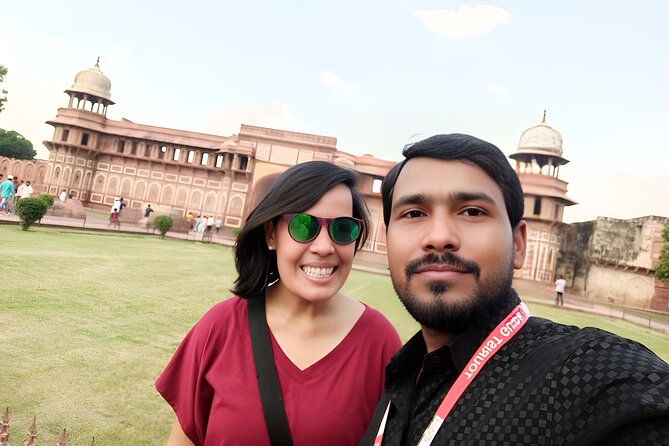
Delhi sets your baseline with a strong blend of Mughal-era architecture and modern religious landmarks.
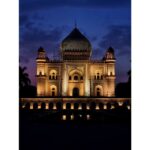
Day 1 starts with Humayun’s Tomb, a UNESCO site that’s all about geometry and calm garden paths. It’s a good first stop because it gives you a Mughal look-and-feel before the trip shifts into Rajasthan’s Rajput storytelling.
Then you go to Swaminarayan Akshardham, a modern complex (opened in 2005) with detailed stonework and large-scale Hindu spiritual themes. It’s a different tempo from the older tomb gardens, and that contrast can be refreshing.
Day 2 adds Qutub Minar, India Gate, and the Lotus Temple. Note this: the Lotus Temple remains closed on Monday, and you’ll be taken to Iskcon Temple or Shri KalkaJi Temple instead. That’s useful to know so you don’t lose time if your travel dates hit a Monday.
You also stop at Chandni Chowk for lunch. The tour includes a classic North Indian spread—think naan, curries, biryani, dal makhani, and chaat—so you can fuel up before heading into Rajasthan.
From Delhi, you drive toward Mandawa, which is the entry point to the Shekhawati region. The road trip here is part of the experience. You’ll watch villages and semi-arid surroundings roll by until Mandawa starts to feel like a quieter, arts-first Rajasthan.
Once you arrive, Mandawa becomes an “open art gallery” feeling: haveli exteriors and interiors filled with murals. You’ll visit places such as Tarkeshwar Goenka Haveli, Murmuria Haveli, and Gulab Raj Ladia Haveli. These are famous for paintings that mix local stories with odd historical surprises, like European-era scenes, trains, and even gramophones in the artwork. It’s unexpected, and that’s exactly why it’s fun.
You’ll also see an older water stop at Harlalka Well, a rustic stepwell near the havelis. It’s short, peaceful, and gives you a break from the wall-to-wall painting look.
Bikaner Fort Power, Jain Temples, and Karni Mata’s Rat Temple
In Bikaner, the trip leans into royal power and unusual local spirituality.
You start with Junagarh Fort (Bikaner Fort). This is where the vibe is “fort as a whole city.” It’s big, built for defense and dominance, and the included Prachina Museum inside helps connect the architecture to the people who lived in it through costumes, heirlooms, portraits, and decorative arts.
Then you move to Lalgarh Palace and Museum, an Indo-Saracenic mix with Mughal, Rajput, and European touches. The facade and balconies are what you’ll remember first.
Lunch is a proper Bikaner moment: dal bati churma, gatte ki sabzi, and ker sangri. Those flavors matter because they’re not generic “Rajasthan food.” They’re the local staples that make this region feel distinct.
Next comes Karni Mata Temple in Deshnoke, about 30 km from Bikaner. The major draw is the sacred rats—over 25,000 are said to roam freely, and you’re likely to see people trying to spot rare white rats. It’s unusual enough that it may feel like a culture lesson more than a sight.
After that, you’ll visit Jain Temple Bhandasar, known for gold leaf paintings, glasswork, and delicate frescos. If you’re someone who likes the quieter details of places of worship, this temple gives you that.
On the way toward Jaisalmer, you’ll include National Research Centre on Camel and Ganga State Museum. The camel center gives you a practical link to why this desert culture developed the way it did, and the museum helps connect Bikaner’s royal past to objects like coins, weapons, and manuscripts.
Jaisalmer’s Golden Fort, Haveli Details, and Sam Dunes Camel Riding
Jaisalmer is where the trip turns “golden city” aesthetic on full power. The buildings glow in the same sandstone tones, and the entire place feels built for slow exploring.
You start with Jaisalmer Fort, which sits above the city and is made of yellow sandstone. Inside, the included fort palace museum gives you a sense of royal quarters, weapons, and art, plus those classic fort views back over town.
Then it’s haveli time: Patwon Ki Haveli, Salim Singh-ki Haveli, and Nathmal Ji Ki Haveli. These haveli stops are about symmetry, carved screens, and jharokhas—windows that make you look twice at how the city was designed for light and privacy.
You’ll also spend time at Gadisar Lake, built in the 14th century as a water source and now a calm spot with shrines, temples, and ghats. A short pause here breaks the “everything is close to the fortress” rhythm.
The desert day is at Sam Sand Dunes. You’ll drive about 45 minutes from Jaisalmer to the dunes, then ride camels across rolling sand as the sun sets. The included cultural element—Kalbelia dancers and evening performances—adds context for why the Thar Desert isn’t just scenery; it’s a lived culture.
There’s also an option for Jaisalmer desert camp overnight in a Swiss tent at Sam. One careful note: tent availability is limited and subject to confirmation at booking. If you want this overnight, I’d treat it as a priority rather than a casual add-on.
From Mehrangarh to Stepwells: Jodhpur’s Fort Views and Ranakpur’s Jain Temple Masterpieces
Jodhpur brings in the “Blue City” identity, and the schedule is timed so you still get good sightseeing before it turns late.
You’ll visit Mehrangarh Fort first. This is one of the strongest fort statements on the whole route, and it’s built for big views. After that, Jaswant Thada adds a softer contrast: a white marble cenotaph often called the Taj Mahal of Marwar, known for delicate jali work and quiet surroundings.
Then you’ll go to Umaid Bhawan Museum, linked to the massive private residence and famine-era employment story. The museum portion helps connect the palace structure to the art and artifacts inside.
In Jodhpur lunch and the market stops are a big deal. You’ll get a classic Jodhpur lunch with dal bati churma, ker sangri, gatte ki sabzi, and kachri curry. Then you’ll visit Sardar Market, near the Clock Tower, for shopping like spices, tie-dye fabrics, antiques, and handcrafted items. If you like snacks, don’t miss makhaniya lassi.
You’ll also slow down at Mandore Garden, where cenotaphs are built in Hindu temple styles. It’s a good place to sit with the scale of what “royal commemoration” looked like.
The next morning adds two lesser stops near the fort zone: Rao Jodha Desert Rock Park (sunrise walk) and Toorji Ka Jhalra, a stepwell restored and used as a social hub. These are the kinds of places that make the trip feel less like a checklist.
After Jodhpur, you drive to Ranakpur. You can expect an eco-resort or forest-side hotel, then a quieter setting with temple exploration and optional village walks.
At Ranakpur, the main event is the Ranakpur Jain Temple—famous for intricate marble design and a layout that rewards slow movement. You’ll also visit nearby temples like Surya Narayan Temple and the Sadri area’s cluster of temples. The plan includes a stop at Muchhala Mahavir Jain Temple, with the distinctive moustache icon of Mahavir mentioned in the tour details.
Then, just before leaving the area, you stop at Ranakpur Dam for a nature pause and photos. It’s short, but it keeps the day from being all religious architecture.


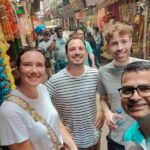
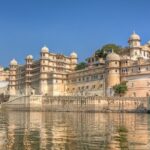
Udaipur’s City Palace Maze, Lake Pichola Boats, and Monsoon Palace Views
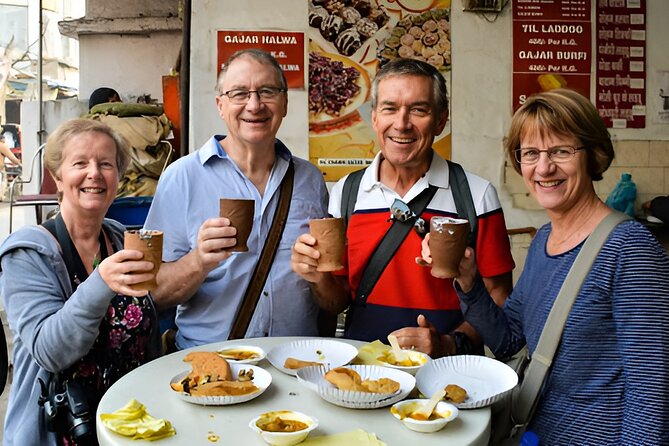
Udaipur is where the trip gets romantic without losing structure. It’s also one of the easiest places to feel like you’re on a “real Rajasthan” trip instead of a rush between stops.
You start with the City Palace of Udaipur, a complex of courtyards, balconies, and towers. The palace portion is where you’ll understand the city’s power center.
Then you visit Jagdish Temple, a Vishnu temple known for carved pillars and sculpted spires. It’s a useful spiritual stop, especially after all the fort and haveli visuals.
Sahelion Ki Bari is a garden designed for the queen and her maidens, with marble pavilions, fountains, lotus pools, and lawns. It gives you space for breaks between ticketed sites.
Lunch is included and focuses on Mewari flavors, with dishes like dal bati churma and gatte ki sabzi.
Then comes the lake zone: Lake Pichola is the soul of Udaipur, and a boat ride—especially around sunset—is a highlight. You also visit Jagmandir, the island palace in Lake Pichola (access by boat). The tour notes Mughal-era connection to Shah Jahan’s summer retreat.
At Bagore Ki Haveli, you’ll see a museum setup overlooking the lake at Gangaur Ghat, plus evening Rajasthani performances. Even if you skip a performance, the puppet and artifact focus is a solid way to connect the visual arts to daily culture.
The route continues to Fateh Sagar Lake and then Sajjangarh Monsoon Palace, perched above the city with panoramic views. If you want one place for wide photos, this is likely it. You also visit Bharatiya Lok Kala Mandal, focused on preserving Rajasthani folk arts through costumes, masks, instruments, and puppetry.
Chittorgarh UNESCO Scale, Pushkar’s Ghats, and Vegetarian Spiritual Rituals
Chittorgarh is the emotional heavyweight of this route. You drive from Udaipur area to Chittorgarh, and the day is designed for layered stops inside the fort area.
You’ll explore Chittorgarh Fort, a UNESCO World Heritage Site spread across 700 acres. The tour focuses on the massive gates, stories of valor, and ruins.
You then go to Rana Kumbha Palace, tied to the legend of Rani Padmini and Jauhar. The point here is not to treat legends like math problems. Instead, treat it as the way the place explains itself to locals.
You’ll visit Padmini’s Palace, a three-storied white palace beside a lotus pool. The tour notes the reflection legend tied to Alauddin Khilji, with the detail that the tale is disputed. That’s a helpful nuance: you get the story without being forced into certainty.
You’ll also see Vijay Stambh, a nine-story tower built to celebrate victory, with carvings and inscriptions. The tour notes climbing 157 steps for sweeping views. Another tower, Kirti Stambh (Tower of Fame), is Jain in character and covered in Jain carvings and symbols—an important contrast to the war memorial tone of the fort.
Later, you visit temples inside the fort, including Meera Temple (devotion of Meera Bai) and Kalika Mata Temple, plus Gaumukh Reservoir, a sacred tank fed by a natural spring from a rock shaped like a cow’s mouth.
Then you head to Pushkar for overnight. Pushkar is built around the sacred lake and the ritual edges of daily life.
In Pushkar, you visit Brahma Temple, one of the few temples dedicated to Brahma, plus Pushkar Lake with its 52 ghats and sacred dips. You’ll also climb or take a cable car/short trek to Shree Savitri Mata Mandir, which the tour frames as giving panoramic views of the valley.
You’ll visit Varaha Temple and Old Rangji Temple, described as mixing South Indian, Mughal, and Rajput architectural influences. You’ll also stop at Gurudwara Singh Sabha tied to visits of Guru Nanak Dev and Guru Gobind Singh.
The tour includes a stop at the camel trade fair field. It’s described as buzzing during the annual fair (October 30 to November 5), while off-season it’s more peaceful and often dotted with camels and herders.
A nice practical detail: the Pushkar lunch is described as a vegetarian feast often prepared without onion or garlic because of the town’s spiritual significance. If you eat with dietary sensitivity, this is something to appreciate and plan for.
Jaipur’s UNESCO Observatory, Hawa Mahal Windows, and the Road to Ranthambhore
You move from Pushkar to Jaipur, the Pink City, with a driving day that’s built for en-route sights and markets.
In Jaipur, you visit the City Palace, plus Jantar Mantar, a UNESCO observatory built in 1734 with astronomical instruments, including the world’s largest stone sundial mentioned in the tour description. Then there’s Hawa Mahal, the Palace of Wind with 953 jharokhas designed so royal women could observe street life while staying unseen.
The plan also includes forts with big viewpoints: Nahargarh Fort for panoramic city views, and Jaigarh Fort, connected to Amber Fort via passages and featuring the world’s largest cannon on wheels called Jaivana.
You also get Jal Mahal at Man Sagar Lake. The tour notes no entry, but the sunset reflection is the photo moment.
After Jaipur, you drive to Ranthambhore. This is where Rajasthan’s architecture gives way to jungle time. The tour schedule includes arrival and then an early start the next morning.
At Ranthambhore National Park, the tour sets up an early morning wildlife safari through dense jungle. This is the tiger country part: the tour notes possible sightings of Royal Bengal Tigers, leopards, and marsh crocodiles. You also visit Ranthambhore Fort, a UNESCO site dating back to the 10th century and set within the park area.
A real practical note: tiger safari time is not predictable. But the value is in the format—early morning, dedicated safari window, and a guided approach so you know what to watch for.
Agra’s Sunrise Taj Mahal, Agra Fort Power, and the Baby Taj Reset
After Ranthambhore, you drive to Agra through the Chambal region, which the tour describes as scenic and less crowded. That means a longer travel day, but it also means you’re not rushing across flat time.
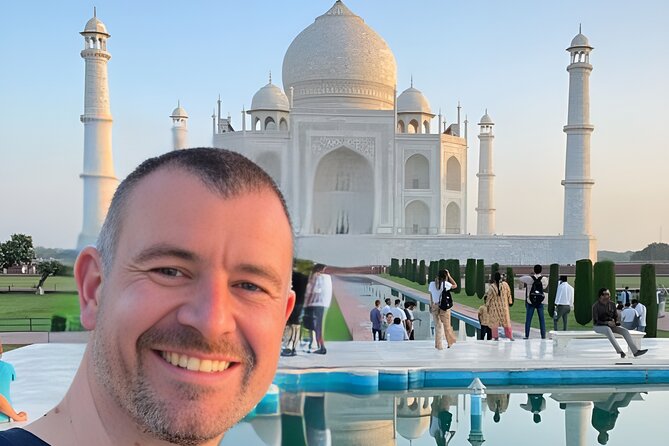
Day 15 is built around the big timing moment: sunrise at the Taj Mahal. The tour frames it as commissioned by Shah Jahan for Mumtaz Mahal and emphasizes changing hues as the light shifts. It also reminds you to plan for the fact that the Taj Mahal remains closed on Friday.
After that, you visit Agra Fort, a red sandstone Mughal power base later embellished by Shah Jahan. You also visit Itmad-ud-Daula, called the Baby Taj in many contexts because it predates the Taj Mahal and features intricate inlay work and pietra dura. Even if you think you know the Taj story, Itmad-ud-Daula helps you see the design evolution.
Lunch in Agra rounds out the day with Mughlai and North Indian options like paneer butter masala, dal tadka, and naan or parathas for vegetarians.
Then you drive back to Delhi for drop-off at your hotel or transport hub.
Food Stops That Feel Local, Not Just Included
This route doesn’t treat food as an afterthought. You’ll eat regional dishes in the places you’re visiting, and that’s where the tour becomes more satisfying.
In Shekhawati (Mandawa), you’ll see thali-style meals with choices like bajra or wheat rotis, gatte ki sabzi, ker sangri, dal, and rice, plus buttermilk and chutneys.
In Bikaner and Jodhpur, the menus repeat the local anchors: dal bati churma, gatte ki sabzi, ker sangri, buttermilk, and chutneys. In Chittorgarh and the fort-route lunch, the tour leans toward rural thali-style eating: bajra rotis, aloo sabzi, and dal tadka at a local dhaba stop.
In Pushkar, you’ll likely notice the difference that comes from religious rules. Lunch is described as vegetarian and often prepared without onion or garlic, so you’ll get a distinct taste profile compared with other cities.
And in Agra, you switch to Mughlai-heavy comfort food, with paneer and dal options plus classic breads.
One small practical thing: the tour mentions you’ll need to take shoes off before entering temples and sacred places. Comfortable sandals or shoes you can remove quickly are a travel superpower here.
Price and What You’re Really Buying for USD 1,013
At USD 1,013 per person, you’re paying for a private, multi-city road trip with the heavy logistics handled. What’s included is meaningful: a uniformed chauffeur, a live tour guide, private air-conditioned transport, parking and toll handling, and hotel accommodation with breakfast if you choose that option. You also get pickup and drop in Delhi at the airport, railway station, or your chosen location.
The monument and safari fees are not included, listed as roughly USD 200 per person. That’s the part you should add mentally when comparing value to other trip styles.
Is it good value? For most people who want a structured route from Delhi to Agra (with desert + safari + Taj built in), yes—because you’re paying to remove the planning burden and keep your daily time focused on sights. If you’re traveling in a small group and you’d otherwise spend money piecing together drivers, tickets, and timing, the private model tends to pay off quickly.
Just be honest about one thing: you’ll still need to pay those entry and safari fees on top, and you’ll want to keep your photo ID handy for monument checks.
Who Should Book This 15-Day Rajasthan Safari-Desert-Taj Route
This tour fits best if you:
- Want one driver and one plan while crossing Rajasthan’s major regions.
- Like a mix of architectural highlights and “daily life” culture stops like markets, stepwells, and folk arts.
- Don’t mind long drives and early starts, especially the Ranthambhore safari and Taj sunrise.
- Prefer guidance for temple etiquette, shoe removal, and understanding what you’re looking at.
It may be less ideal if you hate being on the road for hours each day or if you strongly prefer purely self-paced sightseeing.
Also keep two scheduling realities in mind:
- The Taj Mahal is closed on Friday.
- The Lotus Temple is closed on Monday, with alternative temples arranged.
Should You Book This Tour?
If you want Rajasthan plus Agra in one smooth private package, I’d say yes—with the right expectations. The trip’s strength is that it pairs big monuments (like Qutub Minar, Junagarh Fort, Mehrangarh Fort, City Palaces, and Taj Mahal) with practical experiences (markets, stepwells, desert camel rides, and a tiger safari plan).
Book it if you like structure, you’re okay paying separate monument/safari fees, and you want someone else to handle driving and timing. I’d consider skipping it only if you’re highly sensitive to long travel days or you expect every stop to be “easy and quick.” For many people, those long hours turn into the best part, because the scenery and the story of each region build as you move day to day.
FAQ
What’s included in the tour price?
The tour includes a private uniformed chauffeur, a live tour guide (with various foreign languages), sightseeing by private air-conditioned car/tempo traveler, hotel accommodation with breakfast if you choose that option, pickup and drop in Delhi (airport/railway station/desired locations), and costs for parking, tolls, taxes, allowances, fuel, and interstate taxes.
Are monument and safari fees included?
No. Monument and safari fees are not included, and they’re listed as approximately USD 200 per person.
Will I see the Taj Mahal?
Yes. The itinerary includes sunrise at the Taj Mahal. One note: the Taj Mahal remains closed on Friday, so your travel dates matter.
What happens if the Lotus Temple is closed?
The Lotus Temple remains closed on Monday. If your schedule hits Monday, you’ll be taken to Iskcon Temple or Shri KalkaJi Temple instead.
Do I need a photo ID?
Yes. You should bring a valid photo ID to check at the monument.
What’s the cancellation window?
Free cancellation is offered up to 24 hours in advance for a full refund. If you cancel less than 24 hours before the experience start time, the amount you paid is not refunded.