REVIEW · BUDAPEST
Budapest: Communist History Tour with House of Terror Option
Book on GetYourGuide →Operated by Tourist Angel · Bookable on GetYourGuide
Budapest turns dark fast on this walk. I like the Parliament-to-Liberty Square route because it puts key Communist-era symbols into real sightlines, and I love that you can pair the seriousness with either the lighter Budapest Retro Center or the far harder House of Terror. One drawback: this is not a light, feel-good tour, so choose the museum option based on how sensitive you feel about torture, deportations, and repression.
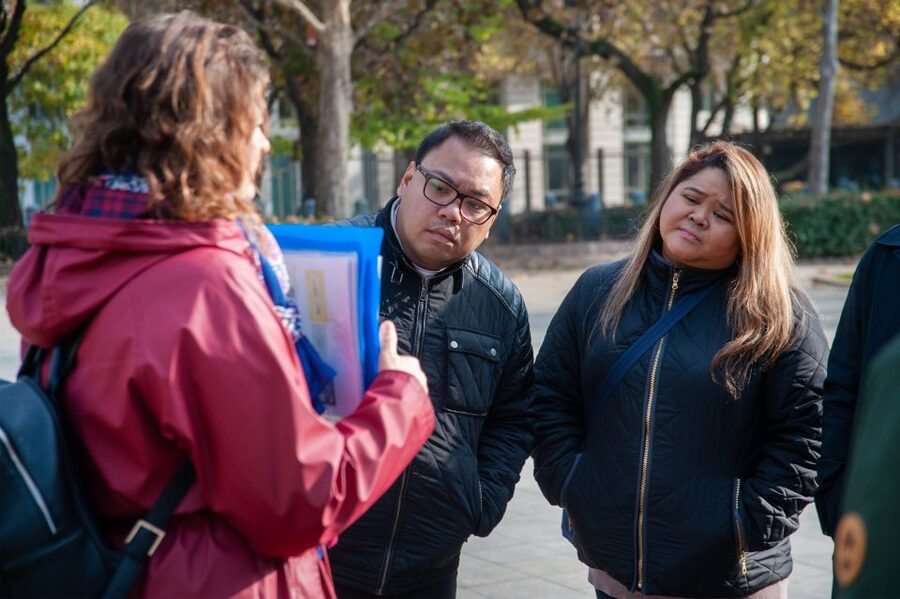
This 2-hour experience is built around a small group (up to 10) and an English-speaking local guide, with the same walking start whether you go morning or afternoon. Guides such as Alexa, Alexandra, Flora, and Kati have a strong track record of keeping the pace steady, explaining clearly, and making time for questions (and sometimes even slowing down for walking aids).
In This Review
- Key things to know before you go
- Communist History in Budapest, on foot: Parliament to Liberty Square
- The Cold War you can point at: Mindszenty, the nuclear bunker, and 1956
- Morning with Budapest Retro Center: playful décor for a serious era
- Afternoon with House of Terror: AVO history and what power looked like
- Why the guide matters in a 2-hour format
- Price and value: what $58 buys in Budapest
- How to plan your day around a 2-hour tour
- Who should book this Communist History Tour with House of Terror
- Should you book it
- FAQ
- How long is the Budapest Communist History Tour?
- Is this tour in English?
- How big is the group?
- What are the options for the second part of the experience?
- What do I see during the walking portion?
- Does the price include museum admission?
- Do I need to line up for museum tickets?
- Can I get a refund if my plans change?
Key things to know before you go
- Same walking start, different museum finish: morning Retro Center vs afternoon House of Terror (either self-guided with a ticket or guided inside).
- Prime Central Budapest route: you begin at Hungary’s Parliament and work toward Liberty Square.
- Cold War details you can’t see on your own: ventilation channels tied to a secret underground nuclear bunker.
- 1956 has a place on the map: you visit key sites connected to the Hungarian anti-Soviet uprising and its aftermath.
- Two very different emotional tones: Retro Center plays with daily life from the 1960s–1980s, while House of Terror focuses on terror machinery and political persecution.
Communist History in Budapest, on foot: Parliament to Liberty Square
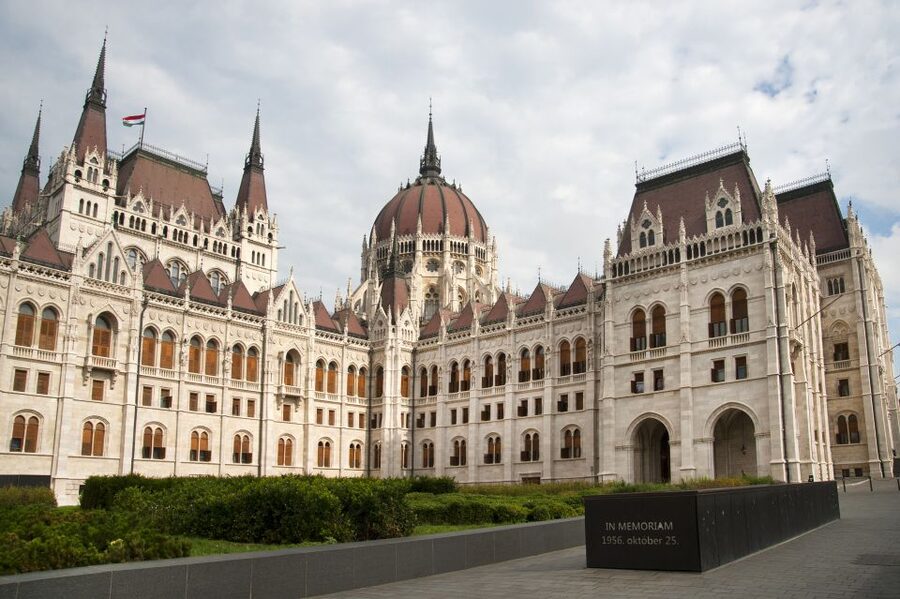
The walk starts in the most logical place in Budapest to talk about power: Hungarian Parliament. From the grand exterior, your guide sets the scene for how Hungary slid into Soviet-dominated Communist rule and why the country’s relationship with Moscow shaped everyday life.
What I like about this opener is that you are not just hearing dates. You’re looking at monuments and symbols as you get the story behind them. You’ll see dramatic memorials tied to victims of the red dictatorship, then continue onward to Liberty Square.
At Liberty Square, you’ll come face to face with the Soviet Liberation Memorial, described as the last Communist monument in its original location in the city. That contrast matters: this is not history trapped in a museum. It’s history written into public space—until it gets removed, reframed, or left as a scar.
You can also read our reviews of more tours and experiences in Budapest.



The Cold War you can point at: Mindszenty, the nuclear bunker, and 1956
After Parliament and Liberty Square, the route gets specific in the way good history tours do: you start recognizing the city as a set of clues.
You’ll pause at windows tied to Cardinal Mindszenty, the Catholic Church leader who spent years in exile during Communist years. The guide uses that location to explain why the regime targeted religious and political independence. It’s one of those stops where a single architectural detail becomes a whole story about pressure, propaganda, and control.
Then comes one of the most practical Cold War details you’ll hear in Budapest: the ventilation channels of a secret underground nuclear bunker built during Cold War years. You’re not just told that fear shaped policy. You’re shown a physical system—something designed to keep people alive and functioning under the worst-case scenario.
Finally, the tour hits 1956, including sites connected to Hungary’s anti-Soviet revolution. The walking portion is your timeline anchor: what sparked resistance, how the uprising was met, and what changed afterward. If you only know 1956 from a headline, this kind of guided pointing helps the year stick to the city instead of floating as a fact.
Morning with Budapest Retro Center: playful décor for a serious era
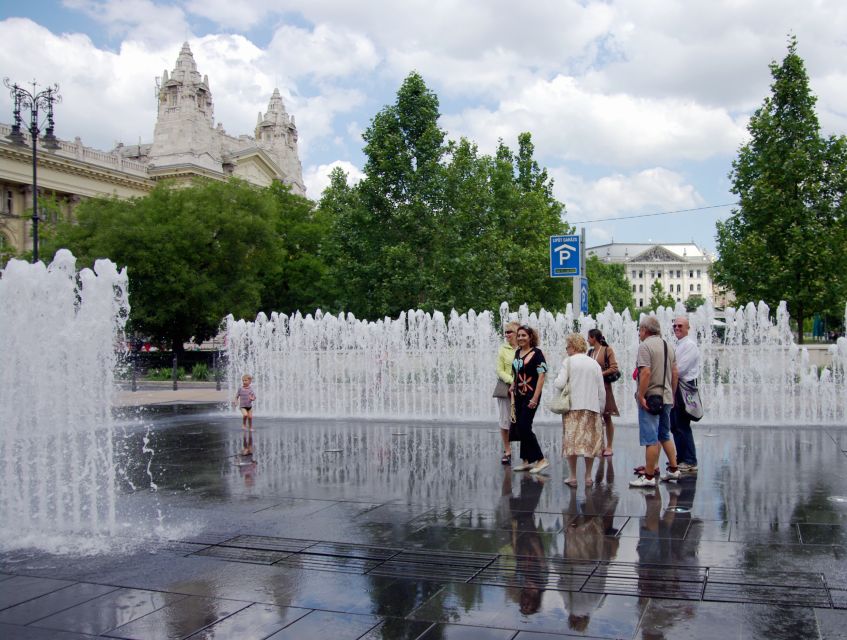
If you choose the morning version, the walking tour wraps up and you get a 1-hour guided visit to Budapest Retro Center. This is where the experience changes tone fast.
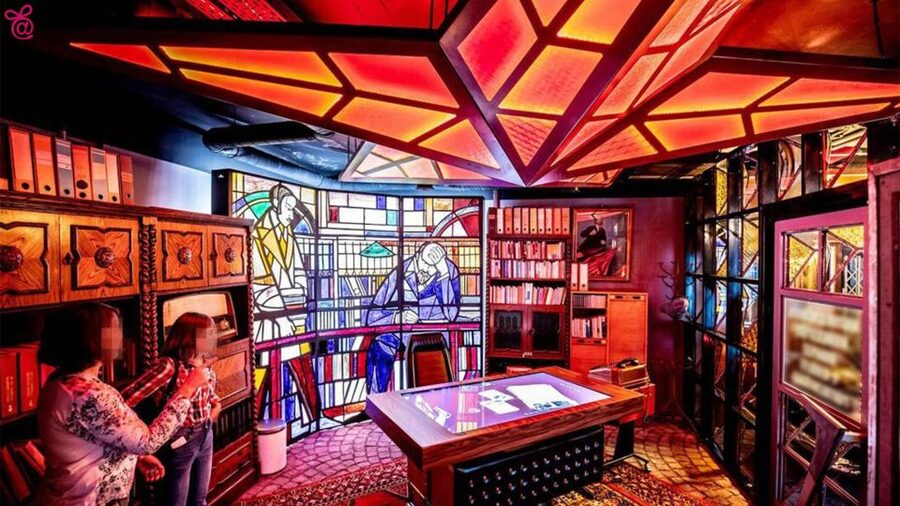
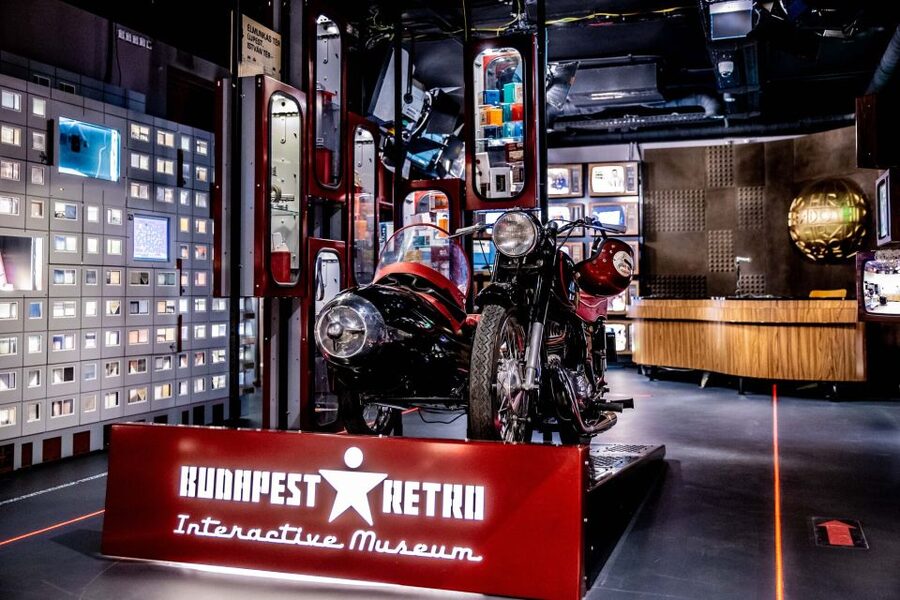
Retro Center is built like a 1960s–1980s time capsule. Expect street views, typical vehicles, and real interior home designs—plus thousands of objects from the era. You’ll also see items connected to Soviet-Hungarian space flight, which is a clever way to show how Communist propaganda and technology pride mixed into pop culture.
The layout is spread over three floors, and it’s designed to be interactive rather than lecture-heavy. The place encourages you to play along—some visitors even dress as a Communist comrade, or try acting as a TV news presenter of the time. That matters because it turns Communist-era history into lived experience, not just political suffering.
My practical advice: treat this as a “daily life lens.” You’ll leave with a better sense of how people navigated normal routines while the larger system stayed oppressive in the background.
Afternoon with House of Terror: AVO history and what power looked like
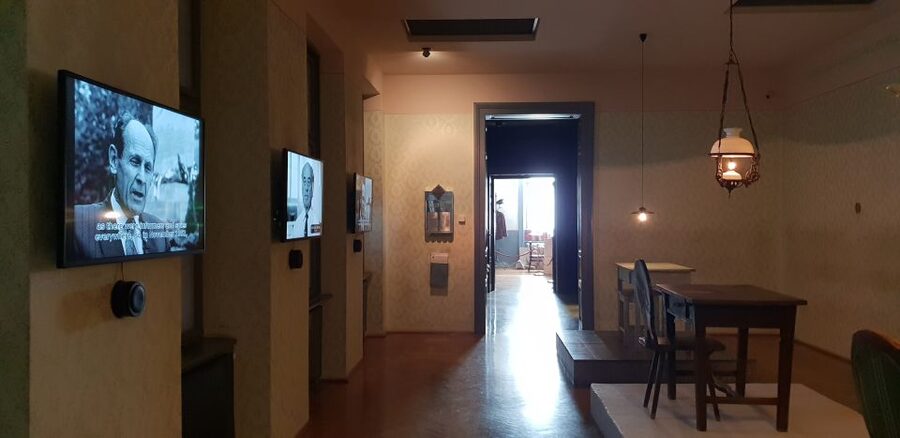
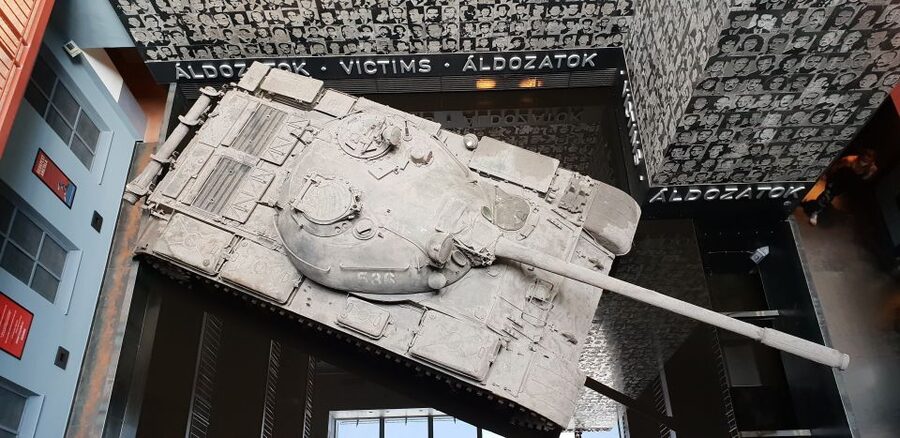
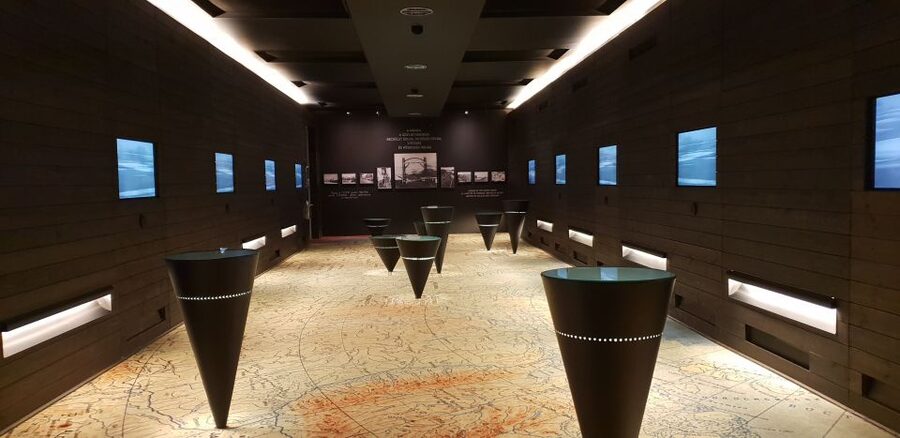
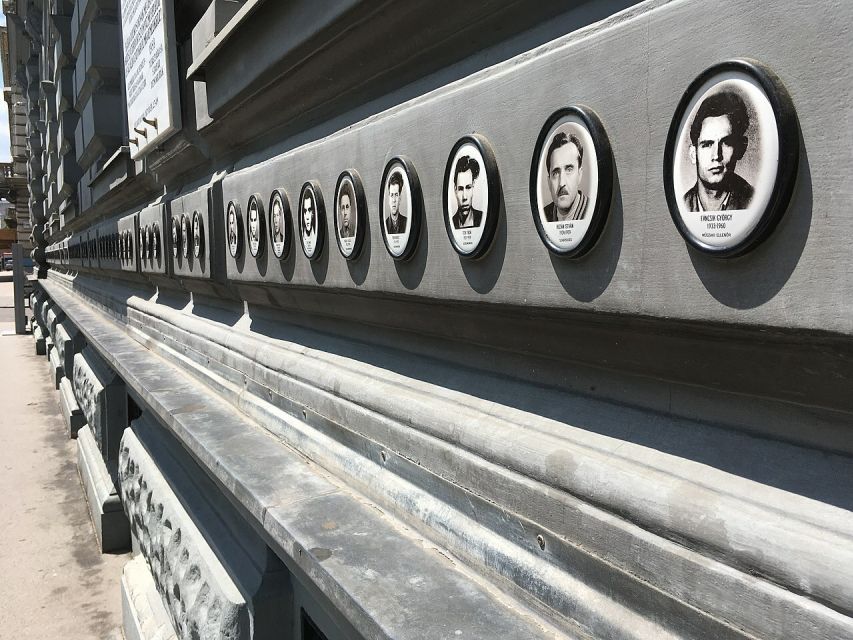
In the afternoon, you add the House of Terror Museum. This option is heavier, because it’s focused on state terror machinery and the reality of interrogation, punishment, and repression.
The museum explores the former seat of the AVO State Protection Police, the local version of the Soviet KGB. Even if you’re not a Cold War buff, the museum’s framing helps you connect the dots: how a security apparatus becomes a political tool, how fear gets organized, and how regimes maintain obedience.
If you pick the option that includes a ticket for the museum on your own, you’ll still benefit from skipping the ticket line and having the guide set you up on the walking portion first. If you choose the guided House of Terror option, the guide walks you through Hungary’s trajectory from WWII and Nazi rule into Soviet Communist occupation, then focuses on the 1950s.
Inside, expect stops that cover:
- interrogation and torture cells
- the director’s office
- stories and memories tied to mass deportations, labor camps, and political trials
- the 1956 revolution and what happened afterward
- the road to the end of Communism in 1989
I’ll be direct: this museum can feel brutal. You’ll want a guide if you like context, because the power of the place comes not only from what you see, but from what you understand about why it existed.
Why the guide matters in a 2-hour format
This tour is only 2 hours, and that means your guide really does run the show. A small group helps, but the real difference is clarity and pacing.
The most admired guides—people like Flora, Alexandra, Kati, and Naomi—are praised for keeping the experience engaging with clear explanations and an ability to handle questions without turning the walk into a chaotic Q-and-A session. One theme stands out in the feedback: guides often make space for real conversations, sometimes mixing in personal family context to show what the period meant in everyday life.
You’ll also want to notice how guides manage group needs. Some groups include people using walking aids, and the strongest guide styles stay attentive to that without slowing the whole experience into a drag.
If you care about timing and photo opportunities, this matters too. Guides are often careful about pacing so you can stop, look, and take pictures without feeling like you’re rushing through stone and signage.


Price and value: what $58 buys in Budapest
At $58 per person for a 2-hour guided experience, the value comes from two places.
First, you’re paying for a professional local guide who leads the walking history across central Budapest, not just a ticket bundle. Second, your price includes the museum entry tied to your chosen option—either Budapest Retro Center or House of Terror Museum.
So your money is not only for logistics. It’s for the interpretation. A guide helps you read what you’re seeing: monuments, exile windows, Cold War bunker remnants, and the 1956 storyline across multiple stops.
Also, you’ll appreciate the small-group setup (limited to 10 participants) and the practical benefit that the tour includes skip-the-ticket-line access. In a city where queues can eat time, that’s not a minor detail.
How to plan your day around a 2-hour tour
This is a short tour, but it doesn’t feel like a sprint. You’re walking across key areas in central Budapest, then spending the rest of the time on the museum choice.
Here’s how I’d plan it:
- If you choose Retro Center, keep your afternoon free. The museum is interactive, and you’ll likely want time afterward to wander nearby streets without rushing.
- If you choose House of Terror, give yourself a buffer afterward. This museum can sit heavily in your mind, so don’t stack it right before something intense.
Bring comfortable walking shoes. The route includes multiple key stops, and you’ll want to be able to stand and look for a while when your guide points out the specifics.
Who should book this Communist History Tour with House of Terror
This works especially well if you:
- want a guided explanation of Communist-era Budapest that goes beyond generic facts
- care about 1956 and how the Cold War played out on the ground
- like structure: a walking route first, then a museum focus
Pick the Retro Center option if you want a gentler emotional landing and a “how daily life felt” angle for the Communist period. Pick House of Terror if you want the hard edge: the institutions, methods, and consequences of political terror.
It’s also a great fit for history students and teachers, or anyone who likes to compare propaganda and policy with what people lived through.
Should you book it
If your goal is to understand how Budapest’s Communist period still shows up in buildings, monuments, and hidden Cold War tech, book it. The walking portion alone is a solid foundation because it connects landmarks to the larger political story.
Then choose based on your mood:
- Want context and everyday life flavor? Go morning + Budapest Retro Center.
- Want the full, sobering account of state terror? Choose the House of Terror option, especially the guided version if you want help making sense of the museum rooms.
Either way, the small group size and English-led guide format make the 2-hour time feel used, not wasted.
FAQ
How long is the Budapest Communist History Tour?
It lasts 2 hours.
Is this tour in English?
Yes, it runs with an English live tour guide.
How big is the group?
The tour is limited to a small group of up to 10 participants.
What are the options for the second part of the experience?
You can choose a morning option with Budapest Retro Center, or an afternoon option with House of Terror. The afternoon option can be paired with museum entry for self-guided time or with a guided tour inside the museum.
What do I see during the walking portion?
The walk starts at the Hungarian Parliament and continues to Liberty Square. Along the way, you’ll see the Soviet Liberation Memorial, sites connected to Cardinal Mindszenty’s exile, ventilation channels linked to a secret underground nuclear bunker, and locations tied to the 1956 revolution.
Does the price include museum admission?
Yes. Depending on your selected option, your ticket includes entry to either the Budapest Retro Center or the House of Terror Museum.
Do I need to line up for museum tickets?
You get skip-the-ticket-line access, and you should not look for a ticket in a ticket office. Your ticket is provided by your tour guide.
Can I get a refund if my plans change?
You have free cancellation up to 24 hours in advance for a full refund, and the experience also offers a reserve now & pay later style of booking.