REVIEW · BUDAPEST
Private Jewish Heritage Tour including Hotel Pickup
Book on Viator →Bookable on Viator
Budapest’s Jewish story is best told on foot. This private heritage tour threads together major sites in the Jewish Quarter, including the Dohány Street Synagogue and key memorials. You choose a route length that fits your energy, and a local guide handles the details while you focus on the meaning.
What I like most is the lineup: synagogues you can step inside, plus Holocaust-era context at the Jewish Museum. I also like that the tour isn’t just buildings. You’ll walk past places tied to Raoul Wallenberg, the Tree of Life memorial, and other reminders that make the history stick.
One consideration: this is a walking tour and the pacing depends on your group. If you want a quick, car-based highlights loop or a full meal included, you may feel a bit shortchanged.
In This Review
- Key things to know before you go
- Picking Small, Essential, or Grand in Budapest
- Hotel pickup and how the tour actually starts
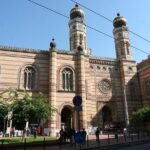
- Dohány Street Synagogue: the main event you can step into
- Martyrs’ Cemetery, Raoul Wallenberg, and the Tree of Life memorials
- Deák Ferenc Square and Madách Square: Pest before the ghetto label
- Jewish Museum + Dohány Street Synagogue again: why they pair well
- Kazinczy Street Synagogue and the Orthodox Jewish Quarter
- The kosher cake stop at Fröhlich Confectionery
- Price and value: is $191.72 per person worth it?
- What it feels like with real guides (and how to use that advantage)
- Practical tips for getting the most out of the walk
- Should you book this Jewish Heritage Tour?
- FAQ
- Are hotel pickup and admission tickets included?
- Which tour lengths are available?
- Can I choose my start time?
- Is this tour private?
- Does the tour include food?
- What sites are the most central on every option?
Key things to know before you go
- Private, hotel pickup included so you start in the right place without wrangling public transport
- Three lengths (2h, 2.5h, and 4.5h) let you tailor time and stamina
- Interior synagogue visits include Dohány Street Synagogue, and Kazinczy Street Synagogue on the longer route
- Memorials get real time with stops for Raoul Wallenberg and the Tree of Life memorial
- Kosher cake is an add-on stop on the grand option at Fröhlich Confectionery
- English-language guide with a flexible itinerary if you want extra focus
Picking Small, Essential, or Grand in Budapest
This tour comes in three flavors, so you’re not stuck with a one-size route. The Small Tour is about 2 hours and works well if it’s your first time in the area. You start at the Jewish Museum, then move on to the Dohány Street Synagogue and cemetery/memorial stops.
The Essential Tour runs about 2.5 hours and starts at Deák Ferenc Square. It adds more of Pest’s early Jewish footprint, including sites around Madách Square and an exterior look at the Rumbach Street Synagogue. You still end up on the familiar Dohány Street route after that.
The Grand Tour is about 4.5 hours and is the one for people who want a fuller neighborhood arc. You’ll follow the Essential route, then continue to the Carl Lutz Memorial Park, the Gozsdu Passage, the Orthodox Jewish Quarter, and the interior visit at Kazinczy Street Synagogue. If you like “see more without feeling rushed,” this is the best match.
You can also read our reviews of more tours and experiences in Budapest.

Hotel pickup and how the tour actually starts
You get hotel pickup from centrally located hotels in Budapest, which matters more than it sounds. It keeps the day smooth, especially if you’re juggling breakfast, museum hours, and synagogue entry timing. You also get to choose your start time, not just one fixed slot.
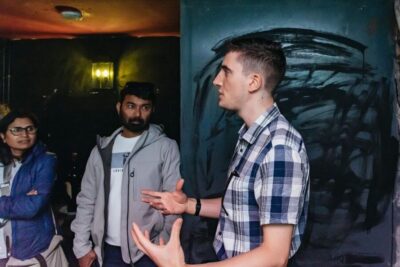
The tour is private, meaning only your group participates. That changes the feel in a good way: you can ask questions without hearing them echoed across strangers. Also, you can tell your guide what you want more of, since the itinerary is flexible.
The route is designed for moderate physical fitness. In practice, that usually means you should plan for steady walking between stops, with chances to pause at memorials and inside key buildings.
Dohány Street Synagogue: the main event you can step into
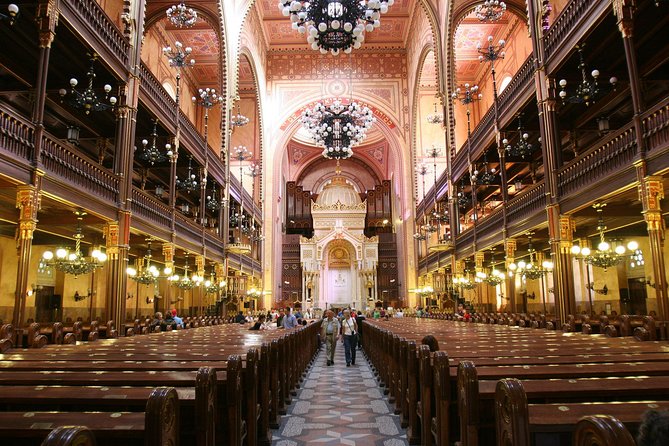
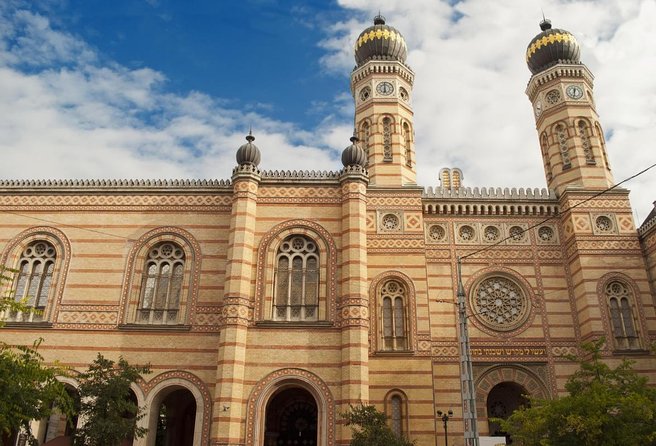
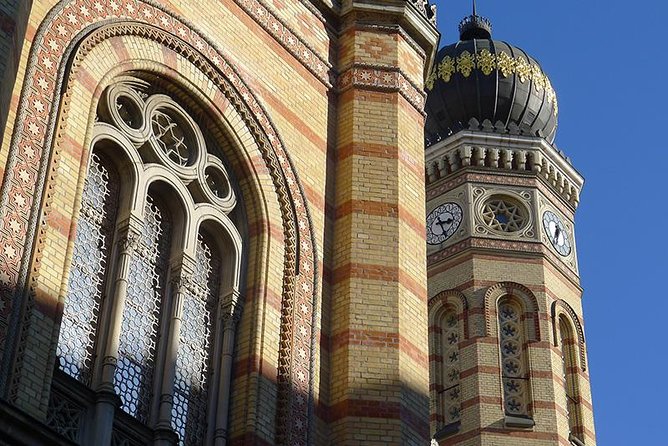
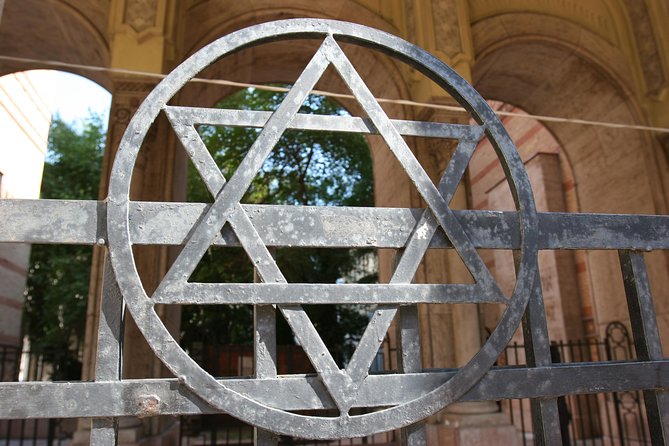
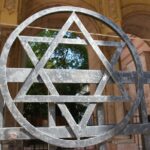
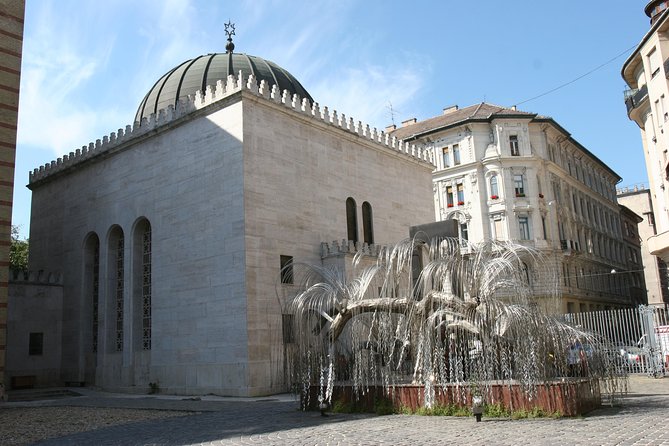
The heart of the experience is the Dohány Street Synagogue visit. This is Europe’s biggest working synagogue, and you don’t just view it from the outside. You’ll go inside, which makes the building feel like a living place rather than a photo-op.
Before or after synagogue time, you’ll spend time at the Jewish Museum. You’ll see Hungarian Jewish cultural materials through art collections, and there’s a separate room that commemorates the Holocaust in Hungary. That museum stop gives you context so the later memorials land with more weight.
I also like how this part of the tour balances awe with information. A synagogue is architecture, community, and faith. The museum adds the historical “why,” so you’re not just admiring details without understanding the stakes.
Martyrs’ Cemetery, Raoul Wallenberg, and the Tree of Life memorials
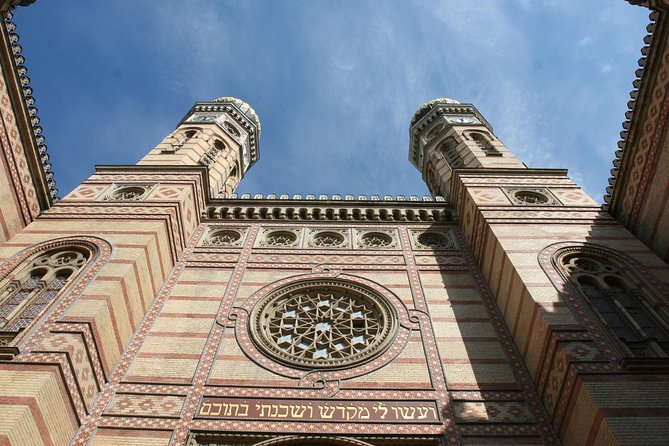
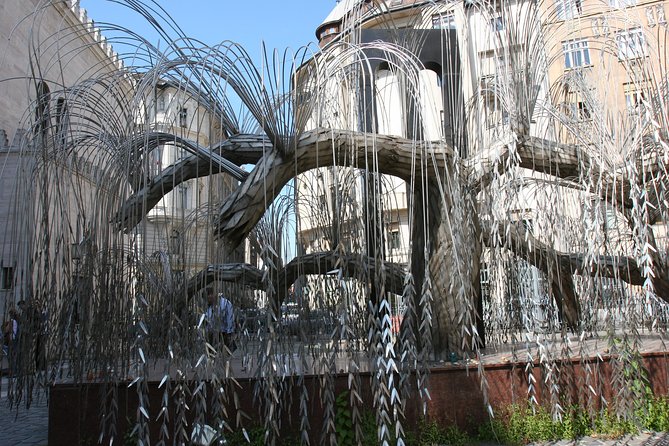
If you want to understand why certain names show up again and again in Budapest’s Jewish story, this section is where it happens. On the shorter and essential routes, you’ll visit the Martyrs’ Cemetery and then move on to memorials tied to Raoul Wallenberg and the Tree of Life.
These stops change the tone. You’ll slow down naturally because memorial parks ask for quiet attention. A good guide helps you read what you’re looking at—symbols, names, and the sense of remembrance behind the design—so you don’t leave with only general impressions.
This is also where the private format shines. If your group has specific interests, your guide can shape the explanations around what you care about, whether that’s rescue efforts, community survival, or how memory is preserved in public space.
Deák Ferenc Square and Madách Square: Pest before the ghetto label
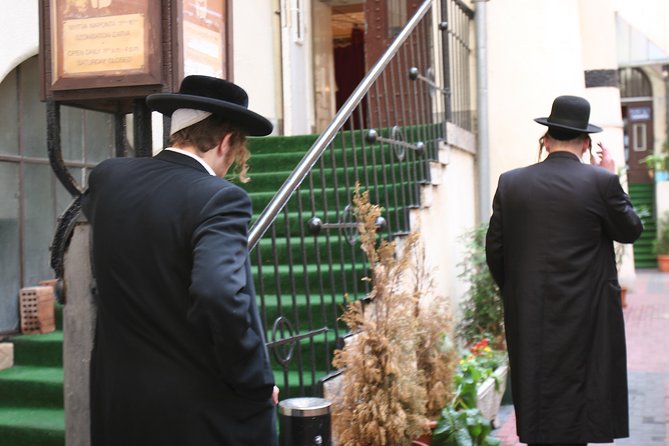
For the Essential and Grand options, the tour begins in the historical heart of Pest at Deák Ferenc Square. You’ll hear how this area connects to the old Jewish market and earlier city life. It’s a useful start because Budapest’s story isn’t only about later war-era events.
From there you’ll move to Madách Square, tied to Pest’s first synagogue and the Orczy house area. You’ll also pass the Gábor Sztehlo Monument, a statue honoring the Lutheran pastor who was recognized as Righteous among the Nations.
You’ll then get an exterior look at Rumbach Street Synagogue. Even without stepping inside, an exterior pass can still be valuable because it shows you the neighborhood’s “religious geography”—how synagogues and community buildings sit in the urban fabric.


Jewish Museum + Dohány Street Synagogue again: why they pair well
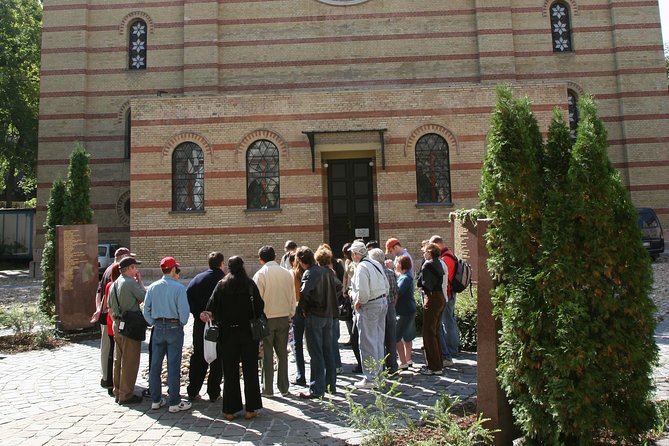
You might notice the tour repeats key anchors across different lengths. That’s not a mistake. The Jewish Museum and Dohány Street Synagogue work as a pair because one gives context and the other gives place.
At the museum, you pick up the story of Hungarian Jewish life and the way the community changed over time, including the commemorative space for the Holocaust in Hungary. Then the synagogue gives you a tangible sense of what community life looked like when it was anchored in daily practice and shared spaces.
If you’re short on time, the Small Tour keeps this core tight. If you have longer, the Essential and Grand add more street-level context around Pest and then bring you back to the key interior sites.
Kazinczy Street Synagogue and the Orthodox Jewish Quarter
On the Grand Tour, you get further into the neighborhood’s religious and cultural maze. After Carl Lutz Memorial Park, you’ll continue through places like the Gozsdu Passage. That move is more than scenery. It helps you understand how the area evolved into a mix of community life, religious institutions, and commercial passageways.
Then you’ll visit the Orthodox Jewish Quarter area and end with an interior visit at the Kazinczy Street Synagogue. The Kazinczy interior visit is one of the biggest reasons to pick the longer route, because not every walking tour line-up gives you a second synagogue inside.
The Carl Lutz Memorial Park stop also adds an extra layer. Carl Lutz is often framed as Hungary’s Schindler, and including him here makes the rescue story part of the same walk rather than a separate detour.
The kosher cake stop at Fröhlich Confectionery
If you pick the Grand Tour, there’s a break option for glatt kosher cake at Fröhlich Confectionery. Food isn’t listed as included for the tour overall, so this is best treated as a planned treat rather than a guaranteed lunch.
Still, I like this kind of add-on for one simple reason. After a heavy historical route, a pastry stop gives you a human pause. You can sit, recharge, and talk through what you just saw while you’re still in the neighborhood.
Price and value: is $191.72 per person worth it?
At $191.72 per person for about 5 hours, the real value comes from what you get bundled together. This isn’t just a guide plus walking.
You get hotel pickup, a private guide, and admission included for the Dohány Street Synagogue (and Kazinczy Street Synagogue on the longer route). That matters because synagogue entry and museum/sight access aren’t the kind of thing you want to gamble on by improvising.
You also get flexible start time options and a private setting, which usually costs extra if you try to recreate it with taxis plus a museum ticket plus a separate guide. For couples, families, or anyone who wants a calmer experience without a crowd, the price starts to look more reasonable.
One trade-off: food and drinks aren’t included. If you’ll need lunch time fuel, plan to budget for it or pick a quick stop yourself after the tour.
What it feels like with real guides (and how to use that advantage)
This kind of tour lives or dies by the guide’s ability to connect details to people. In the accounts I’ve seen, guides like Benjamin and Petra stand out for making the story personal and easy to follow, not just reciting facts from a script.
If you care about your own family angle or a specific theme (rescue stories, community institutions, or how Budapest changed), use your private format. Ask your guide early, and keep asking. That’s when the itinerary flexibility becomes useful rather than just marketing language.
Also, pace matters. Some guides slow down to let you take photos or sit in the museum spaces. If your group needs a slower rhythm, say so right up front.
Practical tips for getting the most out of the walk
Bring comfortable shoes. This is a walking tour with multiple stops in a compact area, and synagogues plus memorial parks can mean standing and slow moving in and out.
Plan for a history-forward morning or midday. Even if you’re not a museum person, the Jewish Museum Holocaust room adds emotional weight, and the memorial stops after that reinforce the message. Give yourself time to absorb, not rush to the next big tourist thing.
If you’re choosing the shorter route, decide what you want most. The Small Tour is tighter around the Dohány Street core. The Grand Tour adds more neighborhood breadth and the Kazinczy interior visit.
Should you book this Jewish Heritage Tour?
Book it if you want a private, structured walk through Budapest’s Jewish sites with actual interior synagogue access and memorial stops that don’t feel like a checklist. The hotel pickup is a strong perk, and the three route lengths let you match the day to your schedule.
Skip it or adjust expectations if you’re looking for a purely outdoor highlights walk or if you want a full meal included. Also, if you’re hoping to cover every single famous Jewish memorial in Budapest in one go, you may find this route covers the major sites it focuses on rather than every possible add-on.
If you do book, I’d pick based on depth:
- Small if you’re short on time and want the Dohány Street core.
- Essential if you want Pest’s early Jewish anchors too.
- Grand if you want the full arc plus Kazinczy interior and the Carl Lutz memorial stop.
FAQ
Are hotel pickup and admission tickets included?
Yes. Hotel pickup is included from centrally located hotels, and admission is included for the Dohány Street Synagogue. The longer route also includes entry to the Kazinczy Street Synagogue.
Which tour lengths are available?
There are three options: a Small Tour (about 2 hours), an Essential Tour (about 2.5 hours), and a Grand Tour (about 4.5 hours).
Can I choose my start time?
Yes. You can choose your start time and the tour is offered in English.
Is this tour private?
Yes. It’s a private tour, so only your group participates.
Does the tour include food?
Food and drinks aren’t included, except that the Grand Tour has an invitation to have cake at Fröhlich Confectionery.
What sites are the most central on every option?
The Dohány Street Synagogue is a key stop, and the experience includes major memorial locations such as the Raoul Wallenberg memorial area and the Tree of Life memorial, with route details expanding as you choose longer tours.