REVIEW · BUDAPEST
Explore the rich Jewish heritage of Budapest PRIVATE TOUR
Book on GetYourGuide →Operated by Roll On Magyarország Kft. · Bookable on GetYourGuide
Budapest’s Jewish Quarter tells stories fast. This PRIVATE TOUR is short on time, long on meaning, pairing key sights with a real local-food stop. You’ll walk with an English-speaking guide and see how centuries of Jewish life shaped this part of the city.
What I like most are the stops that make the history feel physical, plus the architecture you can spot right from the sidewalk. The Shoes on the Danube Bank memorial and the coffee-and-flódni break are both high points.
One drawback to consider: synagogue entry isn’t included. You’ll see major synagogues from the outside, and if you want interiors (or a museum ticket), you’ll need to arrange that separately.
In This Review
- Key highlights
- A two-hour Jewish Quarter walk that actually fits real life
- Starting at Starbucks on Fashion Street: where the tour begins
- From the Hungarian Electrotechnical Museum to the Ghetto Memorial Wall
- Kóser Piac and Babka Deli: where food becomes culture
- Dohány Street and Rumbach Street synagogues: the street-view masterclass
- Shoes on the Danube Bank: a moment that asks for attention
- Coffee and flódni: how to make the break feel worth it
- Optional add-ons: Jewish Museum and nearby suggestions
- Price and guide quality: does $49 deliver?
- Should you book this Budapest Jewish Heritage PRIVATE TOUR?
- FAQ
- FAQ
- How long is the private Jewish heritage walking tour?
- Where does the tour meet?
- Is this tour private?
- What language is the tour guide?
- Are synagogue entrances included?
- Is food included?
- Is the tour wheelchair accessible?
- Is it suitable for children?
- What’s the cancellation policy?
Key highlights
- Private, English-speaking guide for 2 hours, so you can ask questions without a crowd
- Dohány Street and Rumbach Street synagogues from outside, including the Moorish-Romanesque and Art Nouveau/stained-glass details
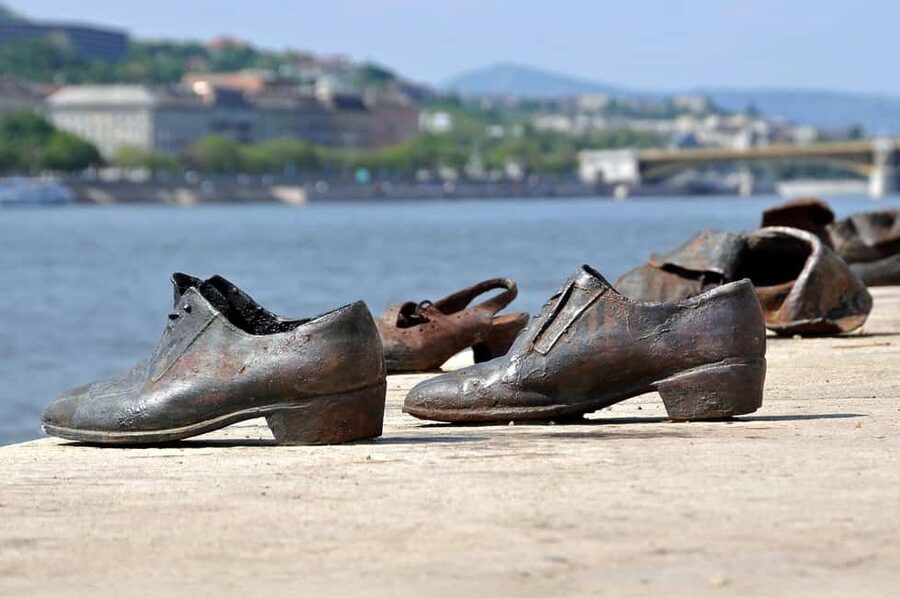
- Shoes on the Danube Bank memorial, a powerful World War II remembrance stop
- Kóser Piac (Kosher Market) and Babka Deli, where food and everyday Jewish life fit into the walk
- Coffee and flódni pastry at a local spot during the tour
- Optional upgrade paths like the Jewish Museum with an extra ticket
A two-hour Jewish Quarter walk that actually fits real life

If you’re in Budapest for a short time, this is the kind of tour that helps you get bearings without rushing yourself into overload. In just 2 hours, you cover big symbols and street-level details in the Jewish Quarter, with a guide who connects what you see to the people behind it.
I like that the focus isn’t only monuments. You also get a normal-life feel: markets, cafés, and the kinds of foods that show up in day-to-day culture. That matters because Jewish history in Budapest isn’t just one chapter; it’s a long arc that includes faith, community life, and also the trauma of World War II. The tour’s stops are arranged so you can feel that shift—first in the neighborhood streets, then in the memorial moment, then back toward contemporary culture.
The tour is also built for comfort. It’s a private group, wheelchair accessible, and it’s designed to be walkable. Still, it’s not meant for very young kids (it’s not suitable for children under 12), so plan on it feeling more like an adult-focused city walk with context.
You can also read our reviews of more tours and experiences in Budapest.

Starting at Starbucks on Fashion Street: where the tour begins
You meet in front of Starbucks on Fashion street, and a colleague holds a ROLLON board to help you identify the group. This is a practical starting point: it’s easy to find, and you can often get oriented nearby before you head into the Jewish Quarter streets.
Because the meeting spot is in the city center, you’re not wasting your first 20 minutes trying to track down a side street. That’s a small thing, but it’s the kind of small thing that makes a 2-hour tour work. Once you’re underway, your guide sets a pace that balances storytelling with time to actually look at buildings and memorial details, not just keep moving.
One note: the experience includes a walking component with guided sightseeing stops. If you’re sensitive to time on your feet, bring whatever you need for a short but steady walk—comfortable shoes go a long way. The good news is the total duration is tight, so there isn’t time to feel worn down.
From the Hungarian Electrotechnical Museum to the Ghetto Memorial Wall
The route begins with a guided stop at the Hungarian Electrotechnical Museum. You’re not just passing by; you get a guided tour element with sightseeing and walking. Even though the tour data doesn’t spell out what you’ll see inside, the key is the format: it’s an official setting for context before you move into the neighborhood memorial sites.
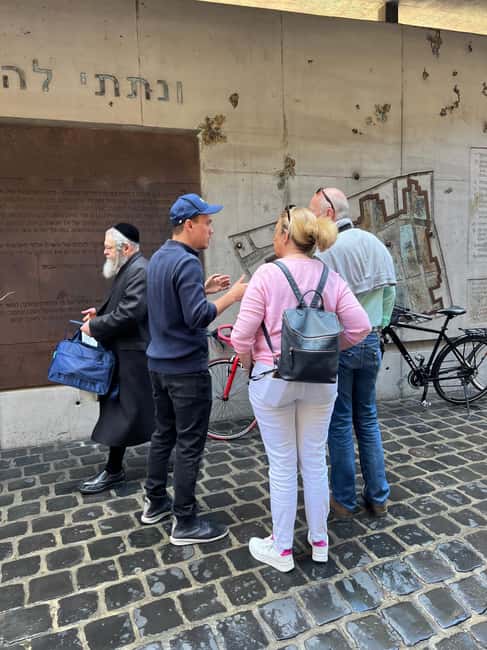
Then the walk shifts into remembrance with the Ghetto Memorial Wall. This is one of the most important stops, because it signals that you’re entering a part of Budapest where history is not abstract. It’s tied to the places where people were affected, and it sets an emotionally serious tone for the rest of the tour.
I find memorial-focused moments like this work best when you give yourself one job: slow down and look. Your guide will be explaining what’s there, but you’ll get more out of it if you also take a few seconds to read details rather than just listen while walking. Even on a short tour, those little pauses help the story land.
Kóser Piac and Babka Deli: where food becomes culture
A big reason I like this tour format is that it doesn’t treat food as an afterthought. It builds it in. You’ll stop at Kóser Piac (Kosher Market), with time for guided sightseeing and shopping. This is where you get a sense of what kosher commerce looks like on the ground today—so you can connect the cultural side of Jewish Budapest to something you can actually see and buy.
From there, you’ll visit Babka Deli for a food tasting. Again, the tour details don’t list exact items beyond the flódni mention later, but the pattern is clear: you’re sampling foods that are part of Jewish-influenced Hungarian life, not just grabbing a random snack.
One practical tip: because food and drink are optional, I’d go with whatever feels most tempting in the moment rather than trying to force a “must-eat” list. If you’re hungry, ask what’s freshest. If you’re not, treat it as tasting-size so the tour doesn’t turn into an overstuffed day.
And if you have dietary needs beyond the kosher context, ask at the tasting stop. The tour is structured around Jewish-quarter sites, but your exact order will still be based on what the restaurant and market offer that day.
Dohány Street and Rumbach Street synagogues: the street-view masterclass

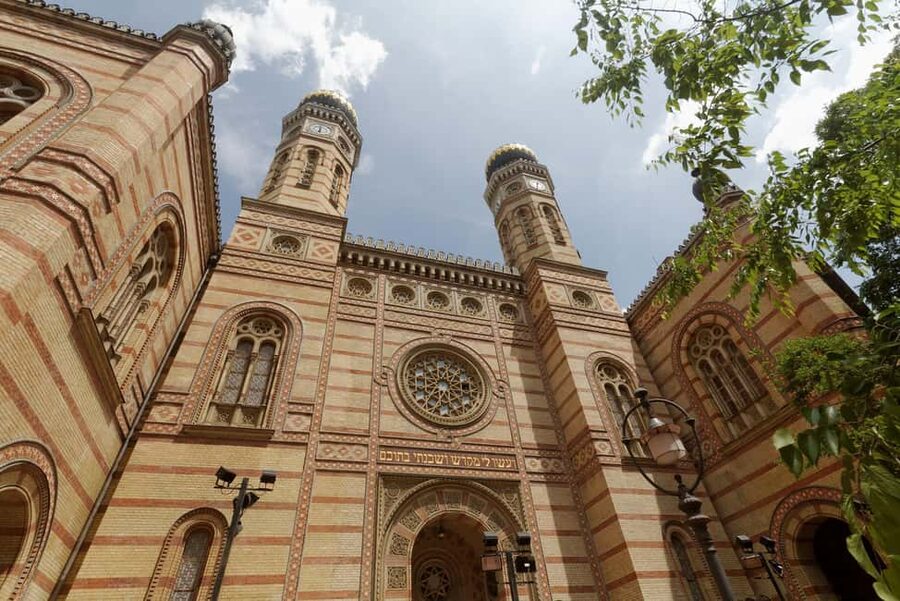
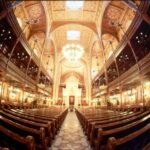
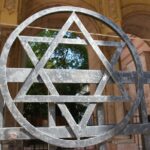
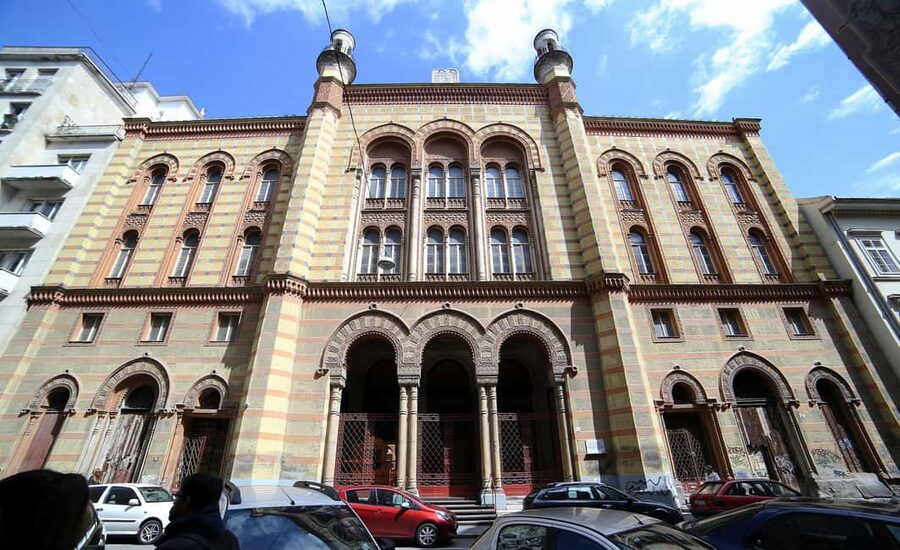
You’ll see two major synagogues as exterior stops: Dohány Street Synagogue and Rumbach Street Synagogue. The tour specifically notes that entrances aren’t included, so think of these stops as an architectural walking lesson from the sidewalk.
First up, Dohány Street Synagogue. From outside, you’ll notice its fusion design—Moorish and Romanesque architecture. That mix is a big part of why people recognize it so quickly once they’re told what to look for. Instead of being just “a synagogue,” it reads like a building designed to project identity, presence, and community pride.
Next is Rumbach Street Synagogue, known for Art Nouveau details and stained-glass windows. Even if you’re not a design nerd, it’s hard not to be impressed by how much color and ornamental detail shows through the exterior look. A good guide helps you spot the patterns so you don’t just see a façade—you see choices made in stone and glass.
If you want interiors, you’ll need separate tickets. That’s a common gap on many short walks, and it’s worth planning in advance if synagogue interior viewing is a must for you.


Shoes on the Danube Bank: a moment that asks for attention

Every Budapest itinerary should include time for remembrance, and Shoes on the Danube Bank is the one that hits hardest. This tour includes it as a pay-respects stop, tied to World War II remembrance. It’s described as a powerful memorial commemorating victims of World War II.
In practice, the best way to get value here is to treat it like a slow stop rather than a photo stop. Your guide will explain the significance, and you can use that guidance to understand why the memorial is shaped the way it is and why it’s placed along the river.
If you care about getting the most from this part: don’t try to multitask. Put your phone away for a minute. Let yourself stand there and really look. Even in a 2-hour tour, you’re allowed to pause—this is one of the stops you should.
Coffee and flódni: how to make the break feel worth it
The tour highlights a stop for Hungarian coffee and the traditional pastry flódni. Since food and drink aren’t strictly included, your best bet is to treat this as an order-and-enjoy moment rather than a pre-planned obligation.
Flódni is a pastry that feels made for tour pacing: it’s filling enough to satisfy, but it won’t take over your entire afternoon like a full meal might. The coffee-and-pastry rhythm also gives you a mental reset after the memorial portion. That matters. If you go straight from the serious content into a long shopping spree, you can feel emotionally drained without realizing why. This break helps restore balance.
When you’re choosing what to order, keep it simple: if flódni is on offer, try it. Then pair it with the coffee the local spot serves. You’ll get the cultural flavor of the Jewish Quarter without spending time debating options.
Also, keep in mind the tour doesn’t allow alcohol and drugs. So plan on a clean, focused walk, and let the coffee be the indulgence.
Optional add-ons: Jewish Museum and nearby suggestions

One of the smarter parts of this tour is that it doesn’t try to do everything in 2 hours. It offers a way to go deeper: you can add a visit to the Jewish Museum, but an additional ticket is required.
That’s a useful distinction. Museum time usually needs longer attention and usually costs more. So having this option means you can match your interest level. If you only have time for a focused neighborhood walk, you’re set. If you want more context behind what you saw, you can extend the experience with museum content.
Your guide will also suggest nearby attractions you can explore, including the Kazinczy Street Synagogue, the Holocaust Memorial Center, and the Raoul Wallenberg Memorial Garden. I like having these pointers because they help you design the rest of your day around what you care about most, instead of guessing.
Price and guide quality: does $49 deliver?

At $49 per person for a 2-hour private walking tour, the value comes from what’s included rather than the headline price. You’re paying for a focused route, a history-based guide, and access to curated stops—especially the combination of architectural exteriors and the memorial moment.
Where this tour seems to shine is guide performance. The overall rating sits at 4.6 based on 13 reviews, and multiple guests praised guides by name. People highlighted guides such as Anne and Anna for being friendly and full of relevant details, and Levi also came up as a strong guide with lots of knowledge about Hungary’s history, politics, and society.
One caution, though. In one case, a guest noted the guide Levi was not Jewish, and that limited the ability to answer certain questions related to faith-specific topics. That doesn’t make the tour less worthwhile, but it’s a good reminder: if you want religiously grounded answers, your best move is to ask questions during the tour and see how the guide can respond. The tour is built around history and place-based storytelling, not guaranteed religious instruction.
Should you book this Budapest Jewish Heritage PRIVATE TOUR?
Book it if you want a short, private, guided walk that gives you structure: synagogue exteriors, a market and pastry stop, and a serious World War II memorial moment. It’s a good fit for first-timers who want to understand the Jewish Quarter without needing a full-day commitment.
Skip it (or plan to upgrade) if synagogue interiors and museum time are your top priority. This tour explicitly does not include entry into synagogues, and the Jewish Museum requires a separate ticket. Also, if you’re traveling with kids under 12, this isn’t the right match.
If you’re aiming for a practical, respectful, and local-feeling overview of Budapest’s Jewish Quarter, this tour is a solid choice—especially because the guide element is the difference between walking past sights and actually understanding what those places mean.
FAQ
FAQ
How long is the private Jewish heritage walking tour?
It lasts 2 hours.
Where does the tour meet?
You meet in front of Starbucks on Fashion street, where a colleague will be waiting with a ROLLON board.
Is this tour private?
Yes, it’s a private group tour.
What language is the tour guide?
The live tour guide speaks English.
Are synagogue entrances included?
No. The tour does not include entry into synagogues, but separate tickets may be purchased if you want to go inside.
Is food included?
Food and drink are optional. The tour includes a break idea with coffee and flódni, but ordering isn’t stated as fully included.
Is the tour wheelchair accessible?
Yes, it’s listed as wheelchair accessible.
Is it suitable for children?
It’s not suitable for children under 12.
What’s the cancellation policy?
You can cancel up to 24 hours in advance for a full refund.