REVIEW · ATHENS
From Athens: Explore Ancient Greece 4-Day Tour
Book on GetYourGuide →Operated by Key Tours · Bookable on GetYourGuide
Athens to ancient Greece in four days is a fast ticket back in time. I like how the tour strings together big-hitter sites like Epidaurus and Meteora without feeling rushed on the facts, thanks to a live guide who keeps the story clear. I also love the comfort factor: a luxury A/C bus, plus included entrance fees, hotels, and meals. One drawback to plan for: you’ll spend a lot of time on the road, and the pace can feel “pack it in” on days with long drives.
What makes this itinerary appealing is the mix of myth, stadium-level athletics, and serious worship sites—plus the scenery you see while crossing bridges and moving through mountain areas. In particular, Olympia and Delphi give you that rare combo of grand ruins and meaning, while Meteora adds the wow factor with monasteries perched high on sandstone pillars. The biggest consideration is simple: if you hate walking ruins in warm weather or dislike a strict dress code, this won’t be your easiest trip.
In This Review
- Key highlights worth knowing before you go
- The 4-day Athens-to-the-ancient-world route: what it feels like
- Epidaurus theatre + Nafplio: the start that sets the tone
- Mycenae + Olympia: Agamemnon and the real setting of Olympic myth
- Delphi + Arachova + the in-between drive: worship, views, and the sacred atmosphere
- Kalambaka base + Meteora monasteries: the height is the point
- Price and value: does $742 make sense for four days?
- Where the tour can feel tight (and how to make it easier)
- Guides, drivers, and the comfort factor that actually matters
- Before you go: practical packing and rules (so you don’t lose time)
- Should you book this Athens-to-Meteora tour?
- FAQ
- Where is pickup in Athens, and when does it happen?
- What meals are included in the tour price?
- What’s included in the $742 per person price?
- Are there dress rules for Meteora monasteries?
- How much is the hotel accommodation tax?
- Is the tour wheelchair accessible?
- Can I book a single room?
- Is free cancellation available?
Key highlights worth knowing before you go
- Epidaurus theatre acoustics: a site famous for how sound carries, not just for pretty stone.
- Mycenae’s power myths: you’ll stand in ruins tied to Agamemnon and the Argolid’s royal world.
- Olympia’s Olympic Flame ritual space: the temples and the altar area connect myths to an actual tradition.
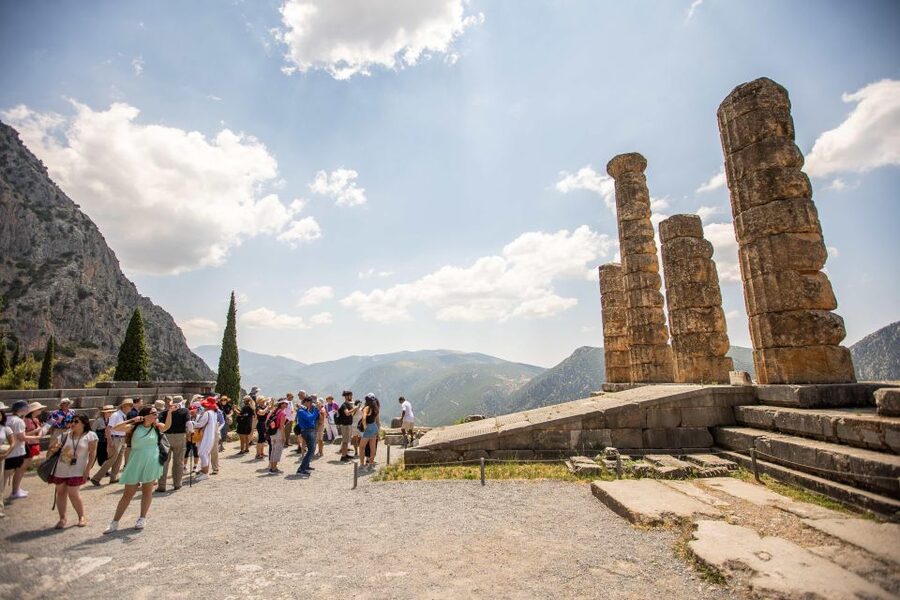
- Delphi’s “navel of the world” aura: you’ll visit the worship center and then pause in Arachova.
- Meteora monasteries above Kalambaka: monasteries built on tall sandstone pillars with dramatic views.
- Live guide commentary in English/Spanish: guide names vary, but the common theme is strong explanations and steady pacing.
The 4-day Athens-to-the-ancient-world route: what it feels like
This is a classic “big sweep” tour. You’re based in hotels for three nights, riding a luxury A/C bus between sites, and using your time on the ground for the places that most people come to Greece for in the first place. It’s not a slow-study trip where you take your time in one museum for hours. It’s more like a guided greatest-hits album—only you’re standing where the songs were written.
The upside of that style is focus. You don’t have to figure out how to get from Epidaurus to Mycenae, or connect Olympia with Delphi and Meteora in a sensible way. And because the tour includes entrance fees and a live guide, you spend less time on logistics and more time learning what you’re looking at.
The tradeoff is energy. Even with comfortable bus travel and overnight stays, you’ll still be doing multiple site stops across four days. Bring good walking shoes and accept that you’ll have “one more stop” days, not “hang out forever” afternoons.
You can also read our reviews of more tours and experiences in Athens.
Epidaurus theatre + Nafplio: the start that sets the tone
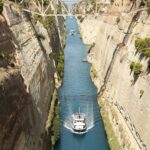
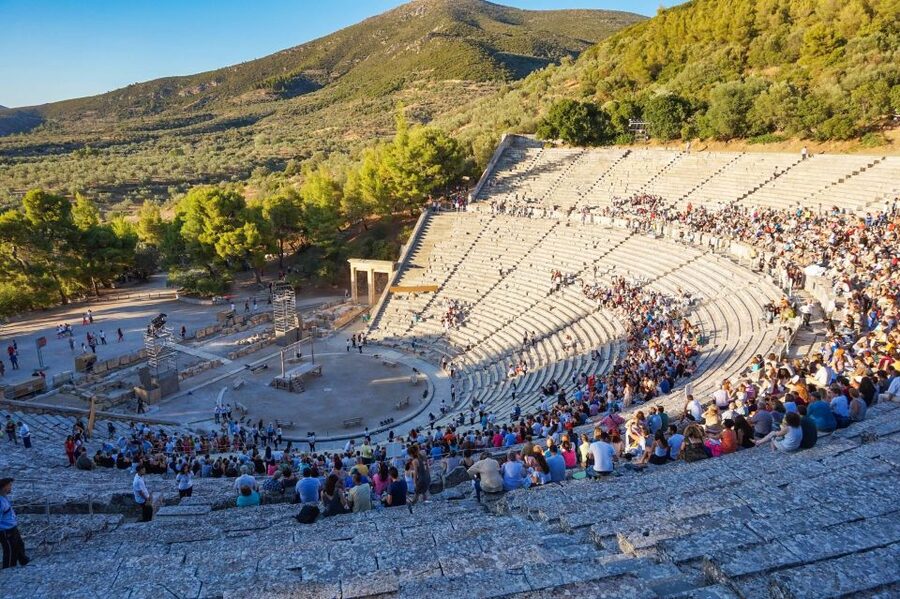
Day 1 begins with a drive along the Corinth Canal, then moves straight into the heart of the ancient world at Epidaurus. This is where you test the imagination even before you test anything with your voice: the ancient theatre is known for symmetry and exceptional acoustics. You’ll see why people still talk about how well sound travels here—standing in the space makes it easier to understand why this wasn’t just entertainment, it was a cultural engine.
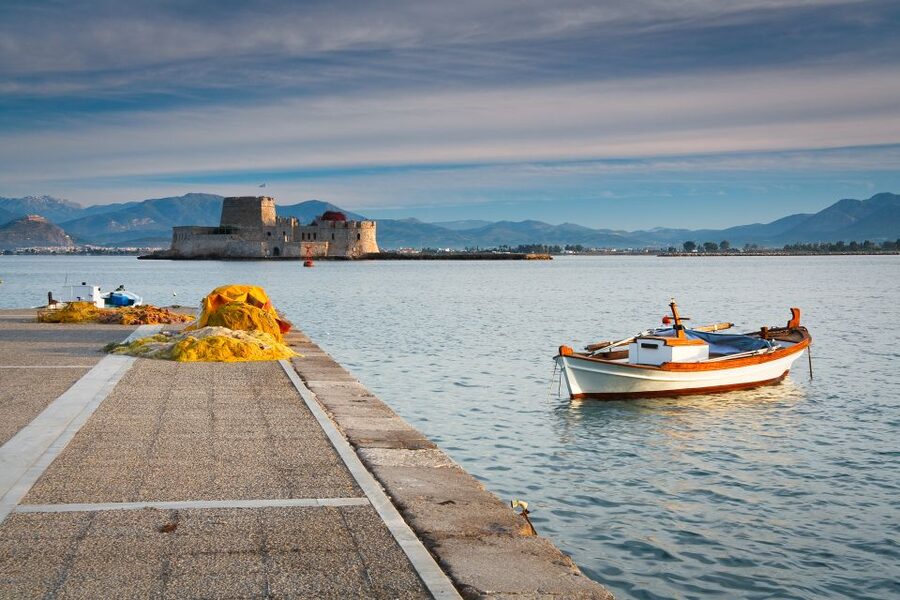
From there you’ll head to Nafplio for a short stop. This isn’t the main event, but it’s a useful palate cleanser. You go from stone-and-myth to a seaport town vibe, giving you a breather before the day turns into royal-history mode.
Then you continue onward through the plain of Argos to Mycenae. By the time you reach the site, you’re already warmed up on the geography of southern Greece, which helps the myths land with more force. It also matters because the tour’s theme is power and religion—Epidaurus gives you performance and healing associations, and Mycenae gives you rule.
Practical tip: Epidaurus and Mycenae involve walking on uneven ground. If you have knee trouble, plan for it and take your time on the steeper bits.
Mycenae + Olympia: Agamemnon and the real setting of Olympic myth
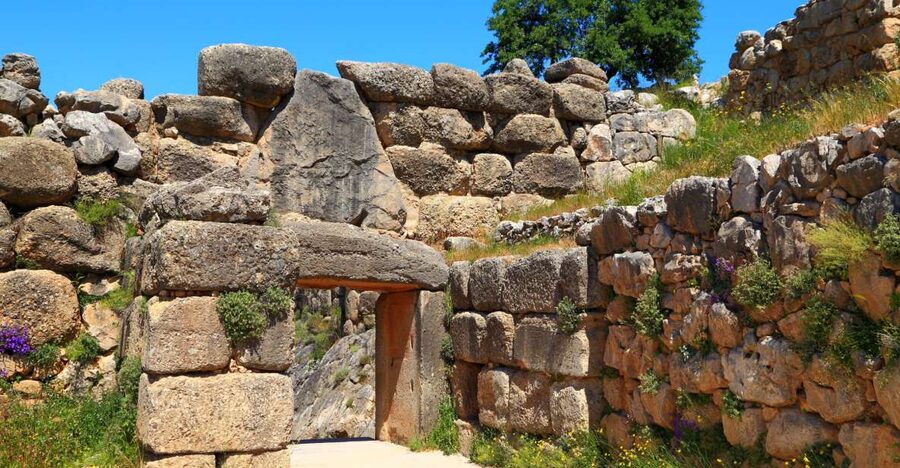
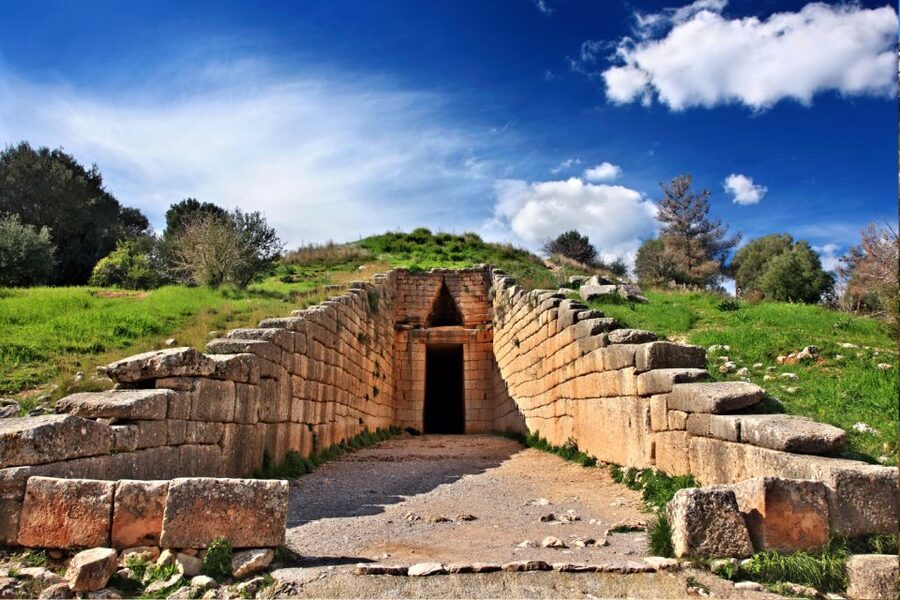
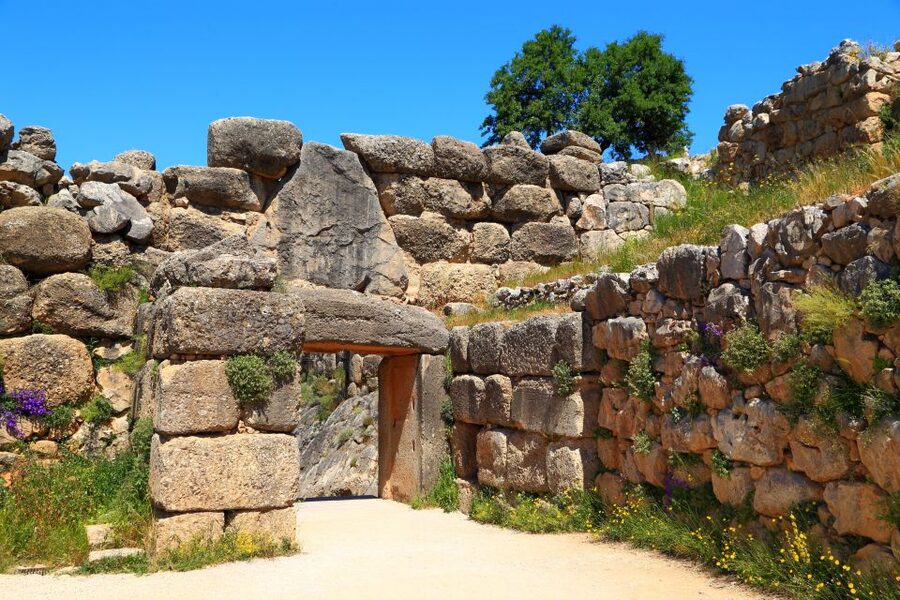
Mycenae is the day’s “royal shock”: the ruins feel like a whole system, not a single monument. You’ll visit the archaeological site and see the Tomb of Agamemnon, a location that anchors the story of classical-era leadership in stone and hilltop views. Even if you don’t carry every historical detail in your head, the setting helps. You understand why this kind of place mattered: control of space, visibility, and authority.
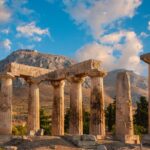
Then the tour moves on to Olympia, where you spend the night. Olympia is where ancient Greece gets physical in your mind—temples, ritual areas, and the famous Olympic traditions. You’ll visit major temple areas including the temples of Hera and Zeus, plus you’ll see the altar area tied to the Olympic Flame—the location where sacrifices were made.
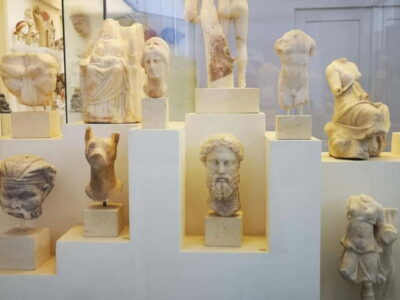
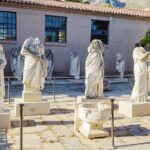
You’ll also spend time at the site’s museum. That museum time is valuable because it turns “I saw ruins” into “I can recognize what I’m looking at.” When a guide points out key objects, it’s easier to connect what survives to what used to be there.
One small balancing note: Olympia can feel like a lot of walking compared to a single landmark stop. If you prefer fewer stops with longer stays, this day may feel intense. Still, Olympia is the kind of place that repays effort fast.
Delphi + Arachova + the in-between drive: worship, views, and the sacred atmosphere
Day 2 is the “where myth meets geography” day. You go from Patras and cross the Rio-Antirrio bridge, a modern feat that contrasts sharply with the ancient places you’re visiting. You also travel past Nafpaktos and along the coastal road, which helps break up what would otherwise be a nonstop history train.
Then you arrive in Delphi, often described as the navel of the world. That idea isn’t just poetic. Delphi’s location and the way the site sits in relation to the surrounding terrain make it easy to understand why Greeks framed it as a center for worship. You’ll visit the key religious areas, and your guide can help you sort what’s sacred, what’s symbolic, and what’s architectural.
In the afternoon you’ll head to Arachova, a picturesque mountain village. This stop matters more than it sounds like it does, because it gives you a change of pace. The views and the atmosphere help you reset before you go back to Delphi for an overnight stay.
If you want one piece of advice: pace your photos and take a few minutes to just look at the setting. Delphi’s power is partly in the space between buildings, not only in the buildings themselves.
Kalambaka base + Meteora monasteries: the height is the point
Day 3 and Day 4 pivot from ancient sites into something that feels almost different in scale and spirit. You’ll have a relaxed morning in Delphi, then travel to Kalambaka—the base town for Meteora.
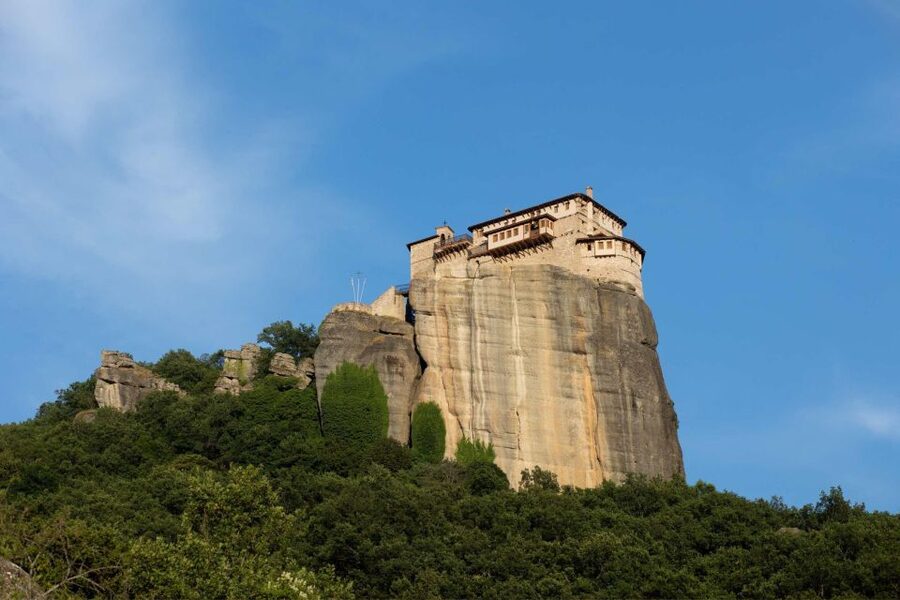
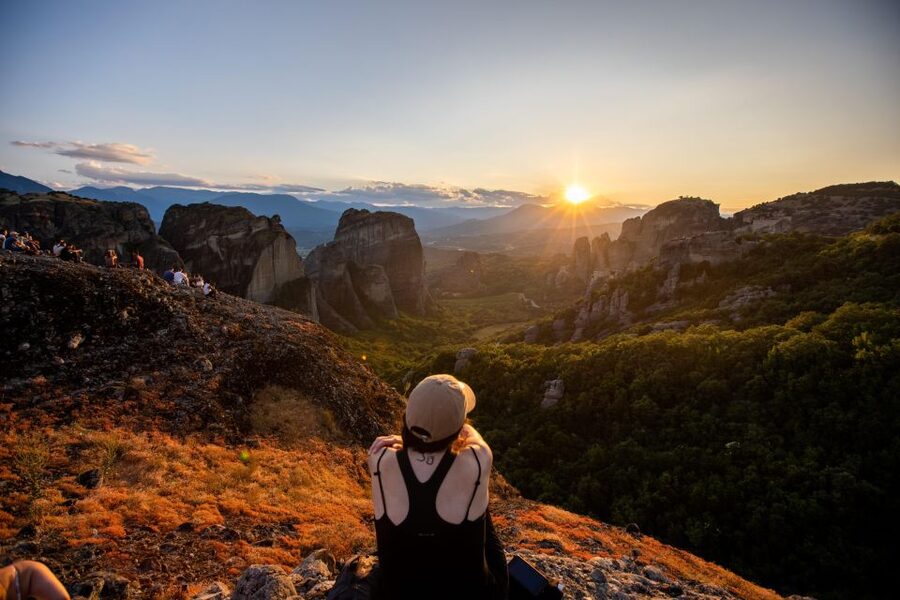
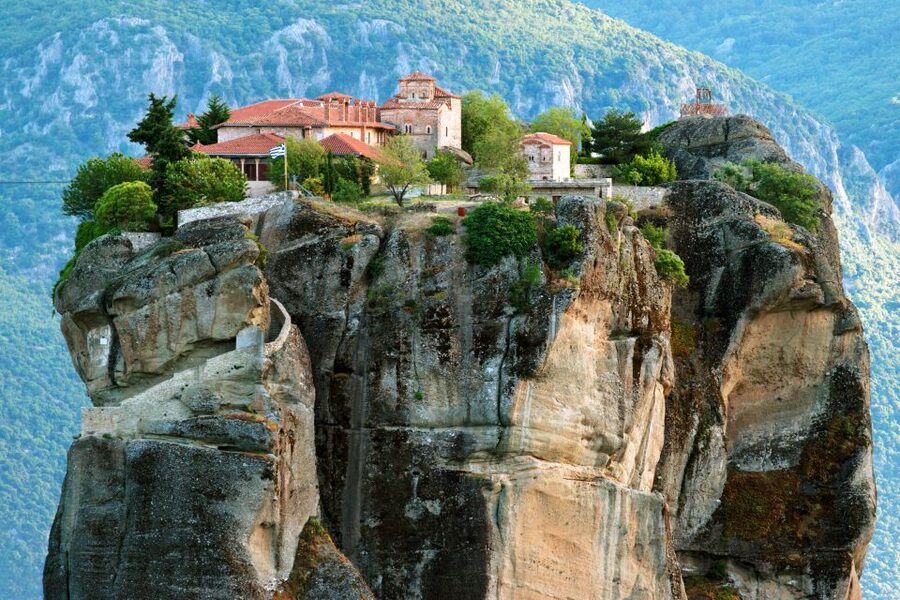
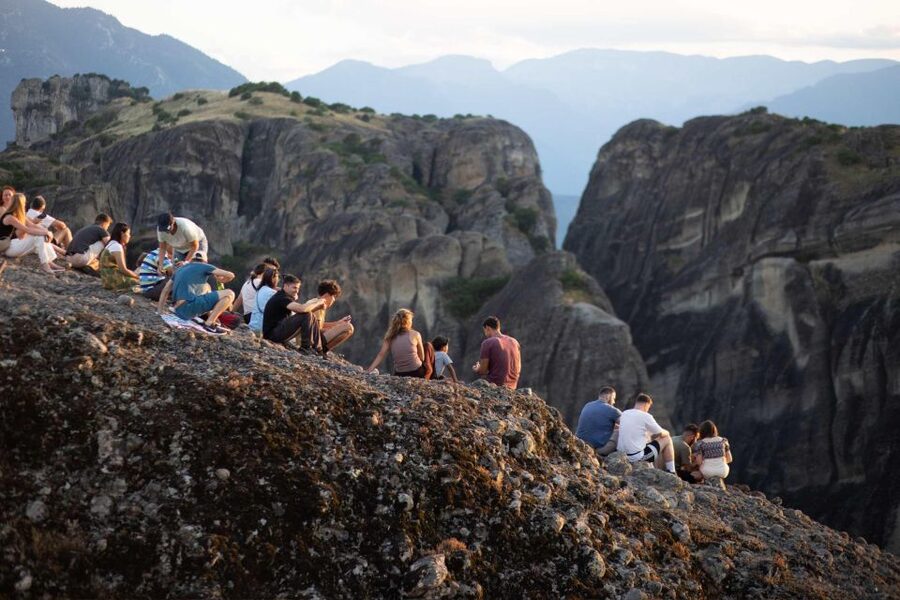
Meteora is built on six sandstone pillars, with the monasteries perched high above Kalambaka. You’ll visit the most important complex of Eastern Orthodox monasteries, and the views come straight at you. This is one of those places where the setting does as much explaining as the buildings do.
Dress code is a real factor here. You’ll need appropriate clothing, and shorts aren’t allowed. The tour also requests long-sleeved tops for female visitors and forbids short skirts. If you don’t pack accordingly, you can lose time at the entrance.
There’s also an optional stop tied to Byzantine-style icons. This is a good add-on if you like seeing how religious art is made and not just how it’s displayed.
Good to know: some people find Meteora so dramatic that it wipes out the need for extra “museum time.” Others feel it’s a one-theme stop. If you fall in the second camp, still go once—Meteora’s height and the monastery placement are hard to replace.
Price and value: does $742 make sense for four days?
At $742 per person for four days, the value depends on what you’d otherwise spend if you traveled independently.
Here’s what’s included: overnight stays in 3-star or 4-star hotels (depending on your choice), entrance fees, a tour guide, transfers via luxury A/C bus, plus breakfast and dinner. Lunch and drinks are not included, and you’ll also pay a hotel accommodation tax directly to the hotel (€10 per room/night for 4-star, €5 for 3-star).
So the real question is whether you’d pay for the same package of comfort plus guided access plus entrance tickets. In a trip like this, entrance fees and multiple sites add up fast. Also, a lot of the “work” is the driving plan—getting from Epidaurus to Mycenae to Olympia to Delphi to Meteora without a headache. This tour pays that bill for you.
One more angle: the group day-to-day rhythm can be worth it even if you don’t love tours. A strong guide helps you avoid the common trap of wandering through ruins without context. Past departures have highlighted guides such as Panaiota, Dozia, Ivan, Christina Stamou, Sofia, Angela, and Stavros, with the recurring praise being clear, steady explanations and a pace that keeps everyone moving safely. That kind of interpretation is part of the value you’re paying for.
Where the tour can feel tight (and how to make it easier)
The main “watch-outs” are simple and mostly about stamina and expectations.
First: you’ll be on the bus a lot. Even with a luxury vehicle, long drives mean you need hydration and snacks—except lunch and drinks are on you. If you prefer to eat during travel time, plan to stop for lunch outside the included meals.
Second: the dress rules are strict enough to affect what you pack. Shorts are not allowed, and Meteora has extra requirements. If you arrive with the wrong clothes, you may have to improvise.
Third: hotel quality can vary by option and by where you’re placed. The trip uses 3-star or 4-star stays, and the food and views can be excellent in some overnights. Some departures have mentioned wonderful hotel experiences in towns like Lagadia, Itea, and Kalampaka, while other overnights were described as simply okay. So if you care a lot about lodging, choose the higher star option.
Finally: if a departure expands into a larger group, it can change the feel of small-site moments—more waiting, less room to hear the guide clearly at tight spots.
None of this is a deal-breaker. It just helps you choose smart clothes, comfortable shoes, and a flexible mindset.
Guides, drivers, and the comfort factor that actually matters
A tour is only as smooth as its team. What stands out here is how often guide performance and driving style get singled out.
Multiple guides have been praised by name for being calm, friendly, and able to explain the sites in a way that makes them click. For example, Dozia has been described as having excellent site expertise and sharing it throughout the trip, while Christina Stamou has been noted for exceptional knowledge and for keeping a good pace. Angela has been praised for archaeological-level explanations and for using photos and pictures to help you see what’s harder to grasp on-site.
Drivers also matter, especially with winding mountain roads. Past mentions include Stelios, Evan, George, Leo, and Theo, with comments about safe, gentle driving and feeling comfortable in transit.
If you’re the kind of traveler who cares about how the tour runs day to day, these details matter more than you might expect.
Before you go: practical packing and rules (so you don’t lose time)
Here’s what I’d pack and wear based on the tour’s rules:
- Wear long trousers or other covered bottoms. Shorts aren’t allowed.
- For Meteora, plan long-sleeved tops (especially if you’re bringing a women’s outfit), and avoid short skirts.
- Bring a light layer for mornings and evenings. Mountain areas can feel cooler than you expect.
- Use comfortable walking shoes. You’ll cross uneven ancient terrain and climb in monastery areas.
- Expect lunch to be on your own. The tour includes breakfast and dinner, not lunch.
If you like to plan your day around food, check your own style: if you’d rather sit down for lunch at a specific place, you’ll need to build that into your free time.
Should you book this Athens-to-Meteora tour?
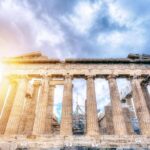
I’d book this tour if you want a guided, high-value route that hits the defining Ancient Greece landmarks in a tight four-day window, without wrestling with transportation or entrance tickets. It’s a great fit for first-timers who want context fast—Epidaurus acoustics, Mycenae’s Agamemnon tie-in, Olympia’s Olympic Flame setting, Delphi’s sacred center feel, and Meteora’s monasteries above the clouds.
Skip it if you hate a schedule with lots of movement, dislike walking ruins, or feel strongly that a monastery stop doesn’t match your interests. Also, if you can’t follow the clothing rules, it’ll be more frustration than it’s worth.
If you do book, your best move is simple: dress for the monasteries from day one, wear sturdy shoes, and keep expectations realistic about bus time. Do that, and you’ll end the trip with a Greece that feels connected—myth to athletics to worship, all in one road trip.
FAQ
Where is pickup in Athens, and when does it happen?
Pickup is available from the majority of centrally located hotels in Athens, and it happens about 1 hour before the tour departure time. If you don’t want pickup, you can meet at the tour supplier’s office 15 minutes before departure.
What meals are included in the tour price?
Breakfast and dinner are included. Lunch and drinks are not included.
What’s included in the $742 per person price?
The price includes overnight hotel stays (3-star or 4-star depending on your option), entrance fees, a tour guide, and transfer by luxury A/C bus. Hotel accommodation tax is not included.
Are there dress rules for Meteora monasteries?
Yes. Appropriate clothing is required. No short skirts may be worn, and long-sleeved tops are requested for female visitors. Shorts are not allowed.
How much is the hotel accommodation tax?
The hotel accommodation tax is paid directly to the hotel: €10 per room per night for 4-star hotels and €5 per room per night for 3-star hotels.
Is the tour wheelchair accessible?
No, the tour is not suitable for wheelchair users.
Can I book a single room?
Each booking is for a double or triple room. If you want a single room, you need a separate booking for one person only.
Is free cancellation available?
Yes. You can cancel up to 24 hours in advance for a full refund. You can also reserve now and pay later.