REVIEW · VARANASI
Varanasi: Private Heritage Walking Tour & Sunrise Boat Ride
Book on GetYourGuide →Operated by TravelLeisureIndia · Bookable on GetYourGuide
Varanasi has a way of pulling you in fast, and this combo tour gets you right to the heart of it with a sunrise Ganges private boat ride and a private heritage walking tour led by a local guide. I especially like how you’re on the water first, then on foot—so you feel the city’s rhythm instead of just reading about it. I also love the practical touch: convenient hotel pickup/drop-off in an air-conditioned vehicle (if selected) plus guide support that helps you move where cars can’t go.
One thing to consider: you will walk to reach ghats and temples since cars aren’t allowed there, and the tour isn’t suitable for people with mobility impairments or those over 95.
In This Review
- Key points to know before you go
- Why a sunrise boat ride on the Ganges matters
- Meeting at St. Thomas Church and getting to the ghats without stress
- Rowing past Manikarnika Ghat: what you’ll see and how to handle it
- The heritage walking portion: temples, ghats, and city meaning
- Optional private Arthi and the skip-the-line value
- Price and logistics: does $34 feel like a fair deal?
- The human touch: guides who know when to slow down
- Who this tour is best for (and who should skip it)
- Practical tips that make the experience smoother
- Should you book this Varanasi sunrise heritage tour?
- FAQ
- Does this tour include hotel pickup and drop-off?
- What does the sunrise boat ride cover?
- Can I take photos during the cremation ritual?
- Is a private Arthi included?
- How much walking is involved?
- What languages are offered?
Key points to know before you go
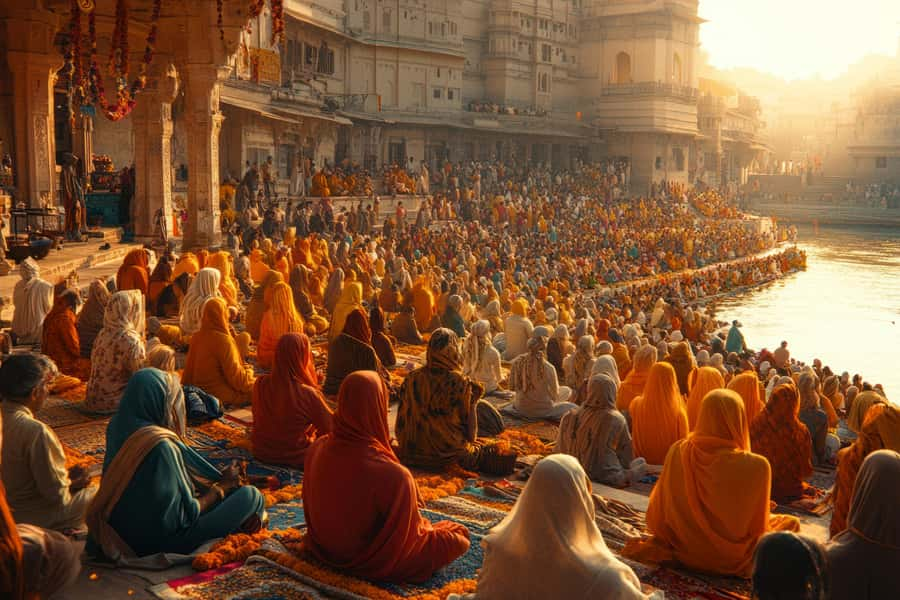
- Sunrise boat time on the Ganges along Manikarnika Ghat and other famous ghats
- A local heritage guide who helps you understand what you’re seeing as you walk
- Cremation ritual viewing from the boat, with optional photo-taking if you want
- Air-conditioned vehicle pickup/drop-off (optional) to reduce the hassle
- Skip-the-line private Arthi (optional), depending on the option you choose
Why a sunrise boat ride on the Ganges matters
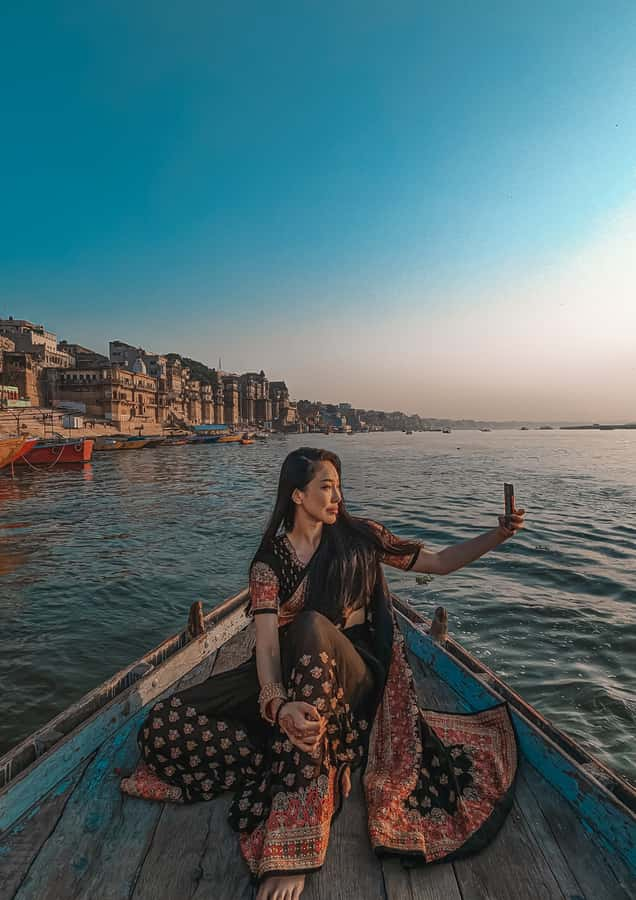
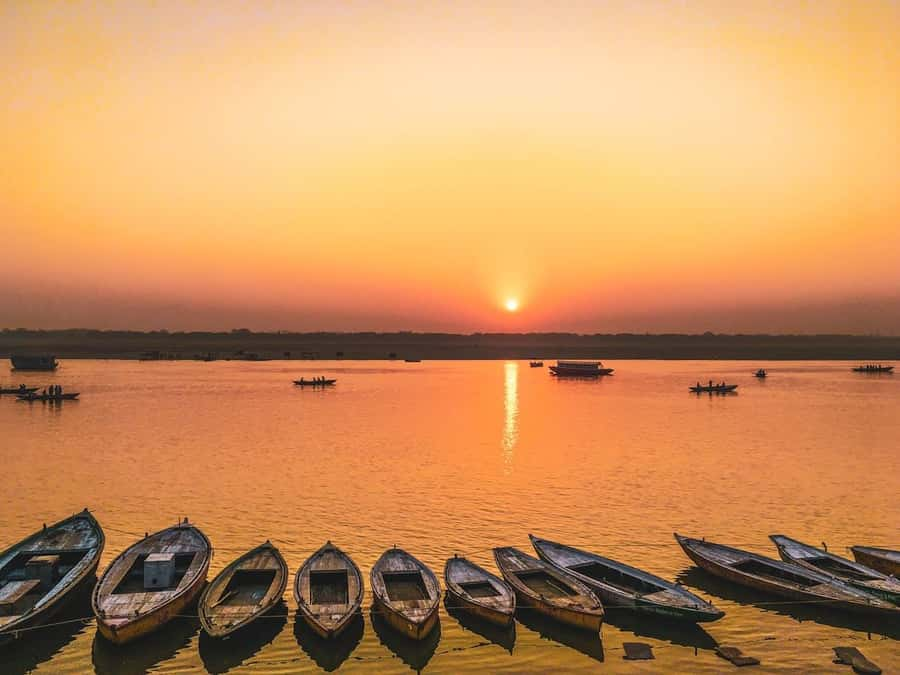
If you’ve ever tried to visit Varanasi at random times, you know it can feel like sensory overload. This tour avoids that. Starting in the morning puts you on the Ganges when the city is still waking up, and that early light makes the ghats easier to process. You’re not stuck with just crowds and noise—you get a calmer entry point before the walk.
The boat portion is the real gravity here. You row along Manikarnika Ghat, and each ghat you pass has its own story and activity. That matters because Varanasi isn’t one single attraction. It’s a whole system of places where religion, daily life, and ritual happen side by side.
And the best part for most first-timers: your guide helps you understand what you’re seeing, rather than leaving you to guess. You’ll get context as you go, which turns snapshots into something meaningful.
You can also read our reviews of more tours and experiences in Varanasi.

Meeting at St. Thomas Church and getting to the ghats without stress
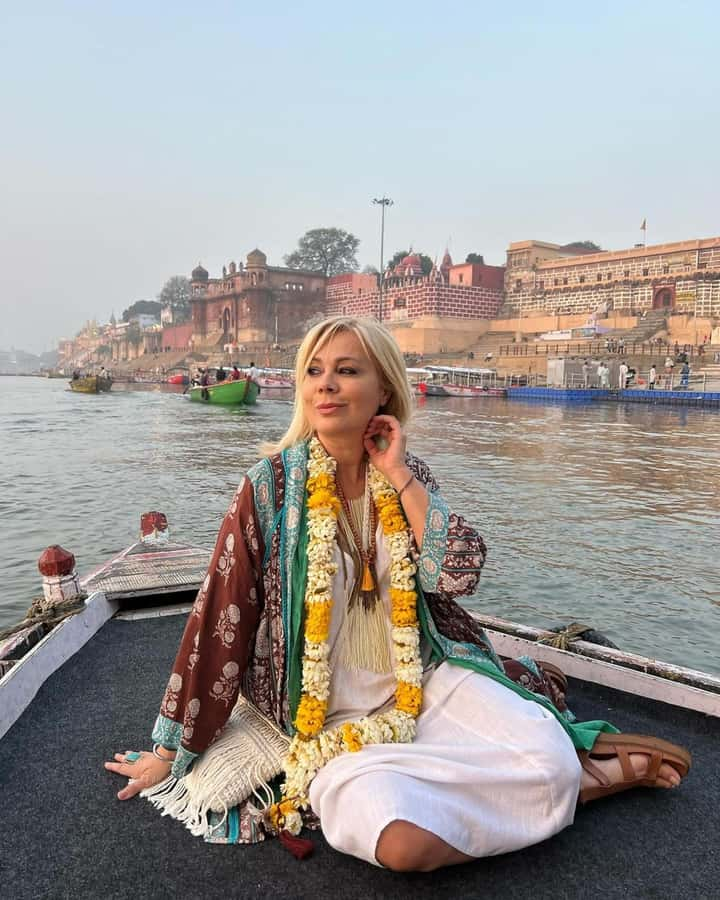
The guide meets you at St. Thomas church. If your booking includes hotel pickup and drop-off, you’ll be driven to the central area where the ghats begin to come into view.
Then the logistics get real—friendly real. Cars can’t go where the action is, so you’ll do walking to reach the ghats and temples. That’s explicitly part of how the experience works. You’re meant to feel the narrow lanes and ghat steps up close, not ride past them.
This is also why a private setup feels valuable. You’re not fighting a big group shuffle at the very places where every minute counts. You can keep moving at a human pace, take a breath when you need one, and still stay on schedule.
If you’re sensitive to crowds or uneven stone steps, build in extra patience. The tour is built around walking, so don’t try to “power through” like it’s a city museum.
Rowing past Manikarnika Ghat: what you’ll see and how to handle it
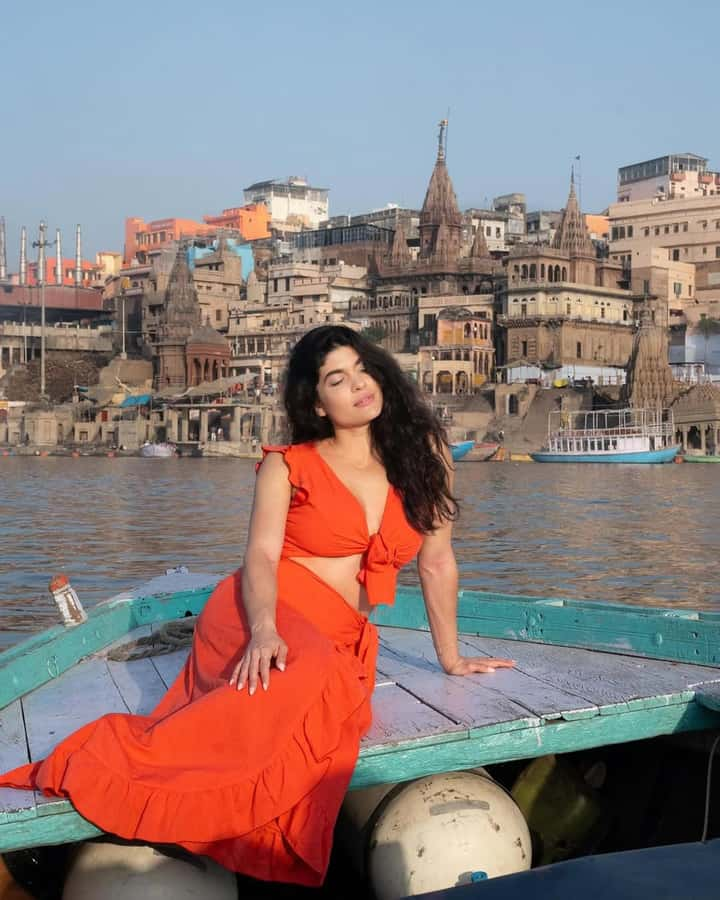
Manikarnika Ghat is the key moment on the water. As the boat rows along, you’ll be able to witness a Hindu cremation ritual. It’s not a “show,” and it’s not something to treat like spectacle. Your position from the boat is part of what makes this workable—more controlled viewing than being packed at the edge of the steps.
The tour also mentions that you can click pictures of the process if desired. If you choose to photograph, I’d keep it respectful and quick. Don’t block other people’s view, and be mindful that this is a working ritual space, not a staged attraction.
A practical tip: watch how your guide reacts. If they suggest a certain angle or timing, it’s usually because it makes it easier to see without disrupting what’s happening. You’re there to understand, not to interfere.
Also, keep expectations steady. This portion is intense in a way that a lot of tours miss entirely. The goal isn’t to make you comfortable. It’s to help you witness with context, so the experience lands with clarity instead of confusion.
The heritage walking portion: temples, ghats, and city meaning
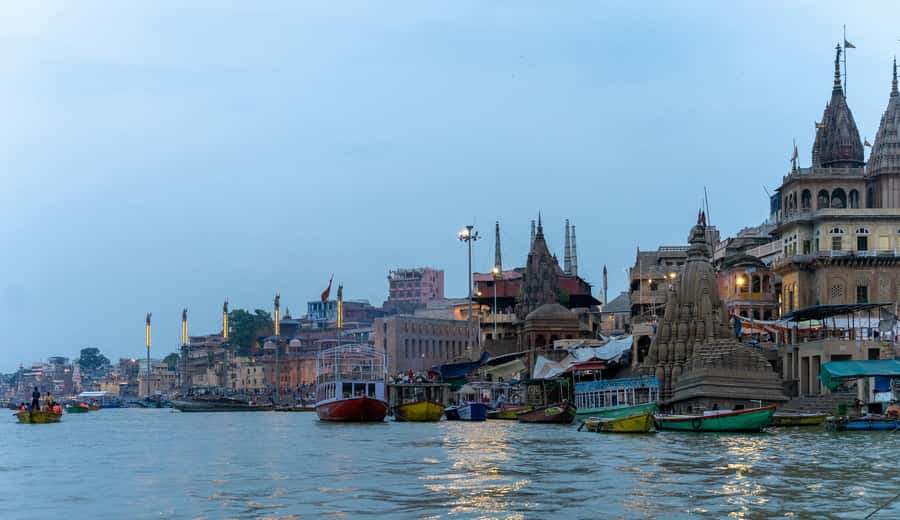
After the boat ride, you’ll go to one of the most important ghats for the heritage walking tour and explore the city. The schedule includes about three hours of walking time for the sightseeing portion, with your local guide explaining history and culture as you move.
What I like about this structure is the flow. You start on the Ganges where the city’s spiritual core is visible from a distance. Then you switch to walking, where you can actually connect the dots—how the ghats relate to temples, lanes, and daily routines.
A strong guide makes all the difference here. From the guide names that keep coming up—Sunny, Anmol, and Vinit—you can tell the operator places emphasis on being attentive and professional. In particular, Sunny is noted for being helpful and for taking lots of pictures, while guides like Anmol and Vinit are described as knowing the city well and adapting to the time you have.
That last point matters: time flexibility. If you have limited hours, you want a guide who can adjust rather than bulldoze ahead. The walking tour is where you can lose momentum if the route doesn’t fit your pace.
One more practical heads-up: since cars can’t enter the ghat/temple zones, the walking portion is where you’ll notice uneven steps and tight turns. Wear shoes that can handle it. You’ll feel better the moment you stop worrying about your footing.
Optional private Arthi and the skip-the-line value
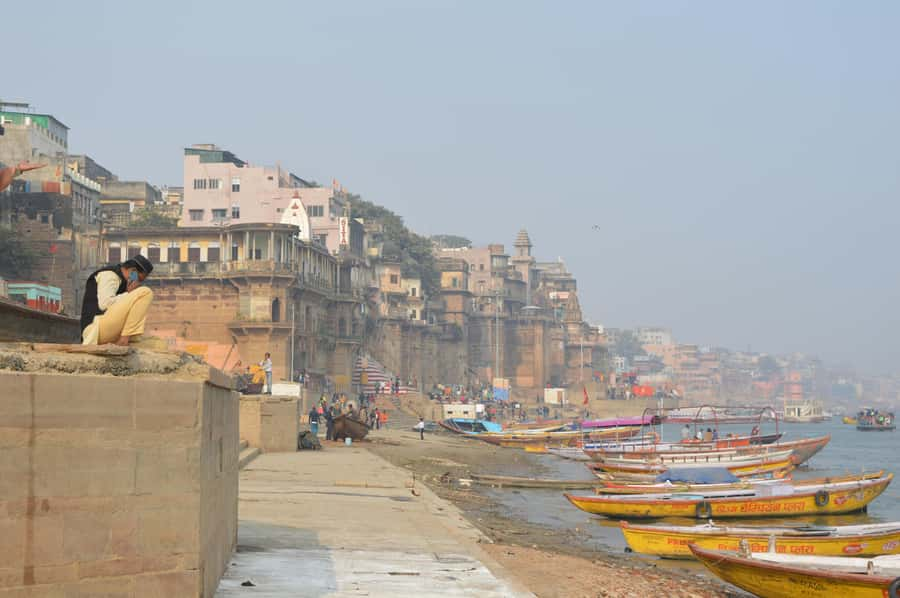
This tour offers a private Arthi option with skip-the-line access, but only if you select that add-on. If you do add it, you’re essentially paying for smoother access during a popular moment—less waiting, more time inside the experience.
Is it worth it? For many people, yes, because it reduces “standing around” time and helps you stay emotionally present. Waiting in crowds at ritual sites can be draining, especially early in the morning. A skip-the-line style option can be a real comfort advantage when you’re combining a boat ride and walking tour in the same day.
That said, it’s optional for a reason. If you’re already feeling overwhelmed by the cremation viewing portion, you may prefer to keep the schedule simpler and spend more time with the guide on the walking history.



Price and logistics: does $34 feel like a fair deal?
At $34 per person, this tour is priced like a value bundle, not just a single sightseeing activity. What you’re getting depends on your selected options, but the base package is strong.
Here’s what’s included (or can be included):
- Tour guide
- Private boat ride (if selected)
- Private Arthi with skip-the-line (if selected)
- Air-conditioned private vehicle pickup/drop-off (if option selected)
- All toll tax and parking
- Private vehicle and guide support to handle the “how do we get there” parts
What’s not included:
- Food and drink
- Personal expenses
So you’re paying for access and guidance more than for meals. That’s normal in India tours, but it does affect planning. Budget for water and snacks because you’ll be moving and early in the day.
Also note the simplicity of the money side: there’s a reserve & pay later option, meaning you can book without paying today. That’s useful if your plans are still shifting.
Bottom line on value: if you select the boat ride and hotel pickup options, this becomes a practical way to do two major Varanasi experiences—water + walking—without needing to negotiate transport and timing on your own.
The human touch: guides who know when to slow down
A trend shows up in the feedback: people felt well looked after by their guide. Sunny is called out as attentive and helpful, including taking lots of pictures. Anmol is described as professional and top-notch. Vinit is noted for being attentive and knowledgeable.
That’s not just fluff. In Varanasi, the difference between an okay visit and a great one is usually this: does your guide help you understand what you’re looking at, and do they keep the experience workable?
When your guide helps with timing, routes, and photo moments, you stop feeling like a tourist running an errand list. You start seeing the place as a living system.
And because it’s private, you can match the pace more easily than you would with larger groups.
Who this tour is best for (and who should skip it)
This tour is a strong match if you:
- Want sunrise views on the Ganges rather than just afternoon crowds
- Like having a local guide explain what you’re seeing
- Prefer a private setup for walking in the ghats area
- Are comfortable with a spiritual ritual setting as part of a cultural experience
It’s not a good match if you:
- Have mobility impairments, since you’ll walk to reach ghats and temples where cars can’t go
- Are over 95 years old (the tour is not suitable for this age group)
Also, if you’re easily distressed by religious death rituals, you’ll want to think carefully. This tour does allow viewing from the boat, but it still centers on cremation and nearby ritual activity.
Practical tips that make the experience smoother
Here are the practical things I’d plan around, based on how this tour operates:
- Start with comfortable shoes. You’ll walk to ghats and temples, and the surfaces can be uneven.
- Decide your photo plan in advance. The tour notes you can click pictures from the boat if you want, so you can prepare mentally rather than deciding in the moment.
- Go in with respect. This isn’t a themed photo set. It’s a working ritual environment.
- Use the guide for navigation. Your route is built around where cars can’t go. Let the guide handle it so you can focus on seeing and learning.
One more note: the tour can drop you back at your hotel or take you to the airport/railway station if you request. That can be handy if you’re leaving Varanasi the same day.
Should you book this Varanasi sunrise heritage tour?
Yes, if you want a high-impact Varanasi morning with the structure to make sense of what you’re seeing. The value comes from the pairing: sunrise boat time on the Ganges, then a guided heritage walk that connects the ghats and temples into one story. At $34, it’s a cost-effective way to buy access, guidance, and smoother movement through car-free areas.
Skip it (or choose a different style of tour) if walking is hard for you, or if you’re not ready for viewing cremation-related ritual activity even from a boat. This experience is culturally important, and it’s intense by nature.
If you fit the pace and are open-minded, you’ll come away with a clearer understanding of why the ghats are the center of Varanasi life—not just a postcard.
FAQ
Does this tour include hotel pickup and drop-off?
It includes pick-up and drop-off if you select that option. If not, the guide meets you at St. Thomas church and the activity ends back at the meeting point.
What does the sunrise boat ride cover?
The tour includes a private boat ride on the Ganges along Manikarnika Ghat and other famous ghats.
Can I take photos during the cremation ritual?
Yes. The experience allows you to click pictures of the process from the boat if you want.
Is a private Arthi included?
A private Arthi with skip-the-line access is included only if you choose the option.
How much walking is involved?
You’ll walk to reach the ghats and temples because cars aren’t allowed there. It isn’t suitable for people with mobility impairments.
What languages are offered?
The tour is available in English and Spanish.