REVIEW · VARANASI
Varanasi Walking and Heritage Tour
Book on GetYourGuide →Operated by Praveen Pathak · Bookable on GetYourGuide
Varanasi hits fast, and this walk gives it a path. You’ll move through Kashi’s most meaningful spots—temples, small lanes filled with painted color, and the ghat area—without wasting time getting oriented. I especially liked the way the guide connected the places to the ideas behind them.
Two things I really liked: the stop at Manikarnika Kund (and the surrounding ghat atmosphere) felt powerful and unforgettable, and the walk through the Kashi Vishwanath Temple corridor helped you understand why this complex matters to people day after day. It’s not just sightseeing; it’s like learning the city’s “why” as you go.
One possible drawback: the pacing can be intense. One guest noted that the guide didn’t always walk alongside the group and delivered information quickly at each stop, so if you prefer a slower stroll and more back-and-forth, ask the guide to match your pace.
In This Review
- Key Highlights You’ll Feel While Walking
- Why This Varanasi Walk Works So Well
- Getting Oriented: A 3-Hour Walk You Can Actually Use
- Vishalakshi Mata Shaktipeeth: Starting With Sacred Gravity
- Dharmeshwar Mahadev Temple: Kashi Khand in Miniature
- Shri Kashi Vishwanath Temple Corridor: Architecture That Teaches
- Manikarnika Ghat and Kund: The Place People Call the Truth of Life
- A practical tip for this stop
- Nepali Temple (Kathwala Temple): A Different Flavor of Devotion
- Kashi’s Tiny Streets: Hundreds of Temple-Color Paintings
- Flower Market: Color in Motion
- Tea, Bottled Water, and Temple Admissions: Where the $13 Goes
- What’s not included
- Guide Matters: Praveen Pathak and the Human Side of the Tour
- Who This Tour Fits Best (And Who Might Want a Different Style)
- Price and Logistics: Simple, Straightforward, and Worth Planning Around
- Should You Book This Varanasi Walking and Heritage Tour?
- FAQ
- How long is the Varanasi Walking and Heritage Tour?
- Where does the tour start?
- What languages are available for the live guide?
- What is included in the price?
- What is not included?
- Is there free cancellation?
Key Highlights You’ll Feel While Walking
- Bank of Baroda ATM start point makes it easier to find the group fast
- Vishalakshi Mata Shaktipeeth sets the tone with a guided temple introduction
- Manikarnika Ghat + Kund brings you face-to-face with Varanasi’s emotional core
- Kashi Vishwanath corridor shows how devotion and architecture work together
- Tiny street temple paintings give you that close-up, color-on-stone feeling
- Tea, bottled water, and multiple temple admissions keep the tour practical for $13
Why This Varanasi Walk Works So Well

Varanasi is one of those places where your brain keeps reaching for a scale that simply doesn’t fit. It’s said to be connected to Lord Shiva and Goddess Parvati, and it’s described as a center of learning and civilization for more than 3000 years. That’s big territory for a city—and yet, this experience focuses you on a tight loop of the places that do the most work in shaping the visitor’s understanding.
What makes this tour worth your time is that it mixes “wow” with “why.” You’ll see temples and ghat spaces that people visit with intention, not just for photos. And as you walk, you get the sense that the city is not one attraction—it’s a living network of devotion, language, food, arts, and daily ritual.
You can also read our reviews of more tours and experiences in Varanasi.


Getting Oriented: A 3-Hour Walk You Can Actually Use
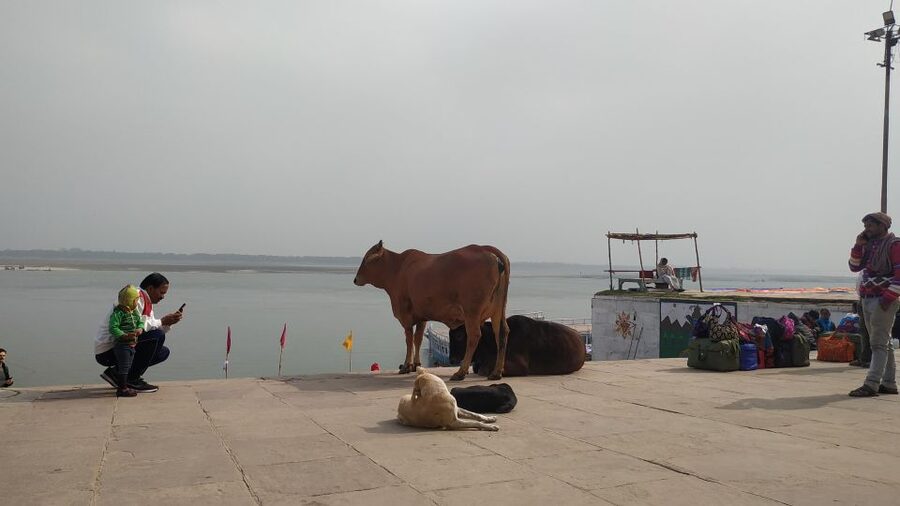
This is a 3-hour guided experience, which matters more than it sounds. Varanasi is busy, and moving at the right tempo is half the success. You start at a clear landmark: Bank of Baroda ATM. That’s helpful because in older parts of the city, “meet me near a temple gate” can turn into an unnecessary scavenger hunt.
The tour is on foot, and it moves through areas where you’ll be walking and stopping fairly often. You’ll want comfy shoes and a watchful mindset for crowds. Even if you like street photography, leave room for the moment when your guide explains what you’re looking at—because the meaning is the point.
Also, the guide offers live interpretation in English, Spanish, and Hindi. That’s a big deal for a city like this, where a small detail can change how you understand a whole place.
Vishalakshi Mata Shaktipeeth: Starting With Sacred Gravity
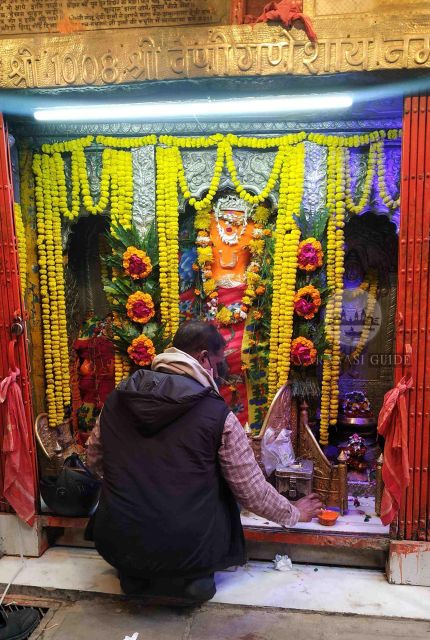
The tour begins at Shri Vishalakshi Mata Shaktipeeth Temple, Kashi. This first stop is short, but it’s a smart choice. When you start a Varanasi visit at a major temple, you get a mental anchor before you wander into narrower streets and more emotionally charged ghat space.
You’ll get a guided visit (listed as about 5 minutes), which means the goal is not to exhaust the temple. The goal is to give you a foundation so the rest of the walk doesn’t feel like random monuments stacked together.
Dharmeshwar Mahadev Temple: Kashi Khand in Miniature
Next comes Dharmeshwar Mahadev Temple in the Kashi Khand area. This is one of those stops where you learn to look past the exterior. Even if you’re not fluent in the language of rituals, a guide can point out what people are actually doing—how the space is used, and why that usage matters.
The guided time here is listed at 10 minutes, so you’ll get enough context to connect the temple to the broader Varanasi idea: a city where faith and daily life have been braided together for centuries.
Shri Kashi Vishwanath Temple Corridor: Architecture That Teaches
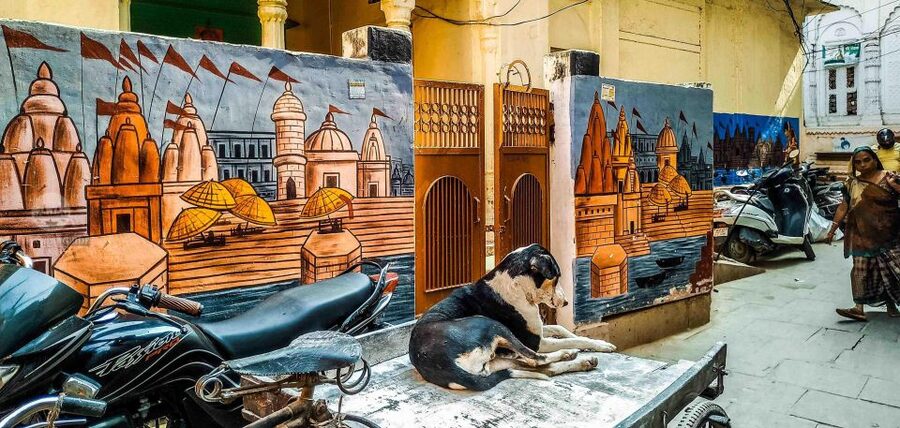
Then you reach Shri Kashi Vishwanath Temple and the corridor area. This part is about movement and atmosphere. Corridors in temple complexes aren’t just hallways; they shape how people walk, pause, and focus.
Expect a walk through this section (about 10 minutes). The value here is that the corridor helps you understand Varanasi’s scale in a different way. It’s not only “big city landmarks.” It’s the feeling that sacred space is designed for repeated visits—daily, weekly, for generations.
If you like architecture, this stop gives you something practical: a reason to notice details instead of only chasing the biggest view.




Manikarnika Ghat and Kund: The Place People Call the Truth of Life
Now you get to the part that tends to stick in your mind: Manikarnika Ghat and Manikarnika Kund.
This tour includes admissions for Manikarnika Ghat, and it also schedules time at Manikarnika Kund with a photo stop, guided visit, tea, a walk-through feel, and then a pass-by moment later. The total time at these spots is broken into multiple pieces (around 10 minutes at one point, then a 10-minute guided visit later, with more time allocated during the key moment).
Why this matters: Manikarnika is widely described as a place to know the truth of life. Even without turning it into heavy thinking, you’ll notice the city’s emotional weather. People approach the ghat space with seriousness, routines, and purpose. That’s not something you can fake with a brochure.
A practical tip for this stop
Keep your pace slow here. Take photos if you want, but don’t rush the guided moments. If you’re the type who only wants the “cool sights,” you may find this section less comfortable. If you’re open to learning the meaning, it can be the highlight.
Nepali Temple (Kathwala Temple): A Different Flavor of Devotion
Next is Nepali Temple (listed as Kathwala Temple). You’ll get a guided visit here for about 15 minutes.
This stop adds variety to the tour, which is important because temple areas can start blending together if you don’t get help separating them. A different temple, in a different style of approach, teaches you that Varanasi isn’t one single aesthetic. It’s a set of related traditions living in close quarters.
Also, the tour includes admissions for the Nepali Temple area, so you’re not waiting around to figure out what costs extra. That’s good value, especially for a short 3-hour format.
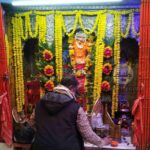
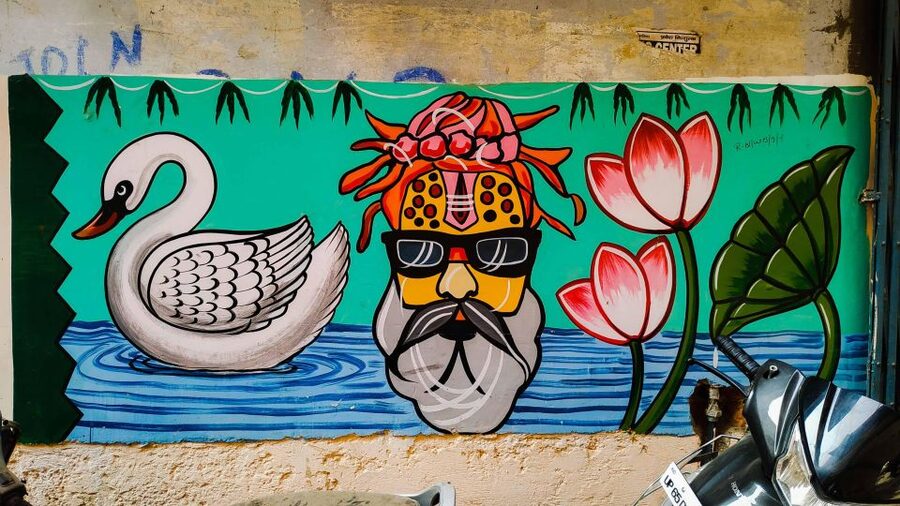
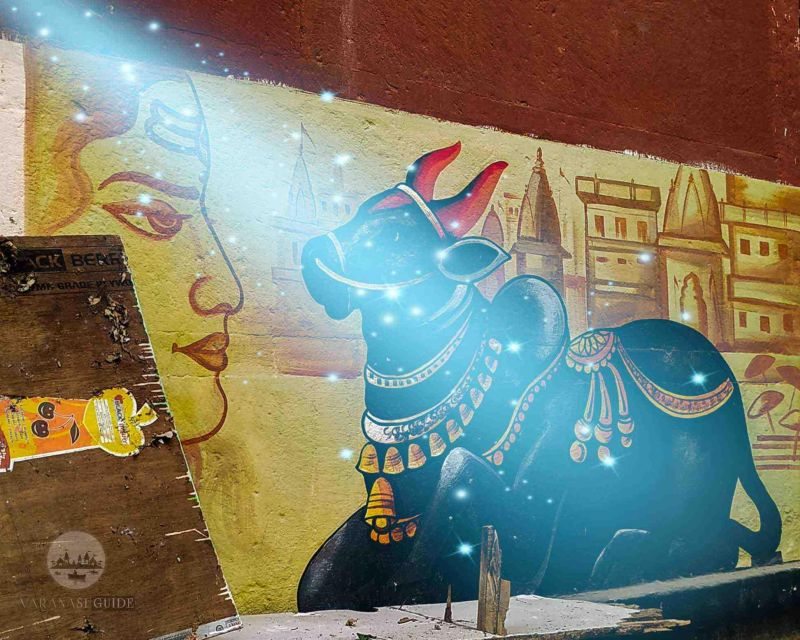
Kashi’s Tiny Streets: Hundreds of Temple-Color Paintings
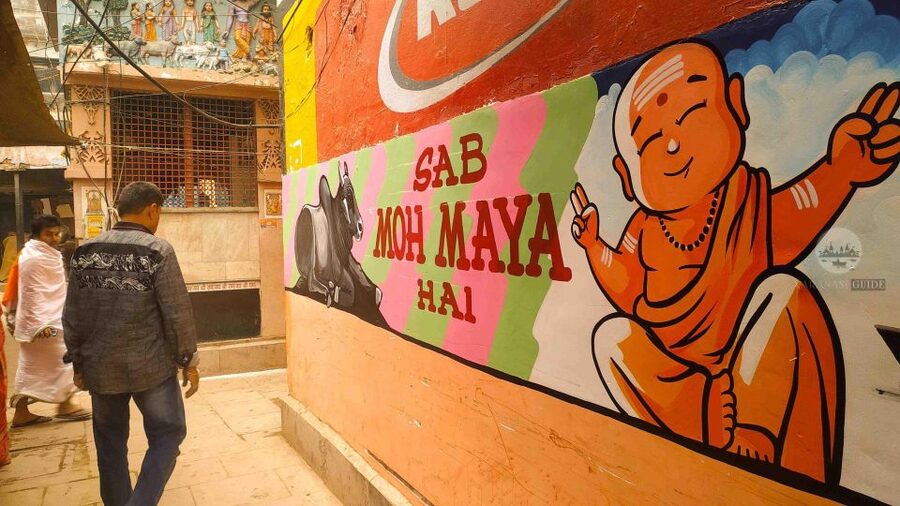
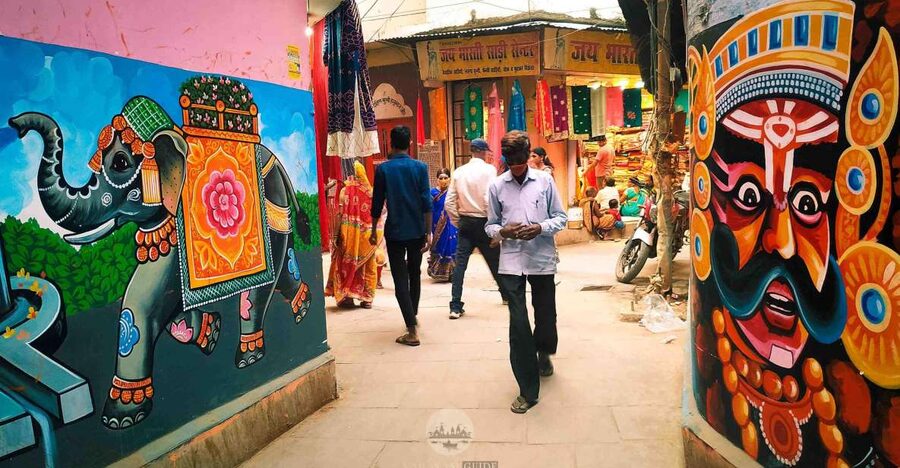
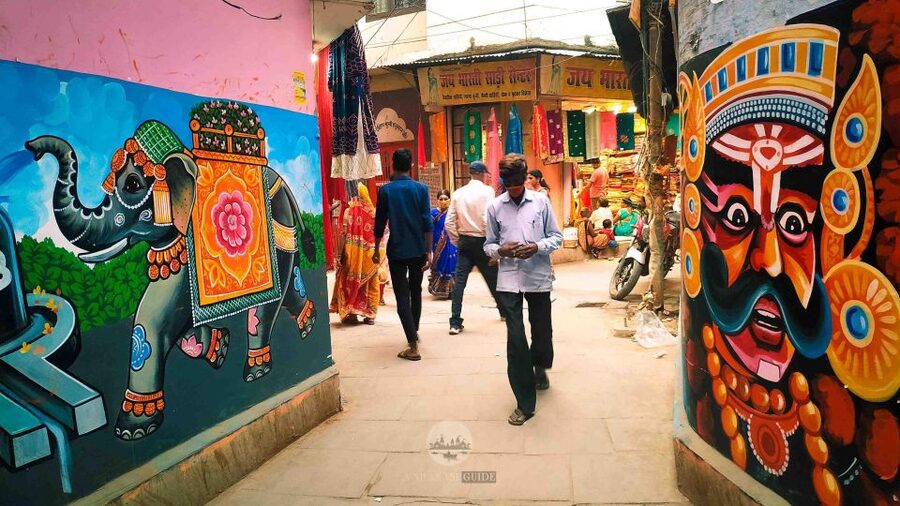
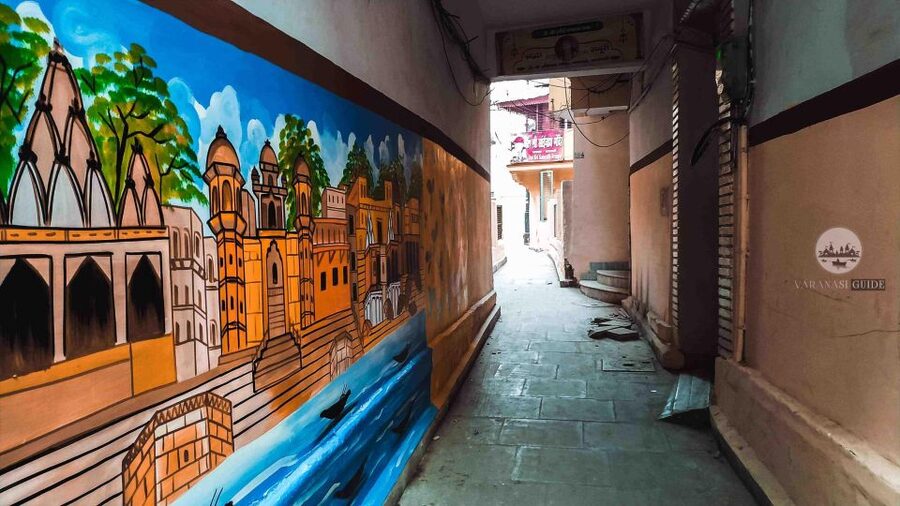
Between larger stops, you’ll move through what’s described as a tiny street with hundreds of temple colors painting arts. This is where the city feels hand-made. You’re not only looking at temples; you’re noticing how devotion is reflected in art, color, and wall surfaces.
This kind of walking is the reason to book a heritage tour instead of just hiring a driver. Drivers can get you from big point to big point. Only on foot do you catch the small visual language: the painted motifs, the layered textures, the closeness of buildings and people.
One guest specifically loved the chance to go callejear, which basically means wander the lanes and let the city surprise you at walking speed.
Flower Market: Color in Motion
You’ll also spend time near the flower market, which is a smart addition for a “heritage” concept. Temples get the spotlight, but flowers show the practical side of devotion—what people actually use, buy, arrange, and carry.
Even if you’re not shopping, the flower market gives you sensory payoff. It’s one more way to understand Varanasi as lived culture, not only architecture.
And yes, it’s great for photos—just remember that you’re walking through a real place of daily life.
Tea, Bottled Water, and Temple Admissions: Where the $13 Goes
Let’s talk value, because the price—$13 per person—is a real head-scratcher in a good way.
This tour includes:
- Tea/coffee
- Bottled water
- Entry/admission to multiple sites, including the Vishalakshi Temple, Nepali Temple, Manikarnika Ghat, Manikarnikeshwar Temple, Ratneshwar Temple, and Chakrapushkarni Kund
So you’re not paying only for someone to walk beside you. You’re paying for guided access plus refreshment. In a city where paid entry can add up quickly, this package approach is where the money makes sense.
What’s not included
- Drinks (beyond what’s provided)
- Lunch
For a 3-hour tour, that’s fairly normal. Plan to snack or eat afterward so your energy stays steady for the rest of your day in Varanasi.
Guide Matters: Praveen Pathak and the Human Side of the Tour
A strong theme from guide feedback is the human connection. The provider is Praveen Pathak, and multiple guests mention him as a key reason the tour felt special. One guest also credited Praveen and Pintu for helping them see more of the city and even catch Ganga Aarti.
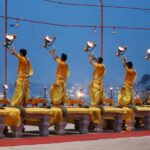
That detail is important: you might get a glimpse depending on timing and what’s happening around the ghat areas during your walk. This is one reason to treat the tour as flexible and present, not only checklist-driven.
At the same time, one review point is worth taking seriously: guides can have different styles. If your ideal visit is slow, conversational, and back-and-forth, don’t be shy about asking for a calmer pace early on.
Who This Tour Fits Best (And Who Might Want a Different Style)
This tour is a great fit if you:
- Want a short, high-impact introduction to Varanasi
- Like temples, ghats, and the spiritual logic behind daily life
- Appreciate walking through tiny lanes and color details
- Prefer an organized route instead of wandering without context
It may be less ideal if you:
- Get overwhelmed by crowds and intense explanations at multiple stops
- Prefer long, quiet time at one single location rather than several guided stops
- Want a deep lesson without movement (this one moves and stops often)
If you’re traveling solo, you’ll also benefit from the guide’s pace and explanations, as long as you communicate your preferences.
Price and Logistics: Simple, Straightforward, and Worth Planning Around
From a logistics standpoint, this is about as straightforward as heritage tours get in a complicated city:
- Start point is fixed: Bank of Baroda ATM
- Duration is clear: 3 hours
- You’ll have a live guide in English, Spanish, or Hindi
- You get water and tea/coffee
- Several admissions are handled for you
Also, the tour includes free cancellation up to 24 hours in advance and a reserve now and pay later option. That gives you room to adjust if your day in Varanasi changes.
Should You Book This Varanasi Walking and Heritage Tour?
If you want a focused, guided taste of Varanasi’s sacred spaces without spending a whole day figuring things out, I think this is an easy yes.
Book it if you like meaning with your photos: corridor architecture, ghat atmosphere, and those tiny street color details. The combination of temple admissions and included tea/water gives it practical value, and the guide-led tone can turn a quick walk into real understanding.
Skip it only if you already know you need a very relaxed pace and prefer longer stays at fewer places. In that case, you might want a slower, more customizable option.
FAQ
How long is the Varanasi Walking and Heritage Tour?
The tour lasts 3 hours.
Where does the tour start?
It starts at the Bank of Baroda ATM.
What languages are available for the live guide?
The live guide offers English, Spanish, and Hindi.
What is included in the price?
The price includes tea/coffee, bottled water, and entry/admission to several sites: Shri Vishalakshi Mata Shaktipeeth Temple, Nepali Temple (Kathwala Temple), Manikarnika Ghat, Manikarnikeshwar Temple, Ratneshwar Temple, and Chakrapushkarni Kund.
What is not included?
Drinks and lunch are not included.
Is there free cancellation?
Yes. You can cancel up to 24 hours in advance for a full refund.