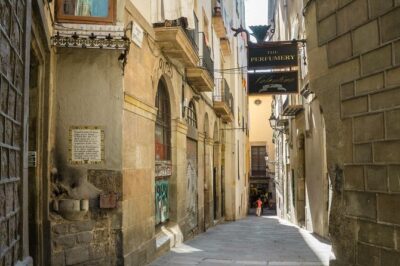
REVIEW · HOI AN
Hoi An: Half-Day Heritage Walking Tour
Book on GetYourGuide →Operated by Hoi An Express · Bookable on GetYourGuide
Hoi An makes you slow down fast. On this half-day heritage walking tour, you trace the town’s mixed cultural influences house by house, then wrap it up at the most famous landmark in town, the Japanese Covered Bridge.
I love how the stops aren’t just photo points; they help you read the architecture. You’ll also get real time at the Hoi An Market, where the smells, chatter, and everyday food culture do a better job of explaining Hoi An than any single museum room.
One thing to consider: the schedule is tight and includes a traditional art performance stop, so if you want only historic architecture talk, you may feel the balance is off in the moment.
In This Review
- Key highlights worth your attention
- Why this tour works for first-timers in Hoi An
- The morning starts with an easy pickup and a short ride
- Hoi An Market: where the town’s daily life becomes real
- Fujian Assembly Hall: learning the architecture without getting lost
- Traditional art performance theatre: culture stop that can split the group
- Folk museum: a short stop that helps you connect the dots
- Old House of Tan Ky: the kind of home you can actually picture living in
- Street food moment: a quick taste stop, not a full meal
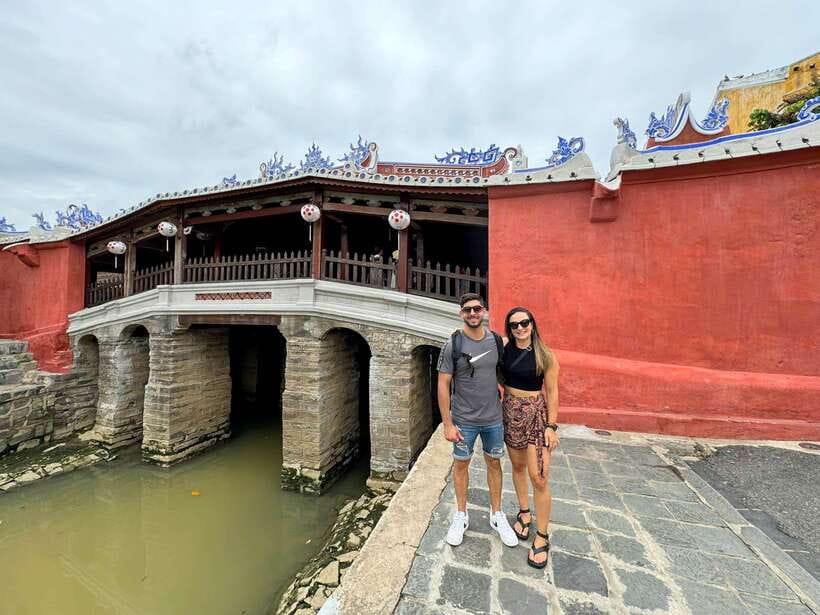
- Japanese Covered Bridge: the iconic photo stop with real context
- Passing by a Lutheran church: a brief look at modern-era layering
- Price and value: $33 for a half-day that saves you effort
- How to make the most of the 4-hour pace
- What the guides are like (and why it matters)
- When this tour might not be your best match
- Should you book this Hoi An heritage walking tour?
- FAQ
- How long is the Hoi An Half-Day Heritage Walking Tour?
- What is the price per person?
- What languages are available for the guide?
- What’s included in the tour price?
- Is hotel pickup included?
- What stops are included during the walk?
- Do I need to pay entrance fees separately?
- What is the cancellation policy?
- Is there a child policy?
Key highlights worth your attention
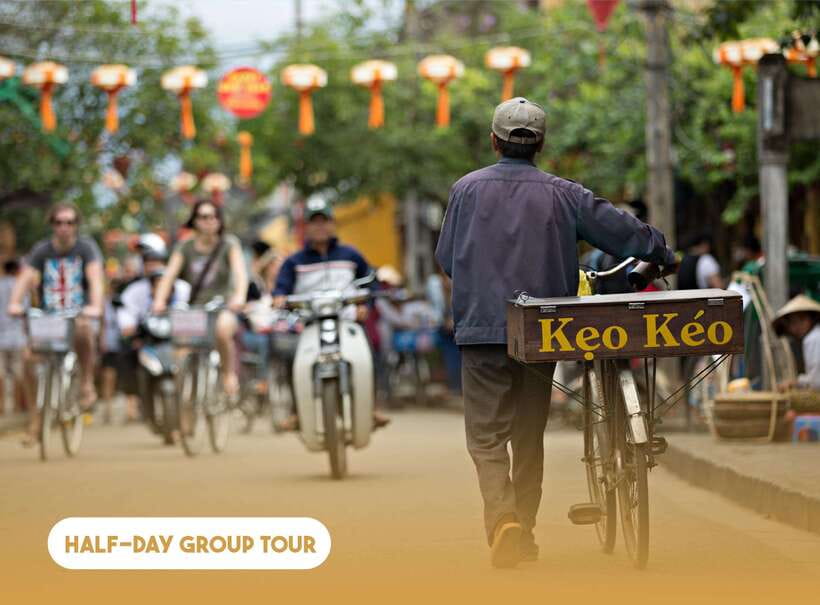
- Chinese and Fujian assembly hall details you can spot right away once your guide points them out
- Japanese Covered Bridge time that’s long enough to get photos and context, not just a quick pass
- Hoi An Market focus with guided walking and a food-market feel
- Old merchant houses like Tan Ky that show how wealth and family life shaped the town
- A theatre performance stop (cool if you like culture, less so if you want pure sightseeing)
- English guides who adjust to your group, including cases where they’ve been especially helpful with slower-paced guests
Why this tour works for first-timers in Hoi An
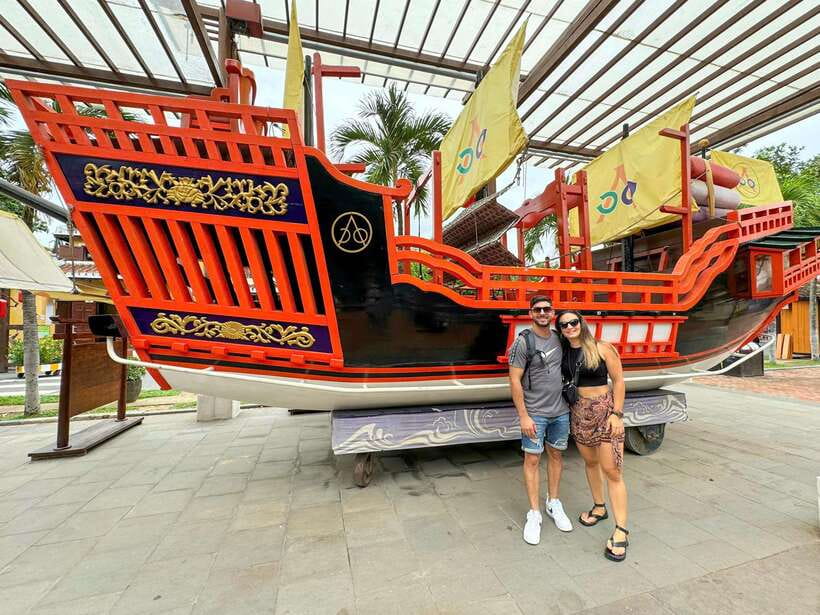
Hoi An is small, but the layers are not. You’re looking at a port town that absorbed trading connections across East Asia, and you can see those connections in the way doorways, courtyards, roof lines, and decorative motifs mix together. Walking is the point here. Cars can whisk you between landmarks, but they don’t help you notice the subtle transitions—like when a Vietnamese-style home elements shift into something clearly Chinese, or when Japanese influence shows up more than once.
For the time you’re spending (about half a day), this tour is a very practical way to hit multiple “must-see” stops without doing the planning yourself. You’re not just collecting highlights; you’re getting a route that makes the cross-cultural story easier to follow.
You can also read our reviews of more tours and experiences in Hoi An.



The morning starts with an easy pickup and a short ride
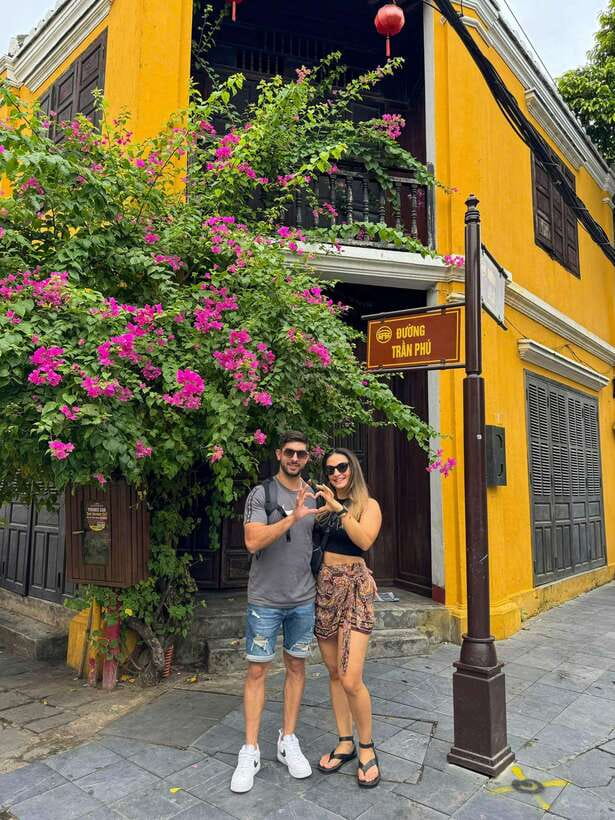
You’re picked up in Hoi An City Center and dropped back afterward. The only catch is the pickup area: it covers city center hotels, but it excludes the South Hoi An area. If your hotel is in that excluded zone, you’ll want to double-check options before you book.
That initial transfer is also part of the value. It saves you from figuring out local transport for a route that mostly stays walkable inside the Old Town.
Hoi An Market: where the town’s daily life becomes real
One of the best uses of your time is the Hoi An Market stop. This isn’t a slow museum-style visit. It’s guided walking through a working food market atmosphere—snacks, ingredients, and the kind of everyday pace that makes Hoi An feel lived-in, not staged.
This is also where you’ll benefit most from having a guide. Even if you just observe, you’ll start recognizing what’s common and what’s special here: the way people buy, cook, and talk about food in small routines. And yes, it’s also the kind of stop where you might pick up small ideas for what to order later.
Practical tip: markets can be crowded and a bit weather-dependent. If it’s raining, keep your rain layer handy and your feet covered so the rest of the walk stays enjoyable.
Fujian Assembly Hall: learning the architecture without getting lost
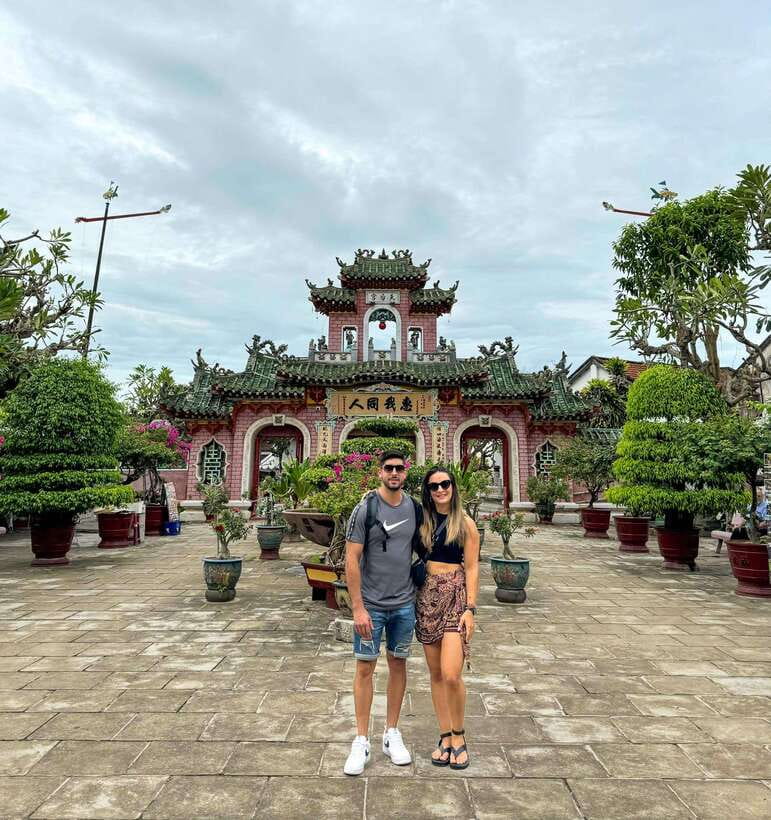
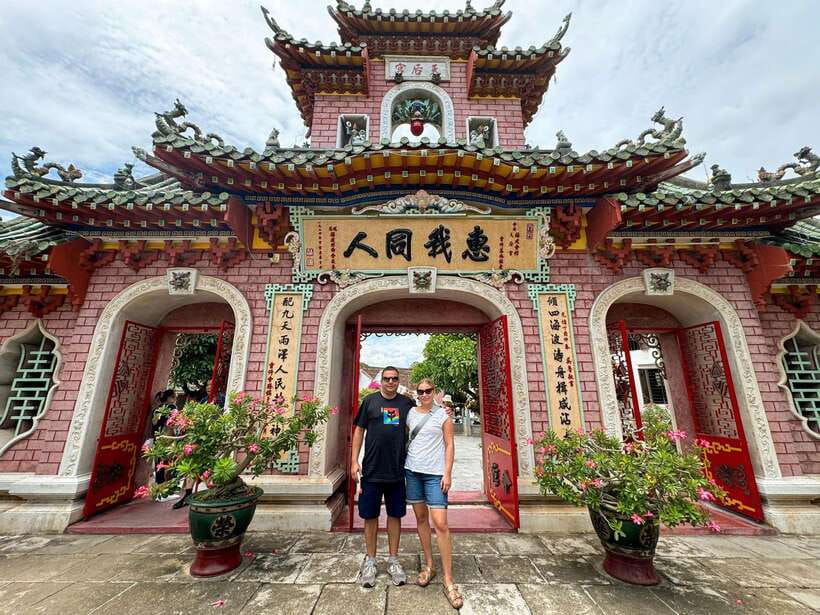
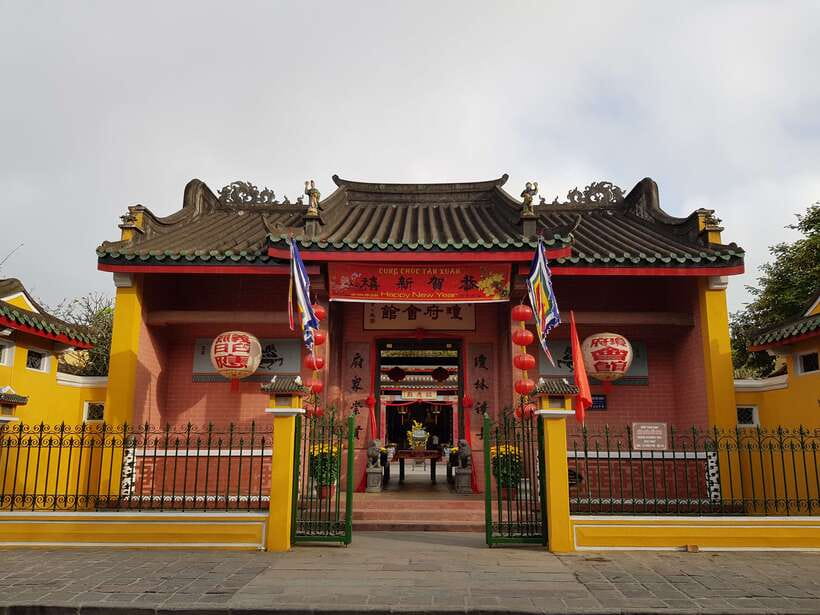
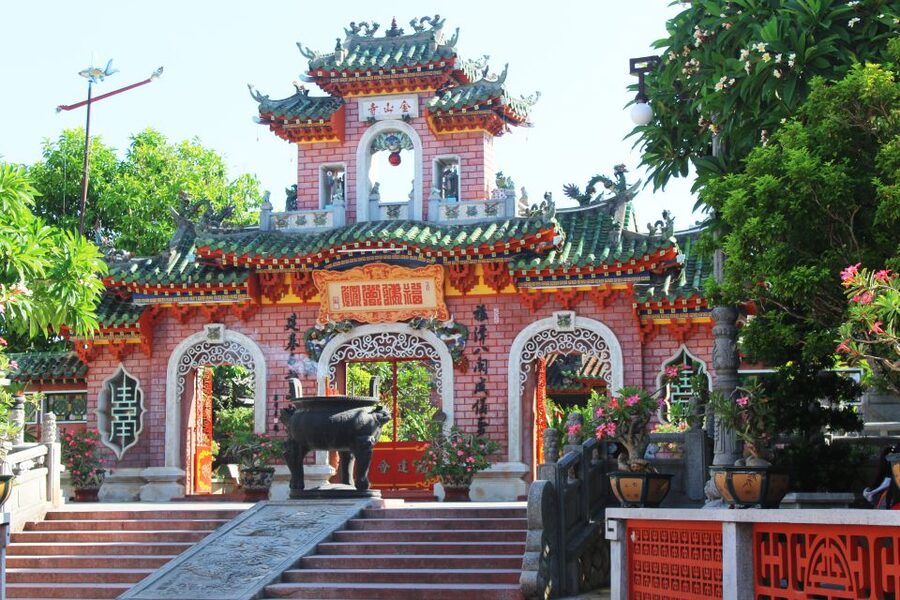
Next you head to the Fujian Assembly Hall, a stop that’s about more than looking at old walls. Assembly halls like this often reflect community identity—who gathered, why they gathered, and how they wanted visitors to understand their presence in town. With a guide, you’re more likely to notice details that you’d otherwise miss: structural rhythms, decorative patterns, and the way carved or painted elements direct your eye.
This is a smart transition from market energy into heritage details. One minute you’re absorbing daily life; the next you’re seeing how merchant communities expressed status and belonging through buildings.
Traditional art performance theatre: culture stop that can split the group
You’ll also visit the Traditional Art Performance Theatre for a show. This part can be a win or a tradeoff depending on your travel style. If you like understanding living culture, it’s a nice break from walking through stone streets. If you came mainly for historic architecture, you might feel like time is being spent indoors instead of outside.
Still, it’s part of what makes the experience feel complete. Hoi An isn’t just preserved buildings; it’s a place where performances and traditions keep happening. The key is expectations: treat this as a cultural add-on, not a replacement for the architecture.






Folk museum: a short stop that helps you connect the dots
Then you move to the Hoi An folk museum. The time is brief, so you won’t get a full academic museum experience. What you do get is context—enough to make the later stops about houses and heritage feel more meaningful.
If you’ve ever walked into an attraction and wondered what you’re looking at, this kind of short museum break can solve that. It sets the stage for why certain homes and community buildings look the way they do.
Old House of Tan Ky: the kind of home you can actually picture living in
The Old House of Tan Ky is a highlight for people who like history that feels tangible. Here, you’re looking at how a merchant family’s home was designed for daily living, social status, and the realities of life in a crowded port town.
What I like about house visits like this is that they’re not abstract. You get a sense of circulation—how you move through spaces—and you see how a home can reflect both wealth and practical needs. With a guide, you’re more likely to understand why features are there, rather than just admiring them.
A small note: house interiors can feel tighter than outside streets, so if you prefer maximum open space, plan on a slower pace inside.
Street food moment: a quick taste stop, not a full meal
You’ll have a short street food / local snack stop at Mót Hội An – Nước Thảo Mộc Sả Chanh. This is built into the route for a reason: it keeps the tour from feeling like a checklist of sights. You get a chance to taste something local while you’re still in the neighborhood vibe of the Old Town.
Because the stop is only about ten minutes, don’t expect a full food crawl. Think of it as a snack-sized reset. If you have dietary limits, it’s worth checking with your guide on the spot before you order anything.
Also, bottled drinking water is included, which helps on warm days or rainy afternoons when you don’t want to hunt for a shop.
Japanese Covered Bridge: the iconic photo stop with real context
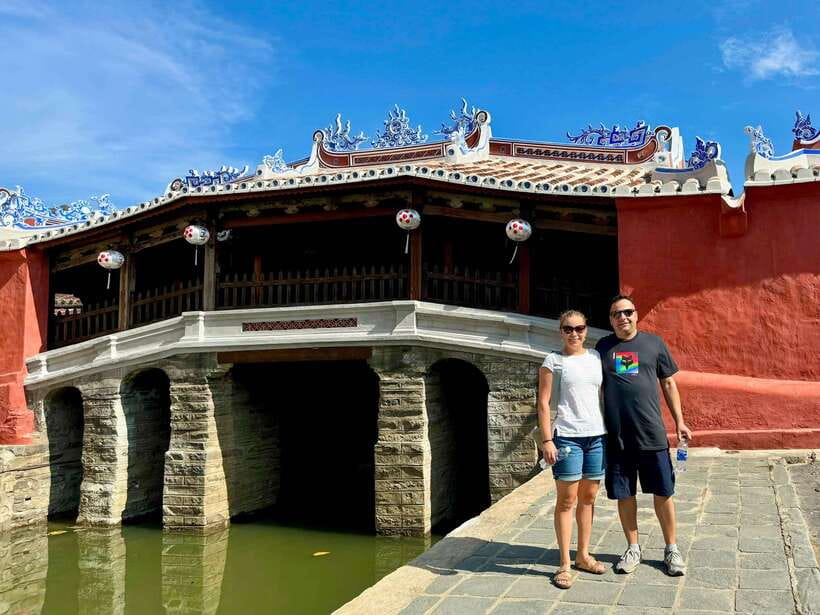
Then comes the star: the Japanese Covered Bridge. This is the kind of place you’ve seen in guidebooks and on postcards, but it works better when your guide ties it to the broader story of Hoi An’s mixed influences.
What makes the bridge worth your time is not just its shape. It’s also the role of trade networks and communities that helped make Hoi An the crossroads it became. You’ll have enough time here for photos, a little reading of details, and a chance to appreciate it from more than one angle.
In rain, the bridge area can be slick. Go slow, watch your footing, and enjoy it anyway. The mood of Hoi An in bad weather can be surprisingly charming.
Passing by a Lutheran church: a brief look at modern-era layering
You’ll also pass by Hội Thánh Tin Lành Việt Nam – Chi Hội Hội An. This isn’t a long stop, so don’t expect a deep architectural lecture. But it’s a useful reminder: Hoi An isn’t only ancient. Different eras leave marks on the town, and quick passes like this can help you see the full timeline instead of focusing only on one century.
Price and value: $33 for a half-day that saves you effort
At $33 per person, this is priced like a cost-conscious way to see several top sights with an English-speaking guide. The value is strongest if:
- you want a ready-made route, not self-planning,
- you appreciate guided explanations at each stop,
- you’ll use the market time instead of rushing past it.
The included items help too: transportation on the scheduled route, entrance fees, bottled water, and travel insurance. That means you’re not surprised by extra costs once you’re already on the ground.
One pricing reality to keep in mind: the duration is listed as about four hours, but experiences can vary depending on timing and weather. The tour includes several fixed stops, including the theatre and multiple house/community visits, so if any one part runs long, the whole feeling of the day can shift.
How to make the most of the 4-hour pace
If you’re the type who likes questions and slow looking, you’ll do best when you go in with a flexible mindset. This isn’t a long deep-detailed day; it’s a well-packed walk.
Here are a few ways to get the most out of it:
- Wear comfortable shoes. You’ll be on your feet across Old Town streets.
- Bring a light rain layer. Even the best day can turn wet.
- If you care more about history than cultural show time, tell your guide what you want to focus on during the early stops. Guides can often adjust how they emphasize information.
- Keep expectations realistic about the theatre and market: they’re part of the tour design, not optional add-ons.
What the guides are like (and why it matters)
A guide can make the difference between seeing places and understanding them. This tour includes an English-speaking guide, and other languages are available for a surcharge if requested.
From real experiences, two names show up clearly: Emily and Phan. Emily was noted for being attentive and helpful with an elderly mom, which tells you this group isn’t only about facts—it also matters how the guide handles pacing and care. Phan was praised for being punctual and giving clear explanations.
If your goal is history with clarity, the guide quality matters as much as the sights. So arrive ready to ask questions.
When this tour might not be your best match
This is a great choice if you want:
- guided architectural storytelling,
- market time that feels like real local life,
- a practical way to cover major landmarks in one morning or afternoon.
It might be less ideal if you:
- dislike any stop that feels like a sales-oriented detour (the route includes a market and a snack stop, so ask how much time is purely sightseeing versus shopping-related),
- want a strictly outdoor-only historic walking tour with no theatre component,
- are very sensitive to timing changes (the listed duration can feel shorter in some situations).
Should you book this Hoi An heritage walking tour?
Book it if you’re a first-timer who wants a smart route and guided context for Chinese, Japanese, and Vietnamese influences, plus market time and the Covered Bridge. At $33, it’s a solid value when you factor in transport, entrance fees, and insurance.
Skip or reconsider if you’re expecting a slow, in-depth history lecture with zero distractions. The theatre stop means the day has a culture element, and the pace is designed to cover a lot.
If you do book, do yourself a favor: wear good shoes, bring rain protection, and start the tour by asking the guide what you should pay attention to in the architecture. You’ll get more out of every doorway and courtyard that way.
FAQ
How long is the Hoi An Half-Day Heritage Walking Tour?
The tour runs for about 4 hours.
What is the price per person?
The price is $33 per person.
What languages are available for the guide?
The tour includes an English-speaking guide. Other languages may be available upon request with a surcharge.
What’s included in the tour price?
Included are transfer and transportation as per the itinerary, entrance fees, bottled drinking water, an English-speaking tour guide, and travel insurance.
Is hotel pickup included?
Yes, pickup and drop-off are included in Hoi An City Center, except the South Hoi An area.
What stops are included during the walk?
The route includes Hoi An Market, Fujian Assembly Hall, a traditional art performance theatre, Hoi An folk museum, Old House of Tan Ky, a street food/local snack stop at Mót Hội An – Nước Thảo Mộc Sả Chanh, the Japanese Covered Bridge, and a pass by a local Lutheran church.
Do I need to pay entrance fees separately?
No. Entrance fees are included.
What is the cancellation policy?
You can cancel up to 24 hours in advance for a full refund.
Is there a child policy?
A maximum of 1 child can be accompanied by 1 adult at the child price. The second child will pay the adult price.