REVIEW · KATHMANDU
UNESCO Seven World Heritage Tour in Kathmandu
Book on Viator →Operated by Himalayan Advisor Pvt. Ltd. · Bookable on Viator
One day, seven UNESCO hits. If you’re short on time, this private Kathmandu Valley tour strings together the big-ticket spiritual and royal sights in one efficient loop, using a private car to cut down travel stress.
I especially like the English-speaking guide part. Guides such as Shanti, Kabita, Pankaj, Sarita, and Som show up with clear explanations, answer questions, and keep the day moving without bullying your pace.
The main thing to plan for is the long day. Expect a lot of walking, stairs (Swayambhunath alone has 365), and an information overload, even though the best guides pace it well.
In This Review
- Key points that make this day tour work
- The real value: a private UNESCO loop that saves your hours
- Entering Swayambhunath Monkey Temple: views, prayer wheels, and 365 stairs
- Amideva Buddha Park: a calmer pause right after the main climb
- Kathmandu Durbar Square and Kumari Chowk: sacred space still living
- Patan Durbar Square and the Krishna Temple vibe: royal architecture, then stone-only detail
- Golden Temple (Hiranya Varna Mahavihar) and Patan Museum: pagoda form, then context
- Bhaktapur City: the easiest way to feel medieval Kathmandu up close
- Nyatapola Temple, Dattatreya Temple, and the 55 Window Palace
- Siddha Pokhari and Changu Narayan: public pond calm, then hilltop devotion
- Pashupatinath: a huge Hindu temple complex with more than 500 shrines
- Boudhanath Stupa: 36 meters of Buddhist mandala energy
- Guides, drivers, and pacing: the difference between rushing and enjoying
- What to wear, what to bring, and how to survive 12 hours
- Who should book this UNESCO Kathmandu Valley day tour
- Should you book this tour?
- FAQ
- How long is the UNESCO Seven World Heritage Tour in Kathmandu?
- What’s included in the price?
- What isn’t included?
- Is it a private tour?
- Do I need to pay entry tickets for the UNESCO sites?
- Are there stairs and a lot of walking?
- What should I wear?
- What is the cancellation policy?
Key points that make this day tour work
- All seven UNESCO Kathmandu Valley sites in one day, plus a few extras
- Private vehicle + hotel pickup/drop-off, so you’re not figuring out logistics
- Entry fees for the heritage sites are included, which reduces hassle
- Guides like Shanti and Pankaj adjust the schedule to your interests and the day’s conditions
- Be ready for steps and temple-hopping, with comfortable shoes a must
The real value: a private UNESCO loop that saves your hours
Kathmandu can feel like organized chaos when you’re trying to cover the UNESCO highlights. What I like about this tour format is that it’s built for time-crunched days: you don’t have to hop buses, haggle for rides between neighborhoods, or keep re-mapping your route.
You’re also paying for more than sightseeing. The price includes a private vehicle, an English-speaking guide, and the entry fees tied to the seven UNESCO World Heritage sites, so your budget goes toward the experience instead of a stack of small payments at each gate.
At $180 per person for a 12-hour day, it’s a good fit when you want depth in explanations (not just photos), and when you’d rather spend your energy on temples than on transport. It’s also commonly booked about 37 days in advance, so if your dates are tight, lock it in early.
You can also read our reviews of more tours and experiences in Kathmandu.
Entering Swayambhunath Monkey Temple: views, prayer wheels, and 365 stairs
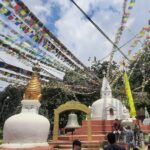
Most days start with Swayambhunath Stupa, also called the Monkey Temple, perched on a hilltop. You’ll climb 365 stairs to reach the top, where the view of Kathmandu is the whole point, and the site rewards patience with every landing.
This is also where the religious mix becomes very real. You’ll see prayer wheels you can spin as you walk, plus Hindu shrines and deities coexisting alongside Buddhist elements. It’s an easy place to feel the Kathmandu Valley’s blended culture, because the details are literally all around you.
One practical note: yes, it’s scenic, but it’s also stairs and crowds. If you’re sensitive to steep climbs or busy lanes, start slow, keep your pace steady, and save your best energy for the view up top.
Amideva Buddha Park: a calmer pause right after the main climb
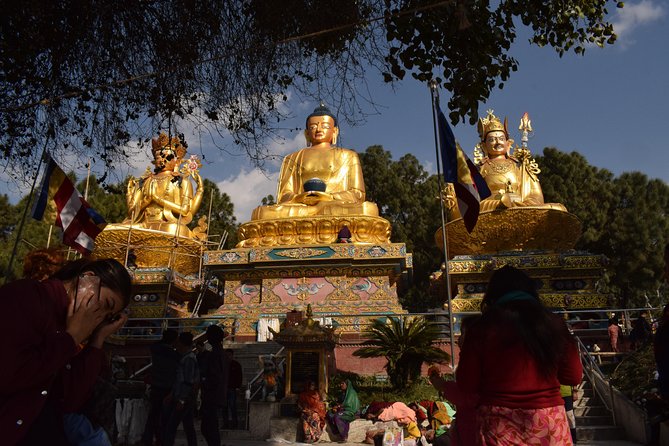
Right after Swayambhunath, the route continues with Amideva Buddha Park. The standout here is simple: you’ll reach three large Buddha statues set along the hill-side area, with a quieter mood than the bustle you just left.
This stop works well for two reasons. First, it breaks up the day so you’re not going from one intense temple experience to another without breathing room. Second, it gives you a different angle on Buddhist iconography before you head back into the city’s royal squares.
It’s short, so you’ll want to use it for a quick reset: water, a photo or two, and a moment to re-center before the Durbar Square area.
Kathmandu Durbar Square and Kumari Chowk: sacred space still living
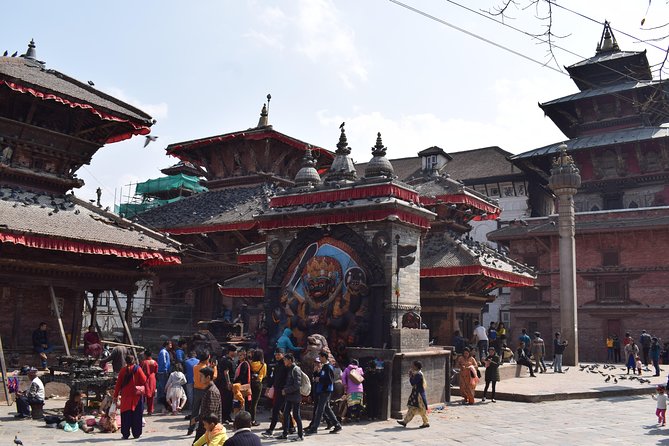
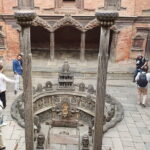
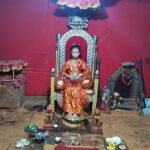
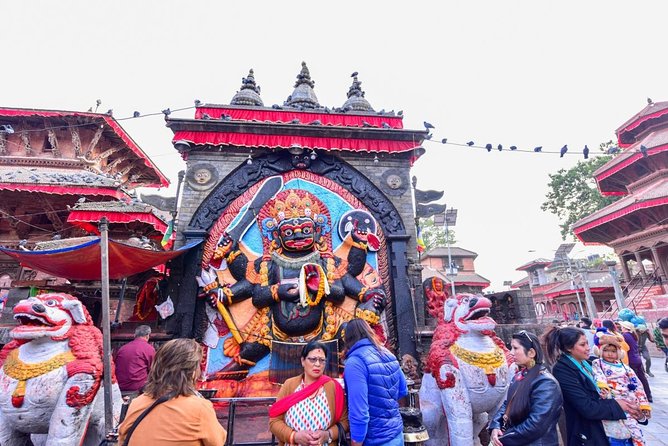
Next comes the Kathmandu Durbar Square area, with Kumari Chowk as a key highlight. Kumari Chowk is a courtyard inside a red-brick, three-level building, once home to the living goddess Kumari (selected until puberty, then she becomes a mortal).
This isn’t a museum stop where everything stays still behind glass. The power of Kumari Chowk is that it’s tied to ongoing cultural life and living belief, even if your visit is only from the outside or designated viewpoints.
You may also notice restoration work in the wider Durbar Square complex. That matters, because it adds a modern layer to what can otherwise feel like a purely ancient experience.
Patan Durbar Square and the Krishna Temple vibe: royal architecture, then stone-only detail
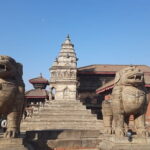
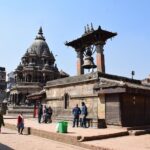
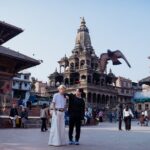
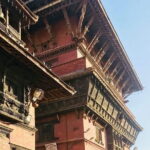
Patan Durbar Square is where the architecture starts telling you stories. You’ll walk through the old Malla palace courtyard area in Lalitpur (often paired with the UNESCO framing of the valley), and you’ll feel the Newari style in the way buildings layer into each other.
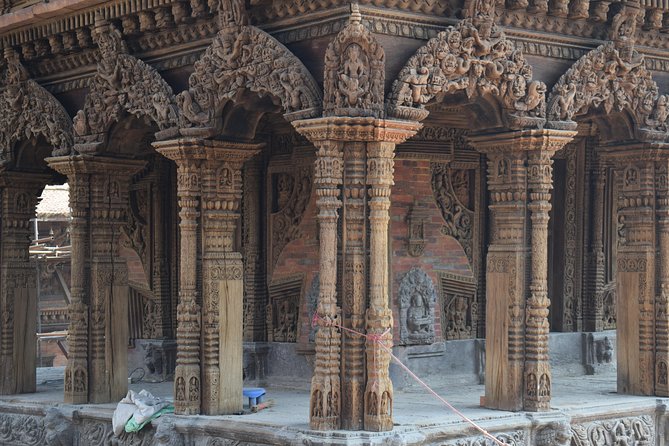
From there, you’ll move into the Durbar (central) space with a particular emphasis on the Krishna Temple. One detail I loved reading about is the stone-only approach to the temple construction, plus the presence of many shrines in the area. If you like spotting carved motifs and understanding why temples are arranged the way they are, this stop rewards you.
This is also a good point in the day to ask your guide questions. In the best moments of the tour, guides don’t just recite facts—they connect symbolism, religion, and architecture so you see the place as functional, not just decorative.

Golden Temple (Hiranya Varna Mahavihar) and Patan Museum: pagoda form, then context
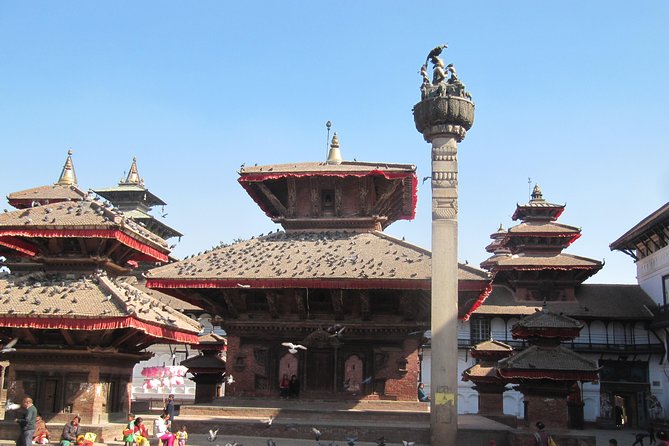
You’ll then visit the Golden Temple, also known as Hiranya Varna Mahavihar. It’s a 12th-century pagoda-style temple, and the visual focus is on its metallic statues and ornamentation, which is part of why it’s called golden.
Right after that, you’ll head to the Patan Museum in Keshav Narayan Chowk. This is a smart move for a long day because it gives context. The museum helps you connect what you saw in the streets to broader tradition and history—and yes, it even includes material related to historic Japanese civilization, which is an unexpected surprise.
If you’re the type who wants your day to make sense, this museum stop is where it clicks. Even a short visit can help you remember what you’re looking at later, especially when you head into Bhaktapur and start comparing temple styles.
Bhaktapur City: the easiest way to feel medieval Kathmandu up close
Now the tour shifts gears into Bhaktapur, often called the City of Devotees. This is where the pace often feels more grounded, because the streets and old-style buildings make it easier to imagine daily life in earlier centuries.
A big reason people love this section is that you’re not just visiting one “main photo spot.” You’re seeing a cluster of distinct sites that add up to a fuller picture: temples, palace details, and public spaces.
You’ll want comfortable walking shoes here. Even when the stops are relatively short, you’ll keep moving, and the step count adds up across the day.
Nyatapola Temple, Dattatreya Temple, and the 55 Window Palace
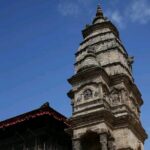
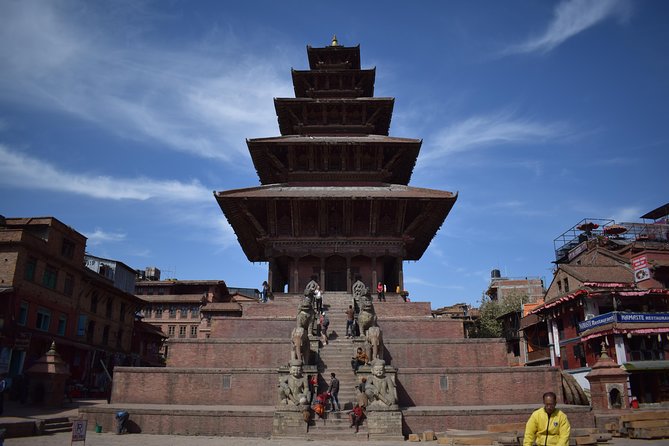
Bhaktapur’s Nyatapola Temple is a pagoda-style structure with five roof levels. It’s known for being one of the tallest pagodas, and it’s also the kind of temple that makes you look up without thinking about it.
Then you’ll move to Dattatreya Temple at Dattatreya Square. A standout detail is the belief that the temple was built using a single stem of a tree. Whether you take that as literal or traditional lore, it’s the kind of story that turns a stone building into something memorable.
Next up is the Palace of Fifty-Five Windows. The name tells you what to look for: carved windows arranged with architectural intent, turning the palace facade into a pattern you can actually study up close.
Siddha Pokhari and Changu Narayan: public pond calm, then hilltop devotion
Siddha Pokhari is a human-made pond close to Bhaktapur’s first town gate. It’s listed as 171 meters long and about three meters deep, and it’s also a local hangout area—so it feels less like a staged attraction and more like daily life.
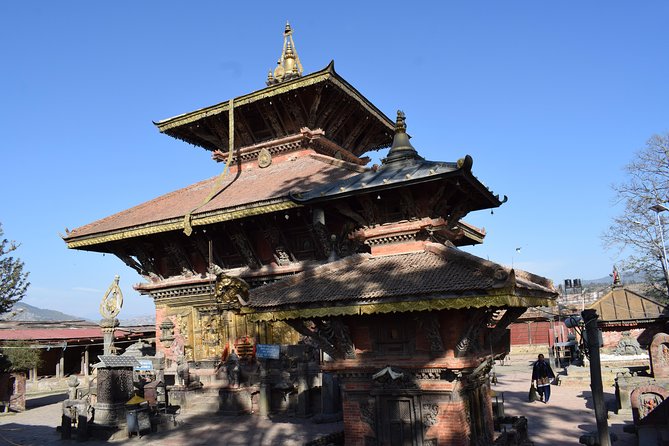
After Bhaktapur, the day climbs again with Changu Narayan Temple. This is a hilltop temple tied to very old records from the Licchavi period, and it’s known for stone and wooden carvings. If you want one stop that feels like a strong “why is this UNESCO” answer, Changu Narayan often does the job.
It also tends to be a mental reset. Nyatapola and the palace windows are complex and dense. Changu Narayan feels more focused and serene, even if you still have to work through steps to get there.
Pashupatinath: a huge Hindu temple complex with more than 500 shrines
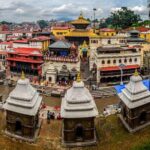
One of the most powerful changes in Kathmandu Valley is when the route reaches Pashupatinath. This temple complex is described as one of Nepal’s largest, with more than 500 temples and shrines in the broader area, covering about 0.64 hectares.
This stop can feel overwhelming in a good way because it’s not one single temple—it’s a complex. Your guide’s job becomes especially valuable here, because you want help deciding what to notice and what to ignore so you don’t just end up staring at everything at once.
Because the sites are active and sacred, it helps to move respectfully, keep your voice down, and focus on the details your guide highlights rather than chasing every doorway.
Boudhanath Stupa: 36 meters of Buddhist mandala energy
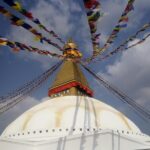
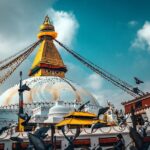
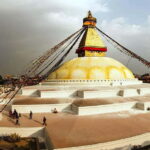
Finally, you’ll reach Boudhanath Stupa, one of Nepal’s most important Buddhist pilgrimage sites. It’s described as a 36-meter-tall stupa with over 50 gompas built around it, forming a huge mandala-like setting.
This is a great finish for a day tour because you get a different kind of attention than the Durbar squares. At Boudhanath, the space encourages slower looking: the stupa dominates, and the surrounding gompas give you texture without the same royal-palace clutter.
The best part of ending here is that you can reflect on what you’ve already seen. Swayambhunath showed the mix of traditions, and Pashupatinath showed scale and complexity. Boudhanath ties the Buddhist thread together in one iconic structure you’ll remember.
Guides, drivers, and pacing: the difference between rushing and enjoying
A pattern across the tour experiences is how much the guide matters. People repeatedly highlight guides like Shanti, Pankaj, Kabita, Sarita, and Som for clear explanations about Hindu and Buddhist beliefs and for adjusting the day to keep it comfortable.
The best tours don’t feel like a checklist. The way guides handle time is key: they keep you safe in traffic, don’t rush you out the moment you arrive, and can adjust stops when you want extra pictures, slower walking, or time for shopping and essentials.
Driver skill matters too, especially in Kathmandu traffic. This tour’s format depends on safe navigation so you arrive at sites still able to enjoy them, not arrive exhausted.
What to wear, what to bring, and how to survive 12 hours
This tour suggests smart casual dress code. For temple sites, that means you’ll likely want clothes that feel comfortable for walking and modest enough for sacred areas.
For gear, plan for the basics that make a difference on temple days: comfortable walking shoes, sun protection, and plenty of water. The Swayambhunath stairs alone are a reminder that “light walking” is a myth here.
Also consider a small day bag and a phone or camera with enough storage. With so many iconic places in one day, you’ll want to capture what you actually care about, not just whatever is closest to your feet.
Who should book this UNESCO Kathmandu Valley day tour
This is ideal if you:
- Want to cover all seven UNESCO World Heritage sites in Kathmandu Valley in one day
- Prefer a private car and an English-speaking guide over self-guided navigation
- Enjoy architecture, temples, and religious context more than shopping stops
It’s also a strong first-timer plan. If this is your first trip to Kathmandu, the tour gives you a workable mental map so you can return later and spend more time where you personally connect.
If you hate long days, tight schedules, or lots of stairs, then this may feel like too much. But if you’re fit enough to walk and you go in knowing it will be a marathon, it’s a very efficient way to see the valley’s core.
Should you book this tour?
Yes, if your priority is maximum UNESCO value with a guide who helps you understand what you’re seeing. The combination of private transport, entry fees included, and guides like Shanti, Kabita, Pankaj, Sarita, and Som seems to be the winning formula: you get context, pacing, and fewer logistics headaches.
I’d think twice only if you’re highly sensitive to crowds, steep stairs, or very long days. If you can handle walking and you want a guided overview you can build on, this is a smart booking for a short Kathmandu stay.
FAQ
How long is the UNESCO Seven World Heritage Tour in Kathmandu?
The tour runs about 12 hours, based on the listed duration.
What’s included in the price?
The tour includes a private vehicle, an English-speaking guide, entry fees for the heritage sites, and hotel pickup and drop-off.
What isn’t included?
Lunch in Bhaktapur is not included, and tips or gratuities are also not included.
Is it a private tour?
Yes. It’s listed as a private tour/activity, meaning only your group participates.
Do I need to pay entry tickets for the UNESCO sites?
Entry fees for the seven heritage sites are included in the tour.
Are there stairs and a lot of walking?
Yes. The Swayambhunath stop specifically includes 365 stairs, and the full itinerary involves multiple walking and temple visits.
What should I wear?
The dress code is smart casual.
What is the cancellation policy?
You can cancel for free up to 24 hours in advance for a full refund. If you cancel less than 24 hours before the start time, the amount paid is not refunded.