REVIEW · ROME
Rome: Colosseum, Circus Maximus, Forum & Ancient Rome Tour
Book on GetYourGuide →Operated by Pink Umbrella Tours · Bookable on GetYourGuide
Ancient Rome looks different when you walk it. This 2-hour guided tour strings together major sights and lesser-seen corners, with outside views that help you understand where power, worship, and games fit into the city’s layout.
You start in the Jewish Ghetto area at Piazza Cinque Scole, then move toward the big names without wasting time on random wandering.
What I really like is the mix of famous and easily missed stops: Theatre of Marcellus (often mistaken for the Colosseum) and Piazza Cinque Scole give you a change of pace from the usual Rome-only circuit. I also love that the route climbs to Capitoline Hill and keeps you moving through the Forum zone along Via dei Fori Imperiali, so the monuments feel connected instead of like separate photo stops.
One consideration: this tour does not include entry into the Colosseum, so you’ll be seeing it from the outside only. If you’re set on going inside, you’ll need to plan that separately.
In This Review
- Key highlights worth your time
- Two Hours of Ancient Rome: what this walking route covers
- Piazza Cinque Scole: getting your bearings in the Jewish Ghetto area
- Portico d’Ottavia and Ponte Fabricius: a short “Rome starter pack”
- Theatre of Marcellus and Temple of Apollo: why these stops feel like a surprise
- Climbing Capitoline Hill: Michelangelo’s square and a clearer city layout
- Via dei Fori Imperiali: Forums of Augustus, Caesar, and Nerva in one route
- Circus Maximus and the Colosseum exterior: a satisfying finish without tickets
- Guide quality on the street: Bruno, Gabriel, Francesco, and Sam
- Price and value: is $243.56 per person a fair deal?
- Who this tour suits best (and who should think twice)
- Practical timing: meeting point, pace, and what to bring
- Should you book this Rome: Colosseum, Circus Maximus, Forum & Ancient Rome Tour?
- FAQ
- How long is the tour?
- Does the tour include Colosseum entry tickets?
- Where does the tour start?
- Where does the tour end?
- What’s the tour like?
- Is the tour offered in English?
- What should I wear or bring?
- What happens if I arrive late?
- Does the tour run in bad weather?
- Is the tour suitable for wheelchair users or limited mobility?
Key highlights worth your time
- Piazza Cinque Scole start to get oriented in the Jewish Ghetto area before the big Roman ruins.
- Portico d’Ottavia + Ponte Fabricius as a practical “warm-up” corridor toward the main sights.
- Theatre of Marcellus for a classic mix-up moment, but with context that makes it click.
- Capitoline Hill and Michelangelo’s square for a strong viewpoint and clearer city geography.
- Via dei Fori Imperiali and multiple Forums so you see the political timeline in one walk.
- Circus Maximus plus a Colosseum exterior finish for a satisfying end-cap without museum time.
Two Hours of Ancient Rome: what this walking route covers
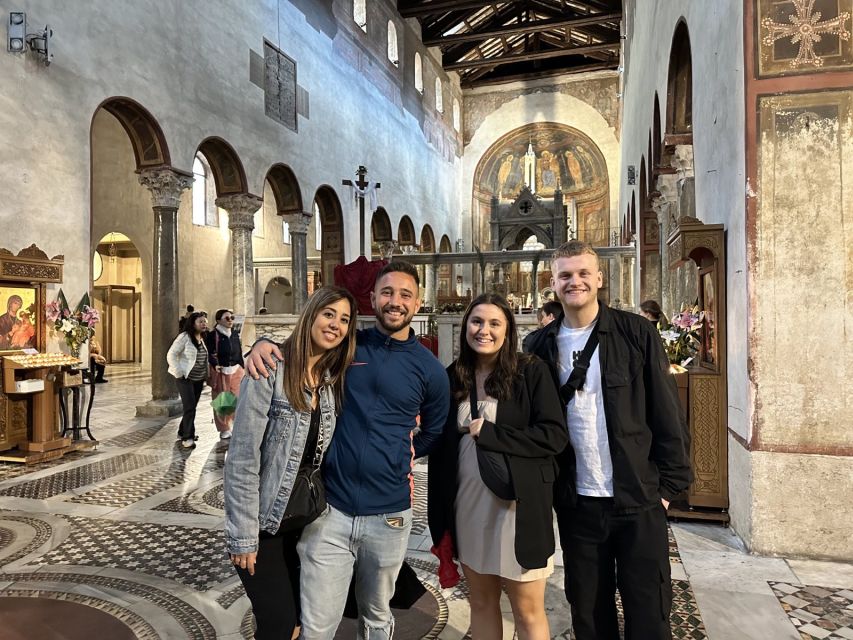
This is a focused, 2-hour walking tour built for people who want structure. Instead of trying to see everything on your own, I like how it organizes the day around a tight loop: Jewish Ghetto atmosphere, ancient market architecture, old bridge, theatres and temples, then the political center around the Forums.
You’ll follow an expert guide through streets of Rome’s city center, moving at a pace that’s meant to keep you seeing important parts without stopping for ages. And because it’s an outdoor tour, it’s straightforward: you show up, you walk, you learn, you keep going.
A quick reality check: the tour ends back at the meeting point, so you’re not left hunting for a ride after. Also, you’ll want to wear comfortable shoes because this is a walking-heavy route. It runs rain or shine, so plan for weather and don’t count on skipping the outdoors.
You can also read our reviews of more tours and experiences in Rome.
Piazza Cinque Scole: getting your bearings in the Jewish Ghetto area
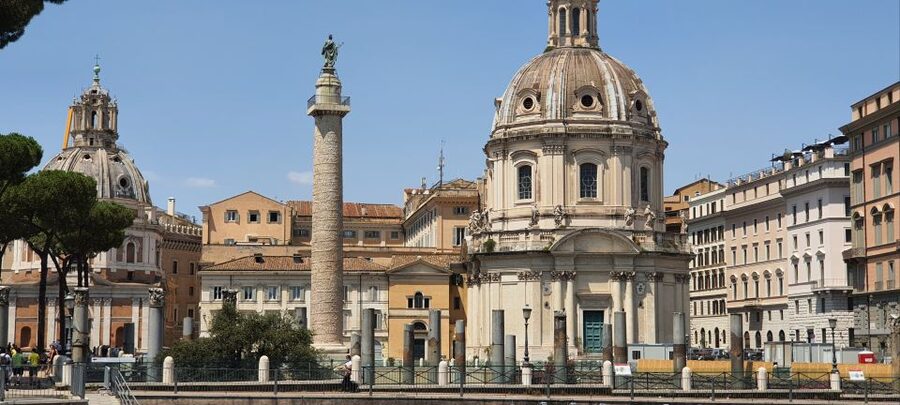
The tour begins at the Piazza Cinque Scole area, where you can absorb the atmosphere of the Jewish Ghetto before heading into the main Roman monument zone. Starting here is smart. It gives you a sense of what the city feels like now, then helps you notice how Roman-era sites sit inside a living neighborhood—not behind fences in a vacuum.
If you like context, this opening matters. It’s easier to understand what you’re seeing later when your brain already has a map of where you are and what kind of streets surround the ruins. You’re not just traveling backward in time; you’re watching time stack on top of time.
Portico d’Ottavia and Ponte Fabricius: a short “Rome starter pack”
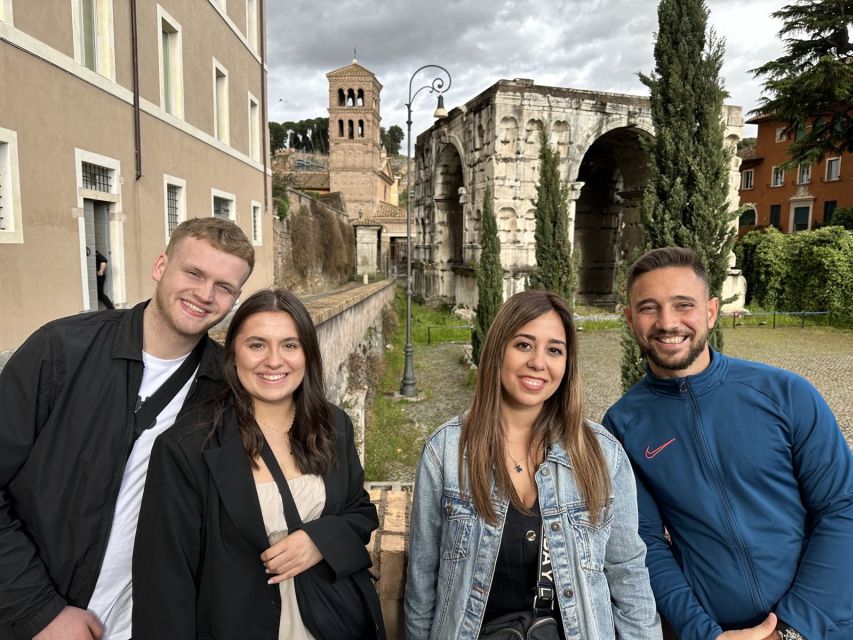
Next up is the Portico d’Ottavia, described as a majestic ancient structure that once marked the entrance to a bustling market. Even if you’re not chasing every architectural detail, this stop helps you read Roman space differently. You start thinking in terms of entrances, movement, and crowd activity—then when you reach the more famous monuments, it’s not only about grand facades.
Then you cross the Ponte Fabricius, the oldest bridge in Rome, connecting you toward Tiber Island. This is a practical and visual shift. Bridges and river crossings act like mental punctuation marks: you get a landmark, you change direction, and suddenly the route feels like a sequence instead of a list of sites.
Theatre of Marcellus and Temple of Apollo: why these stops feel like a surprise
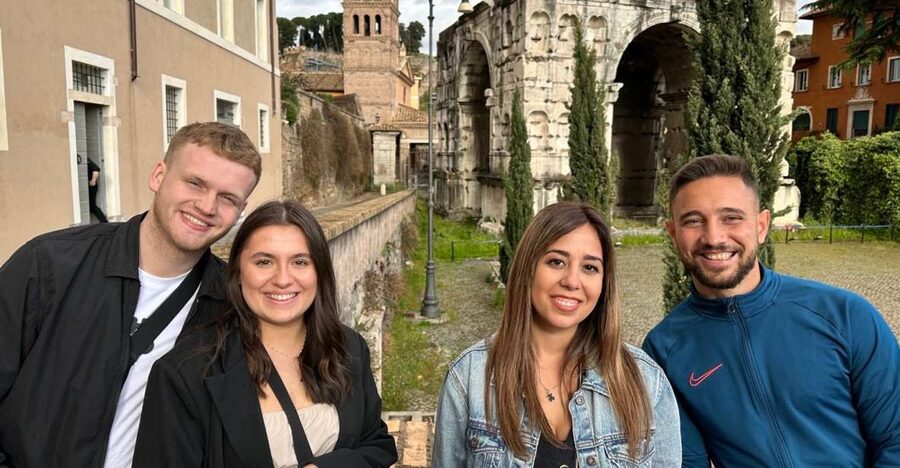
The Theatre of Marcellus is often mistaken for the Colosseum—and that’s exactly why it earns a place on this route. The key here is the framing: you’re shown what it is, why people confuse it, and how it fits into the broader Roman world of public life. When a stop comes with a built-in “wait, that looks like the Colosseum” moment, your brain holds onto it longer.
Nearby, you reach the Temple of Apollo. You’ll see the ruins, and the guide connects them to the idea of what Rome valued—religion and public ceremony—without you needing a textbook. The best part is how these stops break up the larger scale of the Forum zone. They’re still Roman power and prestige, but in a different language: performance and worship rather than politics and administration.
If you’re the kind of traveler who likes photos, this section delivers. If you’re the kind who likes understanding, it delivers even more. Either way, it’s a good stretch of the tour that doesn’t feel like you’re repeating the same “big stones” story.
Climbing Capitoline Hill: Michelangelo’s square and a clearer city layout
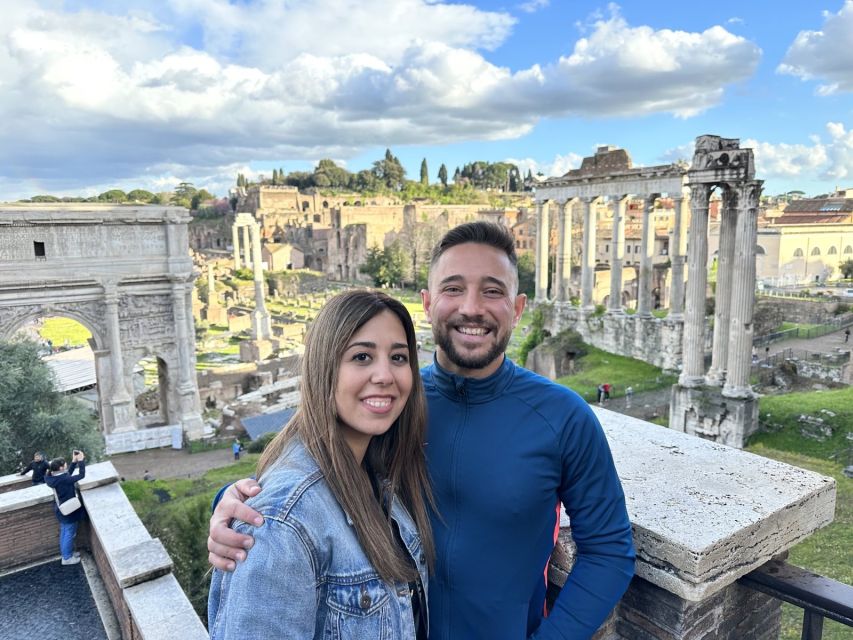
One of the reasons I like this tour is that it doesn’t stay flat. You climb Capitoline Hill, a move that instantly improves how you perceive the city’s structure. On hills, you start seeing sightlines and relationships between areas instead of just moving from landmark to landmark.
At the top, you reach the beautiful square designed by Michelangelo. That’s a major anchor point in the tour. Even if you’re not obsessed with Renaissance art, it’s a useful pause: it gives you a leg-rest, a viewpoint, and a chance to let the guide connect what you’ve seen so far with what you’ll see next.
You also reach Via dei Fori Imperiali, where the guide helps you understand the social and political life of past citizens through the layout of the area. That leads naturally into the Forum stops, where the architecture stops being “cool ruins” and starts behaving like a system.
Via dei Fori Imperiali: Forums of Augustus, Caesar, and Nerva in one route
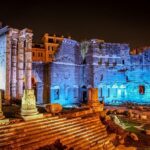
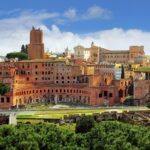
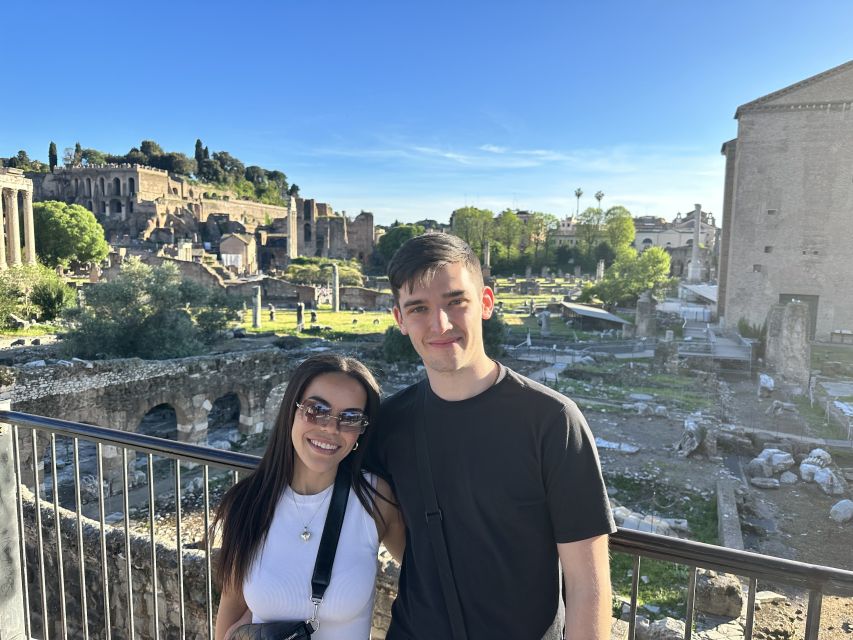
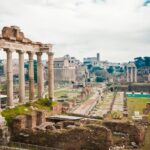
This is where the tour earns its name. Via dei Fori Imperiali positions you so you can look toward the Roman Forum and multiple named forums: the Forum of Augustus, the Forum of Caesar, and the Forum of Nerva. Seeing these together is the difference between scattered facts and a storyline you can actually follow.
I like the way the tour uses the named forums as a guide for understanding change over time. You’re not just standing in one dramatic spot and hearing generalities—you’re being walked through a sequence of places tied to political life. The guide connects what people did, where it happened, and why the space mattered.
Practical tip: if you want your photos to make sense later, take a moment at this stage to look around before you shoot. The forums and their names mean more when you’ve already grasped the direction of movement and how the area opens up.
Circus Maximus and the Colosseum exterior: a satisfying finish without tickets
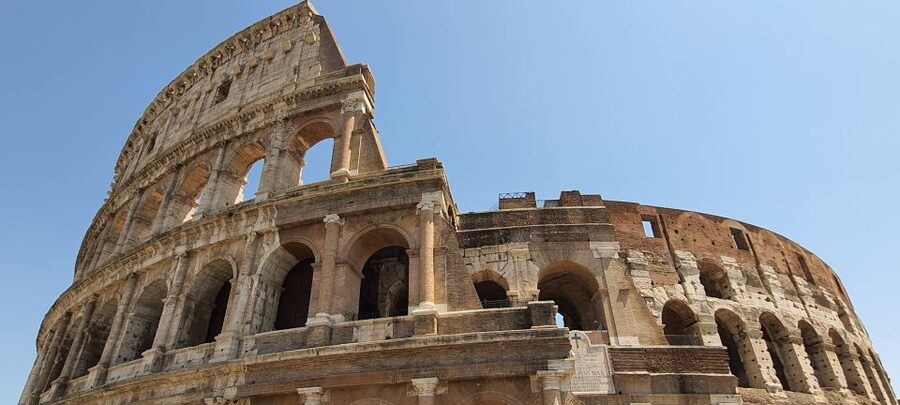
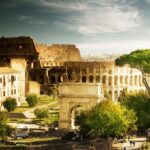
No visit to Rome would be complete without a stop at Circus Maximus, the famous chariot-racing stadium. This is a smart late-tour inclusion because it changes the mood. You shift from temples and political spaces to a performance-and-competition kind of arena—still public life, but with a different feel.
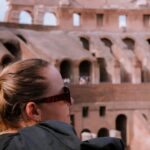
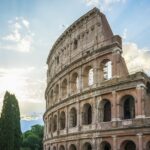
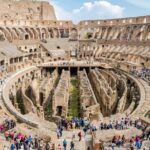
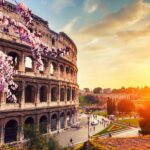
Then the tour finishes with outside views of the Colosseum, Rome’s most famous amphitheater. Because entry into the Colosseum is not included, you’re not stuck inside queues or pressured to fit everything into one time slot. The upside is control: you can enjoy the exterior and get your bearings, then decide separately if you want a later visit inside.
If you’re planning your overall Rome days, I’d treat this tour as orientation and narrative. It gives you a strong foundation, and it’s especially helpful if you want to return to the Colosseum area with more context afterward.
Guide quality on the street: Bruno, Gabriel, Francesco, and Sam
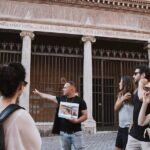
The biggest pattern in the tour experience is the guide. Multiple named guides—Bruno, Gabriel, Francesco, and Sam—are praised for how they teach. Bruno stands out for warm humor and friendly delivery, along with a talent for making the information easy to grasp. Gabriel and Francesco are also credited with strong communication and answering questions, which matters a lot when you’re walking past real ruins and want immediate clarity. Sam is noted as personable and knowledgeable, which usually translates to a tour that feels like you’re being guided, not lectured.
In practical terms, a good guide changes the tour from sightseeing into understanding. You’ll likely get more out of the stops if you ask questions on the move—especially around the Forum area and the tricky comparisons like the Theatre of Marcellus resembling the Colosseum.
If you’re choosing between “a generic walk” and “a guided story,” this is the kind where the guide is a real part of the value.
Price and value: is $243.56 per person a fair deal?
At $243.56 per person for a 2-hour, live guided walking tour, the value depends on what you want from Rome. This price covers a live English guide and the walking experience across major outdoor monuments. It does not include entrance tickets and fees, and the Colosseum visit inside is not part of the tour.
So the deal is strongest if you want:
- a guided route that saves you time figuring out where to go
- context that makes the monuments easier to remember
- outside views and an organized storyline without building in Colosseum entry time
It’s weaker if you specifically want to spend that 2-hour window going inside the Colosseum. In that case, you’ll need separate tickets and a different plan for interior access. Think of this tour as a high-impact primer. It’s often the most efficient way to build confidence before you go deeper.
Who this tour suits best (and who should think twice)
I’d recommend this tour to you if you:
- want a structured walk through Ancient Rome’s major outdoor sites
- like guides who answer questions and keep the tone friendly
- prefer learning in real locations, not from a bus window
- want a strong orientation around the Forum zone and Capitoline Hill
You might think twice if you need step-free access. The tour is not suitable for people with mobility impairments and it’s not suitable for wheelchair users. Since it involves climbing Capitoline Hill and staying outdoors, the physical factor is real.
Also, if you’re the type who hates flexibility, plan your Colosseum priorities in advance. This tour includes outside views only, so you’ll have to decide whether you want an interior ticket on a separate day or time block.
Practical timing: meeting point, pace, and what to bring
The meeting point is in front of the Basilica of Sant’Anastasia al Palatino. Arrive 15 minutes before the starting time; it isn’t possible to join once the activity has started. Guides wait for no more than 10 minutes beyond the starting time, and late arrivals won’t be refunded. The tour ends back at the meeting point, which is handy for regrouping.
Bring comfortable shoes. That’s it—keep it simple. And because it runs rain or shine, bring whatever you use to stay comfortable outdoors.
The duration is listed as 2 hours (with starting times you’ll need to check), so plan your other activities around that window. This tour is best when you give it the full time it needs rather than stacking back-to-back appointments.
Should you book this Rome: Colosseum, Circus Maximus, Forum & Ancient Rome Tour?
Book it if you want an organized, guide-led walk that connects the Colosseum area to the Forums and up to Capitoline Hill, with a couple of smart curveballs like Piazza Cinque Scole and Theatre of Marcellus. The guide quality—especially with names like Bruno, Gabriel, Francesco, and Sam—looks like the kind of difference you’ll feel immediately when you’re standing in front of ruins that can otherwise blur together.
Skip it (or pair it with something else) if your main goal is Colosseum interior time. This tour is about the monuments outside and the story you build around them. If you want to go in, plan that separately and let this tour set you up first.
If you tell me your travel dates and whether you want an inside Colosseum visit, I can help you put this into a smooth half-day plan.
FAQ
How long is the tour?
The tour runs for 2 hours.
Does the tour include Colosseum entry tickets?
No. Entrance tickets and fees are not included, and visiting inside the Colosseum is not part of this tour.
Where does the tour start?
You meet your guide in front of the Basilica of Sant’Anastasia al Palatino.
Where does the tour end?
The activity ends back at the meeting point.
What’s the tour like?
It’s a guided walking tour focused on outdoor monuments and buildings of Ancient Rome.
Is the tour offered in English?
Yes, the live tour guide is English.
What should I wear or bring?
Wear comfortable shoes, since it’s an outdoor walking tour.
What happens if I arrive late?
Guides wait for no more than 10 minutes beyond the starting time. It’s not possible to join once the activity has started, and there is no refund for late arrivals or leaving early.
Does the tour run in bad weather?
Yes. The tour takes place rain or shine.
Is the tour suitable for wheelchair users or limited mobility?
No. It is not suitable for people with mobility impairments and not suitable for wheelchair users.