REVIEW · MUMBAI
Mumbai: South Mumbai Heritage Walking Guided Tour
Book on GetYourGuide →Operated by Mumbai Dream Tours · Bookable on GetYourGuide
South Mumbai is built to be read. On this guided heritage walking tour, you get the stories behind Chhatrapati Shivaji Terminus and other landmarks, with guides like Sanika or Krishna turning stone, arches, and street plans into something you can actually understand. I like that it’s practical architecture sightseeing, not just passing by photos.
I also like the range: you’ll move from rail heritage to civic and religious buildings, then finish with major waterfront icons like Marine Drive and the Gateway of India. The overall approach is to help you notice details you’d normally miss—planning, ornament, and style—so you leave with a mental map of Old Mumbai.
One possible drawback: it’s an on-foot route, so it’s not the best plan if you hate walking or need lots of breaks to sit down.
In This Review
- Key highlights that make this walk worth it
- Why South Mumbai works so well on a walking tour
- Chhatrapati Shivaji Terminus: the UNESCO rail-station stop
- Town Hall and the Asiatic Society Library: old reading rooms, colonial stone
- St. Thomas’ Cathedral: 300 years of faith and local identity
- Marine Drive and Flora Fountain: small monuments, big meaning
- Bombay High Court and the University of Mumbai: power and learning
- Kala Ghoda and Watson’s Hotel: design details you can actually spot
- Hotel Taj Mahal Palace and the Gateway of India: icons with context
- The guides are the difference (and you’ll feel it fast)
- Price and value: is $28 a good deal?
- What to wear, what to bring, and how to time it
- Who should book this heritage walk
- Should you book this South Mumbai Heritage Walking Guided Tour?
- FAQ
- FAQ
- How long is the Mumbai South Mumbai Heritage walking tour?
- What language is the tour in?
- What are the main stops included in the tour?
- Is Chhatrapati Shivaji Terminus part of the tour?
- Is this tour a good option if it’s your first time in Mumbai?
- What’s the cancellation policy?
- Do I have to pay right away?
Key highlights that make this walk worth it
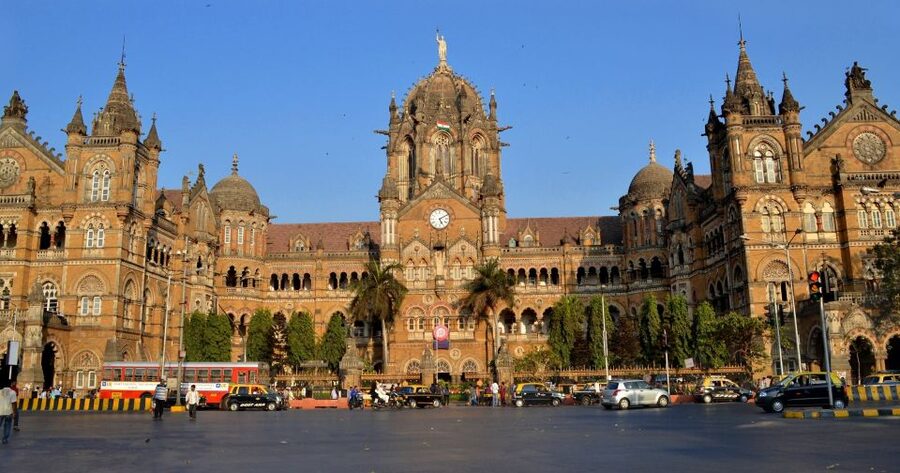
- UNESCO rail architecture at Chhatrapati Shivaji Terminus, including why it matters beyond trains
- 300-year-old St. Thomas’ Cathedral and the kind of craftsmanship that reads differently up close
- Flora Fountain (1864)—a small monument with a big cultural backstory
- Watsons Hotel, billed as the earliest surviving cast-iron example in India
- Kala Ghoda art district with heritage buildings you can spot once you know what to look for
- Gateway of India plus Taj Mahal Palace—the classic photo stops, explained with context
Why South Mumbai works so well on a walking tour
South Mumbai is the part of the city where the layers are easiest to see. The streets feel built for slow attention: rail, courtrooms, churches, libraries, and monuments all sit close enough that one good guide can connect the dots.
This tour is English-language and runs about three hours, which is a sweet spot. Long enough to understand what you’re looking at, short enough that you’re not stuck outdoors all day. And because the format can be flexible, you might even find yourself in a small group or a one-on-one feel—handy if you like asking lots of questions.
The heart of the experience is architecture + social context. The walking format also helps you catch things you’d otherwise walk past: an unexpected façade detail, a planning clue in how streets and buildings relate, or a style shift that signals a new era.
You can also read our reviews of more tours and experiences in Mumbai.


Chhatrapati Shivaji Terminus: the UNESCO rail-station stop
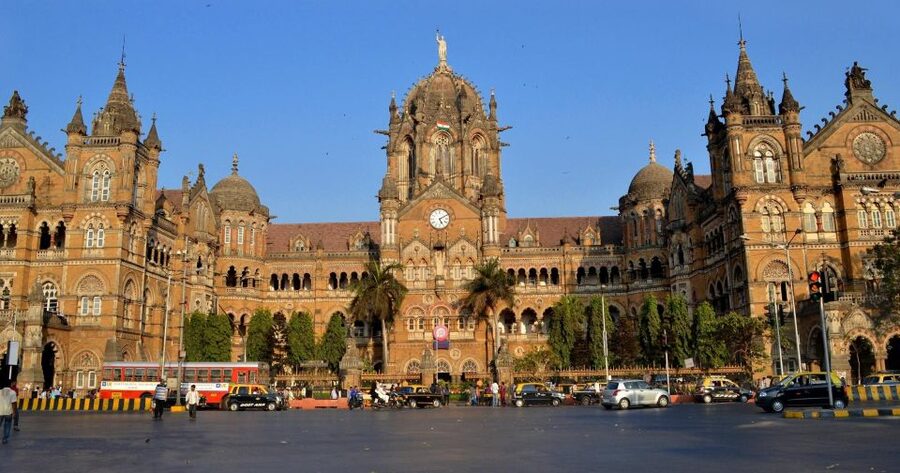
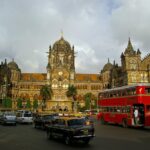
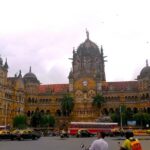
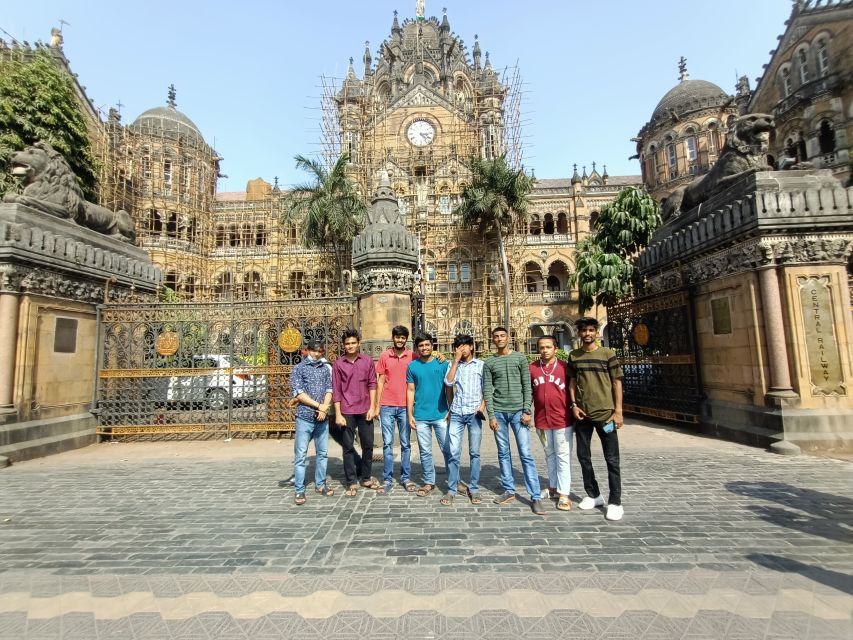
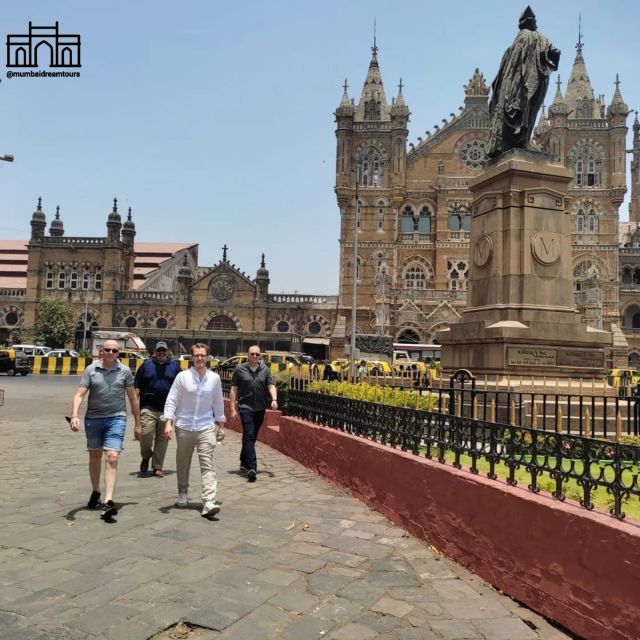
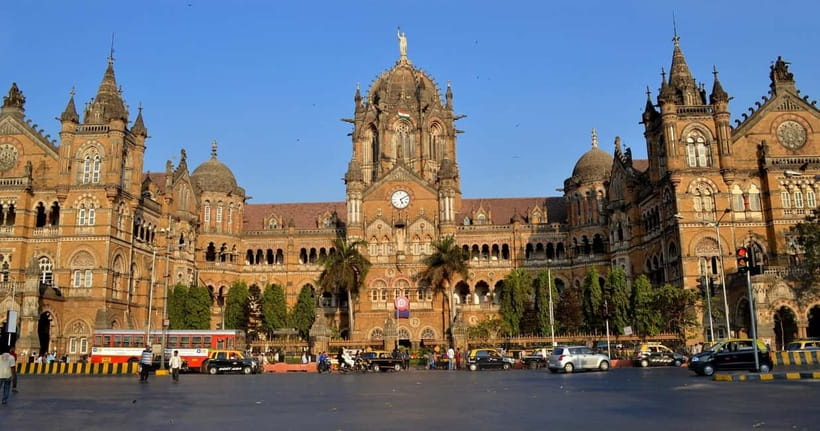
Chhatrapati Shivaji Terminus (CST) is the anchor. It’s not just a train station; it’s described as one of the most beautiful in India and a UNESCO Heritage Site. When a guide frames it this way, the whole building changes from scenery into a set of design choices.
Here’s what you should aim to notice:
- How the station’s scale and layout signal importance
- How the architecture reads like a landmark, not a utilitarian box
- Why a rail terminal becomes a city symbol
Even if you’re not a train person, this is a strong first stop because it gives you a starting point for how colonial-era planning shaped parts of Mumbai. It also sets the tone: you’re about to learn why the buildings exist, not only what they look like.
Town Hall and the Asiatic Society Library: old reading rooms, colonial stone
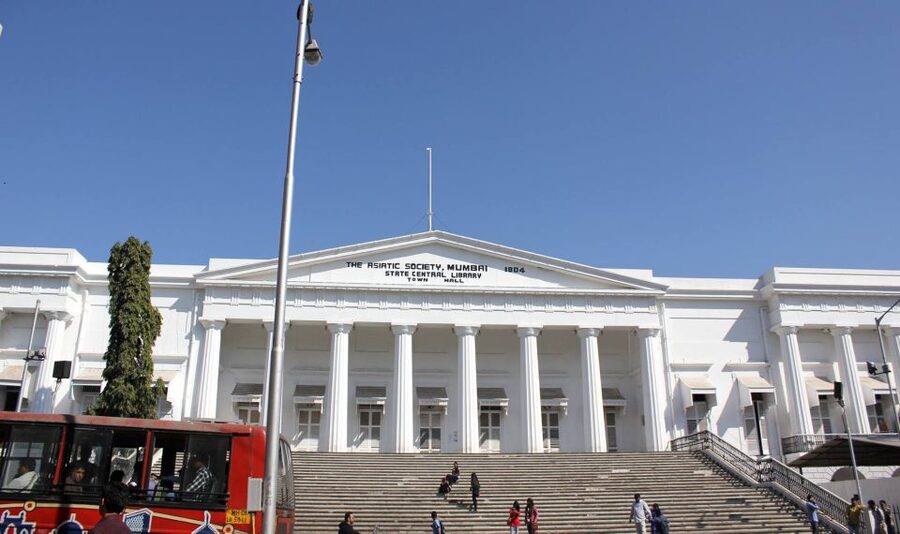
Next, you hit a more “civic” mood at the Town Hall (Asiatic Society Library). You’re told it’s a colonial structure and one of the oldest libraries in town. That matters because libraries are a kind of public commitment—an investment in learning and prestige.
This stop is where you learn to look at a façade like a document. The guide focus on architectural styles and ornament means you’re not just seeing walls. You’re interpreting them: what style signals, who it’s for, and how the city’s idea of public life took shape.
If you like architecture but hate the “look at this cool building” approach, this is your moment. The idea is to connect what’s on the exterior to the purpose behind it.
St. Thomas’ Cathedral: 300 years of faith and local identity
St. Thomas’ Cathedral is described as a 300-year-old cathedral church tied to the Diocese of Mumbai. That kind of age makes it feel less like a tourist stop and more like a long-running institution.
What I think makes this stop work on foot is proximity. When you’re close, you can actually see how older churches weather time and still hold their form and identity. And when a guide gives you the background, you can place it in a timeline rather than treating it like just another stop on a list.
This is also a good checkpoint in the walk: by now you’ve started building a mental map of Old Mumbai. The cathedral helps you understand that the city’s heritage isn’t only government buildings and grand monuments. It’s also religious life and community structure.
Marine Drive and Flora Fountain: small monuments, big meaning
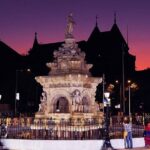
Marine Drive is famous, but a guided walk gives you a way to see it beyond the postcard. You’ll also meet Flora Fountain, built in 1864, depicting the Roman goddess Flora.
A fountain like this is a classic example of why guided walking matters. Up close, it’s not just pretty stone. It’s a signal of what the city chose to honor and how European symbolism found a place in Mumbai’s public space.
Practical tip for enjoying this section: keep your camera ready, but also keep your eyes open. The best moments are the ones where you notice details you would’ve missed at full walking speed.



Bombay High Court and the University of Mumbai: power and learning
Two stops in the civic-and-education lane round out the story: Bombay High Court and the University of Mumbai.
You’re told the High Court is seated primarily in Mumbai and is one of the oldest high courts in India. That’s the kind of detail that changes how you read the building. Instead of thinking “big important structure,” you start thinking “this is where old legal authority met the city’s growth.”
Then comes the University of Mumbai, described as one of the oldest and premier universities in India. Universities aren’t only about classes. They’re about urban prestige—how a city tells itself it’s serious about learning and future leadership.
If you’ve ever wondered why certain neighborhoods develop around institutions, this is where the answer starts to make sense. The buildings aren’t random. They’re part of a bigger planning story.
Kala Ghoda and Watson’s Hotel: design details you can actually spot
Kala Ghoda is the art district portion of the walk, described as crescent-shaped and known for heritage buildings. This is a great area for visual learning because the streets and building shapes reward slow attention.
Then you’ll reach Watsons Hotel, called the earliest surviving example of cast-iron architecture in India. That detail alone is enough to make the stop worth it, but a good guide makes it click.
Cast iron architecture is one of those topics that sounds technical until you see it. Up close, you’re looking at how materials and engineering shaped what could be built. It’s one of the clearest ways architecture becomes history you can see with your own eyes.
This is also where guides tend to be especially helpful. The tour is built around noticing planning elements and ornamental details, and Kala Ghoda gives you plenty of those to point at.
Hotel Taj Mahal Palace and the Gateway of India: icons with context
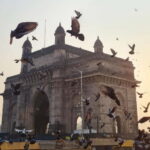
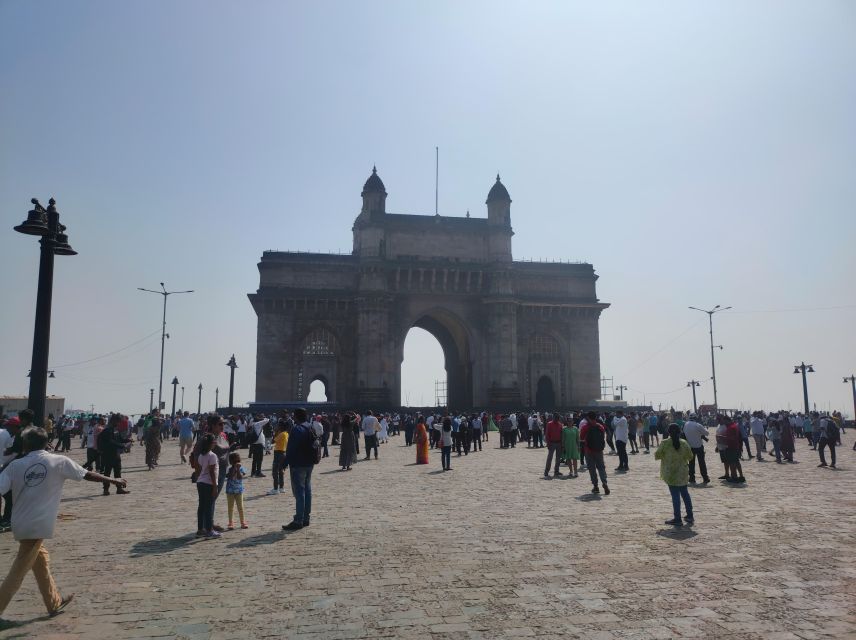
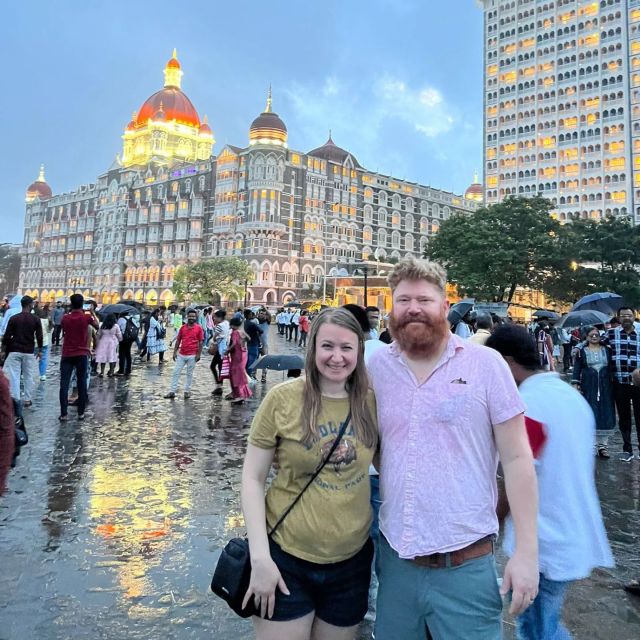
You’ll finish with two of South Mumbai’s most recognizable symbols: Hotel Taj Mahal Palace and the Gateway of India.
- Hotel Taj Mahal Palace is described as a heritage five-star luxury hotel in the Colaba area.
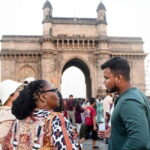
- The Gateway of India is described as an arch monument built in the early 20th century.
These are classic photo stops, so you might wonder why you’d pay for a guide. The value is context. A guide doesn’t just say where they are. You learn what they represent and how they fit the wider narrative of the area.
Also, Colaba-area landmarks have a habit of turning into visual noise if you don’t know what you’re looking at. When you do know the story, the Gateway stops being just a backdrop and becomes a landmark you understand.
The guides are the difference (and you’ll feel it fast)
The tour’s rating suggests something consistent: the guide experience matters. You’ll hear English spoken well and the explanations tend to match how you actually see buildings—step-by-step, with time to ask questions.
Names that come up include:
- Abhi, praised for deep Mumbai knowledge
- Krishna, noted for detailed information
- Sanika, described as warm and great at explaining history
- Ketan, sharing enthusiasm for Indian literature and archaeology (as remembered)
- Alan, praised for being both knowledgeable and conversational
- Alkama, noted for strong history-and-landmark insights
You don’t need a guide to read a plaque. You do need one to understand why a style matters and how the city’s social story shows up in architecture. That’s what these guides seem to do well: connect you to the buildings without turning it into a lecture.
If you’re a first-time visitor, this is also a smart way to get oriented fast. The walk helps you notice what kind of city South Mumbai is, so your later self-guided exploring feels easier.
Price and value: is $28 a good deal?
At $28 per person, this walk sits in a budget-friendly zone for a guided tour. Here’s why the value can work.
You’re paying for:
- An English-speaking guide (and strong performance is clearly part of the experience)
- A concentrated route through major landmarks
- Architecture-focused interpretation, which is the part you can’t easily DIY
You’ll also cover landmarks that cost a lot more time to see one by one: UNESCO-linked architecture, a 300-year-old cathedral, historic fountains, civic institutions, and iconic monuments like the Gateway.
So the question isn’t only whether it’s cheap. It’s whether you get enough explanation per stop to justify the guide. With the way guides have been described, the format seems built for that payoff.
If your schedule is tight and you want your first visit to South Mumbai to feel organized, $28 doesn’t look like a bargain. It looks like a practical investment.
What to wear, what to bring, and how to time it
This is a walking tour, and the landmarks are mostly outdoor. I’d treat it like a real walking day, not a museum day.
Bring:
- Comfortable shoes (you’ll be standing and walking a lot)
- Water, since you won’t want to keep breaking for refills
- A light layer, even if it’s warm
Time-wise, you’ll get the best experience if you’re not rushing. If you show up frazzled, you miss the small details the guide is pointing out. Aim to arrive early enough to settle before the group starts.
If you’re photo-heavy, don’t assume everything is constantly open or unobstructed. Instead, use the guide’s timing: ask where to stand, and take a shot while you’re actually learning.
Who should book this heritage walk
You should book if:
- You want a simple way to understand Old Mumbai without memorizing dates
- You like architecture and want a guide to help you see ornament and planning
- You’re visiting for the first time and want a strong orientation route
- You’d rather get context than just collect photos
You might pass if:
- You prefer indoor-only sightseeing
- You hate walking and want a purely seated experience
- You’re already deeply familiar with South Mumbai architecture and history (you may not get as much added value)
Should you book this South Mumbai Heritage Walking Guided Tour?
Yes, if you want a guided “map in motion.” For $28, you get a structured route through major landmarks—CST, St. Thomas’ Cathedral, Town Hall/Asiatic Society Library, Flora Fountain, Bombay High Court, the University of Mumbai, Kala Ghoda, Watson’s Hotel, Taj Mahal Palace, and the Gateway of India—plus the explanations that make the city feel coherent.
I’d book it early in your trip. Then you can spend the rest of your time in Mumbai following the trail the guide gave you, not just wandering with your phone out.
FAQ
FAQ
How long is the Mumbai South Mumbai Heritage walking tour?
A guide may run it for about three hours, based on how the experience has been described.
What language is the tour in?
The tour is in English.
What are the main stops included in the tour?
Key included stops are Chhatrapati Shivaji Terminus, Town Hall (Asiatic Society Library), St. Thomas’ Cathedral, Flora Fountain, the University of Mumbai, Bombay High Court, Kala Ghoda, Watson’s Hotel, Hotel Taj Mahal Palace, and the Gateway of India.
Is Chhatrapati Shivaji Terminus part of the tour?
Yes. It’s specifically listed as a stop, and it’s described as a UNESCO Heritage Site.
Is this tour a good option if it’s your first time in Mumbai?
Yes. The experience is described as a great start to get acclimatized, especially so you don’t just walk past heritage sites without understanding what you’re seeing.
What’s the cancellation policy?
You can cancel up to 24 hours in advance for a full refund.
Do I have to pay right away?
No. The experience offers Reserve & Pay Later, so you can book your spot and pay nothing today.