REVIEW · GOA
Chandor Heritage Trail by Make It Happen
Book on Viator →Operated by Make It Happen · Bookable on Viator
Goa’s history here feels personal, not museum-dry. The Chandor Heritage Trail takes you through key village landmarks and layers of belief and family life, guided by local storytellers like Alita or Pawan.
I love how the tour mixes famous-looking sites with human stories—the kind that connect Portuguese-era life and even earlier legends to the people still living around these buildings. I also like that the pace is short and practical (about 2 hours 15 minutes), with snacks and soft drinks included so you’re not scrambling for food.
One thing to plan for: this isn’t a simple on-foot walk. You’ll need transportation between stops, and private vehicle transport is not included.
Key points before you go
- Small group size (up to 20 people) keeps the storytelling easy to follow.
- You start at Igreja de Nossa Senhora de Belém in Chandor and end back at the same meeting point.
- You’ll see major heritage buildings, including the large Menezes Braganza House and a hillside chapel.
- Snacks and soda/pop are included, keeping the tour comfortable for the full 2 hours 15 minutes.
- It requires good weather, since the experience depends on outdoor movement and site changes.
- A mobile ticket makes check-in straightforward.
In This Review
- Arriving at Chandor: Where the Trail Starts and How It Flows
- Price and What You Actually Get for $14.54
- The Guide-Story Power: Alita or Pawan and the Human Side of Goan Heritage
- Stop 1: Igreja de Nossa Senhora de Belém and the 17th-Century Beginning
- Stop 2: Menezes Braganza House and the Village Square Scale
- Stop 3: Capela Nossa Senhora da Piedade on a Hillock
- The Real Value: Learning Pre-Portuguese Layers and Portuguese-Era Life
- Timing, Comfort, and Included Snacks (So You Don’t Worry About Food)
- Who This Tour Fits Best (and Who Might Prefer Something Else)
- Should You Book Chandor Heritage Trail by Make It Happen?
Arriving at Chandor: Where the Trail Starts and How It Flows
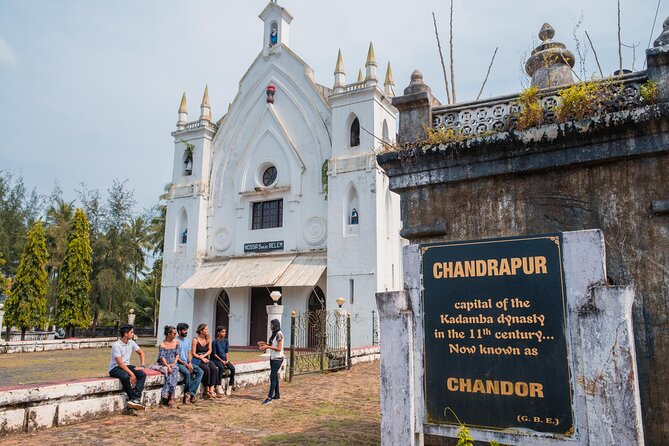
Your tour starts at Igreja de Nossa Senhora de Belém in Chandor, marked at 726V+HVP, Villa Formosa, Chandor, Goa 403714. From the start, you’ll get a guide-hosted introduction and then move between sites during the experience.
This is a practical choice if your Goa days are already packed. The whole route is designed for a quick hit: enough time to see major places, but not so long that you lose the rest of your day to travel fatigue. And because it’s capped at 20 people, it usually feels more like a focused local walk-through than a crowded bus stop-and-go.
One more note that matters: the tour isn’t described as a long walking trail. Expect transport between the stops, so plan to meet the group ready to go.
Price and What You Actually Get for $14.54
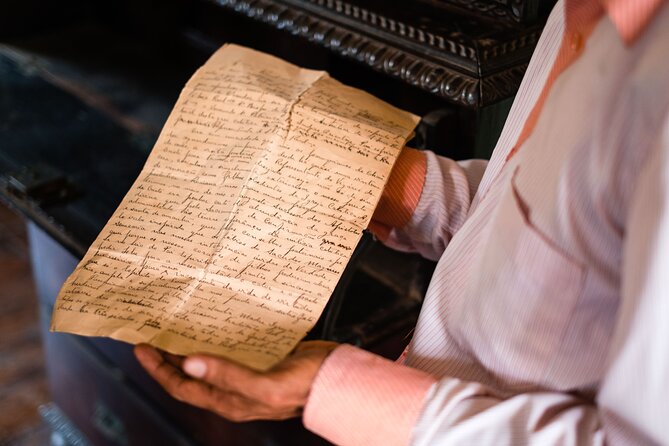
At $14.54 per person, this isn’t a “showpiece attraction” price. Instead, you’re paying for three things that add up quickly: a local guide, access to standout heritage sites, and small comforts that make the time easier.
Here’s the value angle I’d focus on:
- Guided storytelling: the guides share what village life was like during Portuguese times and even earlier periods, plus local legends.
- Concrete stops: you see real buildings—churches, chapels, and a major heritage home tied to the village square.
- Included refreshment: snacks and soda/pop are part of the experience, so the cost isn’t only “for standing near monuments.”
If you like tours where you’re learning how people actually lived (not just what buildings look like), the pricing makes sense. If you’re chasing nightlife-level adrenaline, this probably won’t be your match.
You can also read our reviews of more tours and experiences in Goa.



The Guide-Story Power: Alita or Pawan and the Human Side of Goan Heritage
A big reason this trail gets strong ratings is the guide work. In different outings, you may travel with Alita or Pawan, and both are described as engaging and story-driven.
What you should expect from that style:
- You don’t just hear dates and names. You learn what everyday life looked like—social rhythm, belief systems, and how places shaped community identity.
- The storytelling connects the visible sites to the invisible “why.” For example, one guide highlights history before Portuguese arrival, and stories connected with local legend and Hindu deity references (including Shiva).
- You also get interaction with people connected to the heritage homes and village culture, which helps the tour feel like a lived-in community lesson rather than an outside lecture.
I like this approach because it turns sightseeing into understanding. You walk away with a mental map of how Chandor’s spaces fit together—churches on the spiritual side, big homes on the social side, and chapels marking geography and devotion.
Stop 1: Igreja de Nossa Senhora de Belém and the 17th-Century Beginning
You begin at Igreja de Nossa Senhora de Belém in Chandor. The tour notes that this church dates back to the 17th century. It’s a free admission stop, so you’re not spending extra money just to enter your first landmark.
Why this matters at the start: it sets the tone. You’re immediately in the religious and architectural language that shaped Goa’s village life. And because the guide leads your understanding from the first stop, you’re not guessing why later chapels and homes matter—you already have a framework.
Practical tip: because you start at a specific point and the rest of the tour uses transportation between stops, show up a bit earlier so you don’t rush. You’re trying to settle in, not play catch-up.
Stop 2: Menezes Braganza House and the Village Square Scale
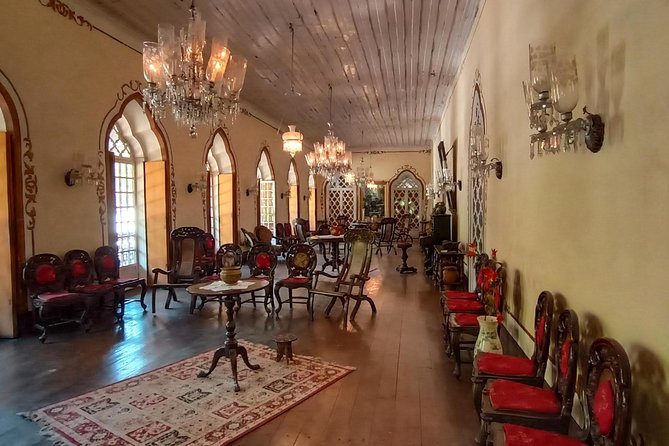
Next comes the Menezes Braganza House, a major heritage home in Chandor Village. This building was first built in the late 16th century, then rebuilt into its present form during the 18th century. It sits on one side of the village square, so even if you’ve only glanced at it from outside, you can feel how central it is to village layout.
Admission for this stop is included, and the time here is about 20 minutes. That’s a sweet spot: long enough to notice architectural character and hear context, not so long that your attention fades.
What I’d expect you to walk away with:
- A sense of power and presence—this house isn’t “small history,” it’s large-scale village status.
- A clear connection between family heritage and place. The guide work focuses on what life was like, including Portugal-era influences and earlier context.
- A chance to understand why descendants and heritage homeowners care about preserving these sites and the stories attached to them.
One consideration: because this is a large house tied to village history, some parts may feel more informational than “hands-on.” If you’re expecting dramatic interiors at every step, you might want to calibrate. But for learning how the pieces fit socially, this stop pays off.
Stop 3: Capela Nossa Senhora da Piedade on a Hillock
The final landmark is Capela Nossa Senhora da Piedade. The chapel sits on a small hillock roughly 500 meters from the front side of the church. The tour gives specific construction and rebuilding dates: built by Francisco Fernandes on 3 July 1748, rebuilt in 1758, and established on 14 March 1760.
This is the kind of stop that feels different from the big-house moment. A hillside chapel changes the mood. It’s closer to devotion and geography—how the community marks faith in a physical setting.
Time here is about 10 minutes with free admission. That’s short, but appropriate. You’ll likely get the story, take in the setting, and then move on without your schedule collapsing.
Practical thought: since this part involves moving and changing points (and the overall tour uses transportation between sites), wear clothes you’re comfortable in for short waits and short walks. You’re not doing a marathon, but you are shifting locations.




The Real Value: Learning Pre-Portuguese Layers and Portuguese-Era Life
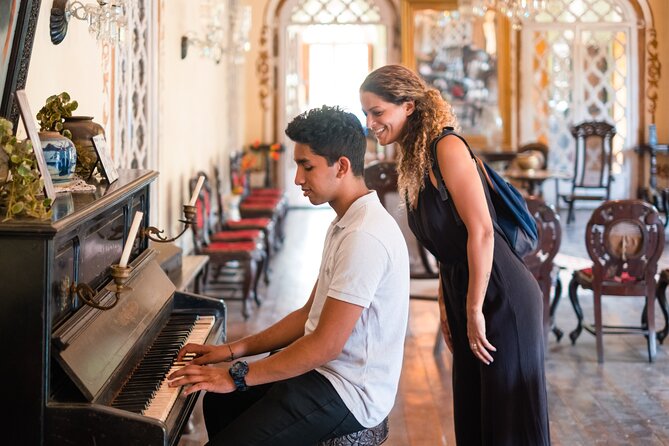
The headline of the experience is history in motion—how Goa’s past works like layers. You’ll hear what life looked like in Portuguese times, and the tour also pushes backward into earlier periods.
You’ll also get local legend material. One guide share includes stories tied to legends and Hindu deity references like Shiva. That kind of storytelling matters because it explains why people built, believed, and organized their lives the way they did—especially in a place where cultures overlap in real time.
I like these layers because they help you stop treating Goa as one story. Chandor becomes a shortcut to understanding that it’s not just Portuguese churches or beach-era postcards. It’s a village network built from faith, family heritage, and older traditions that didn’t disappear when new power arrived.
Timing, Comfort, and Included Snacks (So You Don’t Worry About Food)
The experience lasts about 2 hours 15 minutes. For a half-day plan, that’s a good rhythm: enough time to see three core stops and hear the reasoning behind them.
Included in the price are light sweet snacks plus soda/pop. That’s more useful than it sounds. In Goa, quick day plans fall apart when you hit a snack gap. Here, you avoid that problem without having to guess what’s open near your next stop.
One small practical note: because the route is not purely walking-based, you’ll want to be ready for a mix of short movements and transport pauses. If you’re the kind of person who hates waiting, keep a water bottle handy anyway (even though soda/pop is included).
Who This Tour Fits Best (and Who Might Prefer Something Else)
This trail is best for:
- People who like story-first touring—learning how communities lived, not only what buildings are called.
- Travelers who want short, high-impact cultural time in south Goa.
- History buffs who enjoy pre-Portuguese context and the way local legends get woven into the village story.
- Anyone traveling with mixed interests: churches, heritage homes, and community interaction all show up.
You might skip it if:
- You’re mainly looking for a long scenic walk or a route with constant photo-stop viewpoints.
- You want a lot of indoor exploring and museum-style exhibits at each location.
- You dislike tours where the biggest value comes from talking with a guide rather than seeing lots of physical surprises.
Should You Book Chandor Heritage Trail by Make It Happen?
I think it’s worth booking if you want Goa that feels grounded in people and place—churches, big heritage homes, and storytelling that explains why the village looks the way it does. For the price, the time-to-learning ratio is strong, and the small group size helps you actually follow the story.
Book it if you match the vibe: curious, respectful, and happy to treat history as a living community lesson. If you’re expecting a long walking itinerary with constant independent wandering, adjust your expectations and plan for transportation between stops.
If you want a thoughtful cultural anchor in your south Goa day, this trail is a solid choice.