REVIEW · ROME
Ancient Rome Uncovered: Guided Golf Cart Experience
Book on Viator →Operated by Euphoria Tours · Bookable on Viator
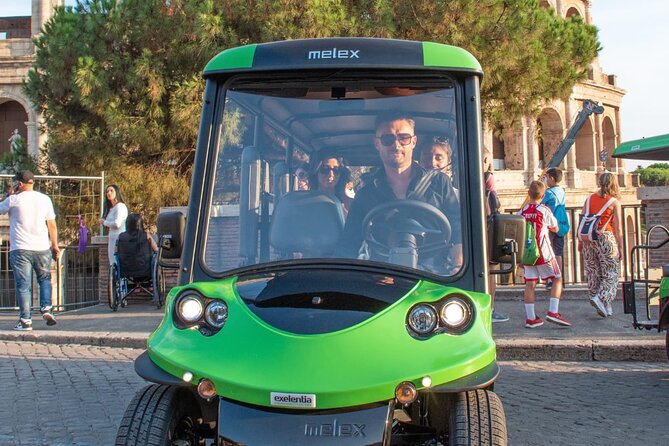
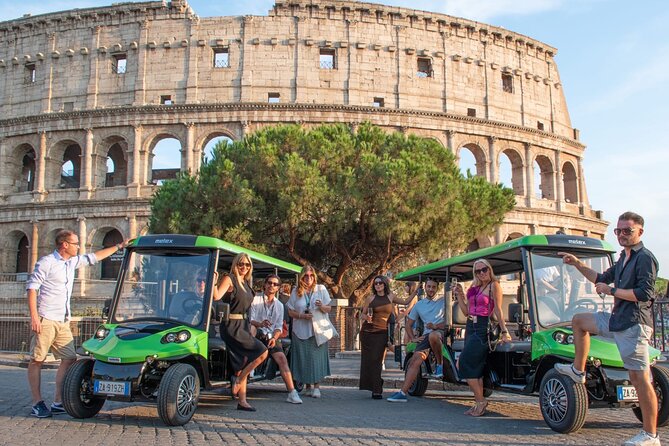
Rome by golf cart beats the foot slog. You’ll glide past big names in Ancient Rome and key city highlights without turning your day into a marathon, with an English-speaking guide keeping things lively and easy to follow. I really like the way the route stitches together the Colosseum, Forum, and central Rome monuments into one compact plan, and you’ll see the city’s best photo spots without hunting buses or taxis between them.
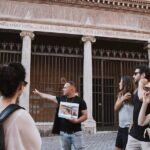
Another thing I like: you’re capped at 14 people, so the guide can actually steer the experience, not just recite facts from a moving position. Guides like Andrea, Vitaliy, and Yuri come through the program as friendly, engaging people who can tailor the pacing if you’ve already seen part of the route.
Here’s the main drawback to consider: it’s a tight schedule. Each stop is short, so if you’re the type who likes to linger, you may feel a bit rushed at the highlights.
In This Review
- Key things worth knowing before you ride
- The golf cart format in Rome: speed with a story
- Where the tour begins: Largo Gaetana Agnesi to the Colosseum area
- Stop 1: The Colosseum, Roman Forum views, and the Maltese Order keyhole
- Stop 2: Circo Massimo for the big-picture history
- Quick stop: Teatro di Marcello and the Mouth of Truth pass-by
- The white-marble icon moment: Altare della Patria views on the way
- Stop 4: Trevi Fountain, romance, and a fast wish
- Stop 5: Spanish Steps for views, people-watching, and quick context
- Ending at Piazza del Popolo: a strong finish for continuing your day
- The price: why this can be good value in a short Rome visit
- Who this tour suits best (and who should skip it)
- Guide quality matters here: Andrea, Vitaliy, Yuri, and the fun factor
- What to do before you go: set yourself up for the best ride
- Should you book this Ancient Rome Uncovered golf cart tour?
- FAQ
- How long is the Ancient Rome golf cart experience?
- What does it cost per person?
- Is the tour offered in English?
- Where do you meet, and where does it end?
- How big is the group?
- Do I need a paper ticket?
- Are admission tickets included for the stops?
- Can most travelers participate?
- Is there free cancellation?
Key things worth knowing before you ride
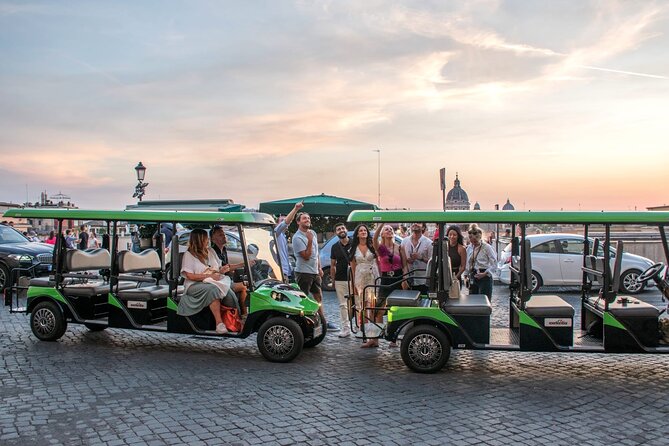
- Small group (max 14): less chaos, easier listening, and a guide who can adjust on the fly.
- Time-efficient route: multiple major sights in about 1.5 hours, including travel between stops.
- Guides who adjust: you may get a customized pace if you’ve already seen some landmarks.
- Central highlights included: from the Colosseum area to Trevi Fountain and the Spanish Steps.
- Tasty Rome trivia stops: you’ll hear stories tied to places like the keyhole and the Mouth of Truth.
The golf cart format in Rome: speed with a story
A golf cart tour sounds like a shortcut until you experience Rome’s reality: streets are crowded, crossings can be slow, and the distance between the big attractions adds up fast. This tour’s whole value is that it respects your limited time and keeps you moving from one “can’t-miss” moment to the next. You’re not just sightseeing at random. The route is designed to group sights that make sense together.
And because the group stays small, you won’t feel like you’re stuck behind a wall of people. That matters around the busiest stops like Trevi Fountain and the Spanish Steps. You can actually hear the guide and catch what’s going on, instead of just standing there waiting for your turn to see the view.
One more practical note: the tour ends at Piazza del Popolo. That’s a strong landing spot. It’s a major square with plenty of connections, so you can keep exploring afterward without spiraling back toward where you started.
You can also read our reviews of more tours and experiences in Rome.
Where the tour begins: Largo Gaetana Agnesi to the Colosseum area
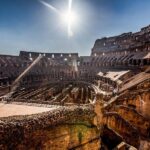
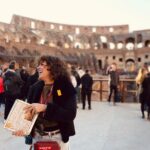
The meeting point is Largo Gaetana Agnesi (near the start of the route), and the first segment is all about setting the scene for Ancient Rome. Your guide meets you there and jumps right into an intro to the Colosseum and Roman Forum area.
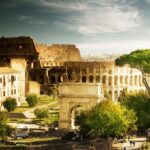
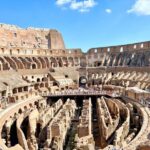
You’ll get the perspective that makes Rome click. The Colosseum isn’t just an old building. It’s tied to how Romans organized power, entertainment, and public life. The Roman Forum is the other side of that coin: politics and everyday authority, concentrated in a space that feels dense even from a distance.
In the schedule, the Colosseum stop is listed at about 15 minutes, with admission ticket noted as free. That signals one key idea: this tour is meant to keep you moving and focused, not stall you with ticket lines or extended museum-style wandering.
Stop 1: The Colosseum, Roman Forum views, and the Maltese Order keyhole

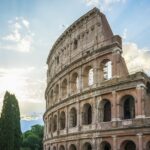
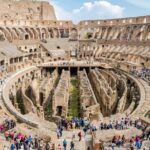
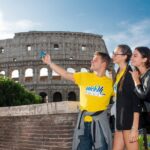
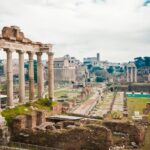
This is your anchor stop. The Colosseum is the name you expect, but what makes this portion more fun is what comes with it. You’ll also get views toward the Roman Forum, which helps you understand the geography of the area. It’s one thing to see photos. It’s another to grasp that these spaces connect.
Then the route includes a pass by the famous keyhole linked to the Knights of Malta (often called the Keyhole of the Order of Malta). This is one of those Rome details that feels like a secret because it’s small, specific, and story-driven. The guide points it out and adds a “how did people even discover this?” style explanation.
One practical thing: because this is built into a moving, guided route, you’re not hunting it on your own. If you’re the kind of person who loves these oddball Rome moments, you’ll appreciate that it’s folded into the plan rather than treated like an extra detour.
Stop 2: Circo Massimo for the big-picture history
Next up is Circo Massimo. The tour gives you time to learn what this place was for and why it mattered. Even if you’re not an athletics-history person, this stop helps you see ancient Rome as a culture of crowds and spectacle.
The schedule lists Circo Massimo at around 10 minutes, with admission ticket noted as free. That’s a reasonable length for this kind of site when your goal is interpretation and orientation. You’ll come away knowing what was happening there and what it says about Roman society, not just that it looks like an open area with old bones.
Also, it’s a nice change of pace. You’re not constantly climbing or searching for entrances. The golf cart keeps the energy up, and the guide keeps it meaningful.
Quick stop: Teatro di Marcello and the Mouth of Truth pass-by
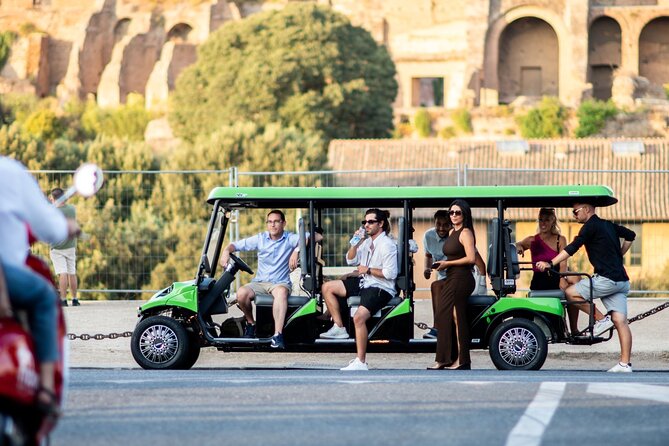
Then you get a quick visit to Teatro di Marcello, about 5 minutes on the schedule. Short stops can feel like marketing, but here it works if the guide uses the time to connect it to what you already saw near the Colosseum. It reminds you that Rome didn’t just do gladiators and politics. It did performance and architecture on a massive scale.
After that, the route includes a pass-by of the Mouth of Truth area. This is a “legend plus location” kind of moment. The appeal is the story people attach to it, and that’s exactly what a good guide can deliver while keeping the tour flowing. If you’ve ever wanted one of those iconic Rome stories without spending time figuring out where everything is, this stop format is a win.
The white-marble icon moment: Altare della Patria views on the way
As the tour moves through central landmarks, you’ll see the gleaming monument area of Altare della Patria. This is the “wow, Italy looks like Italy” stretch of the tour, with dramatic marble and big staircase energy. Even if you’re not focused on the unification era, the sight helps break up the strictly ancient timeline and gives your day variety.
This is also where the guide’s stories matter. Rome reads differently when you can connect eras: ancient foundations, Renaissance/Baroque styling, and then modern Italy’s public identity in stone.
Stop 4: Trevi Fountain, romance, and a fast wish
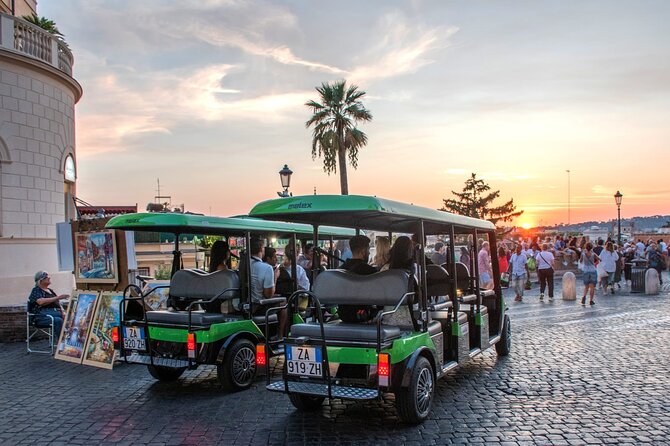
Then it’s time for Trevi Fountain, with about 15 minutes and admission ticket noted as free in the schedule. Trevi is one of those places where your expectations can run wild, mostly because it’s photographed constantly. The good news is that once you’re there in person, it’s still powerful: sculptural drama, lots of water movement, and a sense of theatrical spectacle.
The important practical part: you’re getting a short, guided window. That means you should show up ready to move for photos and not expect a slow, quiet bench moment in the center of the city’s attention economy. In other words, don’t plan this stop as your calm time. Plan it as your highlight hit.
Also, the tour includes the classic ritual: toss a coin and make a wish at Rome’s most famous fountain. Even if you treat the legend as fun folklore, it gives the stop a clear “do this now” rhythm.
Stop 5: Spanish Steps for views, people-watching, and quick context
Next is the Spanish Steps, scheduled for about 15 minutes. This stop is less about one single structure and more about the full effect: steps as a stage for conversation, city life, and iconic angles toward the neighborhoods beyond.
It’s romantic, yes, but it’s also practical for first-timers because the views help you orient yourself. You start to see where streets lead and how the city’s layers stack up.
If you like bustling atmosphere, you’ll enjoy this portion. If you hate crowds, you’ll want to treat it like a photo-and-walk stop. The golf cart timing helps you avoid wasting time circling for a better angle. You’ll get your moment and keep rolling.
Ending at Piazza del Popolo: a strong finish for continuing your day
The tour concludes at Piazza del Popolo. This is a smart ending. It’s a grand square, easy to recognize, and it’s naturally connected to more wandering. You also get a final hit of architecture and lively energy before you head off to your next plan.
If your itinerary includes more central Rome sites afterward, the location makes it simple to keep going. You don’t end up stranded at the edge of nowhere, and you won’t feel like you have to backtrack across the city just to get moving again.
The price: why this can be good value in a short Rome visit
At $105.73 per person for about 1 hour 30 minutes, you’re paying for two things: access and efficiency.
You’re not just buying “a ride.” You’re buying:
- a guide to connect the sites and tell the stories (including those specific, fun details like the keyhole and Mouth of Truth area pass-by),
- a structured route that saves time between widely separated attractions,
- transportation that can reduce the physical toll of Rome’s walking distances and crowds.
Is it the cheapest way to see Rome? No. But for a time crunch, it can be one of the smartest buys. If you’re on a schedule—like catching a train soon or squeezing Rome into a limited number of hours—this kind of guided, clustered route can turn a rushed day into something organized.
What I’d consider is your tolerance for quick stops. If you love lingering, you might end up wishing you’d paid for a longer day. If you love seeing many key landmarks fast and learning the “why,” you’ll feel like the price makes sense.
Who this tour suits best (and who should skip it)
This is a strong fit for:
- First-time visitors who want the “greatest hits” of Rome in a compact window.
- People who prefer a guide to handle the logic and storytelling while they focus on photos and viewpoints.
- Anyone who appreciates small-group pacing, with room to adjust if you’ve already seen parts of the route.
- Travelers who want to reduce walking time while still getting meaningful context.
You might skip it if:
- You want slow, detailed time at each monument.
- You’re hoping for a deep, museum-style experience at one specific site. The schedule is built for coverage, not long stays.
- You’re very sensitive to crowds at Trevi Fountain and the Spanish Steps during peak hours.
Guide quality matters here: Andrea, Vitaliy, Yuri, and the fun factor
One of the most praised parts of this experience is the guide. I like that the program has a reputation for friendly, engaging delivery rather than dry recitation. Names you may run into include Andrea, Vitaliy, and Yuri, and the style they’re known for is approachable storytelling plus a sense of humor.
Even better, the tour can be flexible. If you’ve already seen a stop, your guide can tailor the pacing so you don’t feel like you’re paying to repeat something you already checked off.
That flexibility is a big deal. In Rome, plans change. You might already be tired, or you might already know your way around. A tour that can adjust makes the whole experience feel more personal and less like a factory product.
What to do before you go: set yourself up for the best ride
Because the stops are short, you’ll enjoy the tour more if you do two simple things beforehand:
- Pick one or two sights you care about most. Prioritize those mentally so you don’t spend the whole time looking for “the next thing.”
- Think about your photo strategy. Decide where you want your Trevi and Spanish Steps shots. Then you’ll spend less time debating on the spot.
Also, wear comfortable shoes anyway. Even if you’re on a golf cart, you’ll still walk a bit at each stop. Rome always has a few steps.
Should you book this Ancient Rome Uncovered golf cart tour?
Book it if you want a smart, time-efficient way to hit major Rome landmarks with a friendly guide and a small-group feel. It’s especially worth considering when your visit is short and you want to see Colosseum + Roman Forum views, Trevi Fountain, and Spanish Steps without turning your day into a transit puzzle.
Skip or choose a different option if you want long, slow visits where you can linger inside major sites for extended time. This tour is built for coverage and orientation, not for stretching every moment into a deep, all-day immersion.
If you’re trying to plan ahead: the tour is often reserved about 41 days in advance on average, so it’s wise to lock in your date early, especially if you’re traveling during busy seasons.
FAQ
How long is the Ancient Rome golf cart experience?
It runs about 1 hour 30 minutes (including travel time between the sites).
What does it cost per person?
The price is $105.73 per person.
Is the tour offered in English?
Yes. The experience is offered in English.
Where do you meet, and where does it end?
You start at Largo Gaetana Agnesi, Roma, and the tour ends at Piazza del Popolo.
How big is the group?
There’s a maximum of 14 travelers.
Do I need a paper ticket?
No. You’ll receive a mobile ticket.
Are admission tickets included for the stops?
The schedule lists Admission Ticket Free for the listed stops (including time at Colosseum/Forum area, Circo Massimo, Teatro di Marcello, Trevi Fountain, and Spanish Steps).
Can most travelers participate?
The tour indicates that most travelers can participate.
Is there free cancellation?
Yes. You can cancel for a full refund up to 24 hours in advance. If you cancel less than 24 hours before the start time, the amount paid is not refunded.