REVIEW · ATHENS
Athens Ghost Walk: Mystical Ruins & Ancient Legends
Book on GetYourGuide →Operated by Dawn Tours · Bookable on GetYourGuide
Lantern light turns Athens into a different city. This small-group night walk threads mythology, spooky folklore, and history through key archaeological stops, with lantern-led storytelling and suspenseful pauses. It’s the kind of tour where the streets feel like part of the plot, not just a route from site to site.
I love the mix of ancient and later legends, especially how the walk pairs familiar landmarks with the darker stories that people attached to them over time. I also like the finale: a specialized card reading led by your guide for a truly unusual send-off. One possible drawback: if you want history only, the supernatural framing and the card reading may feel more theatrical than academic.
In This Review
- Key Things That Make This Ghost Walk Work
- Why Athens’ Ancient Streets Feel Different After Dark
- Meeting at Pompeion Propylon and Getting Oriented Fast
- Kerameikos Cemetery Area: Where the Past Feels Close
- Ancient Agora of Athens: Socrates’ Echoes in the Dark
- Hadrian’s Library: When Scholars and Shadows Share Space
- Roman Agora: Merchants, Rumors, and Ancient Conspiracies
- Plaka’s Shadowed Alleys: Byzantine and Medieval Spirits
- Acropolis Area at Dusk: Myths, Rituals, and Philosophical Whispers
- Odeon of Herodes Atticus Finale: Tragedy, Music, and the Card Reading
- Price and Value: What $36 Buys You in Real Terms
- Guides, Languages, and Group Energy
- Who Should Book This Ghost Walk (and Who Might Skip It)
- Should You Book Athens Ghost Walk: Mystical Ruins & Ancient Legends?
- FAQ
- Where is the meeting point?
- How long is the tour?
- How much does it cost?
- What’s included in the price?
- Are site entry tickets included?
- How big is the group and what languages are offered?
Key Things That Make This Ghost Walk Work
- Small group size (up to 10) so you can actually hear details and ask questions.
- Lantern-led atmosphere that makes the pauses and spooky moments land.
- A “main sites” route after nightfall, so you see more than a single neighborhood.
- A story-and-myth focus, not just dates and architecture.
- Card reading at the end, turning the tour from walking lesson into a full experience.
Why Athens’ Ancient Streets Feel Different After Dark
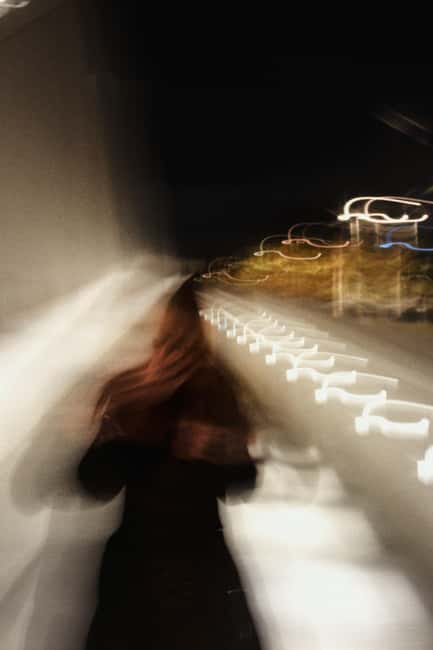
Athens by day is all marble lines and sunshine. Athens at dusk is something else. This tour leans into that shift on purpose. You’re not just watching monuments—you’re being guided through them with a narrative rhythm: whispered storytelling, shadowy alleys, and pauses timed to make you notice your surroundings.
The real value here is that you get context without turning it into a lecture. The guide connects what you’re seeing—Agora spaces, Roman-era sites, Byzantine-and-medieval layers in Plaka—with the kinds of legends people built around those same places. That’s how Athens stays alive between the stones.
And yes, it’s a ghost walk. But it’s also a walk through places you’ll recognize from postcards, only this time the stories come first, and the facts help you make sense of them.
You can also read our reviews of more tours and experiences in Athens.

Meeting at Pompeion Propylon and Getting Oriented Fast
You meet at Pompeion Propylon, at the archaeological-site map point with a big stone and stairs. That matters because night tours can feel chaotic if everyone’s hunting the meeting spot. Here, the meeting marker is concrete, so you can get your bearings fast.
From the start, the tone is set for a walk that goes at an atmospheric pace rather than a “power-walk to the next stop” pace. With a small group (limited to 10), you’re less likely to get stretched out, and you’re more likely to catch those quieter story moments your guide is aiming for.
One practical tip: keep your phone brightness reasonable. At night, it helps you see the lantern-led storytelling without lighting up the entire group.
Kerameikos Cemetery Area: Where the Past Feels Close

One part of the experience begins at the Kerameikos Cemetery area, among tombs and mausoleums where stories of Athens’ past are said to linger. Even if you’re not in a supernatural mood, this stop has that natural “memory place” feel. Cemeteries do that. They make history less abstract.
Your guide uses this setting to frame the rest of the evening. You’ll hear how the city’s identity was carried through people, rituals, and beliefs—then you’ll carry that idea with you as you move into the Agora and the Roman spaces.
The drawback to keep in mind: this is outdoor time. If it’s chilly when you go, dress for it. You’ll be walking and standing in dark-ish areas long enough that comfort matters.
Ancient Agora of Athens: Socrates’ Echoes in the Dark
The Ancient Agora of Athens is the first big “you are here” moment on the route. This wasn’t just a pretty square—it was the bustling heart of philosophical debate. In the story, it’s where Socrates’ presence is imagined as whispering through the ruins.
What makes this stop special is the way the guide bridges function and legend. You learn what the Agora meant, then you get the darker, more human layer: arguments, merchants, reputations, and the rumors that would have traveled there. That’s what turns stone into setting.
If you like history, you’ll appreciate the structure. If you like spooky stories, you’ll like how the guide treats the Agora like a stage—voices, pauses, and the feeling that people once stood where you’re standing now.
Hadrian’s Library: When Scholars and Shadows Share Space
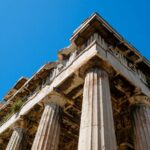
Next comes Hadrian’s Library. This stop is used for atmosphere and echo—your guide paints a picture of scholars and ideas moving through the space. Libraries are already symbolic places, so it’s a smart choice for a tour that blends academic Athens with the ghost-story Athens.
In practice, this is one of those moments where you’ll slow down and look around more than usual. The guide’s story framing gives you permission to notice details instead of rushing past them.
A consideration: because this is a walking tour with storytelling stops, the pacing may feel slower than a typical “see and go” site run. That’s not a flaw. It’s the point. You’re here to hear the city talk.

Roman Agora: Merchants, Rumors, and Ancient Conspiracies
The walk then heads into the Roman Agora area, where echoes of scholars and merchants are part of the storytelling. The guide uses this section to bring in the idea of ancient conspiracies and the kind of intrigue that would have felt plausible in a crowded civic space.
This is also where you’ll see the value of the tour format: you’re not just learning mythology as separate from history. You’re being shown how different eras stacked on top of each other in the same urban bones.
If you’re the type who likes your myths tied to real places, this stop delivers. If you only want pure horror beats, you may find it a bit more “suspenseful legend” than “jump scare.”
Plaka’s Shadowed Alleys: Byzantine and Medieval Spirits
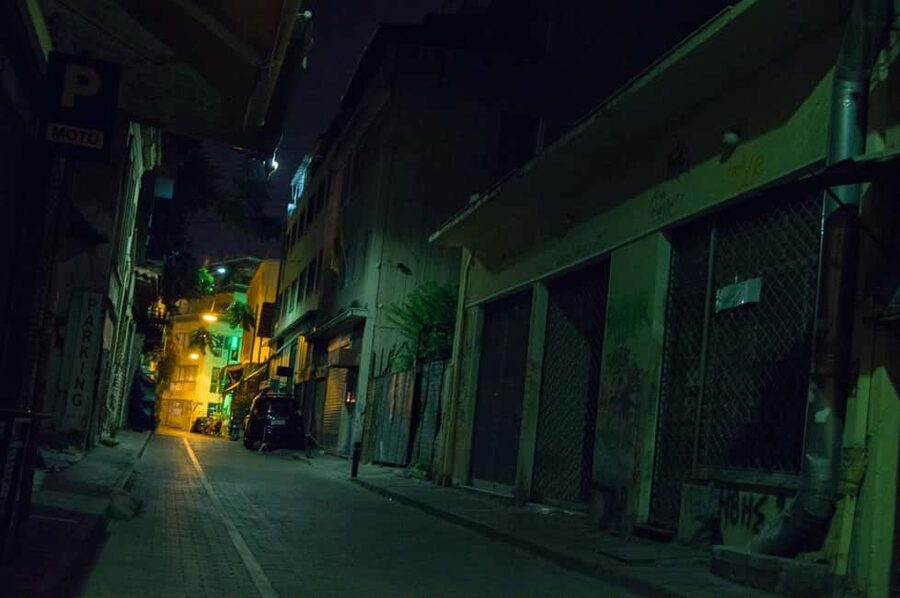
Then the tour shifts into Plaka, where the tone gets more intimate. The guide leads you through shadowed alleys and hidden stories that connect medieval ghosts, Byzantine spirits, and urban legend-style tales.
Plaka is a great setting for this because it already has that old-street feel. The tour turns that vibe into narrative fuel. You’ll get a sense of how the city kept inventing new meanings for old places—beliefs changed, but the stories kept moving.
This is also a good area to lean into the tour. If you’re quick to tune out on ghost walks, Plaka is where the route and the legends start feeling like they belong together.
Acropolis Area at Dusk: Myths, Rituals, and Philosophical Whispers
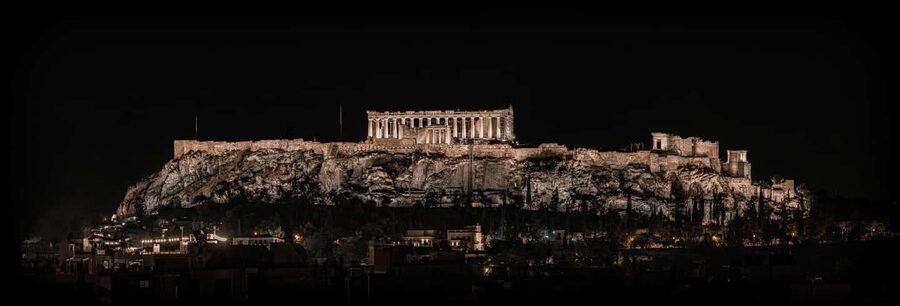
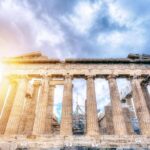
As dusk deepens, the tour circles the base of the Acropolis, where myths, rituals, and philosophical whispers are meant to blend in your imagination. This is a strong “big picture” moment, because the Acropolis is where Athens’ most famous myth energy lives.
The guide’s job here is to connect what you’ve heard earlier—Agora ideas, Roman-era layers, Plaka legends—to the larger mythic identity of the city. Even if you’re only loosely familiar with Greek legends, you’ll be able to follow the thread.
Practical note: this is also where it can get darker faster than you expect. If you’re sensitive to night conditions, keep an extra steady pace and avoid stopping suddenly in groups.
Odeon of Herodes Atticus Finale: Tragedy, Music, and the Card Reading
The tour culminates at the Odeon of Herodes Atticus, an ancient theatre alive (in spirit, and in the storytelling) with echoes of tragedy, music, and timeless drama. It’s a fitting ending for a ghost-mystical walk because theatres are built for stories to live in the air.
Then comes the standout finale: a specialized card reading from your guide. One review highlighted that the card reading happens at the end in the Theatre of Dionysus area on the Acropolis, which fits the overall ending point of the Odeon. Either way, the idea is the same: you’re not just wrapping up with a goodbye. You’re getting a personalized symbolic moment as the evening ends.
This part is where you decide if this tour is for you. If you enjoy the spiritual, interpretive side of stories, it can feel like the perfect punctuation mark. If you prefer your experiences strictly factual, treat this as part performance, part tradition, and enjoy it as atmosphere.
Price and Value: What $36 Buys You in Real Terms
At $36 per person for 90 minutes to 2 hours, this is priced like an experience, not just a sightseeing slot. The value comes from three things:
- You’re paying for storytelling that connects multiple sites into one coherent evening.
- You’re getting a small group setup (up to 10), which makes it easier to ask questions and hear the guide.
- You’re included in a specialized card reading, which is rare for typical walking tours.
Entry to the sites is not included, so you should assume you’ll pay separately if you want to go inside anywhere. That said, this tour is built around what you can see and learn from the outside and from guided stops, so you’re still getting a lot even without paid access.
If you’re deciding between a standard night walk and this one, the difference is the “extra layer” of mysticism and the structured route through major archaeological areas.
Guides, Languages, and Group Energy
This is led by a live guide, and the tour runs in English, Arabic, French, and Spanish. That matters more than it sounds. Good language support helps you catch nuance—especially when the stories rely on tone and timing.
You may also encounter guides like Beyla and Emese, who have shown up in high-rating experiences tied to expressive storytelling and answering questions. With only 10 people in the group, the guide can keep the conversation moving instead of speaking into the void.
The humor isn’t forced, but the vibe stays friendly. Think: spooky with charm.
Who Should Book This Ghost Walk (and Who Might Skip It)
This tour is a great fit if you:
- love Greek myths but also want the places that those myths attached to
- enjoy city legends and want a guided narrative, not just wandering
- like intimate tours where you can interact with the guide
- want a night experience that covers multiple landmark areas efficiently
You might skip it if you:
- want strictly academic, day-time history without supernatural framing
- dislike fortune-telling style extras, since the card reading is part of the package
Should You Book Athens Ghost Walk: Mystical Ruins & Ancient Legends?
If you’re choosing between another standard Athens night walk and something more character-driven, this is the better pick. The lantern atmosphere, the stop-by-stop blend of Agora/Roman/Plaka legends, and the card reading finale make it feel like an evening with a point of view—not just a route.
For the best experience, go when you can comfortably handle night walking and cool evening air. Bring shoes you trust. Then let the stories do their job. Athens works best when you stop treating it like a museum and start treating it like a living city with layers you can still hear.
FAQ
Where is the meeting point?
You’ll meet at Pompeion Propylon. There is a map of the archaeological site there, and you’ll look for a big stone and stairs.
How long is the tour?
The walk lasts about 90 minutes to 2 hours.
How much does it cost?
The price is $36 per person.
What’s included in the price?
The tour includes a walking tour with a guide and a specialized card reading.
Are site entry tickets included?
No. Entry to any of the sites is not included.
How big is the group and what languages are offered?
The group is limited to 10 participants. The guide offers English, Arabic, French, and Spanish.