REVIEW · GOA
Campal Heritage Walk by Make It Happen
Book on Viator →Operated by Make It Happen · Bookable on Viator
Campal can feel like a calmer Panaji lesson. This 2-hour Campal Heritage Walk takes you through a planned residential area with river views and real neighborhood texture, plus stories that explain how daily life and development have shaped what you see.
I love the way the tour blends place and people, so the history feels practical instead of lecture-style. I also like the built-in breaks—sodas are included, and the walk often includes live Goan music moments that turn a simple stroll into a memory.
One consideration: it depends on good weather, and the walk involves time outdoors. Also, you may need to budget for Kala Academy admission, since that ticket is not included.
In This Review
- Key things I’d prioritize before you go
- Why Campal Feels Different From Other Parts of Panaji
- Meeting at Kala Academy: the government cultural center that sets the tone
- Panaji’s Campal grid walk: houses, railings, and everyday rhythm
- The soda stop and live Goan music moments
- How long it takes, what the pace feels like, and what to bring
- Price and value: why $12.31 can be a smart use of time
- Who should book this Campal Heritage Walk
- Should you book Campal Heritage Walk by Make It Happen?
- FAQ
- Is the Campal Heritage Walk about 2 hours?
- What does the price include?
- Do I need to pay for admission at Kala Academy?
- Where does the tour start?
- How big is the group?
- Is this tour affected by weather?
Key things I’d prioritize before you go
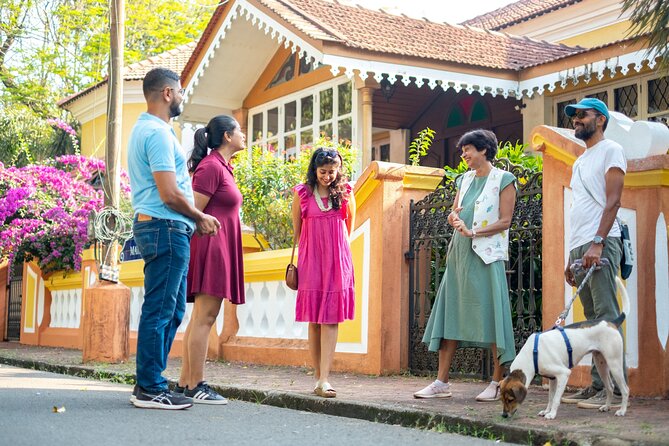
- A planned neighborhood with a residential grid: Campal’s street pattern and self-sufficient homes make it different from the rest of Panaji.
- Kala Academy by Charles Correa: You start at a government cultural center with recognizable architectural pedigree.
- Views tied to real waterways: You’ll see how St Inez creek meets the Mandovi River—and what modernization pressures can do.
- Sodas included, plus occasional local music moments: Expect refreshment stops and a lively soundtrack during the walk.
- Small group size (up to 30): Easier interaction with your guide and the people you meet along the route.
- Mobile ticket for a fast start: You won’t be scrambling for paper at the meeting point.
Why Campal Feels Different From Other Parts of Panaji
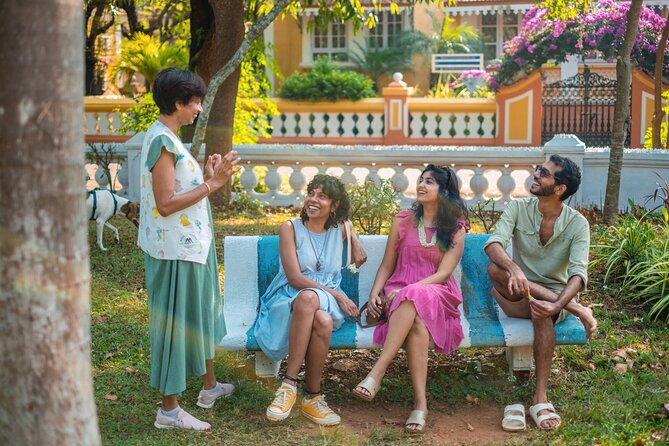
Campal is often described as one of Panaji’s more unique quarters, and after you arrive, that idea makes sense fast. This neighborhood is known for riverfront gardens, attractive buildings, and a strong sense of community spirit. But what really sets it apart is the way the area is laid out and how the homes function.
Instead of being a random mix of streets, Campal’s street pattern follows a grid-iron layout. Many homes are residential and designed to be fully self-sufficient for their everyday needs, which helps the whole place feel lived-in rather than staged for visitors. The streets are well tarred, and houses often have compound areas with ornamental railings carved in stone, along with construction techniques that are distinct from typical urban building styles.
As you walk, you’re not just looking at pretty facades. You’re also seeing how the neighborhood is dealing with change. The St Inez creek joins the Mandovi River here, and the area shows some of the problems created by modernization and economic growth. For me, that’s the value of the route: it connects the pretty with the practical.
You can also read our reviews of more tours and experiences in Goa.


Meeting at Kala Academy: the government cultural center that sets the tone
You start at Kala Academy in Panaji (403001), and the activity begins at 10:30 am. This is a smart starting point because you’re dropped into the story of the area right away, before you even hit the residential lanes.
Kala Academy is a prominent cultural center run by the Government of Goa. It’s registered as a society and began in February 1970, in a building designed by Charles Correa. Even if you’re not an architecture nerd, this matters. It signals that Campal isn’t only about scenery—it’s also about how Goa organizes culture, public institutions, and community spaces.
Expect your first stop to last about 20 minutes. Important budgeting note: admission to Kala Academy is not included, so if tickets are required for entry, plan for that extra cost.
Panaji’s Campal grid walk: houses, railings, and everyday rhythm
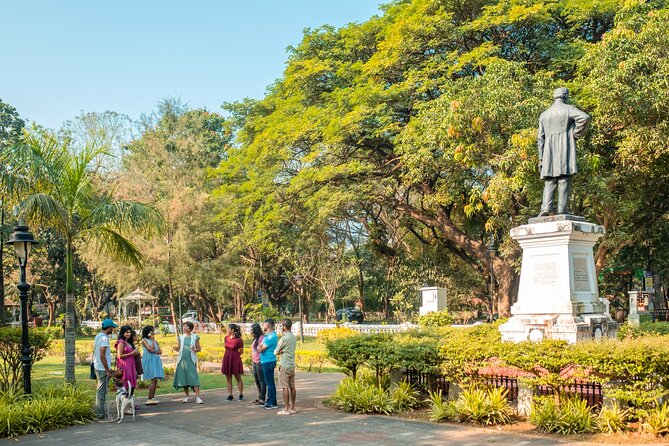
After Kala Academy, the walk shifts into the Campal heritage area itself. This is where the tour becomes less about a single landmark and more about the neighborhood’s pattern—how it’s built, how it’s used, and how people fit into it.
One of the tour’s strongest points is that it treats the neighborhood like a living place. You’ll see how the compounds are set up, notice the ornamental railings carved in stone, and observe how each house seems to have its own character. Many homes are accessible with parking space and compound railings that hint at traditional craftsmanship, even in a modern city.
You’ll also be walking through an area where the street planning and residential design create a different feel from the busier parts of Panaji. It’s quieter. It’s more direct. You’re moving through a grid that makes the area feel organized and intentional rather than chaotic.
Then there’s the river angle again. As the St Inez creek meets the Mandovi River, you start to see how water, development, and daily life interact. The tour points out issues tied to modernization and economic growth. You don’t need a policy degree to follow along—you just need to pay attention to what’s changing around the waterways.
The soda stop and live Goan music moments
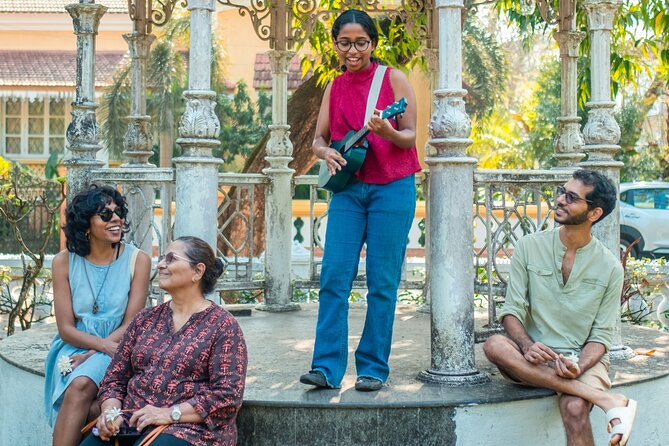
This tour includes a refreshment break with sodas/pops. That sounds simple, but it’s a big part of why the experience works. Walks can turn long fast if you don’t pause, hydrate, and reset your attention. The soda stop gives you that rhythm, and it helps you stay present during the neighborhood stories.
Some routes also feature a café-style pause and live music, which is exactly the kind of unexpected detail that turns a standard walk into something you’ll remember. In past experiences with this company, guides like Trancy, Rachana, and Vimala have been praised for bringing in music at the right moments—sometimes with a Goan musician performance. One specific name that’s come up is Maxie Miranda, along with mentions of live performances during the walk.
Here’s how to think about it: the music isn’t random entertainment. It matches the goal of the tour—meeting everyday Goa through people, not just plaques and photos.
How long it takes, what the pace feels like, and what to bring
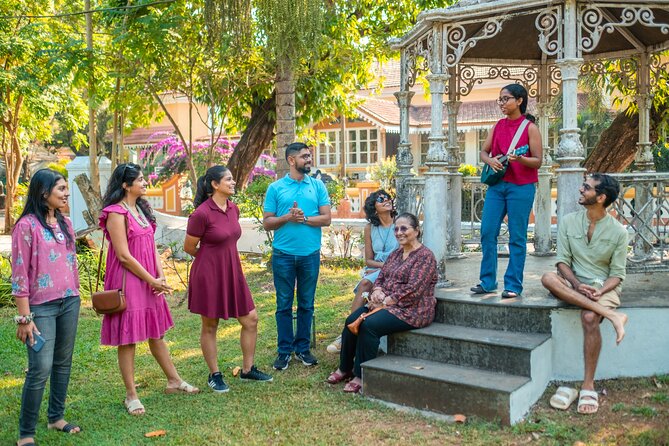
This walk is listed as about 2 hours. That’s a great length for people who want something meaningful without giving up half a day. It’s also long enough that you’ll get a sense of Campal’s rhythm rather than just circling one block.
Group size is capped at 30 travelers, which usually helps keep the experience conversational. You’re not stuck listening to a monologue the whole time, and it’s easier for your guide to answer your questions as you go.
It’s also near public transportation, and it uses a mobile ticket, so you should be able to get there with less hassle than tours that require complicated checkpoints.
What to bring is basic but worth thinking through:
- Comfortable shoes for walking around residential lanes
- Water to keep your energy steady (especially since it depends on good weather)
- Sun protection if you’re easily affected by heat


Price and value: why $12.31 can be a smart use of time
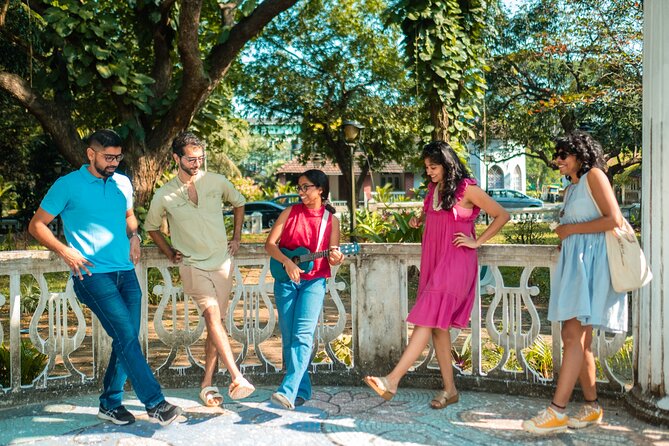
The price is $12.31 per person for a 2-hour guided walking experience. For that cost, you get more than a route on a map.
You’re paying for:
- Guided meeting and interaction with the local community
- Sodas included
- A structure that connects buildings, streets, and waterways into one coherent story
What’s not included matters too. Private transportation is not included, so you’ll want to rely on your own plans to reach the start point. And as mentioned earlier, Kala Academy admission ticket is not included, while the Campal stop is free.
When I evaluate value for walking tours, I look for whether the guide and the human interaction are doing real work. In this case, the repeated praise for guides (including names like Trancy, Rachana, and Vimala) suggests that the storytelling component is the engine. The live music and refreshment stops act as bonus layers that make the walk feel like a small event rather than just exercise.
Who should book this Campal Heritage Walk
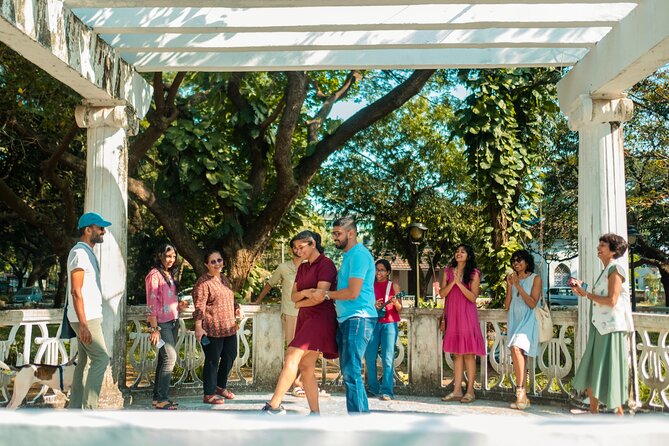
This is a good fit if you:
- Like walking tours that focus on a neighborhood instead of one big monument
- Want cultural context tied to daily life in Goa
- Enjoy architecture details like the feel of stone carvings, railings, and planned street patterns
- Appreciate experiences that include music and a place to pause
It may not be the best match if you:
- Want only major sights with paid entry fees baked in (because Kala Academy admission isn’t included)
- Get uncomfortable walking in warm weather and hate waiting for rain plans
Should you book Campal Heritage Walk by Make It Happen?
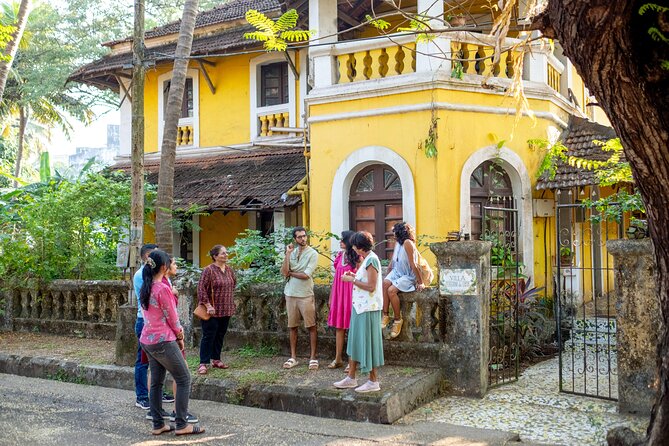
If your Goa trip includes Panaji and you want one activity that feels local, not performative, I’d book this. It’s affordable, it’s short enough to fit nearly any schedule, and the route is built around what makes Campal distinct—its grid planning, residential character, river connection, and the human side of community life.
Do it with the weather in mind, though. Since the tour requires good weather, you don’t want to schedule it as your only outdoor plan on a shaky day. If conditions look questionable, keep your backup date available.
Overall: this is the kind of tour that helps you see Panaji as a place people actually live in, not just a backdrop you pass through.
FAQ
Is the Campal Heritage Walk about 2 hours?
Yes. The tour duration is listed as approximately 2 hours.
What does the price include?
The tour includes meeting and interaction with the local community, plus sodas/pop as refreshments.
Do I need to pay for admission at Kala Academy?
Yes. Kala Academy admission ticket is listed as not included, while the Campal part is free.
Where does the tour start?
The meeting point is at Kala Academy, Panaji, Goa 403001, India. The tour ends back at the meeting point.
How big is the group?
The maximum group size is 30 travelers.
Is this tour affected by weather?
Yes. The experience requires good weather. If it’s canceled due to poor weather, you’ll be offered a different date or a full refund.