REVIEW · ACCRA
Ghana Heritage Tours – Beyond The Return
Book on Viator →Operated by Ashanti African Tours · Bookable on Viator
Your African name is part of the day.
This Ghana heritage tour is built around culture and connection, not just sightseeing, with a traditional naming ceremony and visits to the sites tied to the transatlantic story. I like how the trip mixes museums, markets, and real craft-making, so you see how heritage lives in daily life. I also like that you’re looked after with a local guide and hands-on support from the start in Accra, including an airport welcome from the Ashanti African Tours team and friendly tour guidance like Alex and Eric.
One thing to consider: the schedule is packed, and some stops—especially around slavery history—are emotionally heavy. If you want slow mornings and lots of free time, plan on feeling the pace.
In This Review
- Quick take on Ghana Heritage Tours – Beyond The Return
- Arrival in Accra: Akwaaba energy and the first evening of culture
- National Museum, Black Star Gate, and James Town: start with context, then walk the old streets
- Craft and Pan-African memory in one packed morning: DuBois Center and T.K. Beads
- Aburi Botanical Gardens and Aburi Crafts Village: a break with views and maker prices
- Kumasi palace museums, Kejetia market, and the Okomfo Anokye sword
- UNESCO Asante buildings, kente in Adanwomase, and making adinkra in Ntonso
- Assin Manso and Cape Coast Castle: history you can’t treat like a side quest
- Kakum canopy walkway and your naming ceremony: the day you walk with your new name
- Elmina Castle and back to Accra: finishing with St. George and a last meal
- Price and value: what you get for $3,595 per person
- Who should book this Ghana heritage trip
- Should you book Ghana Heritage Tours – Beyond The Return?
- FAQ
- How long is the tour?
- Where does the tour take place?
- Does the price include the traditional African naming ceremony?
- What does the tour price include?
- What is not included?
- Is this tour private?
- Can I get a refund if I cancel?
Quick take on Ghana Heritage Tours – Beyond The Return
- Naming ceremony with chiefs and elders: libation, drumming, dancing, and your personal African name
- Hotels, meals, and transfers handled: accommodation plus breakfast, lunch, and dinner included
- Craft stops with real process: beads, kente, and adinkra explained through hands-on makers
- High-impact historic sites: Cape Coast Castle, Elmina Castle, and key Ashanti landmarks
- Support you can count on: expert guide, an experienced driver, and 24/7 office help
Arrival in Accra: Akwaaba energy and the first evening of culture
Landing in Accra is a special kind of jolt: you’re tired, jet-lagged, and suddenly surrounded by familiar rhythms you’ve only heard on recordings. The tour’s first move is practical—after you pass through arrival, the Ashanti African Tours team meets you with Akwaaba and transfers you to your hotel for check-in.
Then you get a calm first-night setup: dinner with the group to talk through the journey of connection. After that, you choose your pace. If you have energy, you can head out for Accra nightlife; if you don’t, you can rest and get ready for day two.
This matters because the tour is long. Having that first evening structured, but not forced, helps you settle in and lowers the stress level before the heavier days.
You can also read our reviews of more tours and experiences in Accra.


National Museum, Black Star Gate, and James Town: start with context, then walk the old streets
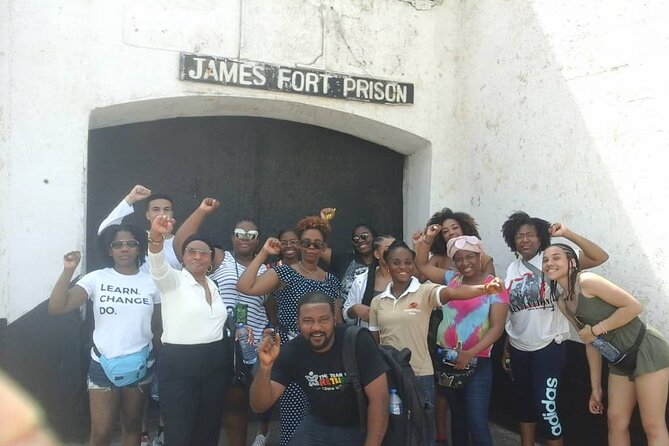
Day two is about getting your bearings fast—culturally and historically—before the day turns into walking and shopping.
You begin at the National Museum of Ghana, where the displays focus on ethnographic material from Ghana and across West Africa. It’s a strong starting point because it helps you recognize patterns: fabrics, customs, symbols, and how communities lived before tourism reduced everything to a quick photo.
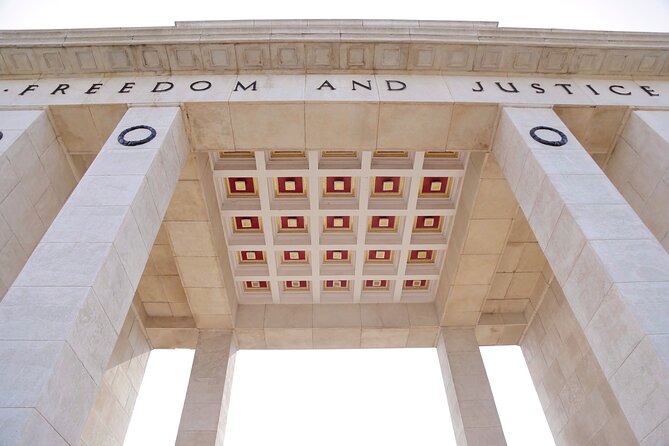
From there, you pass by Black Star Gate and Independence Square, tied to Ghana’s freedom story. The tour then shifts to the Kwame Nkrumah Memorial Park and museum, resting place of the founding father who led the Gold Coast to independence in 1957. This is where the tour connects political history to national identity. If you’re the kind of traveler who likes knowing why a place matters (not just what it looks like), this stop will click.
Then you move into James Town. You’ll walk through Accra’s oldest suburbs, see structures connected to pre-independence colonial era life, and end up at Fort James. A lighthouse rises there—built by the British in 1871—and the beach views with colorful fishing boats add a sense of everyday Ghana that you don’t get from museum walls.
Practical note: James Town is a walking day. Wear shoes that can handle uneven ground and keep your hands free for cameras and shopping.
Craft and Pan-African memory in one packed morning: DuBois Center and T.K. Beads
The next morning starts with the W.E.B. DuBois Center, which is both personal and political. It’s the final burial place and former home of W. E. B. DuBois, a major Pan-Africanist who led the Pan-African Congress between 1919 and 1927. The center now serves as a library and research institute for students of Pan-Africanism.
From there, the tour shifts to making—hands, tools, and materials. At T.K. Beads, you learn how traditional African beads are made, and why they matter socially: beads are linked to wealth, beauty, and standing in the community, especially on important occasions. If you want to buy, there’s a shop on site.
This combination works well. You get ideology and lived culture in the same time block. The story isn’t just told; it’s shown in objects people still use today.
Aburi Botanical Gardens and Aburi Crafts Village: a break with views and maker prices
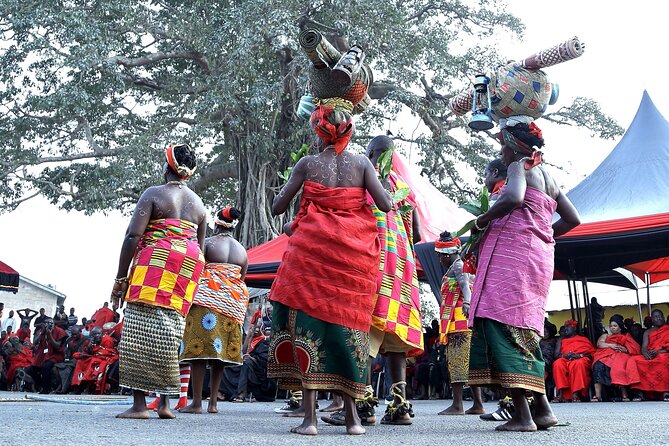
Day three slows down just enough to be enjoyable. You head to Aburi Botanical Gardens, up in the Akuapem hills. The views stretch across Accra, and the walk includes plant identification, including mentions of trees with medicinal properties and how Ghanaians use them.
Then you hop over to Aburi Crafts Village. This is where the tour pays attention to cost and fairness in a way that’s rare for souvenir-heavy days. The craft village features traditional drums, sculptures, and other crafts made for generations, and the tour notes that prices here are among the lowest in Ghana.
If you like buying things that come with a story—and not just a price tag—this is a good moment. You’ll see skilled craftsmen working, and you can ask questions while you browse.
Kumasi palace museums, Kejetia market, and the Okomfo Anokye sword
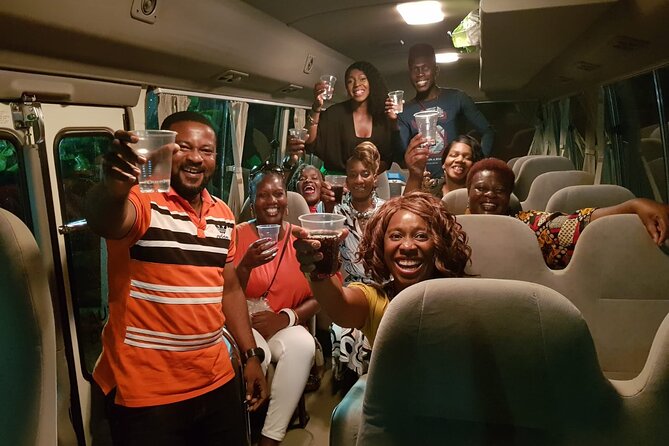
By day four, you’re in Kumasi, the heartland of Ashanti culture. The day is designed like a funnel: start with royal power, then zoom into everyday trade, then end with myth and symbolism.
First stop is Manhyia Palace Museum, home of the Asantehene, king of the Ashanti and ruler of the Asanteman Kingdom. The museum gives a guided sense of how the Asante empire worked and what Ashanti culture means in the region.
Next you visit the Prempeh II Jubilee Museum at the National Cultural Centre in Kumasi. It’s housed in Bantama, one of Kumasi’s older suburbs, and focuses on Ashanti history and ancient artifacts.
Then comes Kejetia Market. The tour describes it as the largest outdoor market in West Africa, and it’s the kind of place where you learn quickly: stalls are close together, trade is continuous, and the space feels alive. Some stall holders even sleep there in the evening because business doesn’t fully stop. If you’re shopping, bring patience. If you’re not, still go. Kejetia is an easy place to understand everyday life beyond monuments.
You finish at the Okomfo Anokye Sword Site, tied to Ashanti legend. The sword sits in the ground, planted as a symbol of unity, and the story even mentions Muhammad Ali pulling up during his 1964 Pan-African visit to Ghana. Whether you treat it as legend or history-myth blended together, it’s a powerful example of how meaning can be physically anchored in a place.
UNESCO Asante buildings, kente in Adanwomase, and making adinkra in Ntonso
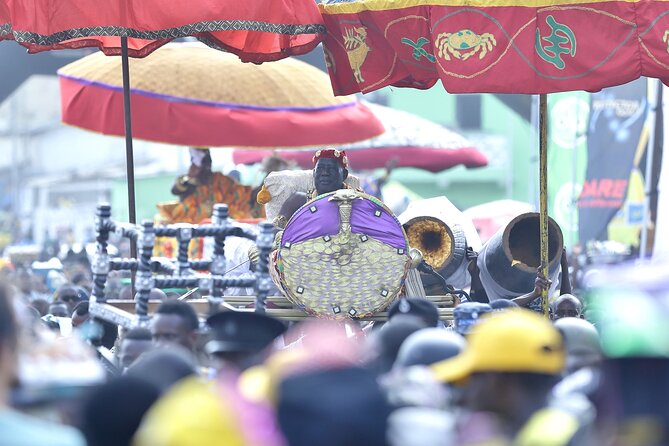
Day five is about cloth. Not just buying cloth—understanding it.
You start with Asante Traditional Buildings, recognized by UNESCO as a World Heritage Site. This is where architecture and identity overlap. You’re not seeing a generic “old house.” You’re seeing a built expression of community life and leadership.
Then you head to Adanwomase, described as the birthplace of Ghana’s rich colorful kente cloth. You walk through the community and interact with kente weavers whose families have produced designs for generations. It’s also positioned as a place to purchase quality kente at good prices. Even if you don’t buy, watching the looms and hearing how design connects to meaning helps you understand why kente is more than fabric.
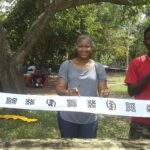
After that, you go to Ntonso, where adinkra symbols originate. Here the tour gets very specific about process: symbols are carved from calabash shells, then printed onto cloth using natural dyes made from the bark of local trees. You also get a small hands-on activity—making your own strip of adinkra cloth using symbols with personal significance.
That last bit matters. Your brain remembers what your hands do. A souvenir you created yourself usually becomes the one you keep, not the one you re-gift later.
Assin Manso and Cape Coast Castle: history you can’t treat like a side quest
Day six is the emotional core of the itinerary, and it deserves your attention.
You stop at Assin Manso Ancestral Slave River Park, along a town tied to the enslaved African trade route. The tour explains that people from the northern parts of Ghana, Burkina Faso, and Niger were marched barefoot in shackles toward the coast. The Ndonkor Nsuo (Slave River) is described as where captives were checked for fitness and bathed before they were transported to Cape Coast for shipment. This is not “dark tourism” as spectacle—it’s a place to sit with discomfort and reality.
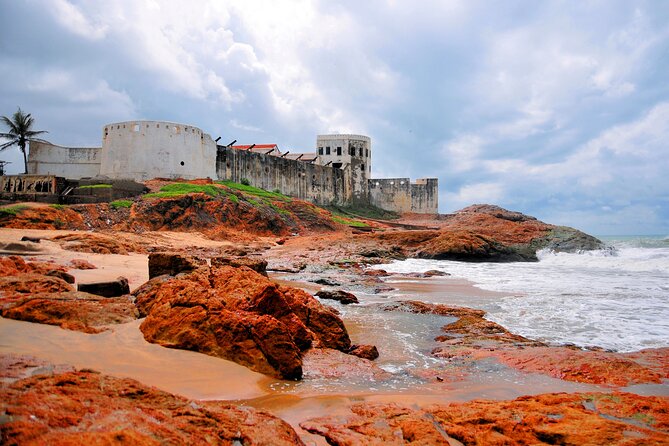
Then you head to Cape Coast Castle, labeled as one of the most significant remaining edifices along the West African coastline. The tour describes the castle as keeping more enslaved Africans than any other place in West Africa, and it notes the dungeons could hold up to 1300 men, women, and children at one time. You also visit key parts of the castle, including the dungeons and the infamous Door of No Return.
Yes, it’s heavy. No, it won’t feel like fun. But if you’re on this trip for connection—especially if you’re coming with family roots or a personal story—these stops are the reason the tour exists.
After the castle visit, you check into a beach front hotel near Cape Coast. The rest of the day is free time, and dinner is set up as a moment to reflect—on the beach overlooking the Gold Coast.
Kakum canopy walkway and your naming ceremony: the day you walk with your new name
Day seven is the shift. You go from sorrow and history to a ceremony of welcome and identity.
First is Kakum National Park and its famous canopy walkway. The tour notes it’s a semi-deciduous rainforest and that you walk seven bridges attached to seven emerging trees, about 40 meters above the rainforest floor. The views stretch for miles, and the walkway is one of those “just do it” experiences—especially if you’re comfortable with heights and want a memorable contrast to the castle days.
Then you move to the highlight: the Traditional Naming Ceremony in a local village. The tour describes a courtesy call on chiefs, queen mothers, and elders, with libation poured to welcome you home and acknowledge the land your ancestors were forcibly taken from. Drumming and dancing happen around you as the community leads the ceremony.
And then you receive your African name—personal, official, and celebrated in a way that feels like a welcome, not a show.
After the ceremony, you return to your beach front hotel to freshen up and enjoy dinner. If you had outfits measured and made by a professional tailor earlier, those are delivered by this point, and tonight is framed as the moment to wear them. Then you go out for nightlife and celebration in Cape Coast.
Practical tip: be ready for walking and for weather. Also, when you receive something meaningful like a name ceremony, treat it with care. Take a deep breath and try to stay present instead of documenting every second.
Elmina Castle and back to Accra: finishing with St. George and a last meal
On day eight, you close the loop with another major site before heading home.
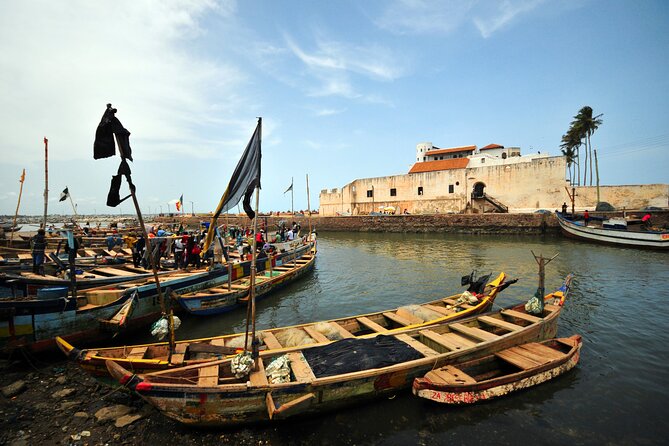
You pass through Elmina and visit the Castle of St. George, described as the oldest extant colonial building in sub-Saharan Africa, dating from 1482. It has an informative museum inside focused on local history, and the castle is also described as a UNESCO World Heritage site. You’ll tour it as a quiet monument to the pain and suffering during the transatlantic slave trade era.
After the castle, the tour shifts to Elmina as a working place: you visit the local fishing market and then walk to see boat builders. That change of pace matters. It helps you end not only in memory, but also in the present-day economy and craftsmanship of the town.
Back in Accra, you share an early evening meal and then transfer to the airport for international departure or a prearranged location in Accra.
Price and value: what you get for $3,595 per person
At $3,595 per person for an 8-day trip, this isn’t a budget vacation. But when you look at what’s bundled, the value starts to make sense.
Included costs cover the big-ticket moving parts:
- Accommodation plus a steady rhythm of meals (breakfast 7 times, lunch 7 times, dinner 8 times)
- Hotel transfers and airport transfers
- Air-conditioned vehicle, plus an experienced driver
- Expert local guide (24/7) and 24/7 office support
- All excursion fees
- Unlimited mineral water
- The traditional naming ceremony itself
- Insurance coverage
What’s not included is also clearly stated: visa, international flights, and soft and alcoholic drinks.
The cost often feels justified if you want to avoid piecing together transportation, guides, entry fees, and multi-city timing on your own. You’re paying for fewer decisions and less hassle—especially valuable when the trip includes places like Cape Coast and the castle sites where timing and access matter.
One more value point: the tour includes multiple craft and cultural stops where buying is optional but encouraged. You’re less likely to end up with only one or two souvenir moments.
Who should book this Ghana heritage trip
This tour is a strong match if:
- You want a structured route from Accra to Kumasi to Cape Coast, with major sites and culture side-by-side
- You care about meaning, not just photos—especially around the naming ceremony
- You like hands-on craft experiences like adinkra making and learning kente design history
- You appreciate reliable logistics: transfers, meals, transport, and a guide who’s there when questions pop up
It might not be the best fit if:
- You want lots of downtime and a lighter pace
- You’re sensitive to emotionally intense history and long days of walking and touring
Should you book Ghana Heritage Tours – Beyond The Return?
If you’re asking whether to book, here’s my practical take: book it when your priority is heritage with structure. The inclusion of the naming ceremony, the craft workshops, and the major historical sites makes this feel like a single, intentional journey rather than a “site checklist.”
Also, the way the trip is staffed stands out. The support described by guests—attentiveness, feeling welcome, and confidence that details are handled—matters a lot on a multi-city itinerary. If you want a tour where someone like Alex is actively guiding the experience and Eric is part of the support system, this is that kind of trip.
Just go in with realistic expectations: it’s a full week, and you’ll face history that can sit heavy in your chest.
FAQ
How long is the tour?
The tour runs for 8 days, approximately.
Where does the tour take place?
It’s based in Accra, Ghana, with visits across Ghana including Accra, Kumasi, Cape Coast, and Elmina.
Does the price include the traditional African naming ceremony?
Yes. The traditional naming ceremony is included.
What does the tour price include?
The price includes accommodation, meals (breakfast 7 times, lunch 7 times, dinner 8 times), hotel and airport transfers, air-conditioned vehicle transport, unlimited mineral water, fuel, an experienced driver, and an expert local guide (24/7). It also includes all excursion fees, the naming ceremony, insurance, and 24/7 office support.
What is not included?
Visa, international flights, and soft and alcoholic drinks are not included.
Is this tour private?
It is listed as a private tour/activity, meaning only your group participates.
Can I get a refund if I cancel?
You can cancel up to 3 days in advance for a full refund. If you cancel less than 3 full days before the start time, it isn’t refundable.
If you want, tell me your travel dates and what kind of experience you want most (craft focus, history focus, ceremony focus, or a balance), and I’ll help you judge if this pacing fits your style.