REVIEW · NEW DELHI
Heritage Day Tour of Old and New Delhi
Book on Viator →Operated by India City Walks · Bookable on Viator
Delhi’s past and present ride together. This 8-hour Heritage Day tour threads Old Delhi markets and monuments into New Delhi’s big government landmarks, with a guide talking through what you’re seeing. I like the step-by-step guidance that keeps you from wandering off into the wrong stories, and I also appreciate the way the route is built to show you places you can come back to later.
My favorite part is the steady flow between very different Delhi worlds: spice-heavy street life, serious Mughal-era architecture, and then the wide, modern lines of Kartavya Path. One possible drawback to plan for is that monument entry fees are extra once you arrive, and food and drinks are not included, so you’ll want to budget time and appetite.
Since it’s a private tour/activity, it’s easy to ask questions as you walk, and the pacing is designed to keep things moving without rushing the main sights. With bottled water included and a moderate fitness level requirement, it’s a practical way to experience Delhi’s layers in a single day.
In This Review
- Key points worth knowing before you go
- Old Delhi to New Delhi in one day: what this Heritage Day route really gives you
- Pasar Chandni Chowk: where Mughal power meets spice-market energy
- Humayun’s Tomb complex: tiles, tombs, and the layout you’ll finally understand
- Qutub Minar: Quwwat-ul-Islam Mosque, the Iron Pillar, and Alauddin’s gateway
- Kartavya Path and India Gate: the modern Delhi walk with political meaning
- Bottled water and pacing: small logistics that matter more than you think
- Price and value: what $38 covers and what you should still budget for
- Who this tour is a great match for
- Small things I’d do to make the day better
- Should you book Heritage Day Tour of Old and New Delhi?
- FAQ
- How long is the Heritage Day Tour of Old and New Delhi?
- What does the tour cost?
- What’s included in the tour price?
- Are meals included?
- Do I need to pay for monument tickets?
- Is pick-up and drop-off included?
- How do I get my ticket?
- Is this tour private?
- What meeting point should I use?
- What happens if the weather is bad?
Key points worth knowing before you go
- Chandni Chowk with context: You’re not just seeing streets, you’re getting the Mughal-era story behind the market grid.
- Humayun’s Tomb details you can spot: Glazed tile colors and the complex’s layout are explained so it all makes sense.
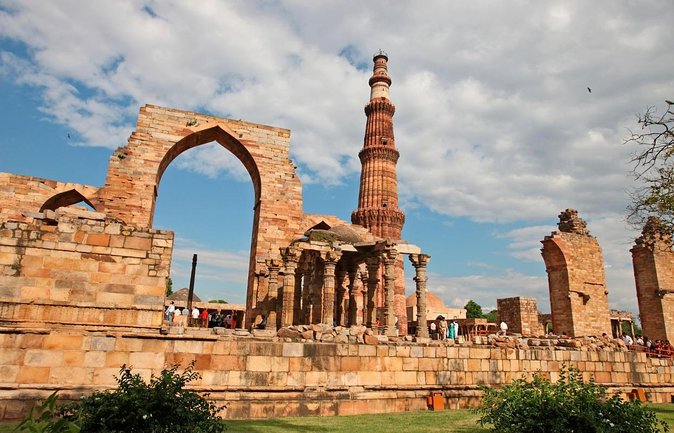
- Qutub Minar core landmarks: Quwwat-ul-Islam Mosque, the Iron Pillar, and Alai Darwaza are covered in one smooth stop.
- Old-to-new contrast on purpose: Kartavya Path ties the colonial-era feel to modern symbolism, including India Gate.
- Guide-led pacing: The route is built so you keep moving with less decision fatigue.
- Budget reality check: Even when stops show free admission on the plan, you may still face on-the-spot monument ticket costs.
Old Delhi to New Delhi in one day: what this Heritage Day route really gives you
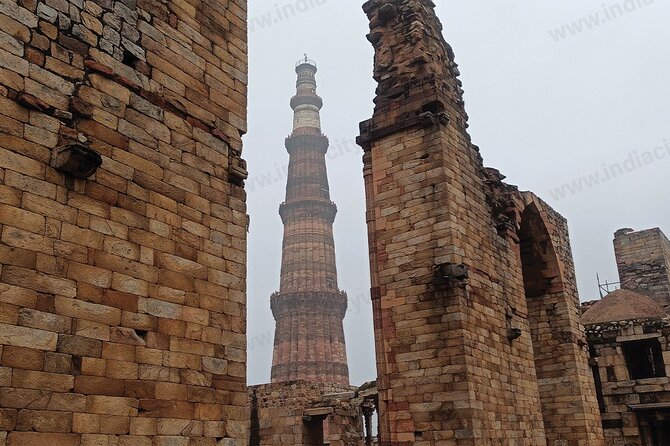
This tour works because it doesn’t treat Delhi like a checklist. It’s structured like a story where each neighborhood is a chapter. You start in the living streets of Old Delhi, where architecture and commerce sit side by side. Then you move into Mughal funerary grandeur at Humayun’s Tomb and Qutub Minar, where the details are the whole point. Finally, you close with New Delhi’s formal, ceremonial geometry along Kartavya Path and India Gate.
For me, the biggest value is the guide. When you have a person narrating along the way, you notice things you’d normally miss: why certain buildings were built, what a layout suggests, and how the city’s different eras talk to each other. It also means you’re less stuck translating signage and history on your own. And because you’ll see a mix of sites, you can also decide what you want to revisit later when you have more time.
This is also a good price-to-time trade if you’re trying to maximize one day. At $38 for about eight hours, you’re paying mainly for guided movement, interpretation, and a bottled-water assist. The catch is that monument entry fees are not fully bundled, so your final day cost depends on what ticketing charges apply once you’re at each site.
You can also read our reviews of more tours and experiences in New Delhi.



Pasar Chandni Chowk: where Mughal power meets spice-market energy

Old Delhi’s Chandni Chowk area is the classic “see it to believe it” part of Delhi. On this stop, you’re not limited to one famous monument in isolation. The tour frames the whole Shahajanabad setting—past through the lens of present-day streets—so you understand why this area feels like a living museum.
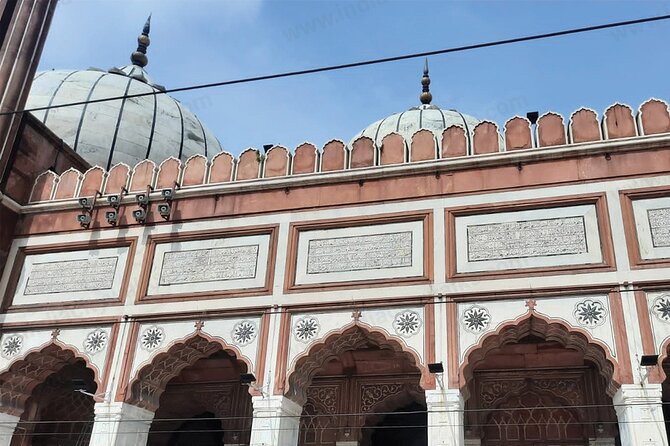
You’ll spend about an hour exploring the zone and picking up key landmarks in the broader Red Fort and Mughal world. The plan includes the Imperial Palace and the Red Fort area, plus a visit to South Asia’s first largest Friday Mosque from the 17th century. The idea here is simple: you learn the political and spiritual roles these places played, then you shift back to the market side so the city feels connected instead of compartmentalized.
Then comes the part most people come for: the bazaars and food-and-spice atmosphere. The tour specifically calls out Asia’s largest spice market and other older bazaars in the Chandni Chowk region. Even if you’re not a big shopper, this is useful. You’ll learn how commerce shaped day-to-day life, and you’ll get a feel for what makes Old Delhi different from Old Delhi’s “postcard” version.
Practical notes for this stop:
- Plan for crowds and narrow walking. Comfortable shoes help a lot.
- If you want photos, do them while you’re standing still, not while you’re moving through the tightest lanes.
- If you’re sensitive to strong smells, keep water handy and pace yourself.
Humayun’s Tomb complex: tiles, tombs, and the layout you’ll finally understand
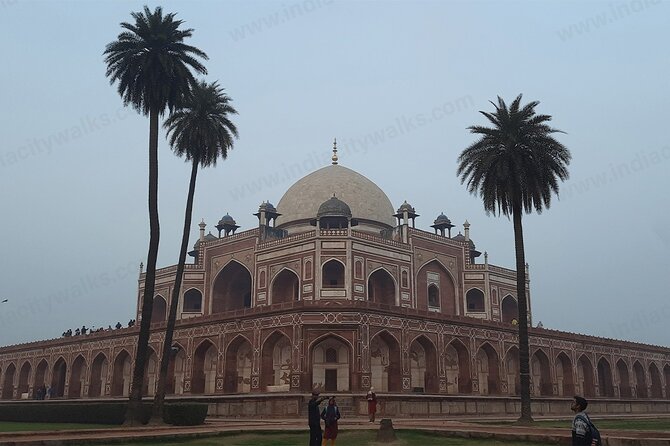
Humayun’s Tomb is the kind of place where first-time visitors often stare upward and call it “beautiful,” but don’t fully register what they’re looking at. This stop fixes that by walking the complex in a logical sequence, starting with surrounding structures instead of only the main tomb.
You begin by visiting the mosque and tomb of Isa Khan Niyazi, a nobleman in Sher Shah Suri’s court. The tour highlights why this mosque stands out: incised plaster work and glazed tiles in green, yellow, and bright blue. That matters because you can actually spot the decoration style rather than just hearing a generic description. If you like architecture, this is a strong starting point.
Next you head to Arab Sarai, described as built for 300 Arab servants that Hamida Banu Begum brought back to India from Mecca. Even just the name gives you a clue that this complex wasn’t only about one emperor’s memory—it was also a snapshot of people tied to power, travel, and patronage.
The tour then points your attention to the left side to see the garden and the tomb of Bu Halima. This kind of directional cue is small but important. It helps you move from “I’m in a historic place” to “I understand the sightline and why it’s positioned that way.”
Finally, you see Humayun’s Tomb itself, commissioned by Hamida Banu Begum some years after Humayun’s death in 1556. For a lot of people, that final moment clicks once you’ve already seen the supporting structures. The main tomb doesn’t feel random. It feels like the culmination of the entire complex.
Qutub Minar: Quwwat-ul-Islam Mosque, the Iron Pillar, and Alauddin’s gateway
Qutub Minar is one of those Delhi sites where you can easily spend time just walking the edges and thinking, That’s impressive. This tour helps you go further by giving you three anchor features to connect the site together.
You meet at the Qutub Minar ticket counter and enter the complex with a guide who keeps the sequence clear. The stop begins at Quwwat-ul-Islam Mosque, founded by the first Delhi sultan, Qutbuddin Aibak. The tour’s focus here is what the mosque represents inside the Qutub complex, setting the baseline for what you’re about to see.
Then you get a close look at the Iron Pillar standing in the center of the Quwwat-ul-Islam Mosque. This is one of Delhi’s most famous heritage objects, and the tour treats it as a centerpiece instead of a quick photo moment. When you get the explanation on-site, you’re more likely to remember what it is and why it matters to this complex.
Next comes Alai darwaza, added later by Alauddin Khilji and designed as the main gateway to the ambitious extension of Quwwat-ul-Islam Mosque. That “added later” detail is key. It stops Qutub Minar from feeling like one single project and instead shows it as something Delhi built and rebuilt over time.
Practical tips for this stop:
- Expect walking on uneven ground at heritage sites.
- If you’re doing this in hot weather, the earlier parts of the day matter. The bottled water included on the tour helps, but plan your rhythm.
Kartavya Path and India Gate: the modern Delhi walk with political meaning
After the dense feeling of Old Delhi lanes and the stone-and-tile scale of Mughal monuments, Kartavya Path feels wide and formal. That shift is the point. It’s how you see Delhi’s “old power” and “new power” in the same day.
This walk is designed to cover the modern city and the architectural elements around it, with stops focusing on the President’s House, Kartavya Path, and India Gate. The story isn’t only about what buildings look like. It’s about what symbols do.
The tour explains that Kartavya Path represents a change from Rajpath—once a symbol of power—and that the new name ties to democratic control and empowerment. Even if you don’t care about political symbolism, it’s useful because it changes how you interpret the wide avenues. They stop being just scenic. They become intentional.
This stop also works as a low-stress break from the most intense sightseeing. You still walk, but you’re not stuck in tight crowds. It’s a good place to take a breath, organize your photos, and decide what you want to see again with more time.




Bottled water and pacing: small logistics that matter more than you think
Delhi days can feel long, even when the time looks reasonable on paper. This tour’s highlights include bottled water, which is exactly the kind of small inclusion that keeps you from turning sightseeing into survival mode. Eight hours plus walking adds up, and having water handled for you helps you keep your attention on the sites.
Pacing also comes up in the tour’s approach: each stop is about an hour, so you’re not stuck in one location too long and slowly losing the thread. That structure matters most for places like Humayun’s Tomb and Qutub Minar, where the best part is detail. If you rush there, you miss the explanations that make those details stick.
One more practical detail: the tour uses a mobile ticket. That’s helpful in a city where ticket counters and physical paperwork can add time and hassle.
Price and value: what $38 covers and what you should still budget for
At $38 for roughly eight hours with a guide, this tour is priced for value. You’re getting:
- A guide for the full day
- Bottled water to support comfort
- A route that covers major Old Delhi, major heritage sites, and modern Delhi landmarks
What’s not included is just as important:
- Food and drinks
- Pick and drop
- Monument entry charges as per actual, with on-the-spot ticket costs
So the real question isn’t only whether $38 is affordable. It’s whether you’re willing to do a bit of planning for extra charges and meals. If you’re traveling with a tight schedule or you only have one day, paying for guided time can still be worth it even after you add monument fees.
If you want to keep your day smooth, plan this like a “sightseeing day” rather than a “sit and snack” day. Bring cash or a payment method for on-the-spot costs, and make peace with the idea that you may spend a bit more than the base price once tickets and small purchases come up.
Who this tour is a great match for
This Heritage Day tour fits best if you want structure. You like knowing where to go next, and you prefer learning the meaning behind sights rather than just collecting photos.
It’s also a smart fit if you’re short on time in Delhi. In one day, you get:
- Old Delhi markets in the Chandni Chowk area
- Humayun’s Tomb complex (not just the main tomb, but the surrounding elements too)
- Qutub Minar’s key landmarks
- A walk along Kartavya Path and India Gate with modern context
It may be less ideal if you want long, quiet museum-style time. The format is a guided circuit. You’ll spend time at each stop, but not enough to do everything slowly at every site. And because it asks for moderate physical fitness, it’s best if you can handle walking and moving through active areas.
Small things I’d do to make the day better
- Wear shoes you can walk in for hours, not just for photos.
- Carry a small snack plan even though food isn’t included. You may not want a big meal, but you don’t want energy crashes.
- Keep an eye on what’s free versus what costs extra on-site. Even when a stop lists admission as free, monument tickets can still apply at heritage areas.
Should you book Heritage Day Tour of Old and New Delhi?
Book it if:
- You have limited time and want a guided overview that links Old Delhi and New Delhi.
- You like architectural explanations and want your photos to come with context.
- You want a day you can trust to stay on track, with a guide directing the order and meaning.
Skip or adjust your plan if:
- You hate adding on-the-spot ticket costs.
- You prefer independent wandering with no structure.
- You’re hoping for food and drinks to be handled for you.
If you’re the type who likes to understand what you’re seeing, this tour is a solid one-day Delhi education. It’s built to help you notice details, connect eras, and end the day with places you’ll actually want to return to.
FAQ
How long is the Heritage Day Tour of Old and New Delhi?
The tour is listed as about 8 hours.
What does the tour cost?
The price is $38.
What’s included in the tour price?
The tour includes a tour guide and bottled water.
Are meals included?
No. Food and drinks are not included.
Do I need to pay for monument tickets?
Yes, monument entry charges are not included. Monument tickets have an on-the-spot cost charge as an additional fee.
Is pick-up and drop-off included?
No. Pick and drop are not included.
How do I get my ticket?
You receive a mobile ticket.
Is this tour private?
Yes, it’s private. Only your group will participate.
What meeting point should I use?
The activity starts in New Delhi, Delhi, India and ends back at the meeting point.
What happens if the weather is bad?
The experience requires good weather. If it’s canceled due to poor weather, you’ll be offered a different date or a full refund.