REVIEW · SEOUL
Full-day UNESCO Heritage Tour with Suwon Hwaseong from Seoul
Book on Viator →Operated by I Love Seoul Tour · Bookable on Viator
UNESCO day trips can actually feel personal. This full-day Seoul and Suwon loop strings together Changdeokgung and Jongmyo with Suwon Hwaseong, using minivan transport and a small group size (up to 15). I really like the way this tour keeps you moving without rushing, especially when guides like Leo and Chloe turn the sites into clear stories you can picture.
I also love that you get more than palace photos. Suwon Hwaseong’s walls and Hwaseong Haenggung Palace add royal context that makes the whole day click. The main thing to consider: there’s a fair amount of walking and time outdoors, so bring a hat and take breaks if the weather turns hot or wet.
In This Review
- Key highlights that make this tour worth your time
- Why This UNESCO Seoul–Suwon Day Tour Makes Sense
- Meeting at Myeong-dong and Riding in an Air-Conditioned Minivan
- Bukchon Hanok Village in the Morning: Old Houses, Real Streets
- Changdeokgung Palace Complex: UNESCO Beauty With a Practical Focus
- Jongmyo Shrine and Royal Ancestor Worship
- Cheongha Korea Ginseng Museum: The Short Break That Explains a Big Idea
- Hwaseong Haenggung Palace: King Jeongjo’s Temporary Court
- Suwon Hwaseong Fortress: The Wall-Walk That Makes the Afternoon Count
- Lunch Timing and What You’ll Do for Food
- Guide Quality and Pacing: Where the Day Feels Effortless
- Price and Value: Is $76 a Good Deal?
- Who Should Book This Tour (and Who Should Rethink It)
- Should You Book This Full-Day UNESCO Heritage Tour?
- FAQ
- How long is the full-day tour?
- Where do I meet, and where does the tour end?
- What’s included in the tour price?
- Is hotel pickup included?
- Is lunch included?
- What about drinks?
- How many people are in the group?
- Can I cancel and get a full refund?
Key highlights that make this tour worth your time
- UNESCO 2-pack in Seoul: Changdeokgung Palace Complex and Jongmyo Shrine, with time to see what makes each one special
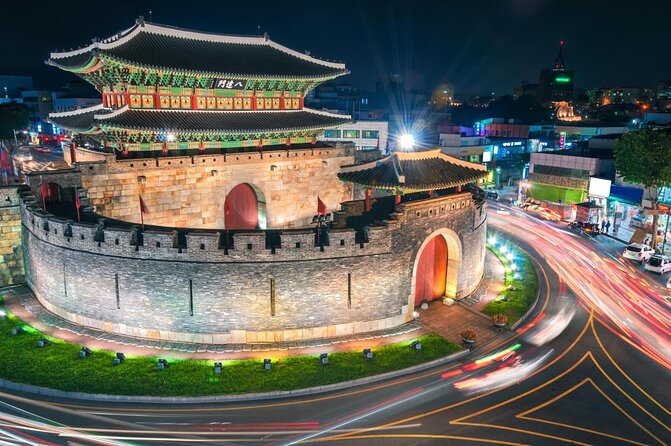
- Suwon Hwaseong Fortress focus: built in the Joseon era and recognized by UNESCO, with the famous wall-walk experience
- Royal detour at Hwaseong Haenggung: a key temporary palace stop tied to King Jeongjo’s travels and ceremonies
- Bukchon Hanok Village morning stroll: traditional Joseon-era houses in a neighborhood that still feels lived-in
- Top-rated guiding style: multiple guides praised for clear explanations and good pacing, including Leo, Chloe, Heidi, Melvin, and Sam
- No shopping-center detours: you spend your time on heritage and culture, with browsing time in areas like Insadong depending on the day
Why This UNESCO Seoul–Suwon Day Tour Makes Sense
If you only have one full day and you want big cultural hits, this route is a smart use of time. You’re not trying to string together tickets, transit, and timing by yourself across two cities. Instead, you ride in an air-conditioned minivan with a guide who handles the order of sights and keeps the day from dragging.
Two things make it work especially well for most visitors. First, you get a strong concentration of UNESCO sites in Seoul (Changdeokgung Palace Complex and Jongmyo Shrine) before you shift to Suwon for the UNESCO-recognized fortress and royal palace grounds. Second, the day is paced to include actual viewing time, not just a “walk past and go” rhythm. Many people like the photo opportunities and small breaks built into the schedule.
One drawback to plan around: this is not a sit-and-smile bus tour. Even with breaks, you’ll do outdoor walking (especially on fortress areas). If you have mobility limitations, you’ll want to think about heat, uneven surfaces, and how much you enjoy long stretches on foot.
You can also read our reviews of more tours and experiences in Seoul.
Meeting at Myeong-dong and Riding in an Air-Conditioned Minivan
The tour starts at Myeongdong Station Exit 1061-7 (Chungmuro 2(i)-ga, Jung District). You end back in Myeong-dong, which is helpful if you plan to continue exploring on your own afterward.
Here’s the logistics that matters in real life:
- Pickup is only for centrally located hotels. If your place is down alleys, your guide meets you at the nearest central hotel or the nearest subway station.
- You’ll use a mobile ticket, so keep your phone charged and ready.
- Transport is by an air-conditioned minivan, which is a lifesaver during summer humidity or winter cold.
- The group stays small, with a maximum of 15 travelers, which usually makes it easier to hear the guide and move at a comfortable pace.
Also worth noting: there are no stops at shopping centers. If you like to shop, you’ll do it in cultural areas rather than being pulled into a pre-planned retail stop.
Bukchon Hanok Village in the Morning: Old Houses, Real Streets
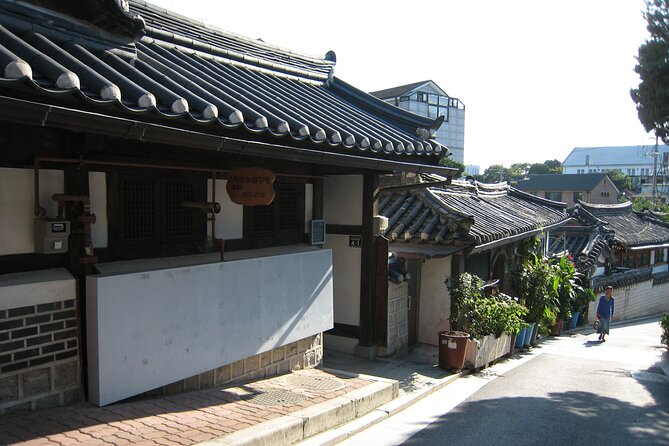
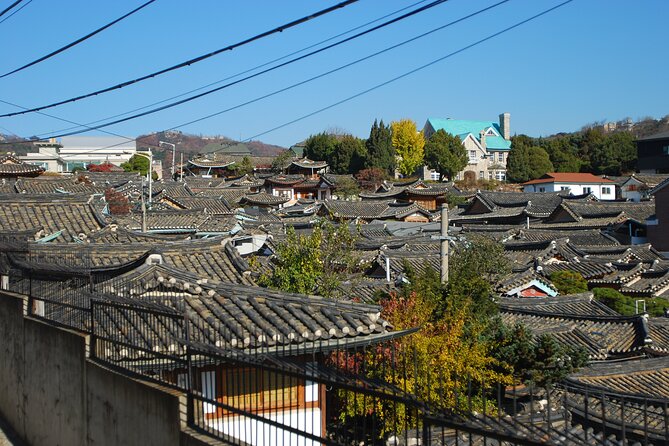
Bukchon Hanok Village is one of those Seoul areas that can feel like a postcard—until you slow down and realize it’s still a neighborhood. The hanoks here trace back to the Joseon Dynasty, and the streets are arranged around the idea of Bukchon meaning northern village relative to major landmarks like Cheonggyecheon.
In practice, I like this first stop because it sets the theme of the day: Korean architecture and court life weren’t abstract ideas. You see the physical world that those royal traditions eventually influenced.
What to expect:
- About 40 minutes to explore the village area.
- Admission is listed as free.
- You’ll likely get guidance on what you’re seeing (house layout, neighborhood feel, and why this area became a symbol of tradition).
A small planning tip: wear shoes you trust. The village streets can be uneven, and the day later includes fortress walking. If your legs are already tired early, you’ll feel it by the afternoon.
Changdeokgung Palace Complex: UNESCO Beauty With a Practical Focus
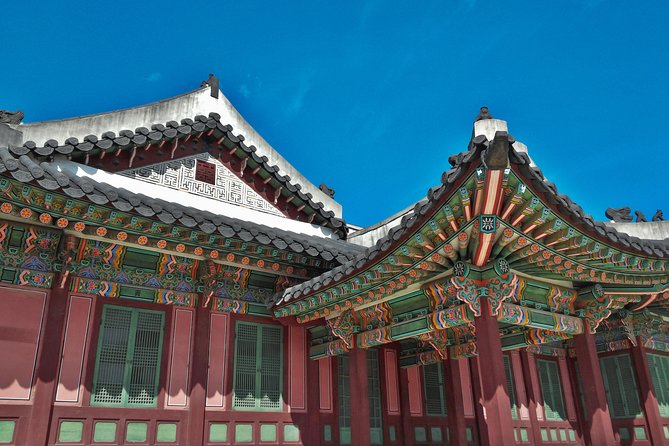
Changdeokgung is Korea’s most successfully preserved palace, and UNESCO recognized it in February 1997. The name itself points to the spirit behind the place—something like to brighten virtue—and the architecture is designed around careful placement and function, not just looks.
This is where a good guide earns their paycheck. The palace can be just “pretty buildings” if you don’t understand the layout and what palace life required. When the explanation lands, you start recognizing why certain halls and courtyards matter.
In this tour, you get:
- About 1 hour at Changdeokgung.
- Admission is included.
One practical note: the day also mentions that Gyeongbokgung Palace is visited on Monday. So depending on your travel day, you may notice slight adjustments in the palace lineup or nearby walking. Still, Changdeokgung is the core UNESCO stop here.
If you like photos, you’ll want to take a mix of wide shots and close details—woodwork, rooflines, and the way the complex is designed to change what you see as you move.
Jongmyo Shrine and Royal Ancestor Worship
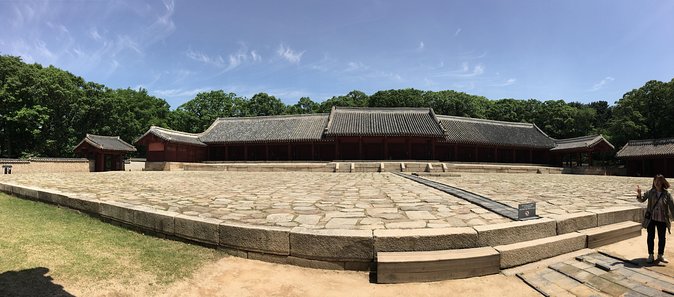
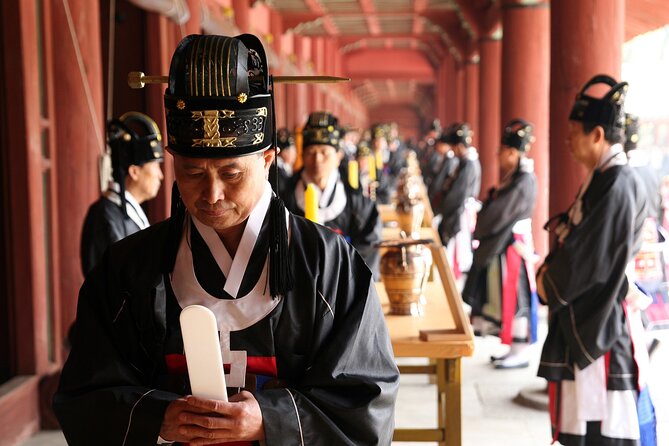
Jongmyo Shrine is a primary place of worship for kings during the Joseon Dynasty, and it’s also a UNESCO site. The guide framing really matters here. You’re not just touring stone and halls; you’re learning how royal rituals were practiced, maintained, and passed down.
This stop is shorter, but it’s meaningful:
- About 40 minutes.
- Admission is included.
If you’re into culture that feels different from Western cathedrals or museums, Jongmyo tends to deliver. It’s structured, ceremonial, and it helps you understand the long reach of dynastic identity.

Cheongha Korea Ginseng Museum: The Short Break That Explains a Big Idea
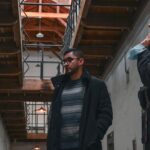
After palace and shrine, you get a breather at Cheongha Korea Ginseng Museum. This stop is only about 30 minutes, and the admission is listed as free.
What it adds to your day: Korea’s relationship with ginseng isn’t treated as a random gift-shop product here. The museum connects it to a long history of herbal use, referencing its mention in Ji Jiu Zhang during the Han period, and it also points to Korean ginseng research related to adaptogenic properties.
You’ll likely leave with a clearer sense of why ginseng is so present in daily life in Korea and why it’s tied to health and tradition in the way the guide explains it.
If you’re not into wellness content, just treat this as a quick reset and hydration moment. Use the time to refill water and stretch before the royal palace and fortress stops.
Hwaseong Haenggung Palace: King Jeongjo’s Temporary Court
This is one of my favorite “less famous” stops on the route because it fills in the story between the major palaces and the fortress. Hwaseong Haenggung Palace is described as the biggest shelter, used during the Jeongjo King period. It’s presented as a temporary palace where King Jeongjo stayed during Wonhaeng, meaning long journeys.
The day’s explanation includes key events too, like the splendid feast held for Hyegyeonggung Hong, his mother’s 60th birthday, and other ceremonies.
This stop gives you:
- About 40 minutes.
- Admission is included.
Why it matters for you: once you understand why the king came, the surrounding structures stop feeling random. Even if you’re not an architecture nerd, royal logistics make the scenery easier to read.
Suwon Hwaseong Fortress: The Wall-Walk That Makes the Afternoon Count
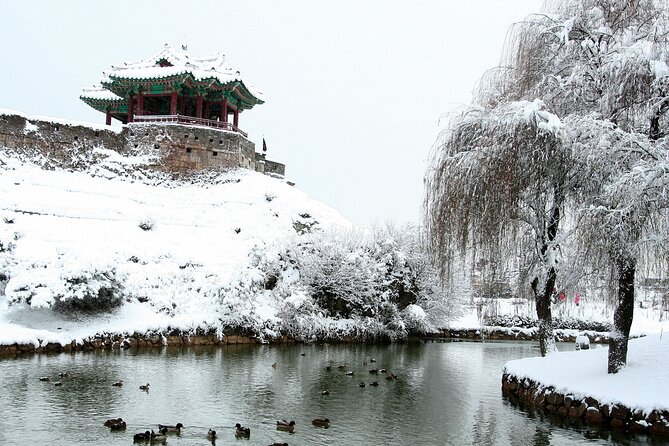
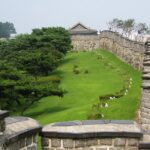
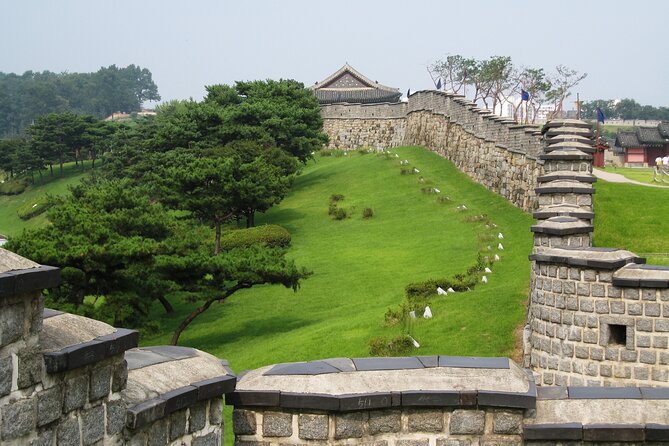
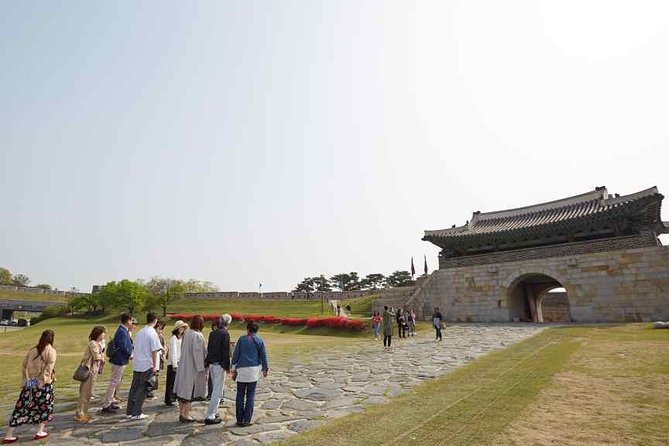
Suwon Hwaseong Fortress is built in the Joseon era (1794 to 1796) and was designed as the fortress of Suwon-si in Gyeonggi-do. The story given during the tour highlights King Jeongjo’s filial piety toward his father Jangheonseja and the idea of building a new pioneer city with economic power.
UNESCO status came later (recognized as a UNESCO World Heritage Site in December 1997). Locally it was also recognized as Historical Monument No. 3 back in January 1963, so it has layers of preservation attention.
On the tour, you get:
- About 40 minutes at the fortress.
- Admission is included.
And here’s what many people love most: walking along the fortress wall for wide city views can feel surprisingly calm. One guide story that pops up repeatedly is how the pacing and rest stops keep the wall walk enjoyable, even for visitors who aren’t used to long distances.
Practical advice:
- Bring sunscreen and a hat. One day can go from bright to exhausting fast.
- If it rains, it still tends to run, but expect slick surfaces. Wear grip-friendly shoes.
- You’ll get better photos when you pause and let the group regroup rather than rushing ahead.
Lunch Timing and What You’ll Do for Food
Lunch is listed as not included, and beverages are also not included. So you’ll want to plan for purchasing food yourself.
That said, the route is set up with a lunch window. In practice, many groups end up eating Korean staples during that time, and bibimbap shows up as a common choice in the way the day is described by people who’ve done it.
My advice: eat earlier in the window if you’re sensitive to time. When you’re carrying the day’s walking in your legs, waiting too late can make the afternoon feel heavier.
If you want to keep it simple, choose a place that’s easy to re-find on the way back to the meeting point area. Avoid long detours for food, because the tour sequence is tight enough to keep it moving.
Guide Quality and Pacing: Where the Day Feels Effortless
This tour stands or falls on the guide, and the pattern here is clear. Multiple guides get praised for being friendly, flexible, and full of stories that connect to what you can see right then. Names that come up often include Leo, Chloe, Heidi, Melvin, Park Sangmi, Sam, and Jeanie.
What I’d look for in how this tour runs:
- Clear explanations that make the architecture and rituals make sense.
- Enough time at each stop so you don’t feel squeezed.
- Breaks that let you catch your breath and get photos without a constant “go go go” vibe.
- A guide who can adjust based on interest and pace, especially in small groups.
Even the small details matter. One person described a guide helping them tolerate intense heat and humidity, and another highlighted that there’s no mandatory factory tour detour. That kind of choice keeps your day focused on heritage rather than sales stops.
Price and Value: Is $76 a Good Deal?
At $76 per person for a roughly 8.5-hour day, this price looks fair because you’re not just paying for transit. You’re also getting:
- A professional guide
- Air-conditioned minivan transport
- Admission included for multiple major sites: Changdeokgung, Jongmyo, Hwaseong Haenggung, and Hwaseong Fortress
- Free admission-style stops like Bukchon Hanok Village and the ginseng museum (based on what’s listed)
You’re also getting a route that takes you from Seoul to Suwon and back without you figuring out trains and transfers. And the group size cap at 15 is a real quality lever. Larger groups tend to mean less time inside the sites. Here, the day feels more controllable.
The tradeoff is that lunch and drinks aren’t included. If you come prepared with budget for a meal and water, the all-in cost stays reasonable for the amount of UNESCO time you’re getting.
Who Should Book This Tour (and Who Should Rethink It)
This is a strong choice if you want:
- Multiple UNESCO sites in one day without complicated planning
- A guide who translates history into something you can see and understand quickly
- A mix of palaces, shrines, and fortress walking
You might want to reconsider if you:
- Have trouble with longer outdoor walking and uneven surfaces
- Get uncomfortable in heat or rain without frequent breaks
- Want lots of free time to wander independently at a slow pace
The good news: many guides on this route are praised for taking breaks and keeping pacing comfortable, including making it work for people traveling with an older parent.
Should You Book This Full-Day UNESCO Heritage Tour?
If your priority is high-value culture in limited time, I think this is a smart booking. You get major UNESCO sites in Seoul, plus the Suwon fortress complex that people often remember most because of the wall views and the way royal context comes together.
I’d book it if you:
- Like guided context, not just photo stops
- Want a day that feels structured and efficient
- Are comfortable with moderate walking and outdoor time
I’d plan extra carefully if you’re sensitive to weather or stamina, because this is still a full-day heritage circuit. Pack practical stuff: water money, sunscreen, and sturdy shoes.
If you want, tell me what day of the week you’re going (Monday vs Tuesday can affect nearby palace/street options) and your walking comfort level, and I’ll suggest how to schedule your rest time around it.
FAQ
How long is the full-day tour?
It runs for about 8 hours 30 minutes.
Where do I meet, and where does the tour end?
You meet at Myeongdong Station Exit 1061-7 (Chungmuro 2(i)-ga, Jung District) and the tour ends in Myeong-dong, Jung District.
What’s included in the tour price?
The price includes a professional guide and transportation by air-conditioned minivan. Admission is included for Changdeokgung Palace Complex, Jongmyo Shrine, Hwaseong Haenggung Palace, and Hwaseong Fortress.
Is hotel pickup included?
Hotel pickup is only available for centrally located Seoul hotels. If your hotel is not in an eligible area, your English-speaking guide meets you at the nearest central hotel or nearest subway station.
Is lunch included?
Lunch is not included. You’ll have a lunch stop during the day, but you’ll need to pay for your meal.
What about drinks?
Beverages are not included.
How many people are in the group?
The tour has a maximum group size of 15 travelers.
Can I cancel and get a full refund?
Yes. You can cancel up to 24 hours in advance for a full refund.