REVIEW · SEOUL
Seoul: Korea Dark History Tour at Seodaemun Prison
Book on GetYourGuide →Operated by Mutual Trip · Bookable on GetYourGuide
Two gates, one hard lesson. This 2-hour walking tour links Korea’s fight for independence and democracy to the preserved prison cells of Seodaemun Prison. I love how the guide makes the past feel concrete, not like a list of dates.
I also like the small group setup (up to 10), because it leaves room for questions and real back-and-forth. One standout example from my reading: guide Bae Jung-hui earns praise for turning details into clear explanations and even making visitors feel welcomed from the first smile. The main downside to plan for is that this is an emotionally intense experience, and it is not suitable for wheelchair users.
In This Review
- Key Highlights You’ll Actually Care About
- Seoul’s Dark History, Explained on Foot
- Finding Your Way: Meeting Points and What a 2-Hour Tour Feels Like
- Independence Gate: The Meaning Behind Dongnimmun Gate
- Seodaemun Prison History Hall: Seeing the Spaces That Held Activists
- Yu Gwan-sun and the Human Cost of Independence
- How the Guide Changes Everything (Including Bae Jung-hui)
- Small-Group Walking Style: Better Learning, Less Waiting
- Price and Value: Is $31 Worth Two Hours of Heavy History?
- Emotional Reality: How to Prepare for a Dark-History Tour
- Planning Around Comfort, Weather, and Questions
- Who This Tour Is Best For (and Who Should Skip It)
- Should You Book the Seodaemun Prison Dark History Tour?
- FAQ
- How long is the Seoul Korea Dark History Tour at Seodaemun Prison?
- Where does the tour start and where does it end?
- What language is the tour guide?
- What’s included in the price?
- Is transportation included to and from the attractions?
- Is this tour wheelchair accessible?
- Are alcohol and drugs allowed during the tour?
- What should I wear for this experience?
Key Highlights You’ll Actually Care About
- Independence Gate symbolism: Korea’s first self-determination monument is more than a photo stop.
- Seodaemun Prison History Hall: preserved spaces that help you understand what activists endured.
- Yu Gwan-sun’s story: the tour spotlights a 17-year-old student who became a lasting symbol of courage.
- Q&A-friendly pacing: small group size makes it easier to ask questions and get straight answers.
- English and optional Japanese: you can follow along confidently, even if your Korean is limited.
Seoul’s Dark History, Explained on Foot
If you want Seoul history that isn’t just glossy and postcard-ready, this tour is the one. You’ll walk between two major landmarks that connect Korea’s identity to struggle, resistance, and the long road toward independence and democracy. It’s “dark history,” but it’s also about how a nation held onto itself.
What makes this work well is the format. You’re not sitting through a lecture in a room. You’re outside, moving, seeing the spaces, and then hearing the human stories tied to them.
This also helps you understand the bigger point: modern Korea isn’t one event. It’s a chain of choices and costs. And you’ll feel that theme from the first stop.
You can also read our reviews of more tours and experiences in Seoul.

Finding Your Way: Meeting Points and What a 2-Hour Tour Feels Like
The tour starts from one of two meeting options listed as 102-55 or 102-6. The exact starting point can vary based on what you book, so check your confirmation carefully before you head out. From there, you’ll move through the key sites and finish back near 102-6.
Don’t underestimate a 2-hour walking tour. Two hours is long enough to get meaning out of each stop, but short enough that you won’t feel mentally drained before you even reach the prison. Still, plan for a slower pace than sightseeing-only walks, because the guide will explain symbolism, context, and events as you go.
You’ll want comfortable walking shoes. The tour is conducted on foot, and you’ll be standing and looking closely in places where you’re meant to slow down. Bring a light layer too, since Seoul weather can shift quickly.
Independence Gate: The Meaning Behind Dongnimmun Gate
One of the first stops is Dongnimmun Gate, where you get a guided introduction for about 20 minutes. This is where you start building the storyline. The guide connects what you’re seeing to Korea’s push for self-determination, which matters because the landmark carries political weight, not just architectural value.
A key idea you’ll hear is that monuments can act like instructions. They tell you what a society wants future generations to remember. Here, that message is independence, but also the idea that independence required pressure, risk, and people willing to pay a price.
If you usually treat gates and streetscapes as background for photos, this stop changes that habit. You’ll start looking at the space with questions like: Who wanted this message recorded? And why here?
Seodaemun Prison History Hall: Seeing the Spaces That Held Activists
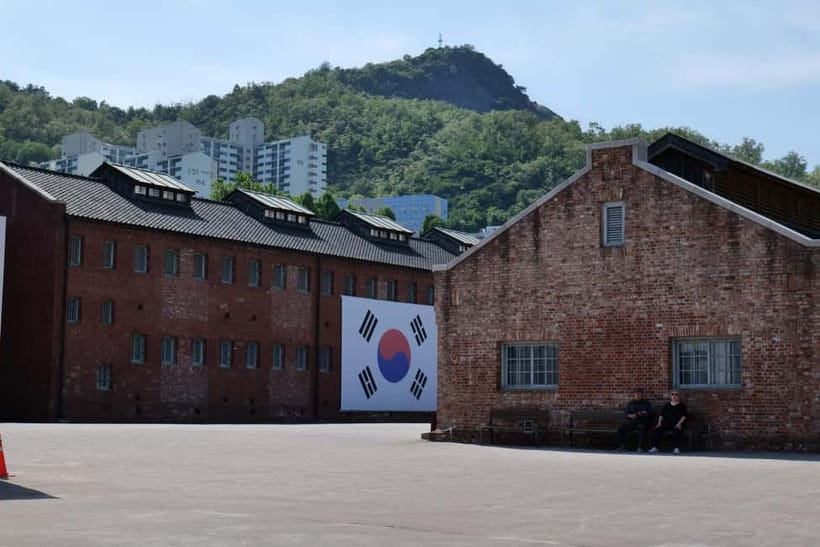
The heart of the experience is Seodaemun Prison History Hall, with about 100 minutes of guided time. This is where the tour becomes emotionally heavy. You’re walking through preserved areas that connect directly to the detention of independence activists.
The practical lesson: when you walk through a prison site, details matter. Cell layouts, passages, and the overall feel of the facility help you grasp what confinement meant in daily reality. The guide uses the architecture to explain how the prison functioned and why it became a symbol of oppression.
This stop is worth your full attention, even if you’re tempted to rush for photos. The tour is designed so you understand what you’re looking at before you move on. The result is that you don’t just see “old cells.” You understand how imprisonment shaped the struggle—physically, psychologically, and politically.
One honest caution: you’ll likely feel uncomfortable at times. That’s normal. The tour company explicitly warns that the experience is emotionally intense, and the setting itself supports that warning.
Yu Gwan-sun and the Human Cost of Independence
A major thread in the storytelling is the case of Yu Gwan-sun, a 17-year-old student who became a national symbol of courage. You’ll hear her story as part of the broader resistance narrative, tied to how activists challenged control and how authorities responded.
This kind of personal history is what turns “history” into something you can mentally carry. Instead of learning only about movements, you also learn about individuals. And when you hear the guide connect Yu Gwan-sun’s experience to the prison site, the location stops being a museum and becomes evidence.
This is also where the tour’s educational balance shows. It doesn’t just list suffering. It emphasizes courage and sacrifice, and it shows that resistance wasn’t abstract. It was made of real people, real choices, and real consequences.
If you’re the kind of traveler who likes context around modern identity, this is where it clicks. Korea’s present—its self-understanding and democratic values—did not appear out of nowhere. The tour helps you see the bridge from past to present.



How the Guide Changes Everything (Including Bae Jung-hui)
A tour like this lives or dies by the guide’s ability to explain without turning it into drama. The strong theme in the feedback I saw is that the guides are trusted for clarity and for handling questions well.
One named example: Bae Jung-hui gets repeat praise for making visitors feel welcomed from the first smile. People also highlight how she ensured guests understood the details inside Seodaemun Prison History Hall and answered questions in a way that helped them connect the dots.
There’s a practical side here too. English is offered, and Japanese is optional, which can help if you want extra support. Even if your Korean is limited, you should be able to follow the story arc because the tour is built around explanation at each landmark.
If you care about being able to ask questions, you’ll like the small group size. With up to 10 participants, you’re less likely to feel like a passenger in someone else’s lecture.
Small-Group Walking Style: Better Learning, Less Waiting
This is a small group tour limited to 10. That matters because the stops are emotionally and visually specific. You don’t want to be stuck behind a crowd when the guide is pointing out details you’ll need to understand the story.
With a smaller group, the pacing feels steadier. You can stop, look, listen, and ask. It’s the difference between seeing a place and understanding it.
It also helps you manage the tone. Dark history needs respect. A quieter group setting tends to support that mood without you having to force it.
Price and Value: Is $31 Worth Two Hours of Heavy History?
At $31 per person, this tour is priced like a straightforward guided experience, not like a luxury add-on. What you’re paying for is the combination of guided storytelling plus admission to Seodaemun Prison included in the cost.
Two hours may sound short until you consider what’s covered: a symbolic introduction at Dongnimmun Gate, then a long guided segment inside Seodaemun Prison History Hall. That’s a lot of interpretive time for the price, especially since you’re not paying separately for entrance.
It’s also value-friendly because it’s structured for people without special local knowledge. You don’t need to be a Korea scholar to get meaning out of the visit; the guide supplies the context and keeps the story coherent.
One note on budgeting: meals and drinks are not included, and transportation to and from the sites isn’t included either. That’s typical for walking tours, but it does mean you should plan a snack stop on either side if you’ll be out for the full half-day.
Emotional Reality: How to Prepare for a Dark-History Tour
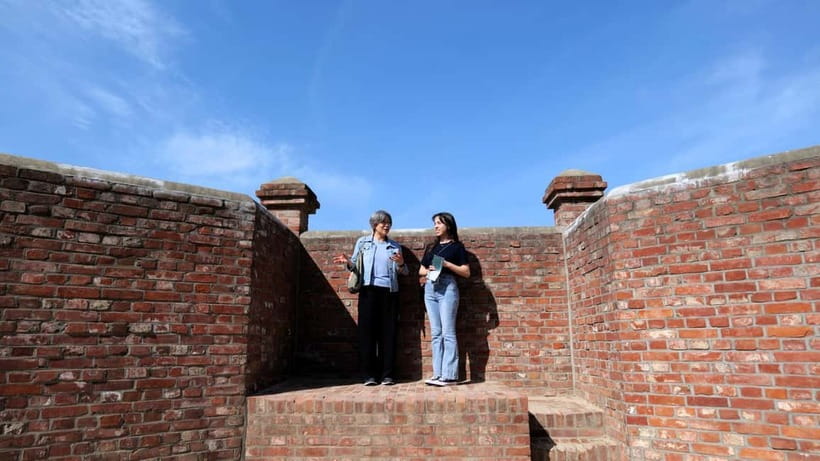
This tour is not for everyone, and it’s good you know that before you book. The experience is explicitly described as emotionally intense. That doesn’t mean it’s “unpleasant” in a chaotic way. It means you’re dealing with real oppression and real suffering.
My advice: go in with a plan for your own pacing. Wear shoes that won’t distract you. Give yourself permission to slow down if something hits you harder than expected. And take your cues from the guide. The tour is structured around understanding, not shock.
Also, follow the rules: alcohol and drugs are not allowed. Keep the focus respectful, especially in prison areas where the setting already does the emotional work for you.
Planning Around Comfort, Weather, and Questions
Seoul weather can change fast, so it helps to travel like you might deal with sun or rain. One review detail that stuck with me: a guide shared a UV umbrella during poor weather. That doesn’t mean you should show up unprepared, but it does suggest the guide is practical and tries to help when conditions shift.
Bring:
- a small umbrella or rain layer if the forecast looks risky
- water if you’re sensitive to long walks (the tour doesn’t include meals, and drinks aren’t listed as included)
- a phone charger or offline maps, just in case your meeting point requires a quick check
Finally, don’t be afraid to ask questions during the tour. The feedback emphasizes that guides handle questions thoughtfully, and that extra interaction is often what makes a history tour feel personal instead of one-directional.
Who This Tour Is Best For (and Who Should Skip It)
This tour is ideal if you:
- want Korea history tied to independence and democracy
- like tours where the guide explains symbolism and connects it to lived stories
- prefer walking between key sites instead of only museum browsing
- want a small group experience with room for questions
You might want to skip it if:
- you need wheelchair accessibility (it’s not suitable for wheelchair users)
- you want light, casual sightseeing only
- you’re not ready for an emotionally intense experience tied to imprisonment
If you’re traveling with someone who gets overwhelmed easily by heavy topics, it’s worth deciding together beforehand. This isn’t a “fun facts” tour. It’s a reflective one.
Should You Book the Seodaemun Prison Dark History Tour?
I think you should book if you want your Seoul trip to include something honest and grounded. This tour gives you meaning, not just a location stamp. You’ll get guided time at Dongnimmun Gate for the message of self-determination, then a long visit through Seodaemun Prison History Hall where you learn what resistance cost.
Skip it if you’re chasing a carefree day or if emotionally intense topics will hit you too hard. But if you can meet the moment with care, this is one of those tours that stays with you because it links modern Korea to the struggle that shaped it.
FAQ
How long is the Seoul Korea Dark History Tour at Seodaemun Prison?
The tour lasts 2 hours.
Where does the tour start and where does it end?
The meeting point can vary depending on the option booked, with two listed starting options: 102-55 or 102-6. The tour ends at 102-6.
What language is the tour guide?
The tour is offered in English and Japanese (optional).
What’s included in the price?
The price includes a guided tour and admission to Seodaemun Prison.
Is transportation included to and from the attractions?
No. Meals, drinks, and transportation to and from the sites are not included.
Is this tour wheelchair accessible?
No. It is not suitable for wheelchair users.
Are alcohol and drugs allowed during the tour?
No. Alcohol and drugs are not allowed.
What should I wear for this experience?
Wear comfortable walking shoes, since it’s a walking tour. The experience is also described as emotionally intense.