REVIEW · MUMBAI
Private Jewish Heritage Tour
Book on Viator →Operated by Mystical Mumbai · Bookable on Viator
Mumbai hides a Jewish story in plain sight. This private tour strings together synagogues, a graveyard, and a few big Mumbai landmarks, so the city feels connected instead of random. You’ll travel with an English-speaking guide and a private vehicle, which keeps the route moving smoothly.
I love how personal the guiding can feel—one review called out Devi as exceptionally warm and helpful, with perfect English and a knack for sharing details like a friend. I also like the synagogue mix, from active community spaces to a site that’s more visitor-friendly, so you see Jewish life in different settings rather than only looking at one type of building.
One possible drawback: start-point confusion can happen. In one report, the operator wasn’t easy to locate at the beginning and the group waited before things got going, so I’d confirm the pickup landmark in advance and keep your phone handy.
In This Review
- Key things that make this tour worth your time
- Seeing Jewish Mumbai in a Private, 4–5 Hour Route
- From Gateway of India to the Taj Mahal Palace Hotel
- Sassoon Dock and the Working-Port Side of the Story
- Gate of Mercy (Sixth & I) and the Tipu Sultan Connection
- Magen David Synagogue and the Baghdadi Community Footprint
- Magen Hassidim and Ceremonies That Keep the Community Active
- Kenneseth Eliyahoo Synagogue: A Tourist Synagogue with Visitor Services
- David Sassoon Library and a Graveyard Pause That Changes the Pace
- Where the Chabad House Fits Into the Route
- Price and Pickup: Is $75 Good Value?
- The one “be smart” note
- The Guide Experience: English That Lands and Stories That Stick
- How to Prepare (So You Don’t Slow Down the Whole Group)
- Who This Tour Fits Best
- Should You Book This Private Jewish Heritage Tour?
- FAQ
- How long is the Private Jewish Heritage Tour in Mumbai?
- What’s included in the tour price?
- Is food or drinks included?
- Which synagogue and related sites are visited?
- What’s the first stop on the itinerary?
- Is the tour private or group-based?
- Is an English-speaking guide provided?
- Do you need admission tickets for stops?
- Can I book close to my travel date?
- What’s the cancellation policy?
Key things that make this tour worth your time
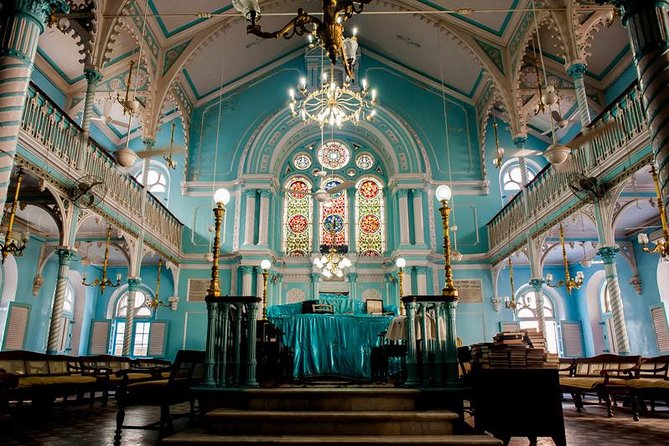
- Private vehicle with hotel pickup/drop-off keeps you from juggling taxis and time loss
- Stops tied to real community life, including active ceremonies at Magen Hassidim
- Gate of Mercy (Sixth & I) connection to Tipu Sultan adds a strong cross-cultural historical thread
- Clock-tower landmarks at Magen David help you recognize the sites quickly during the walk
- David Sassoon Library’s 365-day access gives you a sense of how long institutions have served locals
- A graveyard visit slows the pace and grounds the tour in continuity, not just architecture
Seeing Jewish Mumbai in a Private, 4–5 Hour Route
This is the kind of tour I like for cities where the major sites can feel too generic. Mumbai has famous temples, churches, and mosques, but this route highlights the Jewish footprint across neighborhoods and institutions. In just 4 to 5 hours, you get a guided path that connects places you might otherwise miss.
Because it’s private, the timing stays under control. You’re not squeezed into long waits while other groups haggle over directions. The tour also offers round-trip transfers in a private vehicle, so you spend more time looking at what you came for, and less time figuring out logistics.
One more practical point: the itinerary includes several stops where admission is listed as free. That matters because it reduces decision fatigue when you’re on the clock and paying attention to the guide’s pacing.
You can also read our reviews of more tours and experiences in Mumbai.

From Gateway of India to the Taj Mahal Palace Hotel
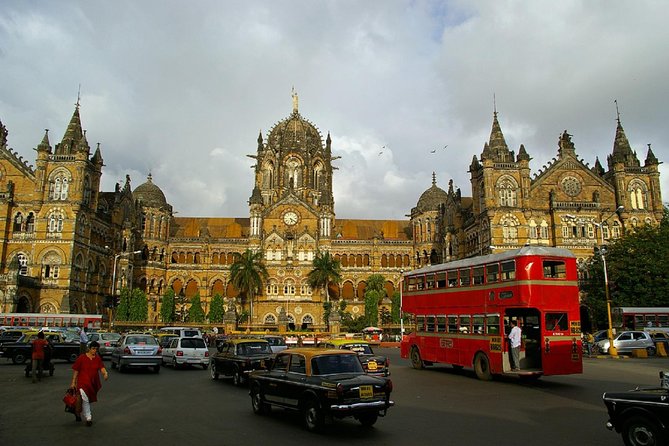
The tour starts at the Gateway of India, which is Mumbai’s most famous monument. It was built to welcome King George V and Queen Mary, and it works as a quick orientation point. Even if you’ve seen it before, it sets the stage for the city’s layers—imperial, commercial, and multicultural—all in one glance.
Next comes a stop near the Taj Mahal Palace Hotel, an iconic landmark tied to Jamshedji Tata. The original building was commissioned by him and first opened to guests on December 16, 1903. You don’t need a long look here to get the idea: Jewish history in Mumbai sits inside a city that was already drawing communities through trade, migration, and business.
In a route like this, these “big name” stops are useful not because they are Jewish, but because they help you place everything else you’ll see later. You’ll be able to connect the synagogues and community sites to the broader Mumbai map.
Sassoon Dock and the Working-Port Side of the Story
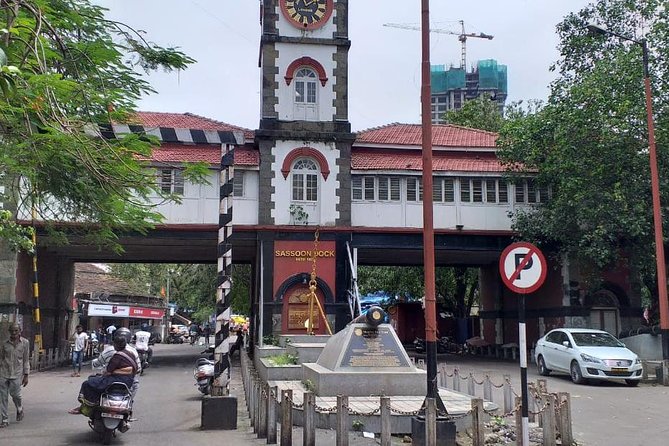
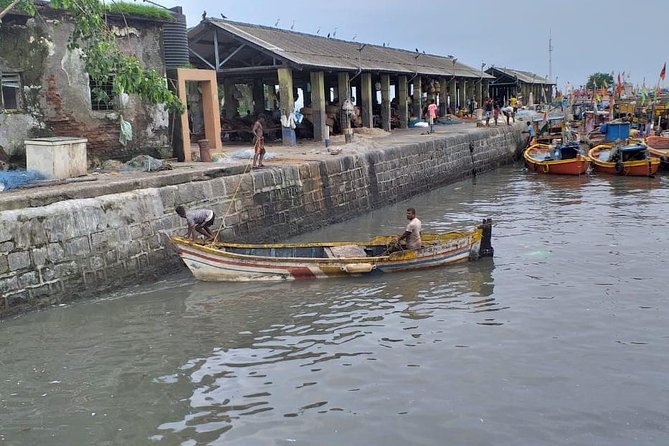
Sassoon Dock is where the tour nudges you away from only monuments and into the city’s movement. It’s described as the largest fishermen port land of Mumbai, donated by Sir Albert Sassoon as a dedication to fishermen. You’ll also get a sense of the dock setting, including a clock tower and views of local fishermen in action.
This stop matters because it reinforces a theme: community history isn’t only about places of worship. Jewish life in Mumbai has also been tied to the commercial and maritime world that shaped the city. A port stop also helps you understand why certain neighborhoods grew the way they did.
The potential downside is simple: docks are still docks. If the weather is hot or humid, you’ll want to dress for it, and you might prefer comfortable shoes that can handle uneven ground. The tour timing for this portion is about 30 minutes, so it should feel manageable.
Gate of Mercy (Sixth & I) and the Tipu Sultan Connection
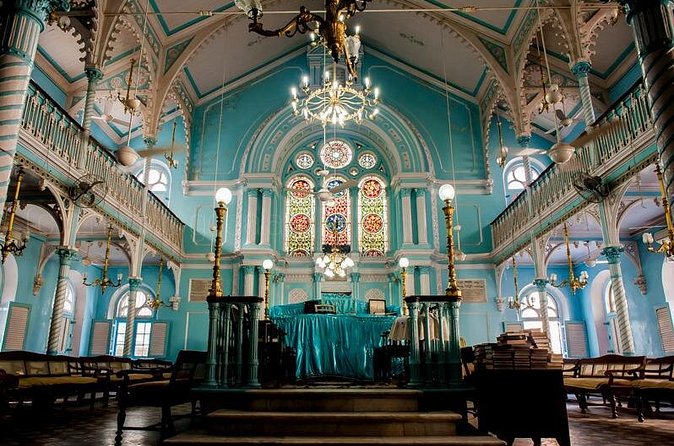
The tour then heads to Sixth & I, where you’ll explore Gate of Mercy Synagogue at Samuel Street. This site is described as one of the first synagogues of Maharashtra, and it’s noted for a connection to Muslim King Tipu Sultan. That cross-reference gives the story something unusual and memorable: Jewish history here isn’t isolated—it intersects with other faith histories in the region.
You’re also told there’s religious importance behind the foundation. Even without a long lecture, a guide can help you notice why a synagogue’s location and structure matter to the community that built and maintained it.
One reason I’d recommend this stop even for first-timers is that it changes your listening mode. At more familiar tourist sites, you mainly look outward. Here, you’re being guided to think about relationships—how communities lived alongside one another and how leaders and rulers showed up in local religious stories.
Magen David Synagogue and the Baghdadi Community Footprint
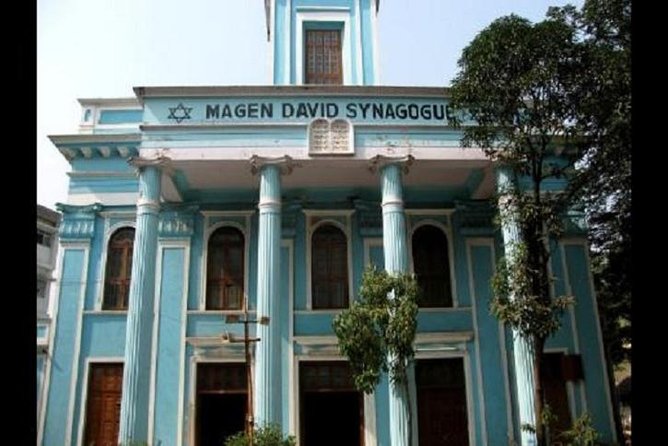
Next is Magen David Synagogue, described as the first synagogue built by David Sassoon himself. It also has a clock tower located on the premises of Jewish schools and a Jewish guest house. That cluster of institutions is a big clue: this wasn’t just a religious building, it was part of a wider community ecosystem.
The tour also frames this as a place where you can see Bagdadi Jewish life that existed there. That phrase matters. It suggests the community wasn’t static; it had distinct identities, rhythms, and social structures that evolved over time. A clock tower is easy to spot, so you’ll likely remember this stop even if you’re walking fast.
A practical tip: synagogues and institutional sites tend to have rules about photography and quiet behavior. The itinerary marks these stops as admission-free, but that doesn’t mean there are no site guidelines. Keep your voice low and follow your guide’s lead.




Magen Hassidim and Ceremonies That Keep the Community Active
At Magen Hassidim Synagogue, the tour shifts from “heritage sightseeing” into lived religious life. This is described as one of the most active Bene Israeli synagogues, with marriages and other ceremonies taking place there.
If you care about authenticity, this is the anchor stop. Seeing a place that still functions helps you avoid the common mistake of treating heritage as frozen in time. Even if your visit is short, the fact that the synagogue is active changes the feel of every detail you notice—the mood, the purpose, and the meaning of the space.
The tour time for this stop is about 20 minutes, which is long enough to understand what you’re looking at without dragging you out of the day. If the site has events running, you may need to pause your photos and stick closely to your guide’s instructions.
Kenneseth Eliyahoo Synagogue: A Tourist Synagogue with Visitor Services
Then comes Kenneseth Eliyahoo Synagogue, described as a tourist synagogue. It’s noted as a place that hosts delegates and VIPs and sits in a prime tourist location, with services for visitors.
This stop is useful because it balances what you’re seeing elsewhere. Not every synagogue visit will feel the same. Some sites are focused on community life; others are built around welcoming visitors and hosting formal visitors. Understanding that difference makes the tour feel more grounded and less like a checklist.
If you’re the type of traveler who wants context, you’ll probably appreciate how the guide may frame the synagogue’s role. Instead of assuming all heritage sites operate the same way, you get a more realistic picture of how places manage visitors while still serving their mission.
David Sassoon Library and a Graveyard Pause That Changes the Pace
Two of the most powerful moments in this kind of tour are often the non-flashy ones: a library and a graveyard. The tour includes the David Sassoon library, described as donated by Sir David Sassoon himself. It’s also said to be the only library in the world open for all 365 days of the year.
Even if you only see parts of it, this is the kind of detail that makes the story feel human. Libraries are where communities preserve learning and continuity. And a graveyard visit does something similar, but with another kind of weight—reminding you that history isn’t only documents and buildings. It’s people, families, and generations.
One caution: graveyards ask for respect through quiet behavior. The best approach is to move slowly, watch where you step, and follow the guide. Your guide’s pacing will matter here; the point isn’t rushing to “tick” the stop.
The itinerary also includes visiting the local Jewish graveyard. If you’re traveling with kids or prefer a fast pace, you may want to mentally budget for a slower segment.
Where the Chabad House Fits Into the Route
The overview also notes a stop at the city’s Chabad House. Even with limited time, adding it makes sense. It signals that Jewish life in Mumbai isn’t only about older synagogues; there are also modern community hubs working today.
I’d treat this stop like context, not a standalone museum moment. Let the guide connect it to what you saw earlier—synagogues, schools, communal institutions, and the way groups maintain identity across changing decades.
Price and Pickup: Is $75 Good Value?
At $75 per person, the tour is priced like a budget-friendly private experience rather than a premium day trip. For Mumbai, the big value driver is the private vehicle and the round-trip transfers. Those logistics alone can eat up time and money when you’re traveling independently.
You’re also not paying extra for admission at several major stops listed as free. And the tour includes an English-speaking guide and a professional driver, plus hotel pickup and drop-off. If you’ve ever tried to piece together synagogue visits on your own, you know that coordination is the hard part.
There are a couple of practical conditions to factor in: the tour requires a minimum of 2 people per booking. If you’re traveling solo, you may need to check whether they can still take your request as a private booking or pair you with another party.
The one “be smart” note
One negative experience report mentioned trouble locating the operator at the start, leading to waiting time before the tour began. That doesn’t mean the tour is unreliable, but it does mean you should be proactive: confirm your exact pickup spot and exact time close to departure, and have your contact details ready.
The Guide Experience: English That Lands and Stories That Stick
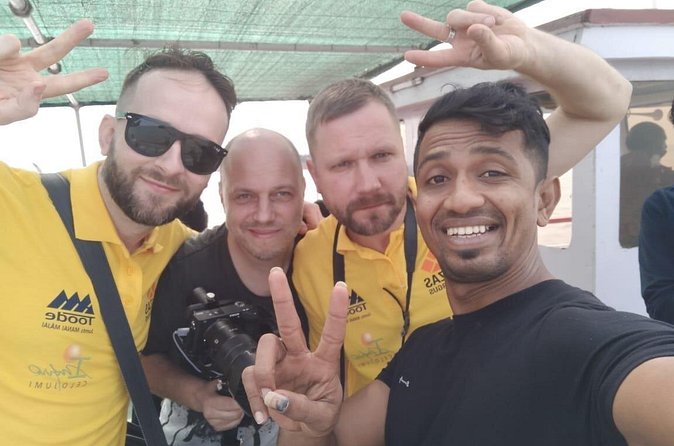
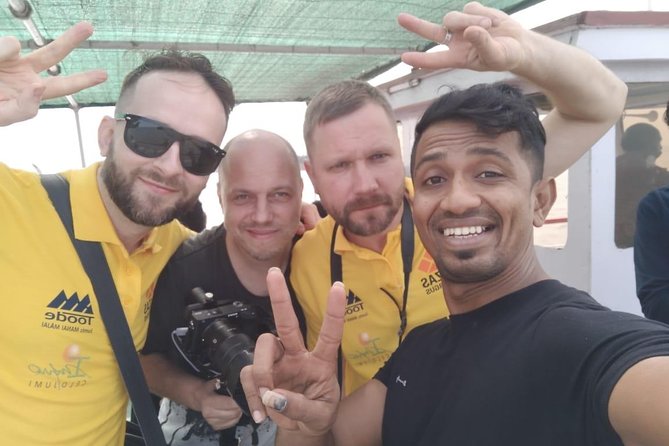
The strongest praise in the feedback centers on the guide experience. One standout review specifically praised Devi as personable, friendly, kind, helpful, and very knowledgeable, with perfect English. Another comment complimented a driver/guide for being articulate and going out of the way to accommodate requirements.
That kind of guide quality matters on tours like this. Synagogues and heritage sites come with details that can be easy to miss if you don’t know what to listen for. A good guide helps you spot what’s meaningful—like why a clock tower is not just a design feature, or how community institutions cluster around synagogues.
If you like learning through conversation, this tour can feel less like a lecture. You’ll still get structure, but the guide’s style can make you feel comfortable asking questions.
How to Prepare (So You Don’t Slow Down the Whole Group)
You’ll be walking at multiple stops, and you’ll be moving between areas. Comfortable shoes help. Since the tour lasts around 4 to 5 hours, you’ll also want basic water planning, even though food and drinks aren’t included.
Dress-wise, treat synagogues as places of respect. Wear something you can keep comfortable while moving and while standing still for photos. If you’re unsure about site rules, ask your guide directly; your visit stays smoother when you align early.
Also, bring your mobile ticket. The tour offers a mobile ticket, which is usually faster at meeting points and reduces paperwork.
Who This Tour Fits Best
This is a smart fit if you:
- want an organized route through Mumbai’s Jewish heritage without piecing together separate bookings
- value a private vehicle and pickup/drop-off to save time
- like seeing how community life works in both active religious spaces and visitor-oriented sites
- enjoy learning through specific details, like the Tipu Sultan connection or Sassoon-linked institutions
It’s also a great choice if you’re traveling with friends or family who want a shared experience that feels more personal than a standard “highlights of Mumbai” tour.
Should You Book This Private Jewish Heritage Tour?
I’d book it if you want a focused, respectful, English-guided walk through Jewish Mumbai with real community context. The guide quality comes through strongly in the feedback, and the stop selection is varied enough to feel like more than a one-note heritage tour.
If you’re very sensitive to timing or hate uncertainty at the start, do one extra step: confirm your meeting point details and keep your phone ready for quick coordination. With that small bit of care, this tour is a strong way to see Mumbai in a way most first-time visitors never get.
FAQ
How long is the Private Jewish Heritage Tour in Mumbai?
It’s approximately 4 to 5 hours.
What’s included in the tour price?
You get transport in an air-conditioned car, hotel pickup and drop-off, an English-speaking professional guide, a professional driver, and a private tour.
Is food or drinks included?
No. Food and drinks are not included.
Which synagogue and related sites are visited?
The tour includes Magden Hassidim Synagogue, Gate of Mercy Synagogue (Sixth & I), the local Jewish graveyard, Kenneseth Eliyahoo Synagogue, Magen David Synagogue, and the city’s Chabad House. It also includes stops like the David Sassoon library.
What’s the first stop on the itinerary?
The first stop listed is the Gateway of India Mumbai.
Is the tour private or group-based?
This is a private tour/activity. Only your group will participate.
Is an English-speaking guide provided?
Yes, the guide is English-speaking.
Do you need admission tickets for stops?
The itinerary marks several early stops as free, and admission tickets are listed as free for those stops. Specific synagogue or site ticket rules are not stated beyond that.
Can I book close to my travel date?
On average, it’s booked 38 days in advance, but confirmation is received at the time of booking.
What’s the cancellation policy?
You can cancel for free up to 24 hours in advance for a full refund. If you cancel less than 24 hours before the start time, the amount paid is not refunded.