Mumbai tells stories if you know where to listen. This private Heritage Walk with Hidden Tales links Gateway of India to Marine Drive, with colonial sights, old markets, and a few places most city tours skip.
What I love is the way the city gets explained through people, trade, and power. I also like the guide energy, especially when it’s the kind you get from Nisar, plus the included chai stop that keeps the walk from feeling like nonstop sightseeing.
One thing to plan around: the experience depends heavily on timing and pacing. If your guide is late or the group is rushed, you could end up with fewer pauses for photos and less detail than you hoped for.
In This Review
- Quick hits before you go
- Gateway of India to the Colonial Chapter You Can Actually See
- Colaba’s Landmark Chain: Taj Mahal Palace, Yacht Club, and Causeway Views
- The Private Walk Format: Flexibility, Ferry Time, and a Real Chai Break
- Old Bazaars, Spice-Market Color, and Step Wells in the Same Story
- A Secret Parsi Café Moment and Colonial Courtyards You Might Not Expect
- Marine Drive Ending: From Fishing Villages to Financial Capital
- Price and Value: Why $10 Can Be a Good Deal Here
- Logistics You’ll Feel: Walking Time, Weather, and What to Bring
- Who This Mumbai Stories Walk Is Best For
- Should You Book This Mumbai Heritage Walk with Hidden Tales?
- FAQ
- Where does the tour start?
- How long is the tour?
- Is this a private tour?
- What’s included in the price?
- Is Elephanta caves included?
- What meals are included?
- What language is the tour guide?
- What should I wear?
- Is cancellation possible if plans change?
- Is ticket-line help included?
Quick hits before you go
- Gateway of India to Marine Drive arc: colonial arrival, departure, and the modern-city ending.
- Private pacing: flexible timing and a narration style tuned to your group.
- Chai + bottled water included: you get a real break, not just photo stops.
- Ferry ride built in: helps break up the walking and keeps the story moving.
- Less-common stops in Colaba: bazaars, colonial courtyards, and a Parsi café moment.
- Camera-friendly architecture routes: hotels, clubs, causeways, and old districts for photos.
Gateway of India to the Colonial Chapter You Can Actually See
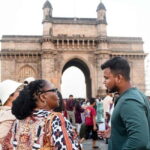
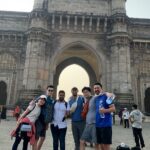
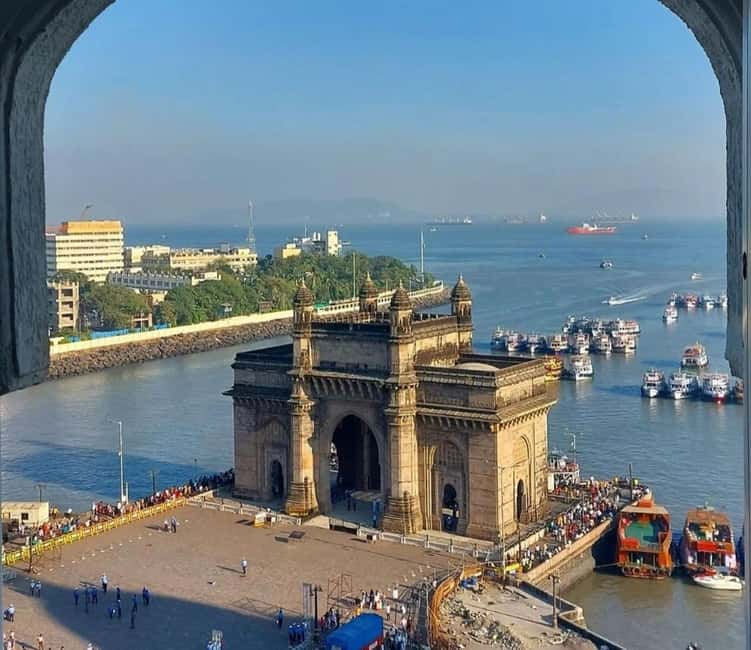
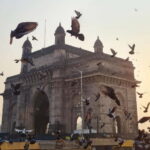
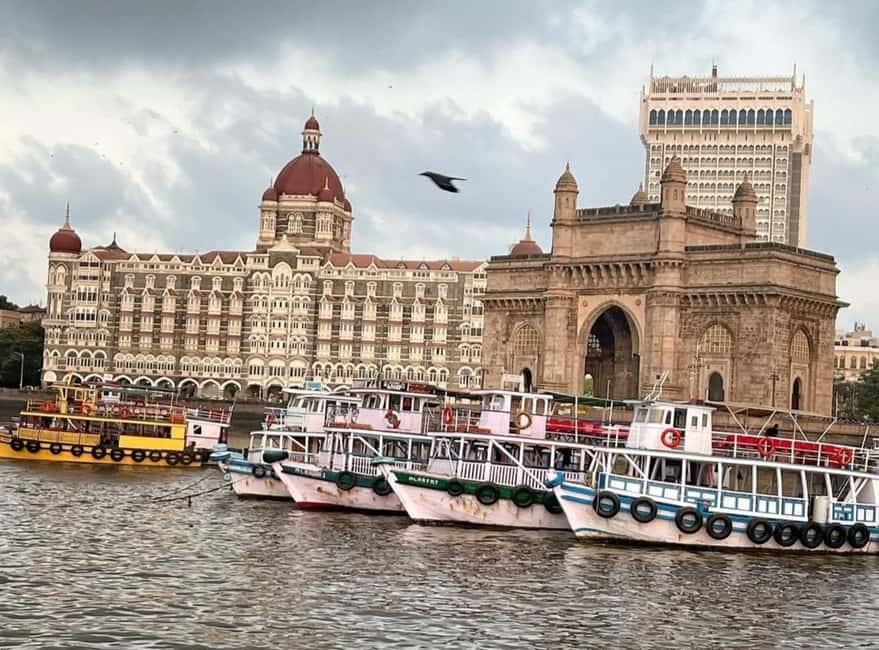
I like starting at the Gateway of India because it’s not just a landmark. It’s a hinge point in the story of Mumbai—British arrival first, then later departure, marking the end of colonial rule. Standing there, you get an instant sense of why this coastline became so important for shipping and influence.
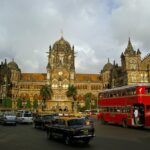
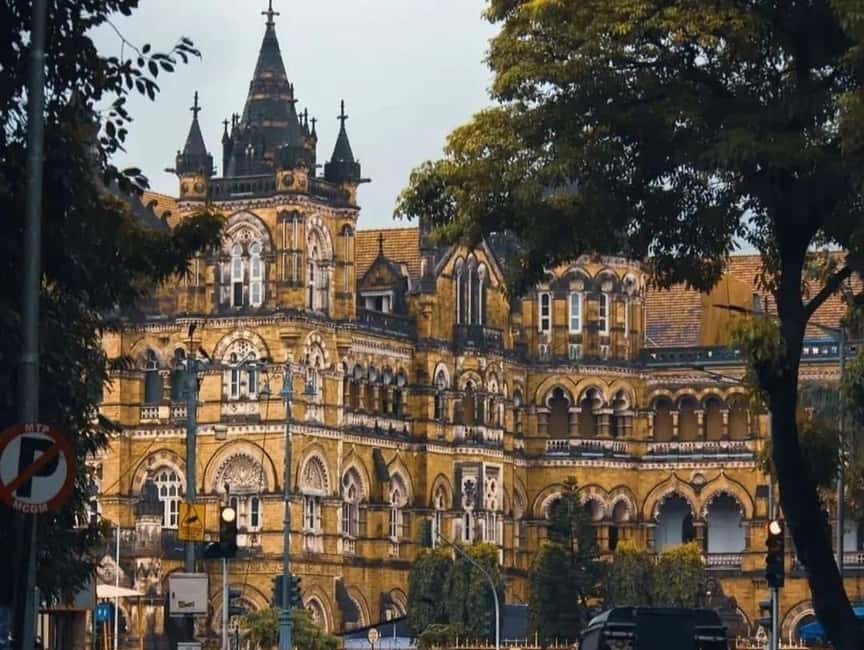
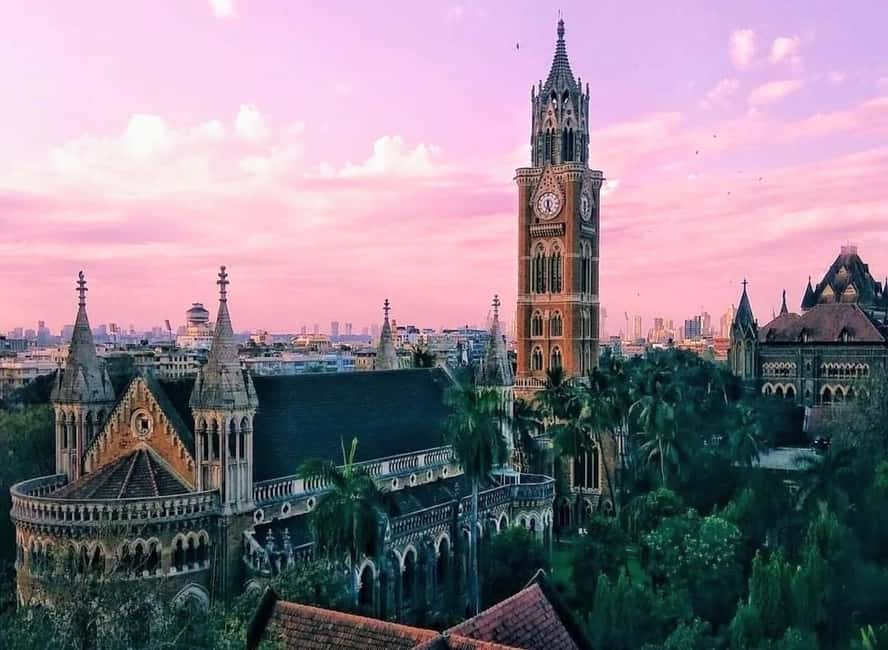
From there, the walk keeps moving through Colaba, where architecture acts like a time machine. You’ll pass well-known colonial-era buildings tied to the city’s mercantile past—exactly the kind of connection that makes history feel less like dates and more like consequences. You also get a practical photo advantage here: you can shoot wide views and then turn toward tighter street scenes as the walk progresses.
A quick reality check: this area sits right on the water and can be windy. If you’re a photographer, bring a camera strap and keep an eye on your footing near curbs and uneven edges.
You can also read our reviews of more tours and experiences in Mumbai.


Colaba’s Landmark Chain: Taj Mahal Palace, Yacht Club, and Causeway Views
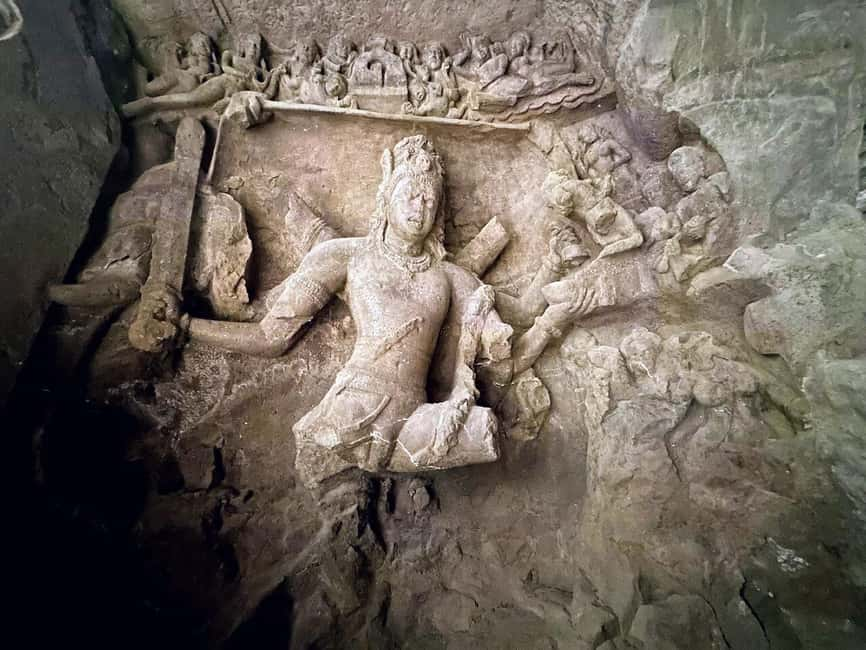
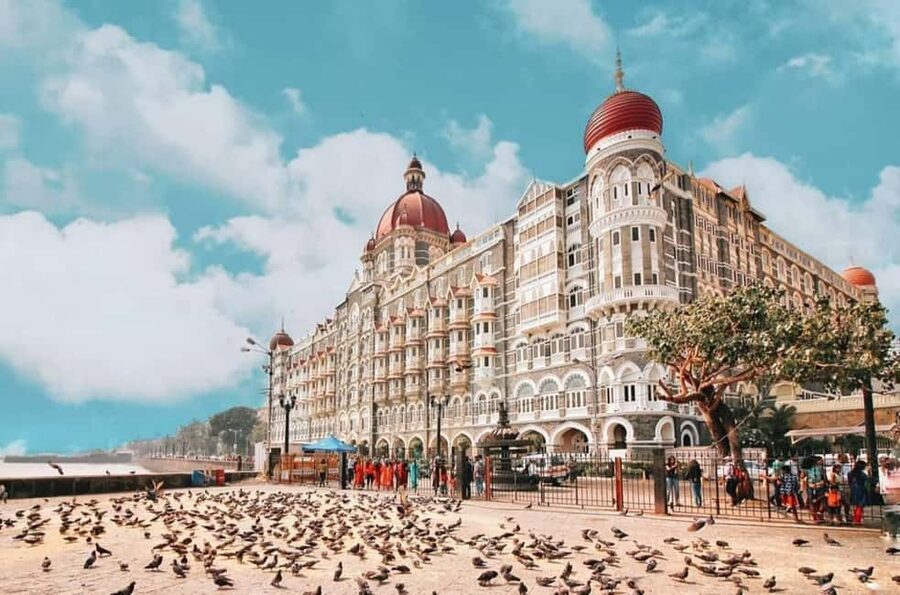
After Gateway, you’ll head through the Colaba heritage zone with a sequence of stops that links business, leisure, and colonial prestige. You’ll see places like the Taj Mahal Palace Hotel and the Royal Bombay Yacht Club, plus walk stretches around Colaba Causeway where the city’s older character still shows.
Why this matters: colonial Mumbai wasn’t only about government buildings. It was also about trade networks, wealth circulation, and the social spaces built for that class. When the guide connects these landmarks to how goods moved and who benefited, the buildings stop being pretty backdrops and start acting like evidence.
You’ll also get story threads tied to the independence movement and the city’s role in it. That kind of context changes how you read the streets. Even if two facades look similar at a glance, the narration helps you notice what each place represented—commerce, authority, or community life.
Photo tip that’s worth your time: if you want clean architectural shots, take a few frames before you hit the busier market streets later. Colaba’s big landmarks give you solid symmetry and lines, and you’ll thank yourself when you compare your images later.
The Private Walk Format: Flexibility, Ferry Time, and a Real Chai Break
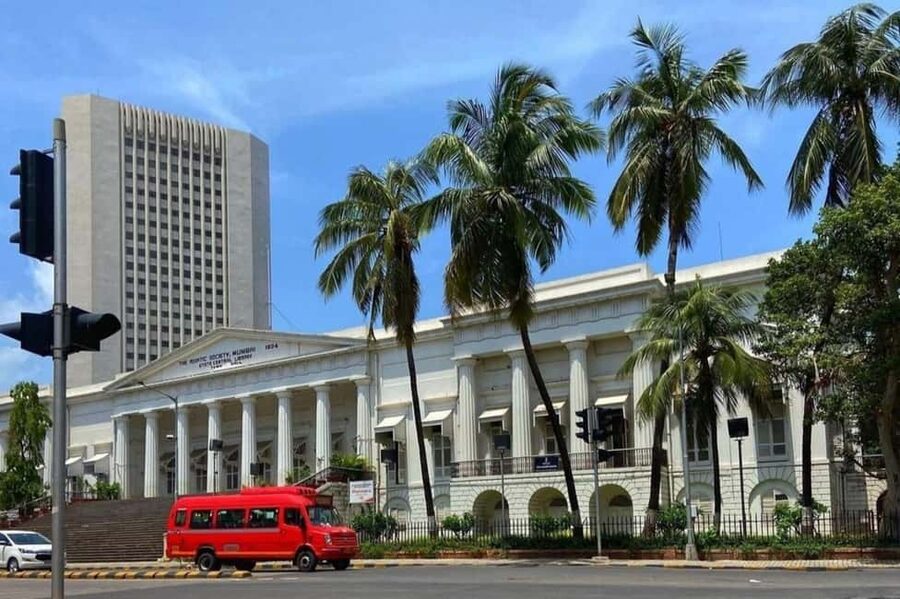
This is built as a private experience, and that affects your whole day. Instead of being herded between stops on a fixed group schedule, you get flexible timing and personalized narration. That makes a big difference if you’re the type who wants one extra minute to ask a question, or if you prefer slower walking for photos.
The walk duration can range from 2.5 to 6 hours, so your plan should include buffer time. With this kind of story-driven route, the best pacing often depends on your interests—architecture vs. street life vs. historical context.
Practically, you also get:
- Pickup and drop-off for your private group
- Bottled water
- Ferry included
- Chai at a local café
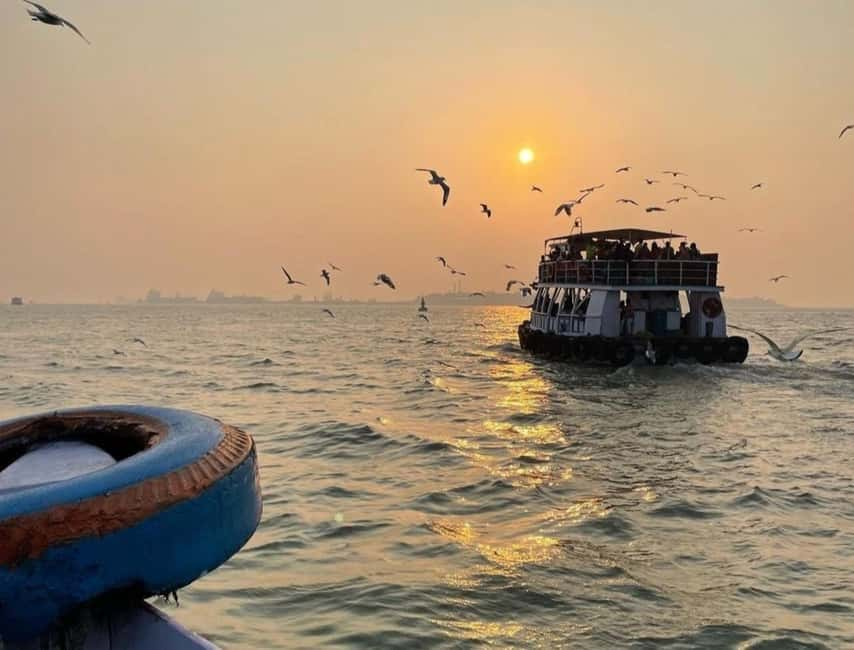
I like these inclusions because they keep the day from turning into a cash-and-time scramble. A ferry ride also breaks the monotony of pure walking and gives you moments to regroup, look back at the coastline, and reset your eyes before you re-enter the street scenes.
One more comfort note: wear comfortable shoes. Even if the group size is small, this is still a walking experience, and you’ll be doing it in real city streets, not museum corridors.
Old Bazaars, Spice-Market Color, and Step Wells in the Same Story
As the walk moves away from the biggest, most famous icons, you’ll shift into older districts where everyday life and history overlap. You’ll visit old bazaars and areas described as spice markets, plus places like ancient step wells.
This is where the tour becomes more than sightseeing. Bazaars are a living link between geography and economy—what gets sold, how it gets moved, and how neighborhoods formed around that flow. When the guide ties the market setting to Mumbai’s transformation over centuries, you start noticing how trade habits leave marks on streets and buildings.
Step wells are especially interesting because they represent infrastructure and survival logic. Even when they’re modest compared to grand colonial architecture, they show how communities handled water and daily needs long before modern city systems.
What to watch for: weather. Mumbai can change fast, and walking days can feel longer when it’s hot and humid or when wind comes off the water. If you can, plan for a light layer you can remove, and take your camera out in short bursts rather than trying to hold it up constantly.
A Secret Parsi Café Moment and Colonial Courtyards You Might Not Expect
One of the strongest parts of this experience is the promise of quieter, less-common spaces—specifically a secret Parsi café and colonial courtyards rarely included in standard tours.
Why courtyards matter: they change the sound level, the light, and even your sense of time. In a city like Mumbai, courtyards can feel like pauses where daily life once unfolded away from the street’s noise. When the guide explains what these spaces were used for, you get a clearer sense of how colonial-era buildings were actually experienced, not just photographed from the outside.
The Parsi café stop also fits the story of Mumbai’s layered communities. You’re not just learning about rulers and ships. You’re meeting a different kind of influence—food culture, community identity, and local social spaces. The included chai turns that into a proper break, not a rushed stop.
That chai stop is small, but it’s smart. It gives you a moment to talk with the guide, ask about what you’ve already seen, and decide what details you want to focus on for the next stretch.
Important practical point: if you’re sensitive to heat, use the café moment to hydrate and cool down. You already have bottled water, but a short sit-down matters more than you think on longer durations.



Marine Drive Ending: From Fishing Villages to Financial Capital
Most city walks finish with a checkmark photo. This one ends at Marine Drive, and the tone changes on purpose. There’s a quiet moment built into the experience, meant for reflection after you’ve walked through centuries of change.
The connection is the key: Marine Drive represents modern Mumbai’s global-facing side, while the stories you heard earlier trace the route from older fishing villages to today’s financial capital. When you connect those dots yourself—through the architecture, the markets, and the courtyards—it feels less like a history lecture and more like an interpretation of how a city grows.
If you want photos here, aim for the angle that includes street movement without losing the sweep of the seafront. And if the light is harsh earlier in the day, this ending area can still give you good contrast because the open space helps your camera handle exposure better.
Price and Value: Why $10 Can Be a Good Deal Here
The listed price is $10 per person, and that price point only makes sense if the inclusions genuinely add value. In this case, they do:
- a professional English-speaking guide
- private pickup and drop-off
- bottled water
- chai at a local café
- a ferry ride
- local taxes included
You’re also getting something you can’t easily buy separately: a storytelling structure that connects the landmarks to transformation over centuries. That’s the main value. Anyone can walk past famous buildings. The guide helps you understand why they mattered and how they shaped the city.
There’s also one clear limitation to keep in mind: Elephanta caves entrance is not included. So if you’re imagining a same-day add-on to Elephanta, you’ll need to plan that separately.
And meals beyond chai aren’t included either. In a 2.5 to 6 hour day, plan your food break so you don’t get stuck hungry at the wrong moment.
Logistics You’ll Feel: Walking Time, Weather, and What to Bring
A heritage walk is a physical plan, not a couch-and-a-bus plan. Since the route is on foot and includes a ferry, you’ll want to be prepared for real urban walking conditions.
Bring:
- comfortable shoes
- a camera
- something to handle varying weather
Even with private timing, you’ll still move through streets, steps, and older built spaces. If you prefer minimal walking, ask yourself honestly if you’re good for a multi-hour stroll. The experience is designed for people who like movement, not just ticking sights.
Also, the meeting point may vary depending on the option booked, so confirm where to meet before you head out. That’s a small detail, but it saves stress when you’re matching the tour timing to your day.
Who This Mumbai Stories Walk Is Best For
This tour fits best if you want more meaning from your photos and street time. It’s especially good for:
- history lovers who like stories connected to real streets
- photographers aiming to capture colonial architecture plus everyday market scenes
- culture enthusiasts who enjoy community details, not only major monuments
- people who want a private guide who can keep the narration personal
It’s also a solid choice if you’re spending a short time in South Mumbai and want a compact route that still covers major themes: colonial power, trade, independence-era context, market life, and the modern city ending at Marine Drive.
Should You Book This Mumbai Heritage Walk with Hidden Tales?
I’d book it if you want a story-first Mumbai walk that mixes landmark architecture with market districts, a café pause, and a ferry segment. The $10 price is low for what’s included, and the private format helps you get more out of the time you spend outside.
I’d think twice if you know you’ll be unhappy with heavy walking or if you’re extremely sensitive to schedule issues. Since the day depends on guide pacing, your experience can swing if something goes off-track.
If you do book, go with the right mindset: come for the city’s transformation, stay patient for the transitions between icons and lesser-known corners, and let the guide connect the dots. That’s where this walk earns its value.
FAQ
Where does the tour start?
The meeting point may vary depending on the option you book.
How long is the tour?
The duration is listed as 2.5 to 6 hours.
Is this a private tour?
Yes, a private group option is available.
What’s included in the price?
It includes a professional English-speaking guide, private pickup and drop-off, local taxes, bottled water, chai at a local café, and a ferry.
Is Elephanta caves included?
No. Elephanta caves entrance is not included.
What meals are included?
Only chai is included. Meals other than chai are not included.
What language is the tour guide?
The tour guide is English-speaking.
What should I wear?
Wear comfortable shoes for walking.
Is cancellation possible if plans change?
There is free cancellation up to 24 hours in advance for a full refund.
Is ticket-line help included?
The activity notes include skip the ticket line, and the itinerary includes a ferry ride.