REVIEW · KATHMANDU
“Explore Kathmandu Rich Heritage: City Highlights Bus Tour”
Book on GetYourGuide →Operated by Anjil Manjil Travels and Tours · Bookable on GetYourGuide
Kathmandu teaches itself fast on wheels. This day trip links together major Kathmandu Valley sites like Swayambhunath and Pashupatinath with convenient pickup from Thamel, so you can get big sights without stitching together tickets and rides yourself. You spend about 6 hours rolling through the Bagmati Zone with a driver (English and Hindi), hitting temple complexes, stupa culture, and a palace-square walk in one circuit.
I like the World Heritage variety more than a normal “one-temple” plan. You’ll see multiple religions side-by-side—Hindu temples, Buddhist stupa worship, and royal-era courtyards—so your brain actually starts making sense of Kathmandu faster. I also like the value: for around $10 per person, you get round-trip transfers on a sharing bus and a day that feels local, not staged.
One thing to plan for: some temple areas can restrict entry to Hindus only. Even if that happens, you can still usually see a lot from permitted areas, but you may not get full access everywhere.
In This Review
- Key Points You’ll Care About
- Meeting in Thamel: Simple Logistics That Set the Tone
- A Shared-Bus Day Trip That Actually Works for First-Time Kathmandu
- What to bring
- Swayambhunath Temple Complex: Views First, Then Sacred Details
- Pashupatinath Temple: River Views and Hindu Temple Gravity
- Boudhanath Stupa: A Slow Rhythm in the Middle of a Busy Day
- Kathmandu Durbar Square: Courtyards, Photos, and a Built-In Shopping Break
- Budhanilkantha: A Cooler Change of Pace
- Price and Time: Is $10 Really Worth It?
- What Might Go Sideways (and How to Handle It)
- Who This Tour Fits Best
- Should You Book This Shared Heritage Bus Tour?
- FAQ
- What time does the tour start?
- How long is the tour?
- Where does the tour pick up in Kathmandu?
- Which UNESCO World Heritage sites does the tour visit?
- Does the tour include meals?
- What language will the driver use?
- Is transportation included?
- Is there a private group option?
Key Points You’ll Care About
- Five major Kathmandu Valley stops in one shared-bus day, keeping costs low
- Thamel pickup and return near Hotel Malla, making it easy to base yourself in the tourist core
- Temple rules can limit entry for non-Hindus, even when viewpoints are still excellent
- Shorter visit windows mean you’ll move with the group instead of lingering
- A basic sharing bus gives you the local vibe, but expect simple comfort
- Durbar Square includes a photo-and-shopping window to break up temple time
Meeting in Thamel: Simple Logistics That Set the Tone
Most people start their Kathmandu days in Thamel, and this tour is designed for that. You’re asked to meet at 11:00 am opposite of Hotel Malla’s main entrance gate across the road in Thamel. The practical tip is to arrive early—your pickup window is 9:50–10:20 am—because the whole day depends on being ready when the bus comes.
This tour uses a basic local sharing bus, and the driver is the main point of contact. That matters because it shapes the style of the day: you’re not getting a polished, stop-by-stop script every single time. You will get taken from place to place with minimal long stops, but you should expect directions and context to be brief and practical rather than museum-class narration.
Also note the pickup options. The tour can offer multiple pickup points (including places like Sorhakhutte and Barahi Chouk, plus the Malla Hotel), but if you want the easiest “find the bus” setup, Thamel across from Hotel Malla is the cleanest reference point. Parking isn’t allowed for the bus where you meet, so count on a quick stop to collect you and then move on.
You can also read our reviews of more tours and experiences in Kathmandu.

A Shared-Bus Day Trip That Actually Works for First-Time Kathmandu
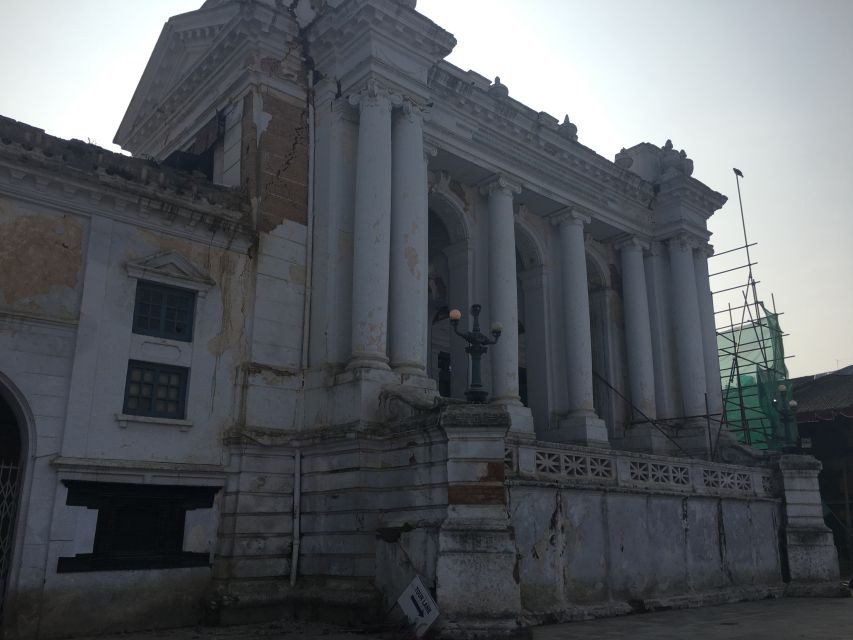
If your Kathmandu time is short, this kind of routing is a smart way to get your bearings. The stops are close enough (in travel-day terms) to fit within about 6 hours, but they’re spread across different kinds of heritage sites. That mix is the real win.
You’ll be traveling as part of a group of other people. That means you’ll go at the pace of the schedule—walk quickly, take your photos, and be back when your driver signals. If you like leisurely wandering for hours without pressure, this won’t feel like that. If you want a tight “see the icons” day plus enough time to enjoy the atmosphere, it’s a good fit.
The bus route is also what you can call locals-on-the-road rather than a private car experience. You’ll feel the rhythm of traffic and movement, and that can be helpful on a first visit. On the downside, shared buses are also where cleanliness can vary. Plan to be flexible and treat the bus as transport, not part of the “comfort experience.”
What to bring
Meals aren’t included, so plan for food the way you normally would in Kathmandu: something quick before you leave, plus water for the day. Temple stops can run hot, and you’ll walk between viewing areas.
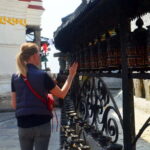
Swayambhunath Temple Complex: Views First, Then Sacred Details
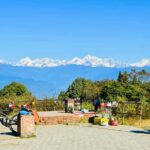
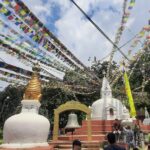
Swayambhunath is one of those Kathmandu sites that makes your first impression land hard. You’re going to be dealing with temple hills, lots of steps, and a crowd that shows you how important this place is for people who come here again and again.
What I love about Swayambhunath in a tour like this is the combo: you get big views and you get to see a temple complex that feels lived in. Even when you’re only there for a relatively short visit window, the location itself does the storytelling. From the higher viewpoints, Kathmandu’s sprawl makes more sense. And the complex’s mix of religious symbolism shows up quickly when you’re walking through.
If you’re someone who cares about photography, this is the kind of stop where you can get a lot done fast—wide-angle city shots, close-ups of religious details, and practical “I know where I am now” geography.
The only real caution is physical: you’ll be climbing and walking. Wear shoes that handle uneven stone and crowded paths, and keep your focus on where you’re stepping.
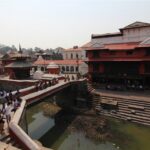
Pashupatinath Temple: River Views and Hindu Temple Gravity
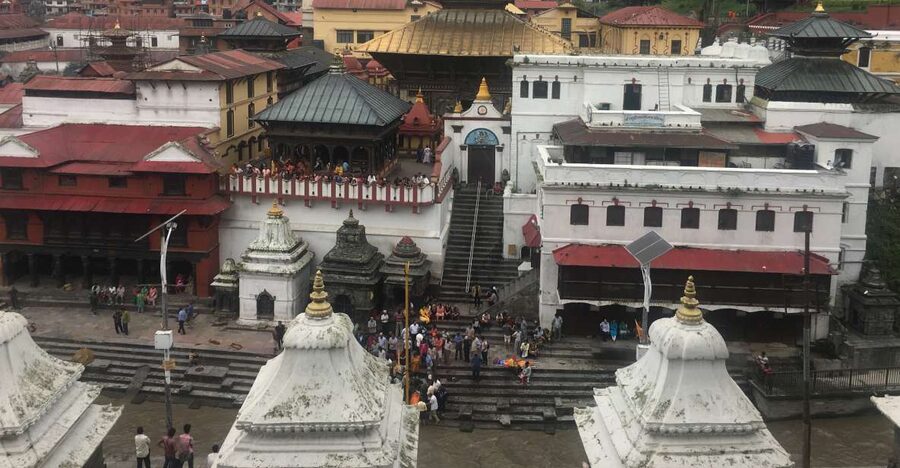
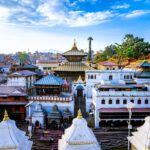
From Swayambhunath, the day turns more Hindu. Pashupatinath is famous for a reason, and on this tour you’ll get a strong sense of the place through your route and viewing opportunities—especially the way the temple area connects to the river setting.
I like Pashupatinath because it gives you a different layer of understanding. Swayambhunath can feel like a panorama of religious tradition. Pashupatinath feels more like a working spiritual center—serious, visually striking, and clearly part of daily life for many people.
Even if entry is limited for you (and sometimes that’s the case in places with Hindu-only signs), you can still get a lot from the allowed viewing areas. That’s an important mindset for this tour: you’re collecting moments and context, not just chasing “tickets to enter every door.”
Dress matters here. Choose clothing that fits temple expectations and keeps you comfortable in the sun and crowds. If you’re unsure, err on the modest side. It’s not about theory—it’s about not getting delayed at a gate or entrance.

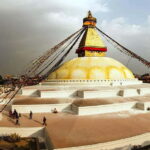
Boudhanath Stupa: A Slow Rhythm in the Middle of a Busy Day
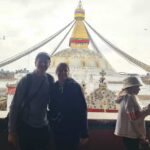
Then the day shifts again into Buddhist culture with Boudhanath Stupa. This stop is especially good for people who want a breathing pause between Hindu architecture and royal courtyards.
Boudhanath works well on a bus tour because it’s a place you can experience even if you don’t have hours and hours. You can stand, look, walk the perimeter where appropriate, and watch people participate in the rituals of the area. It’s not just about the monument—it’s about what surrounds it.
What you’ll like most here is how quickly the mood changes. The stupa area can feel more meditative than other high-traffic Kathmandu spots. Even during a short visit window, you can still sense why pilgrims and regular visitors come back.
Kathmandu Durbar Square: Courtyards, Photos, and a Built-In Shopping Break
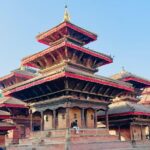
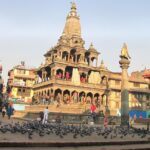
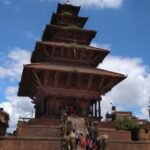
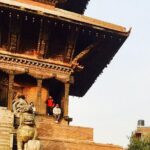
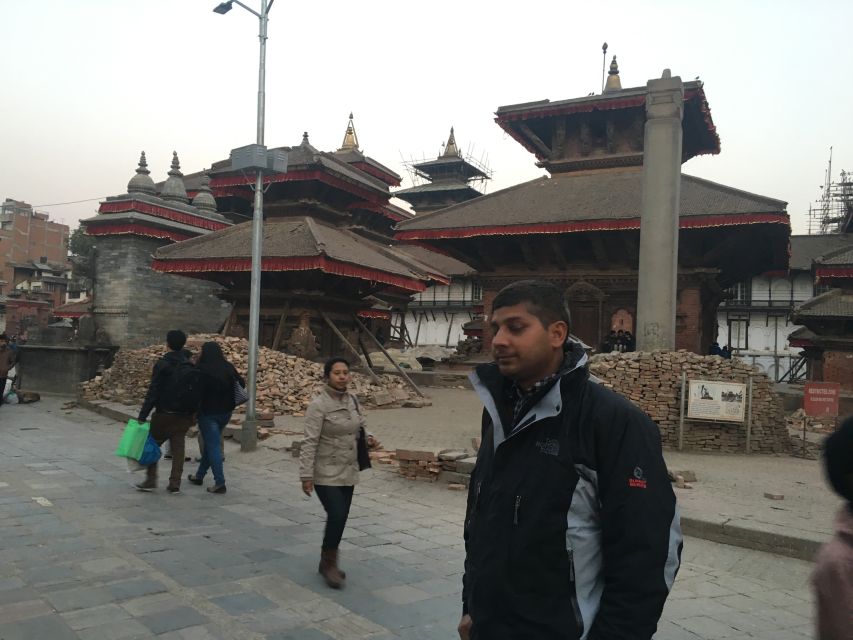
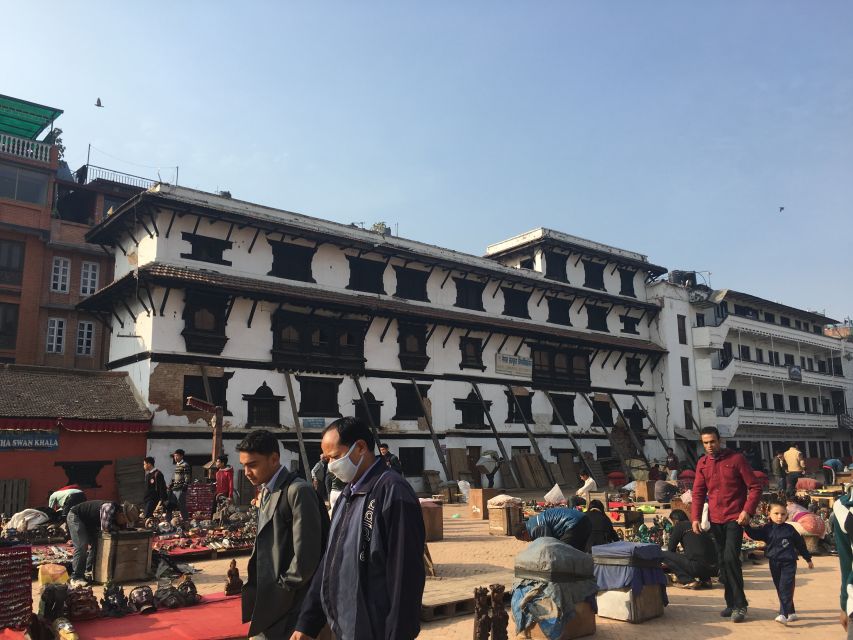
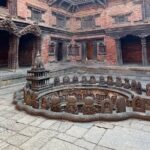
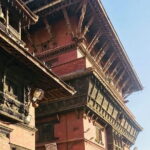
Kathmandu Durbar Square brings in the royal-era architecture layer. This is where you’ll get a more “walk and look” experience, and the tour gives you time to do it.
You get around 1 hour at Durbar Square. That’s enough time for a solid photo circuit and a bit of browsing nearby—especially if you’re interested in small souvenirs and practical purchases that are easier to handle when you’re already in the heart of the action. You also get sightseeing while traveling to and from the area, which helps connect the dots.
The main drawback here isn’t the stop itself; it’s the time pressure. One hour can feel short if you like to read inscriptions carefully or if you want to linger in every courtyard. If you’re the type who loves details, be strategic: pick a couple of “must photo” angles, then enjoy the rest without stress.
Budhanilkantha: A Cooler Change of Pace
Budhanilkantha is the final signature stop on this circuit. It tends to be a helpful contrast after several major temple and stupa moments. While the day is still about heritage and sightseeing, this stop can feel a bit more like a break from the densest foot traffic zones.
The value here is variety. If you’ve been moving between religious sites all morning, Budhanilkantha gives you a different atmosphere to end on—still culturally meaningful, but not repeating the same “temple approach” pattern.
In a shared bus format, the last stop often decides whether your day feels rushed or satisfying. Budhanilkantha can help smooth out that experience because it’s a change in scenery and pace.
Price and Time: Is $10 Really Worth It?
For about $10 per person and roughly 6 hours, this tour is priced like a practical budget day: round-trip transfer on a sharing bus, a group route through major Kathmandu Valley heritage landmarks, and driver support in English and Hindi.
Here’s the real value equation you should use: you’re paying mainly for transportation and structured routing. The experience is not “private guide storytelling all day.” It’s more like, you pay a small amount so you can cover multiple famous stops without needing to arrange everything on your own.
Meals aren’t included, so factor in that extra cost for lunch or snacks. But even with that, the overall package can still feel like a bargain compared with private transfers or multiple single tickets.
Just remember what you’re buying: a schedule. If you like open-ended exploration, a shared bus tour can feel like you’re moving through places rather than settling into them. If you like getting the biggest hits efficiently, this is a strong match.
What Might Go Sideways (and How to Handle It)
This is where you save yourself stress.
Arrival timing matters. You should aim to be at the pickup spot well before 11:00. When you’re early, you avoid the most common start-of-day scramble.
Temple entry rules can affect what you can enter. Some places have signage indicating areas reserved for Hindus. That can reduce what you personally can go inside, even though the viewing experience may still be worthwhile. Bring the right mindset: expect to see and understand, not necessarily enter every site.
Not every day returns perfectly to every expectation. This tour drops you back near Thamel at the end of the day, but the exact return experience can depend on where you started. If your plan is tight, keep your evening flexible.
Bus comfort is basic. It’s a local sharing bus. That can be a plus for atmosphere, but don’t treat it like a high-comfort vehicle.
Who This Tour Fits Best
This one is ideal for:
- First-time Kathmandu visitors who want a fast overview of major heritage sites
- People who enjoy seeing multiple religious landmarks in one day
- Budget-minded travelers who value transportation structure over deep, long stops
- Anyone staying in or near Thamel and wanting easy pickup
It’s less ideal for:
- People who want to spend long, unhurried hours inside each site
- Anyone who needs guaranteed entry into every temple area regardless of religious rules
- Anyone who expects a detailed, stop-by-stop guide briefing every single time
Should You Book This Shared Heritage Bus Tour?
If you want a low-cost, efficient day that hits the headline sites of Kathmandu Valley, I think this is a smart booking. The World Heritage variety plus the simple Thamel pickup makes it easy to start your Kathmandu experience on the right foot. Just go in with realistic expectations: the bus is basic, the day is structured, and some temple access may be limited based on local rules.
If you’re flexible about entry and you’re happy to trade extra time for more places seen, it’s a good way to get your Kathmandu bearings fast—and still leave with memories you can talk about.
FAQ
What time does the tour start?
Pickup is requested around 9:50–10:20 am, with the group coming together for the tour at 11:00 am in Thamel (opposite Hotel Malla’s main entrance gate).
How long is the tour?
The duration is 6 hours in total, for a 1-day experience.
Where does the tour pick up in Kathmandu?
It picks up in and around Thamel, including an official meeting point opposite Hotel Malla’s main gate across the road. There are also multiple pickup options listed for places such as Sorhakhutte and Barahi Chouk.
Which UNESCO World Heritage sites does the tour visit?
The tour focuses on Kathmandu Valley heritage sites, including Swayambhunath, Pashupatinath Temple, Boudhanath Stupa, and Kathmandu Durbar Square.
Does the tour include meals?
No. Meals are not included, and you’d need to purchase food separately.
What language will the driver use?
The driver speaks English and Hindi.
Is transportation included?
Yes. Round-trip transfer is included by a basic local sharing bus, with pickup and drop-off near your meeting area.
Is there a private group option?
Yes, a private group option is available.