REVIEW · KATHMANDU
Kathmandu Guided Day Tour: Explore Top 4 UNESCO Heritage Sites
Book on Viator →Operated by Best Treks and Adventure · Bookable on Viator
Four UNESCO stops in one Kathmandu day. This guided loop gives you Swayambhunath panorama plus Patan’s craft details, with a government-licensed local guide keeping the day readable and meaningful. The only catch is UNESCO site entry fees are extra, so you’ll want to budget for a full, tight schedule.
I like that the logistics are handled: pickup is offered, you travel by air-conditioned vehicle, and you get bottled water during the day. You also get a mobile ticket, so you spend less time hunting for paperwork and more time where it counts.
The day also includes two culture add-ons beyond the main monuments: a Thanka painting school visit and a healing bowl demonstration center. One more thought: Pashupatinath includes sacred Hindu cremation ceremonies, so if that feels too intense for you, plan accordingly.
In This Review
- Key Things You’ll Notice on This Kathmandu UNESCO Day
- How a 5–7 Hour UNESCO Loop Keeps Kathmandu Doable
- Swayambhunath (Monkey Temple): Views First, Then Details
- Patan Durbar Square: Where Craft Work Is the Main Character
- Pashupatinath Temple and the Bagmati River: Spiritual Ritual in Real Time
- Boudhanath Stupa: Giant Dome, Kora Walk, and Buddhist Rhythm
- The Extra Culture Stops: Thanka and Healing Bowl Demonstrations
- Price and Value: What $55 Really Buys (and What Costs Extra)
- Pacing Tips for a Packed Day (So You Don’t Feel Rushed)
- Who This Tour Fits Best
- Should You Book This Kathmandu UNESCO Day Tour?
- FAQ
- What sites are included in the Kathmandu UNESCO day tour?
- How long does the tour take?
- Is pickup from your hotel included?
- Are UNESCO entrance fees included in the price?
- Is lunch included?
- What’s included besides the guide and transportation?
- Is this a private tour?
Key Things You’ll Notice on This Kathmandu UNESCO Day
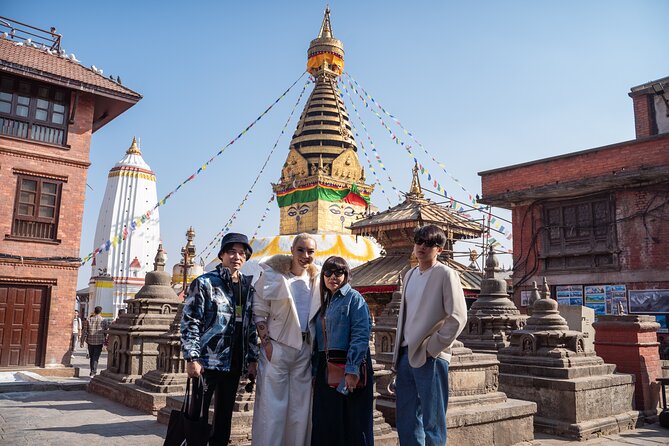
- Swayambhunath’s 360-degree viewpoint with temple life and prayer wheels in the mix
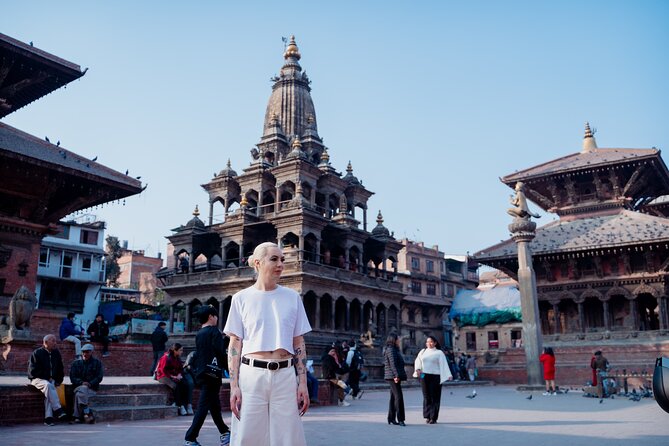
- Patan Durbar Square’s craft focus, including the Krishna Temple area
- Pashupatinath beside the Bagmati River, where cremation ceremonies are part of the sacred rhythm
- Boudhanath’s giant stupa and Kora walk, a strong Buddhist ritual experience
- Two cultural stops: Thanka painting school plus a healing bowl demonstration center
- Licensed guide time, including guides like Prakash, who explains history and culture with care
How a 5–7 Hour UNESCO Loop Keeps Kathmandu Doable
This tour is built for real time limits. With roughly 5 to 7 hours, you get four UNESCO sites in one day without turning your Kathmandu trip into a transportation marathon. The smart part is that you’re not just moving between landmarks—you’re also getting context from a government license holder guide, which makes the sites easier to understand quickly.
You’ll also travel in an air-conditioned vehicle, and bottled water is included (1000 ml per person). Those two details sound small until you’re sweating your way up a hill or waiting at a busy junction.
It’s also set up as a private tour/activity, meaning only your group participates. That matters because UNESCO sites can be chaotic. A private setting helps you keep your bearings, ask questions, and move at a pace that fits your group.
You can also read our reviews of more tours and experiences in Kathmandu.
Swayambhunath (Monkey Temple): Views First, Then Details
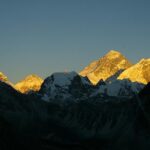
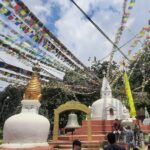
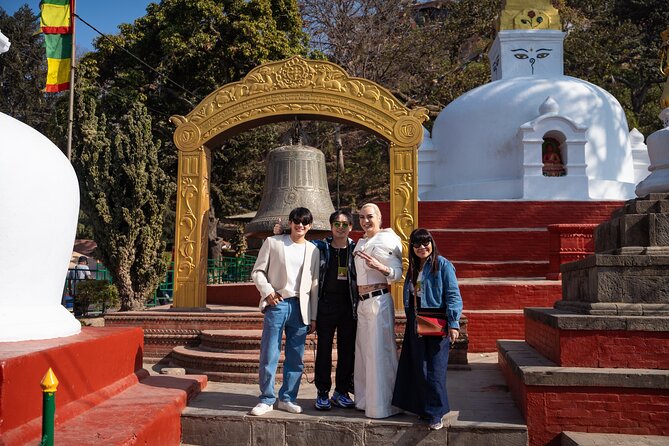
Swayambhunath, often called the Monkey Temple, sits on a hilltop with major viewpoint energy. The big payoff here is the 360-degree view of Kathmandu Valley and parts of the Himalaya. Even if you’ve seen photos, the scale feels different in person—because you’re looking across living neighborhoods, not just a postcard.
You also get the temple’s personality: playful monkeys and prayer wheels. The prayer wheels aren’t just decoration. They add movement and sound to the space, so the visit feels active rather than museum-quiet.
What to love
- The hilltop viewpoint gives you fast orientation for the rest of the day
- The prayer wheels and temple activity make the visit feel lived-in
What to consider
- Because Swayambhunath is a viewpoint and a temple, you’ll likely spend part of your time watching your footing and navigating crowds. The tour keeps it to about an hour here, so it’s more “hit the highlights” than “stay forever.”
Patan Durbar Square: Where Craft Work Is the Main Character
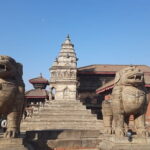
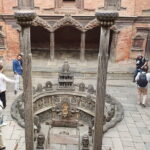
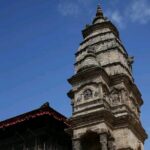
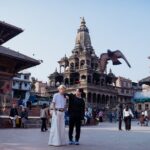
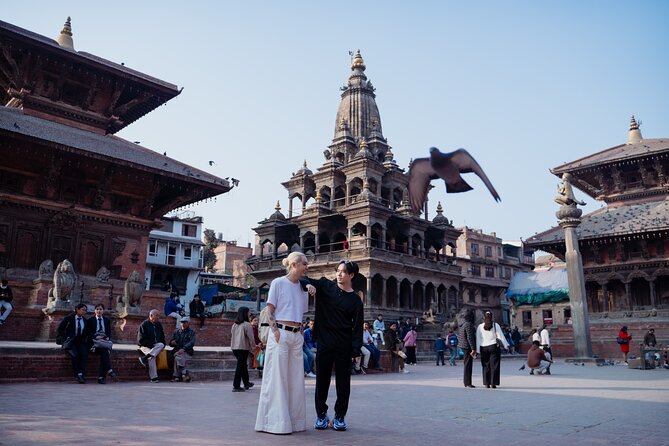
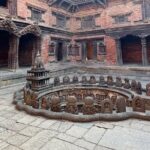
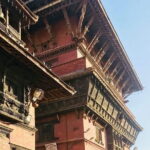
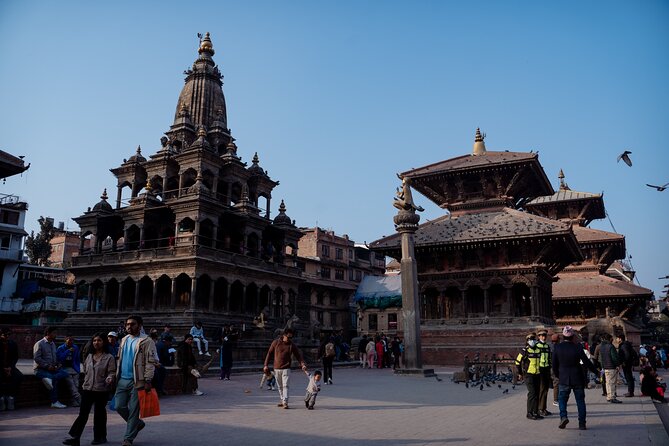
Patan Durbar Square is where the day shifts from big views to human hands. Patan is the city, and Durbar refers to the royal palace zone in Nepali. In practice, that means a cluster of monuments and temples packed into a walkable area.
The standout is the Krishna Temple, plus the craftsmanship that surrounds it. This is one of those stops where a guide makes a big difference. You’ll spend about two hours in Patan, which is long enough to slow down and actually notice details in metalwork and wood carvings instead of rushing through for photos.
What to love
- The focus on craftsmanship: you see how traditional skill stays visible in daily religious architecture
- The extra time (about two hours) helps you absorb the details at a calmer pace
What to consider
- Patan is dense. If your group likes fewer stops with more time each, you may feel the day is still moving. That’s the trade for squeezing four UNESCO sites into one outing.
Pashupatinath Temple and the Bagmati River: Spiritual Ritual in Real Time
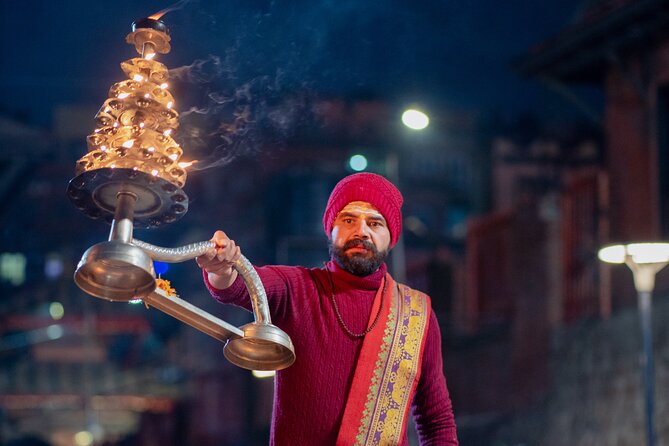
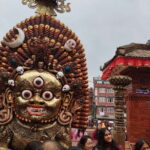
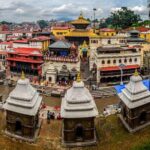
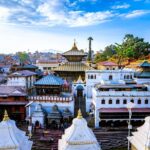
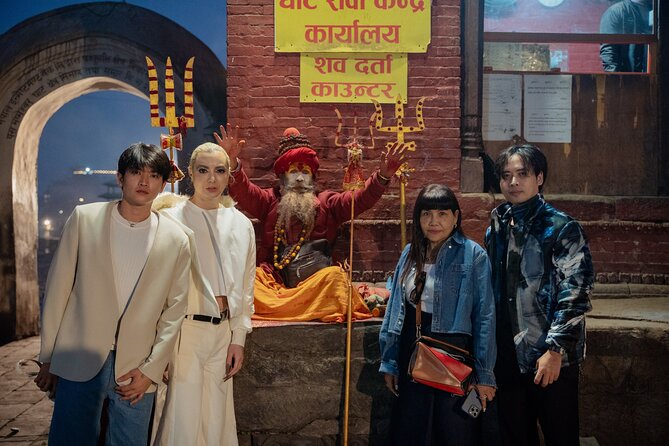
Pashupatinath is one of Nepal’s most important Hindu temples, and it has a strong reason for that reputation. The site sits by the Bagmati River, and sacred Hindu cremation ceremonies take place along the riverfront.
This is not the kind of sight you treat like a photo stop. The value is in seeing the ritual setting as part of the religious landscape—its flow, its rules, and the solemn atmosphere around it. The tour keeps this visit to about an hour, so you get exposure without being stuck too long in one intense moment.
What to love
- The real spiritual context: the ceremonies are part of how the place functions
- The Bagmati River setting ties everything together into one powerful scene
What to consider
- If cremation ceremonies feel uncomfortable or distressing for you, this stop is the one to think about most carefully. Even with a guide and a time limit, the subject matter is real.
Boudhanath Stupa: Giant Dome, Kora Walk, and Buddhist Rhythm
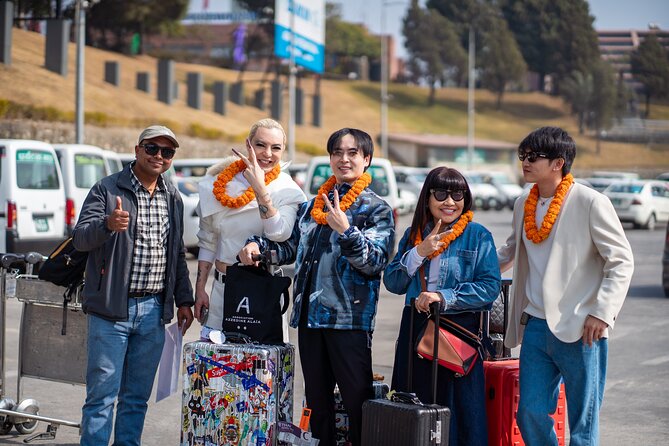
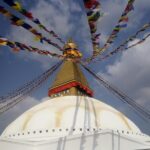
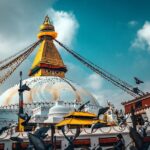
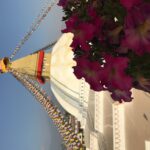
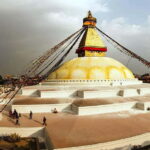
Boudhanath Stupa is a major Buddhist site in Kathmandu Valley, famous for its massive dome and for being one of the largest Buddhist stupa spaces in the country. The atmosphere here has a different tone than the Hindu sites: it’s steadier, more ritual-paced.
You’ll focus on two things: the stupa itself and the Kora walk. Kora is the ritual walk around the stupa, done by devotees as a form of meditation and devotion. Walking the outer path shifts your perspective—you’re not just looking at the structure. You’re moving through the ritual space as others perform their routine.
What to love
- The meditative rhythm of the Kora walk around a giant stupa
- The sense of Buddhist practice that you can feel just by being there
What to consider
- This is typically a popular place, so expect some crowd flow. The stop is about an hour, which is enough time to experience the main ritual without turning it into a long wait.

The Extra Culture Stops: Thanka and Healing Bowl Demonstrations
This tour doesn’t end at UNESCO gates. Included are a Thanka (traditional art) painting school visit and a healing bowl demonstration center visit. These stops help you connect the dots between the sites and living Nepalese culture.
At the Thanka school, you’re seeing how religious art is made in a structured, traditional way. At the healing bowl center, you get a demonstration linked to sound and wellness practices. Even if you’re unsure how you feel about the healing claims, the demonstration format makes it easy to understand what people believe and why it matters to them.
These add-ons are also a practical bonus: they break up the day so you’re not just switching between stone monuments and crowded viewpoints.
Price and Value: What $55 Really Buys (and What Costs Extra)
The base price is $55.00 per person, and that’s where the math starts to matter.
Included basics that move the needle:
- pickup offered and an air-conditioned vehicle
- a government license holder tour guide
- bottled water (1000 ml per person)
- Thanka painting school visit
- healing bowl demonstration center visit
- mobile ticket
Costs to budget for:
- UNESCO entrance fees are listed as not included, around USD 20 or NPR 2600 per person
- tips to guide and driver are expected (not included)
So the real value equation becomes: you’re paying for guided time, transport, and cultural add-ons, and then you pay separately for UNESCO entry. If you were to self-plan everything, you’d likely spend more time coordinating transport, finding tickets, and figuring out what matters most at each stop.
Also, the UNESCO fee note is important. Some stop notes say admission tickets are included, but the overall tour clearly states UNESCO entrance fees are not included. Before you go, confirm what your group will pay for UNESCO entries so there are no surprises.
Pacing Tips for a Packed Day (So You Don’t Feel Rushed)
This is a highlight route. That’s great if you only have one day in Kathmandu Valley. It’s less great if you want slow wandering.
A few practical ways to keep the day smooth:
- Wear comfortable walking shoes. The sites involve exploring on-site, and you’ll be on foot between stops.
- Keep your questions ready. A guide like Prakash (mentioned in past group experiences) is especially good at explaining how Nepalese history and culture connect to what you see.
- Plan your mindset for intensity at Pashupatinath. It’s sacred and ritual-based, not just sightseeing.
If your group includes people who tire easily, the private setup helps. You can keep the pace realistic instead of trying to keep up with strangers.
Who This Tour Fits Best
This is a strong fit if:
- you want four major UNESCO sites in one day without handling logistics yourself
- you like guided context, not just photos
- your travel style is “see the main things well” rather than “linger forever”
- you want a blend of Hindu and Buddhist sacred sites, plus living cultural stops like Thanka art
It might not be the best fit if:
- you’re sensitive to witnessing cremation ceremonies at Pashupatinath
- you strongly prefer unstructured time at fewer sites
Should You Book This Kathmandu UNESCO Day Tour?
I’d book it if you want a well-structured Kathmandu Valley sampler with a licensed guide and real cultural add-ons. The value comes from what’s bundled into the price—transport, guided interpretation, and the Thanka and healing bowl visits—plus the fact that you can cover major UNESCO highlights within about 5 to 7 hours.
Book with clear expectations: UNESCO entrance fees are an extra line item, and Pashupatinath is emotionally and spiritually serious. If that works for you, this tour is an efficient way to see why Kathmandu’s sacred sites are famous worldwide.
FAQ
What sites are included in the Kathmandu UNESCO day tour?
The tour focuses on four UNESCO heritage sites in Kathmandu Valley: Swayambhunath, Patan Durbar Square, Pashupatinath, and Boudhanath Stupa.
How long does the tour take?
The duration is listed as approximately 5 to 7 hours.
Is pickup from your hotel included?
Pickup is offered as part of the tour.
Are UNESCO entrance fees included in the price?
No. UNESCO World Heritage Site entrance fees are not included. The tour lists them as about USD 20 or NPR 2600 per person.
Is lunch included?
Lunch and other foods or drinks are not included.
What’s included besides the guide and transportation?
Included are an air-conditioned vehicle, a government licensed tour guide, a Thanka painting school visit, a healing bowl demonstration center visit, and bottled water (1000 ml per person).
Is this a private tour?
Yes. It’s described as private, meaning only your group will participate.