REVIEW · KATHMANDU
Kathmandu: Private UNESCO World Heritage Site Tour
Book on GetYourGuide →Operated by Outshine Adventure Pvt Ltd · Bookable on GetYourGuide
One day, four big sacred hits in Kathmandu. That’s what makes this private UNESCO tour click: you move through the city with a guide who helps the sites make sense, from the Monkey Temple to Pashupatinath. I like the hotel pickup and private transport setup, and I also like that you get hands-on guided context as you walk and look.
What I’d call my two favorite parts are practical and repeatable. First, the day is built around major landmarks in the Kathmandu Valley—Kathmandu Durbar Square, Boudhanath Stupa, Swayambhunath Stupa, and Pashupatinath—so you don’t waste time hunting your way around. Second, the tour has a track record of strong guiding, with praised names like Ramesh, Rajendra Manandhar, Niraj, and Binh, and that usually shows up as clear explanations you can actually use while you’re standing in front of carvings and rituals.
One thing to keep in mind: monument entrance fees and meals aren’t included, so you’ll want to budget a bit extra and plan food stops on your own. Also, you’ll do real walking at multiple stops, so comfortable shoes matter.
In This Review
- Key Things That Make This Kathmandu UNESCO Tour Worth Your Time
- Why This 1-Day UNESCO Loop Works in Kathmandu Valley
- Pickup, Timing, and What to Bring Before You Head Out
- Swayambhunath Temple (Monkey Temple): The View and the Legend
- Kathmandu Valley Time: When the City Becomes the Exhibit
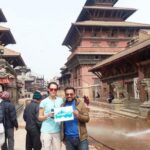
- Kathmandu Durbar Square: Temples Dating Back Centuries
- Boudhanath Stupa: Largest in South Asia, and You’ll Feel the Scale
- Pashupatinath Temple: One of Nepal’s Most Sacred Hindu Centers
- The Private Transportation Advantage (Especially in Kathmandu Traffic)
- Price and Value: What $50 Buys You for a Full Day
- Who This Tour Suits Best (And Who Should Think Twice)
- Should You Book the Kathmandu Private UNESCO Tour?
- FAQ
- What UNESCO sites are included on this Kathmandu tour?
- How long is the tour?
- What is the price per person?
- Is pickup and drop-off included?
- What language is the live tour guide?
- How much walking should I expect?
- Are meals included in the price?
- Are entrance fees included for the monuments?
- What should I bring for the tour?
- Can I cancel for a refund?
Key Things That Make This Kathmandu UNESCO Tour Worth Your Time
- A tight one-day route focused on four UNESCO World Heritage highlights in the Kathmandu Valley
- Guided temple and stupa time (not just photo stops), with explanations of cultural and religious meaning
- Swayambhunath’s Monkey Temple factor, where you can literally watch the place’s reputation in action
- Boudhanath’s scale—it’s described as the largest stupa in South Asia, and you’ll see it up close
- Private transportation plus hotel pickup/drop-off, including options around Paknajol Marg and Thamel/Outshine Adventure
Why This 1-Day UNESCO Loop Works in Kathmandu Valley
Kathmandu’s best moments often come in layers. You’re looking at stonework, then someone points out the symbolism, then you notice how people use the place day after day. This tour is designed for that rhythm. You start after breakfast, get picked up, then spend the day moving between the big named sites that define the Kathmandu Valley’s art and religious life.
The route matters because each stop has a different “feel.” Kathmandu Durbar Square is about historical royal-era architecture and temple compounds. Swayambhunath and Boudhanath shift you into stupa-world—circling, seeing eyes-on-the-horizon details, and getting that constant sense of devotion. Pashupatinath shifts everything again, into one of Nepal’s most important Hindu temple centers.
And because it’s private, you’re not stuck with the usual compromises of joining a random group. You can take your time during guided portions and move at a pace that fits your attention span—especially useful if you like asking questions. The guiding style seems to be a big reason people rate this so highly, and you’ll feel that when explanations land right where you’re looking.
You can also read our reviews of more tours and experiences in Kathmandu.
Pickup, Timing, and What to Bring Before You Head Out
This is a one-day tour with hotel pickup and drop-off in Kathmandu. Pickup options include Kathmandu (Paknajol Marg) and Outshine Adventure, Thamel, and drop-off uses the same two locations. That’s helpful if you’re not staying directly in the tour hub.
You’ll need passport or an ID card. That’s not glamorous, but it’s the kind of small detail that prevents annoying last-minute delays.
In terms of pace, the walking is built into the schedule: about 2 hours at Swayambhunath, 6 hours covering the Kathmandu Valley (including multiple viewing and walk segments), 2 hours at Kathmandu Durbar Square, 1 hour of free time at Boudha Stupa, and 2 hours at Pashupatinath with a mix of guided time and free time. Translation: this isn’t a sit-and-stare tour. You’ll want comfortable shoes and a mind set for heat and steps.
Swayambhunath Temple (Monkey Temple): The View and the Legend
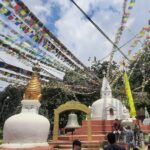
Swayambhunath is one of the places you feel immediately, even before you understand it. This stop is scheduled for a guided tour plus sightseeing and walking for about 2 hours. The tour also specifically calls out the story behind the nickname Monkey Temple, so you’re not just visiting a stupa—you’re visiting a stupa with a living reputation.
What makes Swayambhunath a strong start is the combination of viewpoint energy and symbolism. A stupa here isn’t only an object; it’s part of how people orient themselves spiritually and physically in the city. With a guide explaining significance as you go, you’ll likely notice more than you would alone—especially details that connect the stupa to broader Kathmandu Valley religious life.
Practical reality: you’ll be walking, and this is a place where monkeys are part of the scene. Keep your phone and small items secure and be ready for people around you to move with purpose. If you don’t want wildlife surprises, this still tends to be manageable; it’s more about awareness than fear.
Kathmandu Valley Time: When the City Becomes the Exhibit
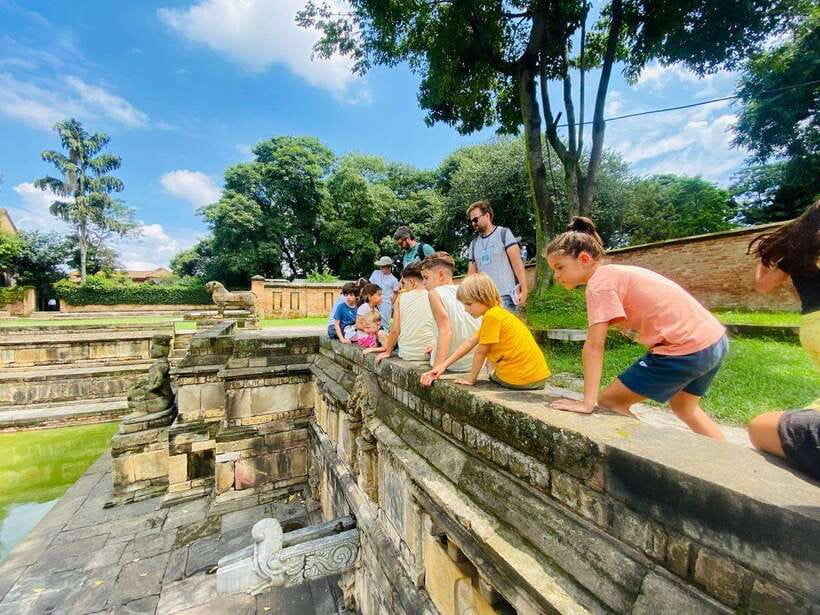
After your Swayambhunath portion, you get a larger Kathmandu Valley block. This segment is described as Kathmandu Valley (about 6 hours) with visit, guided tour, sightseeing, and walking. This is where the tour’s value goes beyond ticking boxes.
Why? Because the Kathmandu Valley sites don’t exist in isolation. Your guide can connect how art, religion, and city layout influence each other. You’re also moving through the city, so you’re getting context about everyday Kathmandu life—streets, squares, and the general flow of movement that shapes how these landmarks are experienced.
Also, the private car element helps here. Tight traffic and narrow roads can be stressful on a bad day. A private driver means you’re not stopping every few minutes to figure out routes. One reviewer even called out the comfort of an air-conditioned car as a blessing, which is exactly the kind of practical comfort that makes a long day feel doable.
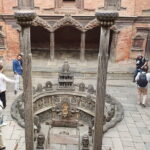
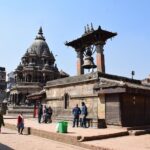
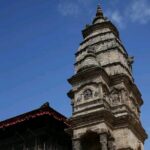
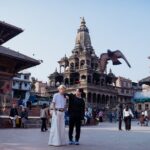
Kathmandu Durbar Square: Temples Dating Back Centuries
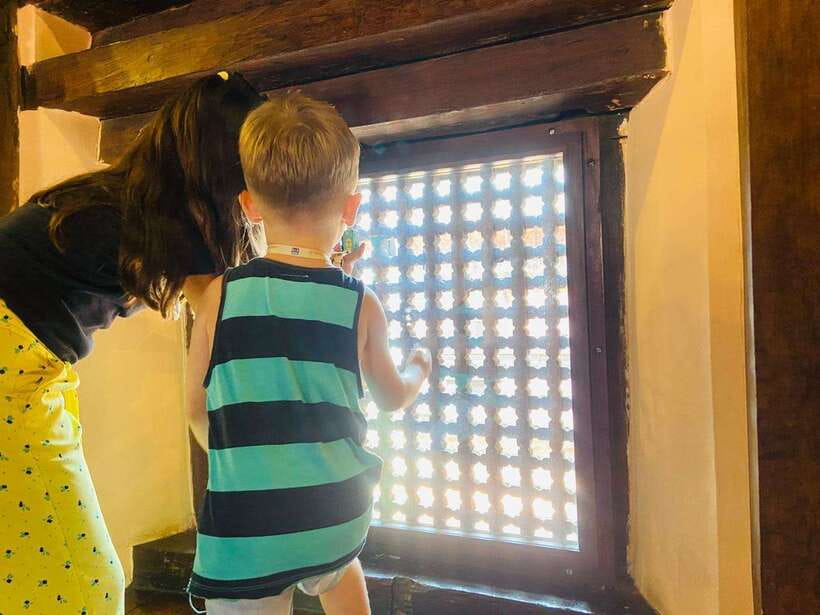
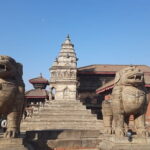
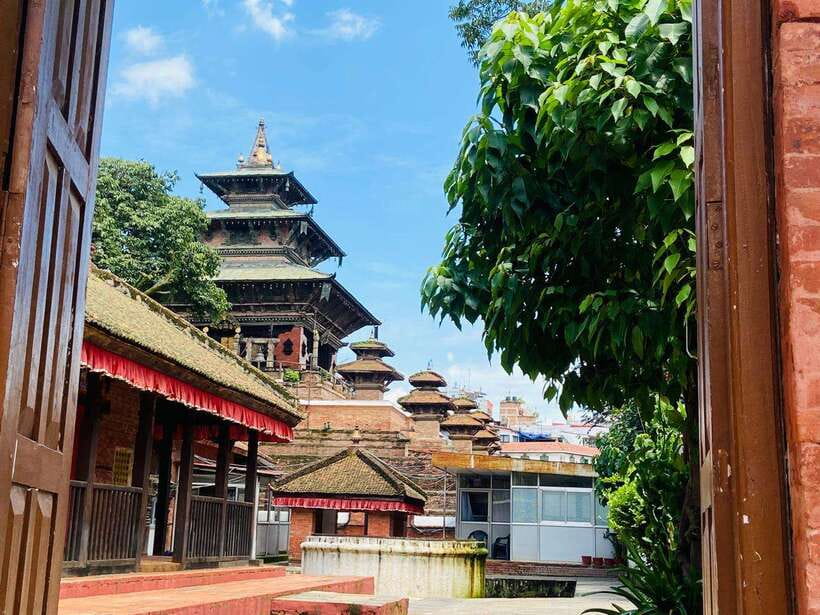
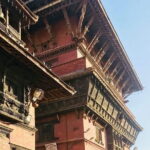
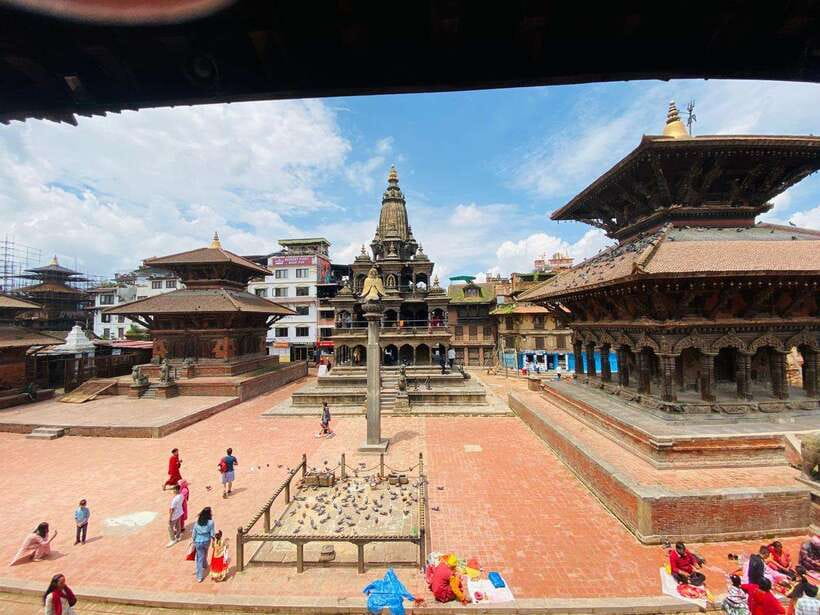
Kathmandu Durbar Square gets about 2 hours on the schedule, with guided touring and sightseeing. The highlight detail in the tour description is that you can admire temples dating back as far as the third century.
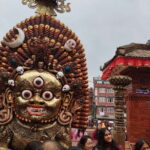
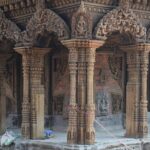
That’s a big claim—and you can feel it when you slow down. Durbar Square isn’t one building; it’s an architectural story told through temple compounds, stonework, and the way the space is used. With guidance, you’ll get help reading what you’re seeing instead of just admiring it.
A key benefit: this is a place where you’ll naturally understand why people call Kathmandu the city of temples. You’re surrounded by carved details and layered religious structures in a concentrated area. If you’re the type who likes architecture and religious art, Durbar Square is where you’ll probably spend time looking down as much as looking up.
Possible drawback: Durbar Square can feel busy in the sense of constant movement around you. That’s not “bad,” but it does mean you’ll want to stick with your guide so you don’t lose time when it’s crowded.

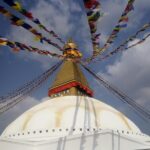
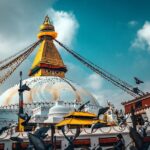
Boudhanath Stupa: Largest in South Asia, and You’ll Feel the Scale
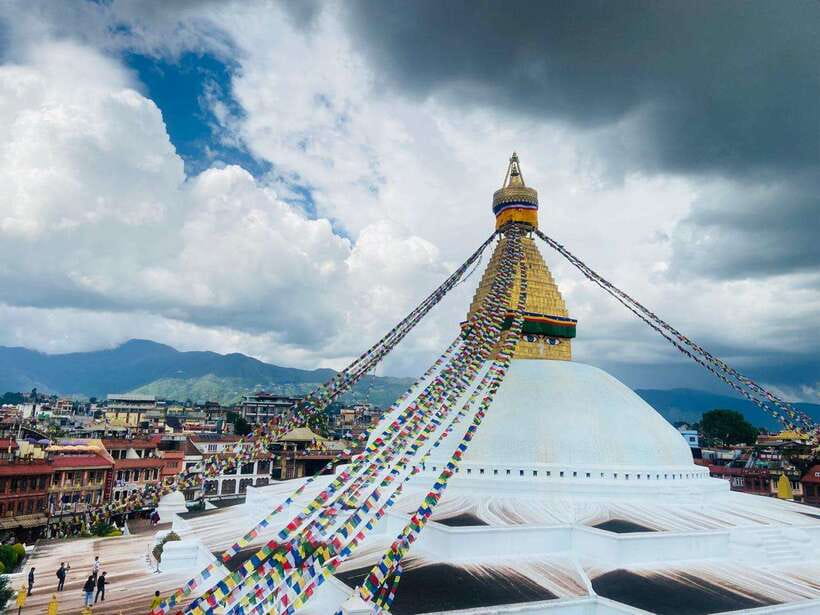
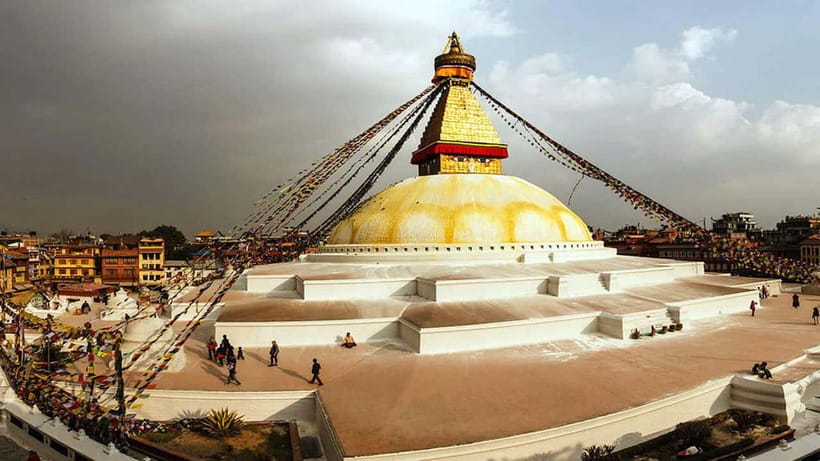
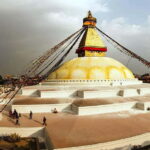
Boudhanath Stupa is scheduled with guided tour and about 1 hour of free time, plus sightseeing and walking. The tour description calls it the largest stupa in South Asia, and standing there is the kind of “okay, wow” moment you can’t really replicate in photos.
This stop matters for a different reason than Durbar Square. At Boudhanath, the stupa acts like a center of gravity. People come, they circle, they pause, they watch. If your guide is doing their job, you’ll learn what the place means and why the stupa’s form matters.
The guided portion helps you avoid the common mistake of treating it like an object. Instead, it becomes a living focal point. Then your free time gives you room to experience it without being pulled forward too fast—use that time to circle slowly, watch the line of people, and look at the details that emerge when you stop rushing.
Pashupatinath Temple: One of Nepal’s Most Sacred Hindu Centers
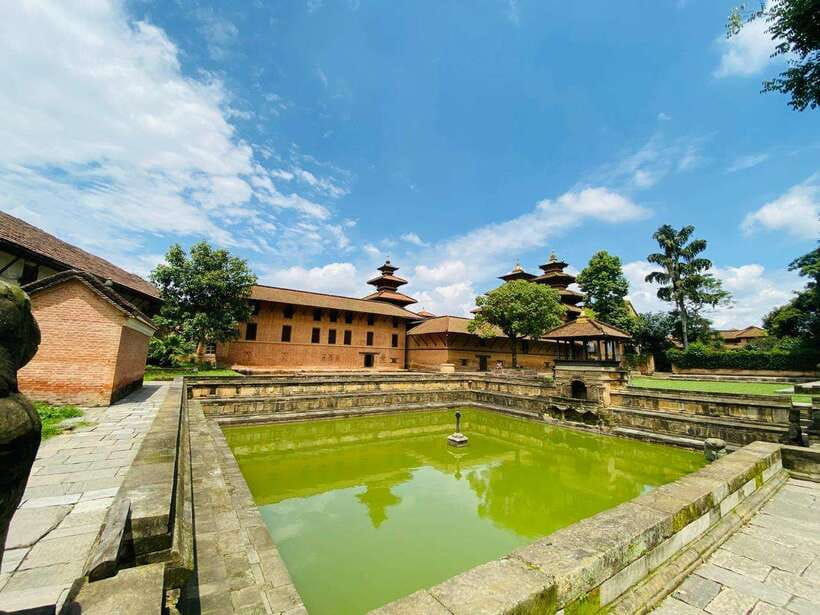
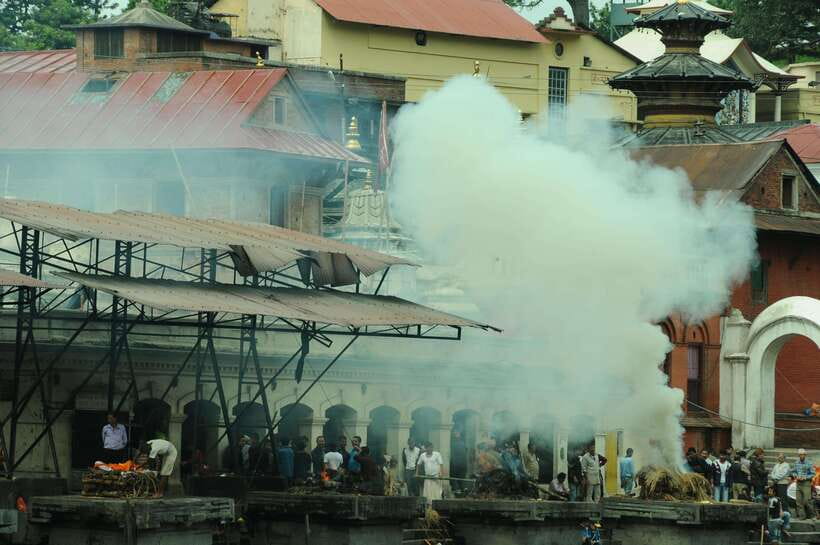
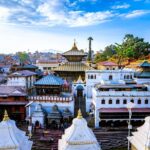
Pashupatinath is scheduled last, with guided tour, free time, sightseeing, and walking for about 2 hours. It’s described as one of Nepal’s most sacred Hindu temples, and it’s the kind of place where your guide’s explanations can change how you experience it.
This isn’t a “learn the facts and leave” stop. It’s more like: you arrive, you see how the space works, then the meaning gets filled in. Pashupatinath is tied to Nepal’s religious heartbeat, and the tour is set up so you get both interpretation and time to simply observe.
One caution: this is still a temple zone, so you’ll want to follow your guide’s lead on where to stand and how to move. Also, because the tour packs major sites into a single day, you might feel mentally “full” by the time you get here—so remind yourself to slow down during the guided portion and save your wandering for your free time.
The Private Transportation Advantage (Especially in Kathmandu Traffic)
This tour includes private transportation, and that’s not a small detail. Kathmandu roads can be unpredictable, and the best days feel like they’re built on smooth transitions between stops.
Having a private car means:
- you’re not negotiating group logistics
- you’re not losing time re-checking routes
- your guide can keep the day coherent
Even small comfort factors can add up. One review mentioned the air-conditioned car as a blessing during the day. Another noted punctuality and driver skill navigating tight traffic. Those aren’t “extras.” They’re part of what makes a one-day UNESCO tour feel relaxed rather than frantic.
Price and Value: What $50 Buys You for a Full Day
At $50 per person for a 1-day private tour, you’re paying for more than transportation and a driver. You’re paying for:
- an expert guide who explains the significance of what you’re seeing
- hotel pickup and drop-off
- private transportation
- all taxes included
Entrance fees and meals aren’t included, so your real day budget will depend on what you choose for food and any paid entry charges at the sites. Still, the structure is good value because the day already solves multiple problems at once: finding your way, organizing time between far-flung landmarks, and understanding what you’re looking at while you’re there.
If you’re short on time in Kathmandu, this is one of the cleaner ways to get oriented. If you have lots of extra days, you might mix in a few slower self-guided visits too—but for a first Kathmandu day, this hits the core without leaving you overwhelmed by planning.
Who This Tour Suits Best (And Who Should Think Twice)
This tour fits you if:
- you want a first pass through Kathmandu’s UNESCO highlights
- you prefer private guide attention over wandering alone
- you like religious art and architecture enough to spend time learning while you look
- you’re okay with a full day and a fair amount of walking
It might be less ideal if:
- you’re hoping for a very slow, low-walking day
- you dislike temple environments or just want purely scenic sightseeing
- you’re on a strict budget that can’t stretch for meals and entrance fees
The tour also includes English and Spanish live guiding, which is a real help if you want explanations rather than a language barrier.
Should You Book the Kathmandu Private UNESCO Tour?
I’d book it if you want an efficient, guided way to understand Kathmandu fast. The combination of major UNESCO landmarks, hotel pickup/drop-off, and guides who are repeatedly praised for care and answers makes it a strong “get oriented” day.
Before you hit reserve, do two things:
- Budget extra for meals and any monument entrance fees.
- Wear shoes you trust for multiple guided walking blocks, including Swayambhunath and Pashupatinath.
If those aren’t issues, this is a solid use of one day in Kathmandu—one that helps you see the valley’s religion and art as something you can actually read, not just something you pass by.
FAQ
What UNESCO sites are included on this Kathmandu tour?
It includes Kathmandu Durbar Square, Boudhanath Stupa, Swayambhunath Stupa, and Pashupatinath Temple.
How long is the tour?
The duration is 1 day.
What is the price per person?
The price is $50 per person.
Is pickup and drop-off included?
Yes. Pickup and drop-off are included, with options in Kathmandu at Paknajol Marg and at Outshine Adventure in Thamel.
What language is the live tour guide?
The tour guide is available in English and Spanish.
How much walking should I expect?
You’ll have guided tours and walks at multiple stops, including about 2 hours at Swayambhunath, about 6 hours for the Kathmandu Valley segment, about 2 hours at Kathmandu Durbar Square, and about 2 hours at Pashupatinath.
Are meals included in the price?
No, meals and drinks are not included.
Are entrance fees included for the monuments?
No, monument entrance fees are not included.
What should I bring for the tour?
Bring a passport or an ID card.
Can I cancel for a refund?
Yes. You can cancel up to 24 hours in advance for a full refund.