REVIEW · KATHMANDU
Nepal Discovery Tour: Heritage Sites & Scenic Hill Easy Hike
Book on Viator →Operated by Prime Himalayas · Bookable on Viator
Kathmandu has a way of grabbing you fast. This 5-day Nepal Discovery Tour pairs UNESCO heritage stops with 2.5 days of easy/moderate hiking through forests and hill villages. You’ll get a real-feeling pace: temples in the morning, trails by afternoon, lodges at night. One thing to consider: you’ll still need to budget for heritage entrance fees and you should carry your own water since bottled water and drinks aren’t included.
I especially like the structure. You start with a full orientation day in Kathmandu, then you move into the hills without the stress of planning each leg on your own. And I like that the hike is meant for newcomers—enough effort to feel like you earned your views, not so much that you’re wrecked the next day. The one potential drawback is that the sightseeing day is long (about 6 hours), so it helps to be ready for some walking and temple lines.
Prime Himalayas keeps the trip practical, with private transportation during the trekking transfer days and an English-speaking guide throughout the active parts. The group stays small (max 10 people), which matters when you’re bouncing between busy temple sites and narrow village trails.
In This Review
- Quick hits before you go
- UNESCO Kathmandu: Monkey Temple, Pashupatinath, and Boudhanath
- Shivapuri National Park to Chisapani: the hike that starts slow and feels real
- Nagarkot hilltop: why this overnight earns its reputation
- Sunrise and Changunarayan Temple: the finale that turns hills into memory
- Why the pace feels easy (even when you’re climbing)
- Price and logistics: what the $375 covers and what you still pay for
- Small-group support and Prakash-level hands-on help
- What to pack for an easy trek in Nepal hills
- Who should book this Nepal Discovery Tour?
- Should you book this easy heritage and hill trek?
- FAQ
- How long is the Nepal Discovery Tour and when does it start?
- What’s the group size for this tour?
- What’s included in the trekking days?
- What’s not included in the price?
- Is the hike suitable for beginners?
- Is pickup included?
- What happens if weather is poor or the minimum number of travelers isn’t met?
Quick hits before you go
- UNESCO Kathmandu made easy: Swoyambhunath, Pashupatinath, and Boudhanath in one guided day
- Forest + village walking: Shivapuri National Park trails to Chisapani with lodge stays
- Nagarkot sunset payoff: a hilltop overnight built around big Himalayan views
- Sunrise and an ancient temple: Changunarayan Temple is the final hike-and-walk moment
- Small group rhythm: capped at 10 people for a smoother day-to-day pace
- Service that’s quick to adapt: Prime Himalayas is known for hands-on support from Prakash Simkhada
UNESCO Kathmandu: Monkey Temple, Pashupatinath, and Boudhanath
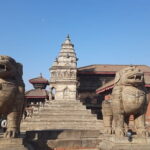
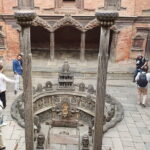
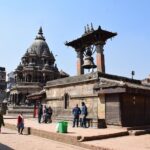
Day 2 is your guided deep breath in Kathmandu. You’ll cover three UNESCO World Heritage Sites that each feel like a different Kathmandu personality, all in roughly 6 hours. It’s a lot packed into one day, but it’s also the fastest way to get your bearings.
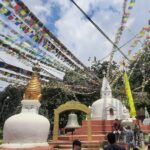
Swoyambhunath (often called Monkey Temple) is the “first wow” stop. The hilltop vantage makes it feel like you’re looking down on the city’s layers, with prayer flags and temple structures climbing the slope. This is also where you’ll notice Kathmandu’s rhythm: people moving with purpose, offerings, and the everyday faith that makes the site feel lived-in rather than staged.
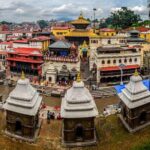
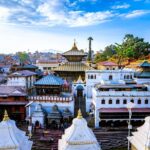
Pashupatinath Temple shifts the mood. This is a major Hindu pilgrimage center, and it’s one of those places where you’ll feel the scale of devotion immediately. If you’re sensitive to crowds, come prepared for them. If you’re curious about how people practice, it’s powerful.
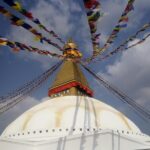
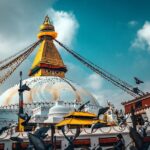
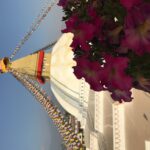
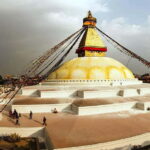
Then you end at Boudhanath Stupa, one of the world’s great Buddhist monuments. The atmosphere tends to be calmer here—chanting, prayer wheels, and the steady movement of pilgrims doing laps. It’s also an easy place to slow down with your camera, since the stupa is the main character from almost every angle.
Practical tip: wear clothing that respects temple spaces, and plan your day so you’re not rushing from one stop to the next. If you get motion-sick or tire easily, ask your guide to help you time quick pauses between sights.
You can also read our reviews of more tours and experiences in Kathmandu.
Shivapuri National Park to Chisapani: the hike that starts slow and feels real
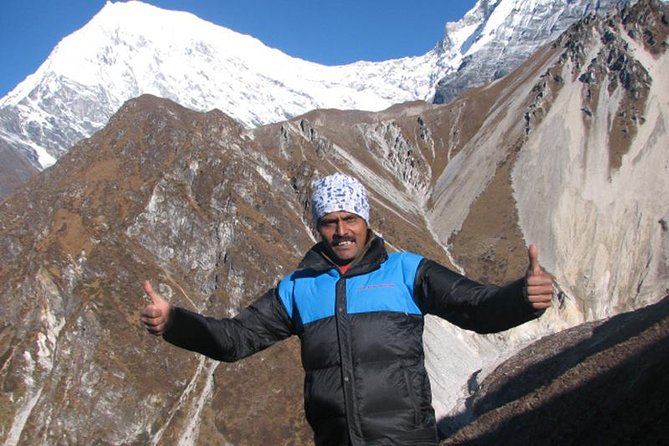
On Day 3 you drive to Sundarijal and begin trekking through Shivapuri National Park toward Chisapani. This is where the trip turns from city energy to mountain air. You’re walking forest trails and passing through village scenery, so the scenery changes gradually instead of swinging into steep cliffs right away.
This leg matters because it sets your hiking rhythm. You’re not just moving from point A to point B—you’re learning what “easy trek” means here: steady walking, uneven ground, and a pace that lets you actually notice people and plants along the route. If you’re new to Nepal hiking, this is a good place to start. It’s active, but it doesn’t feel like a trial.
You’ll stay overnight at a lodge in Chisapani. Lodges in this kind of route usually give you the simplest comforts: a bed, a warm meal, and a chance to recover before the next day’s hilltop push. The highlight is that by evening, you’re in the mountains instead of in traffic and noise.
One consideration: the hike goes through a national park area, and while the plan includes the Shivapuri National Park permit, you still need to handle water smartly. Bottled water isn’t included, so if you rely on it, bring a plan—either carry your own bottles or budget for what’s available along the route.
Nagarkot hilltop: why this overnight earns its reputation
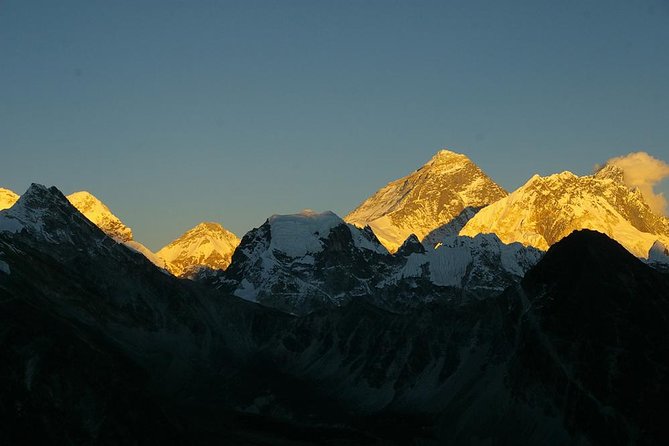
Day 4 is your trek to Nagarkot, a scenic hilltop known for Himalayan views and a beautiful sunset. This is the kind of place where the effort feels worth it because you can actually see why people hike in Nepal at all.
Nagarkot tends to change with the light. As the sun drops, the sky color and the ridgelines shift in slow motion. If your weather is clear, this day becomes a highlight of the whole trip. If it’s cloudy, you’ll still enjoy the cooler air and the sense of being “on a viewpoint,” just with fewer far-away peaks.
Overnight is at a hotel in Nagarkot. That’s a nice step up after lodge trekking nights. It’s also a useful buffer: you’ll be able to rest and get ready for the next day’s early start.
If you hate waking up early, mentally rehearse now. Sunrise is coming, and that’s the main event on Day 5.
Sunrise and Changunarayan Temple: the finale that turns hills into memory
Day 5 is built around two meaningful moments: sunrise views and a hike to Changunarayan Temple.
Watching the sunrise over the Himalayas is the classic Nepal move, but it’s not just a photo opportunity. The real value is the quiet. Before the day gets loud, you see the world as a series of shadows and slowly revealed ridges. It gives the whole trip a sense of payoff—especially after two days of trekking where you’ve been focused on steps, breathing, and timing.
After sunrise, you hike to Changunarayan Temple. This part shifts from wide open views back to a cultural focus. Changunarayan is ancient and sits in a setting that feels less hectic than central Kathmandu temple areas. The walk is the connector—your legs do the traveling, then the temple gives you a place to settle your mind.
Then you drive back to Kathmandu. You’ll end at the same meeting point area where you started, so the tour doesn’t leave you scrambling for a final transfer.
Why the pace feels easy (even when you’re climbing)
This tour is described as an easy trek with about 2.5 days of moderate hiking. That’s not marketing fluff. For most people, the main challenge is duration plus footing, not altitude extremes.
Here’s what that means in real terms:
- You’ll likely be comfortable if you can walk for a few hours at a time at a steady pace.
- The trail can include steps, uneven ground, and changes in temperature as you climb and drop.
- You’ll spend nights at lodges/hotels rather than doing long day hikes that leave you with no recovery.
So if you’re coming to Nepal for the first time and want hiking without a brutal training plan, this one fits. It’s also a good option if you want a taste of trekking culture—village scenes, lodge dinners, and guide-led pacing—without committing to a multi-week trek.
If you’re an experienced hiker chasing a huge distance or serious elevation gain, you might find this short. That’s not a flaw. It’s simply a different goal: heritage + scenic walking + big viewpoints in a 5-day window.

Price and logistics: what the $375 covers and what you still pay for
At $375 per person, the value here comes from what’s bundled. This isn’t just a walking tour; you’re paying for transportation, guiding, meals during the trek, and overnight stays during the hiking portion.
What’s included:
- Lodge accommodation for 2 nights during the trek
- Private transportation (especially for transfers like Kathmandu to the trail start)
- Breakfast, lunch, and dinner during trekking
- Transport from Thamel to Sundarijal
- Expert English-speaking guide
- Government taxes and VAT
- A Shivapuri National Park permit
What’s not included (and this is where you should plan ahead):
- Bottled water
- Entrance fees for the heritage sites and any national park fee coverage not included (the plan specifically flags heritage site fees as not included)
- Lunch and dinner in Kathmandu, plus any drinks during the whole trip
- Any gratuities for staff
- Nepal entry visa fee, international flights, and accommodation in Kathmandu
My practical take: the base price is fair if you’re okay with handling small add-ons. If you prefer a fully all-in package where you never think about site fees or water, you might feel the extras add up. But if you like having control over meals and spending, this structure works well.
Logistics basics you should note:
- Start point is Thamel Marg, Kathmandu 44600
- Start time is 9:15 am
- The tour ends back at the meeting point
- It’s capped at 10 people, and confirmation is received at booking
Small-group support and Prakash-level hands-on help
In Nepal, the difference between an okay trip and a great one is often what happens when something changes: a timing issue, weather shifts, or a last-minute need for clarity in a busy city like Kathmandu.
Prime Himalayas is strongly associated with hands-on concierge support, especially through Prakash Simkhada. People praise him for showing up multiple times during their trips for quality control and for being flexible with last-minute changes. That kind of support matters most when you’re navigating temple crowds, coordinating transport, and trying to keep the day flowing.
Even if you arrive in Kathmandu on a different schedule, the tour is designed with a Welcome Day buffer. You’ll arrive at your hotel whenever you’re ready, meet the team for a briefing, and then recover from travel. That small amount of breathing room helps if you’re jet-lagged or just want to get your bearings before the big temple day.
What to pack for an easy trek in Nepal hills
Since bottled water and drinks are not included, think in terms of personal hydration and comfort. And because trekking days can include waiting around before you start walking, bring a layer system that works in warm sun and cooler shade.
I’d pack:
- A daypack that fits comfortably for a few hours of walking
- Water bottles (and a backup plan if you run low)
- Light rain protection (weather can turn fast)
- Comfortable trekking shoes with good grip
- Warm layer for early mornings (you’ll want it for sunrise)
- Temple-respectful clothing for the Kathmandu day
One more tip: ask your guide or booking team if there’s a recommended packing list for this specific style of easy trek. Some people have suggested that a more detailed packing list would be useful, so don’t hesitate to request it.
Who should book this Nepal Discovery Tour?
This is a strong fit if you:
- Want a first Nepal trip that mixes culture and light trekking
- Like UNESCO sites and want them guided so you don’t feel lost
- Prefer a short trek with a realistic pace and lodge/hotel comfort
- Enjoy village walking and viewpoint rewards more than long-distance hiking
You might choose something else if you:
- Want a long, challenging trek with bigger daily mileage
- Hate early mornings and sunrise wake-ups
- Want fully all-in pricing with no added site fees
Should you book this easy heritage and hill trek?
If you want Kathmandu’s most important heritage sites plus a scenic, not-too-intense trek, I’d book it. The itinerary is built around momentum: city orientation first, then trails, then sunrise payoff. The included parts—trek meals, lodge nights during the hike, permits, and an English guide—remove a lot of the hassle that usually makes short Nepal trips feel stressful.
Just go in with two expectations set:
1) You’ll handle some add-ons like heritage entrance fees and water.
2) Day 2 is long, so take your time and don’t try to rush it.
If that sounds like your style, this is a smart way to get your Nepal story in five days—without turning it into a checklist.
FAQ
How long is the Nepal Discovery Tour and when does it start?
It runs for about 5 days and starts at 9:15 am. The activity begins at Thamel Marg, Kathmandu 44600, Nepal and ends back at the meeting point.
What’s the group size for this tour?
The tour has a maximum group size of 10 travelers.
What’s included in the trekking days?
During the trekking portion, the tour includes lodge accommodation (2 nights) and breakfast, lunch, and dinner. It also includes transport from Thamel to Sundarijal, an English-speaking guide, and the Shivapuri National Park permit.
What’s not included in the price?
Not included are bottled water, entrance fees for heritage sites, lunch and dinner in Kathmandu, and any drinks during the trip. Also not included are gratuities, personal expenses, the Nepal entry visa fee, international flights, and accommodation in Kathmandu.
Is the hike suitable for beginners?
The trek is described as easy, with 2.5 days of moderate hiking, and it says most people can participate. It’s a good choice if you’re looking for a manageable hiking experience rather than a demanding expedition.
Is pickup included?
The tour notes that pickup is offered.
What happens if weather is poor or the minimum number of travelers isn’t met?
This experience requires good weather. If it’s canceled due to poor weather, you’ll be offered a different date or a full refund. If the minimum number of travelers isn’t met, you’ll also be offered a different date/experience or a full refund. You can cancel for a full refund up to 24 hours in advance.