REVIEW · KATHMANDU
Kathmandu Top 4 or 2 UNESCO World Heritage Sites Day Tour
Book on Viator →Operated by Attractive Travels and Tours Pvt. Ltd. · Bookable on Viator
Kathmandu can feel like a maze. This day tour makes it practical by pairing hotel pickup and drop-off with a smart hit-list of UNESCO World Heritage sites plus traditional craft stops.
I especially like how the route covers four big sights—Pashupatinath, Boudhanath, Swayambhunath, and Patan Durbar Square—in a single outing. The day also includes a hands-on style cultural detour with a thangka painting school and a singing bowl demonstration center.
One thing to plan for: admission for the UNESCO sites is not included. You’ll pay a separate fee (either for two sites or for all four), and temple-and-stair time can add up in a 5 to 7 hour day.
In This Review
- Key Highlights at a Glance
- Why This UNESCO Day Tour Works in Kathmandu
- Pickup, Route, and Timing: How the Day Stays Comfortable
- Pashupatinath Temple on the Bagmati River: A Sacred, Intense Stop
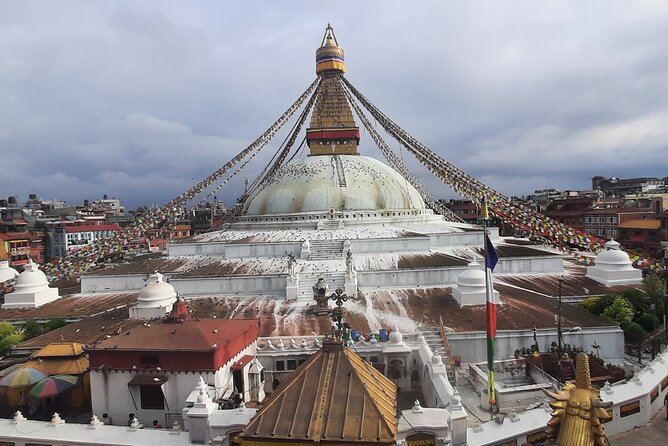
- Boudhanath Stupa: Tibetan Influence and a Slower Spiritual Rhythm
- Swayambhunath Monkey Temple: The Hill, the Stairs, and the View
- Patan Durbar Square: Newari Architecture and Malla-Era Craft
- Thangka Painting School + Singing Bowl Demonstration: The Living Culture Bonus
- Thangka painting school
- Singing bowl demonstration center
- Price and Fees: Is $40 a Good Deal?
- Who This Tour Fits Best (and Who Should Skip It)
- Should You Book This Kathmandu UNESCO Tour?
- FAQ
- What UNESCO sites are included on this day tour?
- How long is the Kathmandu UNESCO day tour?
- Is hotel pickup and drop-off included?
- Is this tour private?
- Are the UNESCO entrance fees included?
- What’s included besides transportation and guiding?
- Is food included in the tour price?
- Do I receive tickets on my phone?
- What’s the cancellation policy?
- Is the tour suitable for most people?
Key Highlights at a Glance
- Hotel pickup and drop-off mean you skip the uncertainty of finding transport
- Top UNESCO sites in one day: Pashupatinath, Boudhanath, Swayambhunath, and Patan Durbar Square
- Thangka painting school visit to see traditional art in a learning setting
- Singing bowl demonstration center with a chance to watch the process and ask questions
- Professional guide who can slow down or speed up the day to match your interests
- Bottled water included, so you don’t spend the day chasing a drink between stops
Why This UNESCO Day Tour Works in Kathmandu
If you want Kathmandu Valley’s most important sacred sites, you have two options: figure it out on your own, or ride with a plan. This tour is built for people who want a strong day without burning hours working out logistics.
What makes it appealing is the mix of classic UNESCO architecture and living craft culture. You’re not just looking at monuments—you’re also spending time at a thangka painting school and a singing bowl demonstration center, where the traditions connect to what you’re seeing at the temples and stupas.
And since it’s private, you don’t have to “power-walk” at the pace of strangers. You can ask questions as you go, and the guide can tailor the emphasis—history, religion, art, or the day’s practical details.
You can also read our reviews of more tours and experiences in Kathmandu.
Pickup, Route, and Timing: How the Day Stays Comfortable
This experience is scheduled for about 5 to 7 hours, which is long enough to feel you accomplished a lot, but short enough to keep the day from turning into a full-on marathon. The stop timing is clearly structured: Pashupatinath is allotted 2 hours, Boudhanath 1 hour, Swayambhunath 2 hours, and Patan Durbar Square 1 hour.
The no-drama part is the way you start and finish. The driver meets you right at your hotel, and you get drop-off back at the end. That matters in Kathmandu because traffic and navigation can eat time fast, especially if you’re trying to coordinate your own transport.
You also get a bottle of water per person, which is small, but helpful. It keeps you from losing momentum mid-day while you hunt for refreshments.
Possible drawback: with four UNESCO stops plus craft visits, this is not a “sit and linger all afternoon” format. You’ll see a lot, but you’ll be moving through the sites at a guided pace.
Pashupatinath Temple on the Bagmati River: A Sacred, Intense Stop
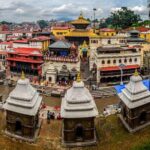
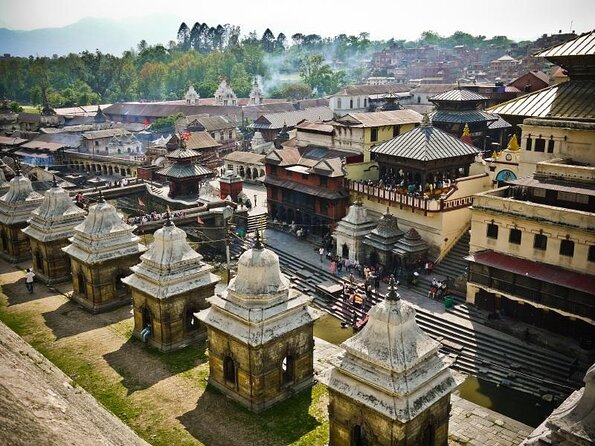
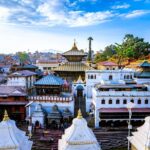
Pashupatinath Temple is one of the major Hindu temples in Nepal, devoted to Lord Shiva. It sits on the eastern side of Kathmandu Valley along the Bagmati River, so the setting itself is part of the experience.
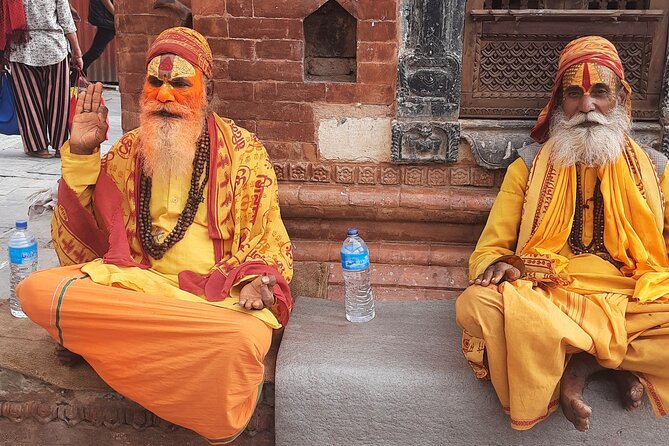
This is the kind of UNESCO site that doesn’t feel like a museum. It feels active—spiritual, focused, and often emotionally intense. The tour’s 2-hour window gives you enough time to understand what you’re seeing rather than just snapping photos and rushing on.
From a practical standpoint, expect you’ll want time for orientation. The guide can help you interpret what’s happening in and around the temple complex. In particular, the day can include witnessing ceremonial life tied to the temple’s role, and having a guide makes that easier to understand in context.
If you’re sensitive to intense cultural scenes, come with a respectful mindset and know this stop may be the most emotionally heavy part of the route.
Boudhanath Stupa: Tibetan Influence and a Slower Spiritual Rhythm
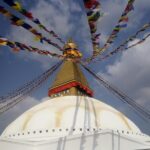
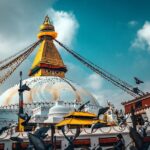
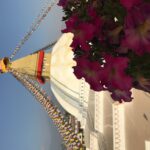
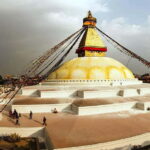
Boudhanath Stupa is one of the most recognizable sacred monuments in Kathmandu. The tour pairs it with 1 hour on-site, and that’s a realistic length for absorbing the stupa’s scale while still keeping the whole itinerary on track.
Boudhanath is strongly tied to Tibetan cultural influence, and the area around the main stupa includes many monasteries. That gives you a different atmosphere than you get at the Hindu temple stop. Here, the vibe tends to feel more communal and steady—more about the surrounding rhythm of spiritual life than a single dramatic focal event.
This is also one of the best stops for taking your time with details: prayer and movement around stupas, the way people relate to the space, and the visual language of Tibetan-influenced religious art.
If you like photography, you’ll likely find you want extra minutes, but the tour structure keeps you from getting stuck here and missing later sites. It’s a trade-off, and for most people it’s a good one.
Swayambhunath Monkey Temple: The Hill, the Stairs, and the View
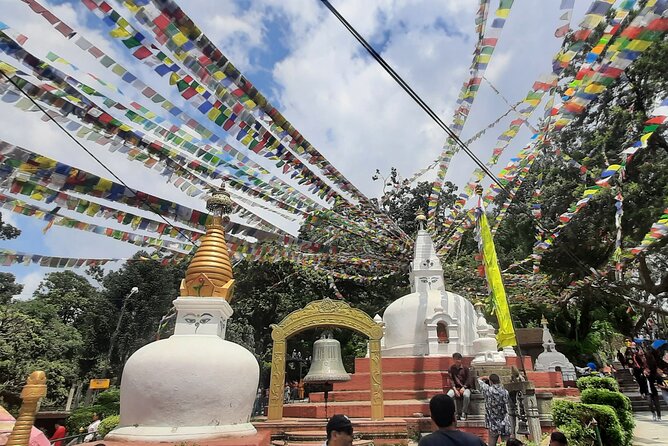
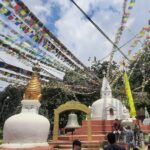
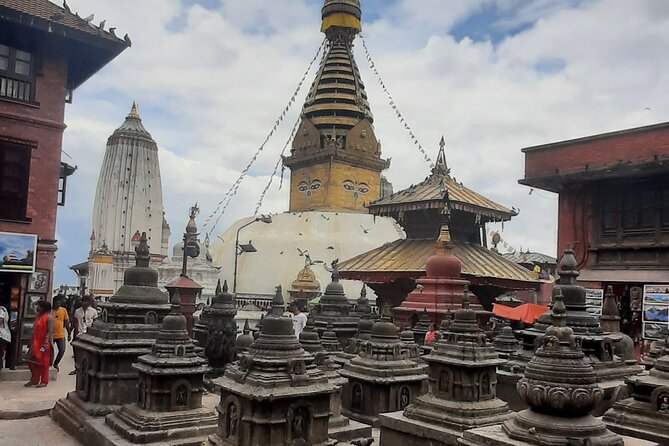
Swayambhunath—often called the Monkey Temple—sits on top of a hill. The approach includes a long stair climb, which can be fun in a lively way, but it’s still exercise.
The tour gives you 2 hours at Swayambhunath. That’s important because you need time not just to reach the stupa, but to appreciate the layers of meaning and the way the complex spreads out as you move through it.
From the hilltop, you get broad Kathmandu Valley views, which can make the site feel bigger than the ground-level approach. You’ll also be able to connect what you’re learning to the city’s wider religious layout.
Consideration: if you’re not a fan of stair climbs or you prefer less walking, this is the stop to plan around. Comfortable shoes help, and pacing matters.

Patan Durbar Square: Newari Architecture and Malla-Era Craft
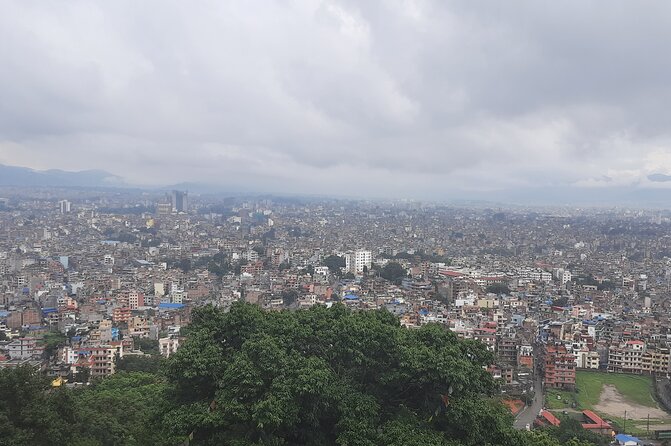
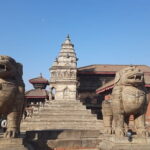
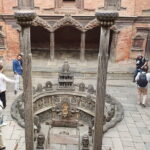
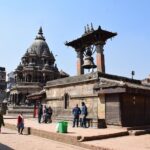
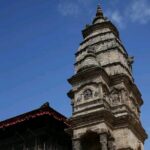
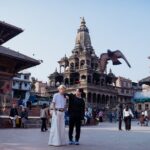
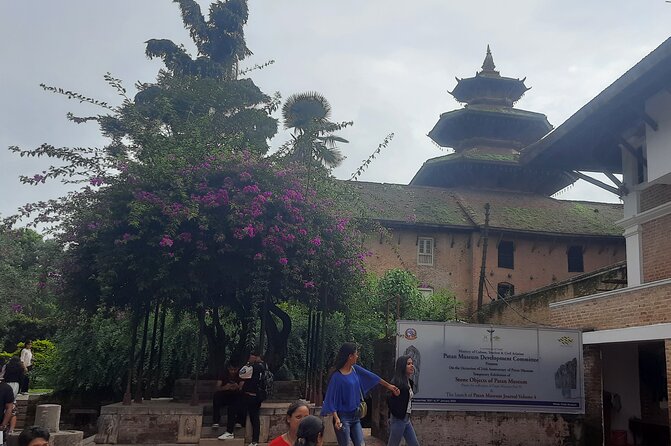
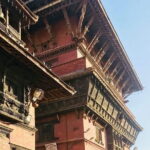
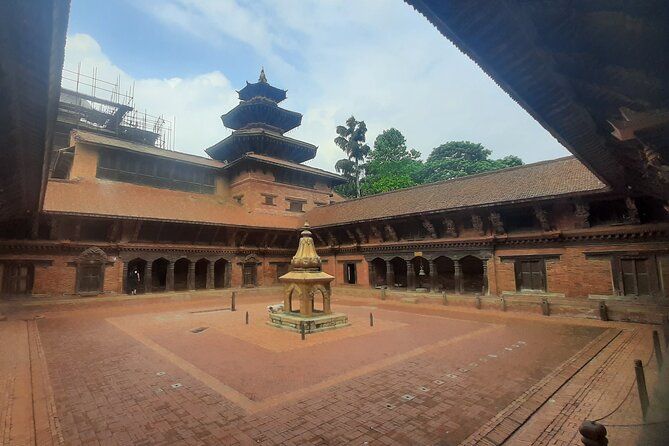
Patan Durbar Square represents Newari architecture at its peak during the reign of the Malla kings—when rulers were major patrons of arts and architecture. This is the “palaces and squares” contrast to the temple and stupa sites earlier in the day.
The tour schedules 1 hour here, which is tight but workable. Patan’s layout can reward focus: you’ll want to spend time understanding the square’s key structures and how the architecture reflects Newari craftsmanship.
If you enjoy architecture, this is often the stop where you start seeing patterns across the day—how religious design, civic space, and craft traditions show up in different forms.
One caution: Durbar Square areas can be busy and full of small shops. That’s great for atmosphere, but it can make it harder to pick out details if you rush. A guide helps you know where to look without needing to “study” from scratch.
Thangka Painting School + Singing Bowl Demonstration: The Living Culture Bonus
The biggest value add beyond UNESCO sight-seeing is that the tour includes two tradition-based craft moments: a thangka painting school and a healing and singing bowl demonstration center.
Thangka painting school
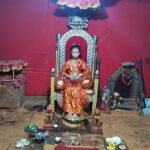
Thangka paintings are devotional art, and a painting school visit turns the idea into something tangible. Instead of only hearing about the style, you get a learning context for what these paintings represent and how they’re practiced.
Singing bowl demonstration center
The singing bowl stop focuses on healing and demonstration. You’re not just watching for spectacle—you’re learning how the craft is used and understood within the tradition.
Both experiences are built for questions. The tour format helps you ask what you want to know, and the inclusion of behind-the-scenes style access means it’s more than a quick “photo and go” stop.
If you like culture that you can actually see being made or explained, this is the part that often makes the day feel richer than a standard UNESCO checklist.
Price and Fees: Is $40 a Good Deal?
The tour is listed at $40.00 per person, booked on average about 23 days in advance. For Kathmandu, that’s a reasonable price when you factor in the big pieces: private transportation, a professional guide, multiple UNESCO stops, craft visits, and bottled water.
But the UNESCO entrance fees are not included. The tour fee for sites is noted as:
- $20 per person if visiting 4 UNESCO sites
- $10 per person if visiting only 2 UNESCO sites
So your real total will depend on whether you end up doing the “top 4” or the “top 2” version of the itinerary.
My practical advice: treat the advertised price as the cost of the day’s guide + logistics, then budget the UNESCO entrance fee on top. If you’re comparing alternatives, that framing helps you see the value clearly.
Also, tipping isn’t included. If you’re the kind of person who likes to reward great guiding, plan a little extra for your guide and driver.
Who This Tour Fits Best (and Who Should Skip It)
This tour fits best if you want:
- a structured way to see major UNESCO sites without navigating on your own
- cultural context from a guide rather than just guidebook reading
- a day that mixes sacred architecture with craft traditions like thangka painting and singing bowls
- flexibility to ask questions and shape the emphasis
It might not be ideal if you hate paced itineraries or you want lots of slow wandering. This is a “see the highlights with meaning” day, not a “live here for hours” day.
If you’re traveling with family or friends and want a private setup, this format is usually a win because it keeps everyone together without compromising the visit.
Should You Book This Kathmandu UNESCO Tour?
Yes, I’d book it if your goal is a high-impact Kathmandu Valley day that doesn’t require figuring out transport, timing, or how to interpret the sites. The combination of hotel pickup, a guided UNESCO route, and the thangka + singing bowl stops gives you more than just monuments.
Book with extra care if you’re sensitive to intense cultural scenes, or if stair climbing is hard for you, since Swayambhunath includes a long climb. Also budget the UNESCO entrance fee separately so there are no surprises.
If you want a day that feels both efficient and culturally grounded, this is a strong choice.
FAQ
What UNESCO sites are included on this day tour?
The tour covers Pashupatinath Temple, Boudhanath Stupa, Swayambhunath (Monkey Temple), and Patan Durbar Square. There is also a version that visits only 2 UNESCO sites.
How long is the Kathmandu UNESCO day tour?
It runs about 5 to 7 hours.
Is hotel pickup and drop-off included?
Yes. The driver meets you with hotel pickup and drop-off.
Is this tour private?
Yes. It’s private, and only your group participates.
Are the UNESCO entrance fees included?
No. Entrance fees are not included. The fee is listed as $20 per person for 4 sites, or $10 per person for 2 sites.
What’s included besides transportation and guiding?
The tour includes a visit to a thangka painting school, a healing and singing bowl demonstration center, and bottled water (one bottle per person).
Is food included in the tour price?
No. Foods are not included.
Do I receive tickets on my phone?
Yes. Mobile ticket is included.
What’s the cancellation policy?
There’s free cancellation. You can cancel up to 24 hours in advance for a full refund.
Is the tour suitable for most people?
The info says most travelers can participate.