REVIEW · KATHMANDU
Kathmandu Private Sightseeing Tour | UNESCO World Heritage Sites
Book on Viator →Operated by Mount Glory Treks & Expedition Pvt.Ltd. · Bookable on Viator
Kathmandu rewards patience, and this one-day route gives it to you fast. You’ll see major UNESCO sites with a local English-speaking guide and comfortable transport, plus the option to go slower with a walking start in Thamel. I love the hassle-free pickup from Thamel and how the day can be tailored to your pace by choosing fewer sites or pushing for more. One consideration: monument entrance fees are not included, and the 7-site version can feel like a long, tiring day.
Even on tricky days (rain and heavy traffic), the tour’s strength is that your guide keeps the plan realistic. I’ve seen examples where guides like Manoj helped people still fit a lot in, adjusting the rhythm without turning it into a sprint. Santos is another guide name tied to calm, patient explanations that keep the spiritual sites from feeling like a blur.
For your budget, the headline price is $35 per person, but you’ll want to plan for entrances on top. The tour includes an AC private vehicle for a full day, bottle mineral water, and a mobile ticket so you can move through the day with less friction.
In This Review
- Key things to know before you go
- How This One-Day UNESCO Plan Works in Kathmandu
- Thamel Hotel Pickup and AC Transport (So You Don’t Lose Half Your Day)
- Hanuman Dhoka Durbar Square: Palaces, Kumari, and the Three-Buddha Moment
- Swyambhunath (Monkey Temple): Hilltop Stupas and Big Sacred-View Energy
- Pashupatinath Temple and Guhyeshwari: The Shiva Pilgrimage Side
- Boudhanath Stupa: A Massive UNESCO Presence You Can Feel
- Patan and Bhaktapur Durbar Squares: Two Cities’ Old Centers in One Day
- Changu Narayan: One UNESCO Stop That Feels Like a Time Capsule
- Price and Entrance Fees: What Your $35 Actually Buys
- Who This Kathmandu UNESCO Tour Fits Best
- Should You Book This Kathmandu UNESCO Day Tour?
- FAQ
- How long is the Kathmandu private sightseeing tour?
- Where does pickup happen?
- Is the tour private or shared?
- What’s included in the tour price?
- Are monument entrance fees included?
- How much are the UNESCO entrance fees?
- Is lunch included?
- What if weather is bad?
- Do I need to tip the guide and driver?
Key things to know before you go
- Thamel pickup makes the day feel easy: you start from a convenient base instead of hunting taxis.
- Private car with an English guide: commentary and question time, not just being dropped off.
- Choose your UNESCO count: the tour can work as a smaller, calmer day or a big checklist day.
- Entrance fees are separate: plan on paying at/for monuments (with pricing listed by UNESCO count).
- Expect a full-day rhythm: 8–10 hours is normal, especially on the 7-site option.
How This One-Day UNESCO Plan Works in Kathmandu
Kathmandu is spread out, and landmarks don’t cluster neatly like they do in some European cities. This tour’s value is that it stitches together the key UNESCO stops into a single, logical day—so you’re not spending your time negotiating routes, timing, and tickets between distant areas.
The big choice is how intense you want the day to be. You can do a more relaxed option that still hits famous areas, or you can go for four UNESCO sites (a good balance) or even seven (a true marathon). If you like photos and main sights but also want breathing room to ask questions, four sites is often the sweet spot. If you’re chasing a maximum-hit day and you’re comfortable walking and sitting in traffic for hours, the seven-site plan can be doable—just know it’s exhausting by the end.
One more practical point: the guide’s job isn’t only pointing out what’s there. It’s translating what you’re seeing—palaces, temples, stupas, and sacred spaces—into something you can actually understand on-site. That’s why a private format matters here. You don’t have to follow a rigid group pace, and you can linger if a detail catches your eye.
You can also read our reviews of more tours and experiences in Kathmandu.
Thamel Hotel Pickup and AC Transport (So You Don’t Lose Half Your Day)
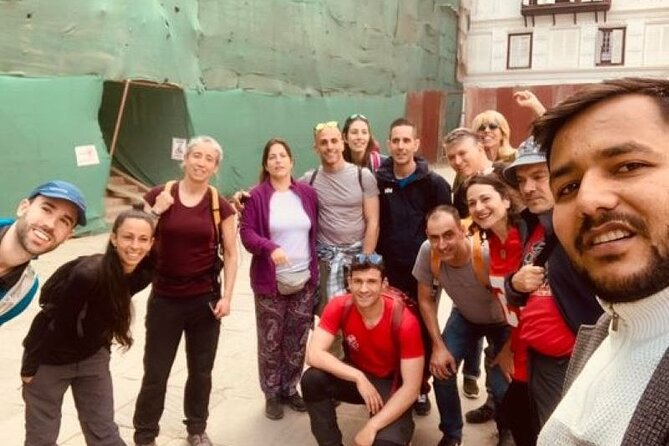
Starting with pickup from your hotel in Thamel is a smart move. Thamel is the main tourist hub, so meeting up is simple, and you’re not trekking across town before the first stop.
Once you’re on the road, you’re in a private vehicle with AC for the full day. That matters in Kathmandu because travel time can swing a lot depending on traffic and day conditions. The private setup also keeps the day flexible: if rain starts or timing gets weird, a good guide can adjust the order or pace so you don’t feel like you’re being hurried from one doorway to the next.
You also get bottle mineral water, which is one of those small inclusions that quietly saves you later. It’s also easier to stay hydrated when your day includes hilltops and temple steps—especially if you’re doing multiple UNESCO stops.
Hanuman Dhoka Durbar Square: Palaces, Kumari, and the Three-Buddha Moment
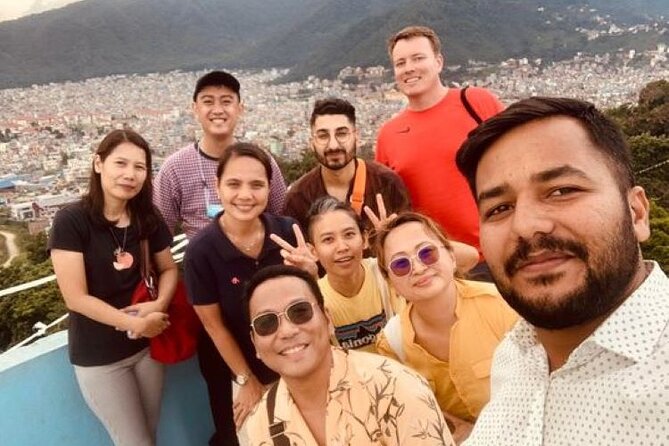
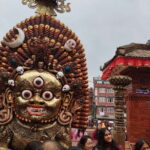
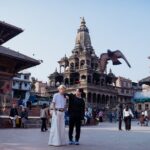
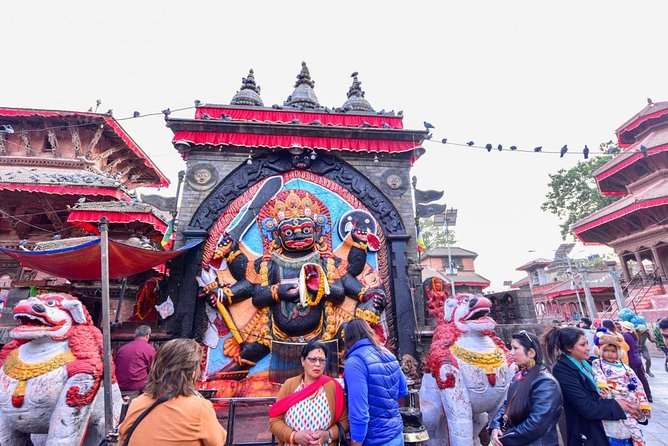
Your day often starts at Kathmandu Durbar Square, also known as Basantapur Durbar, and locally you’ll hear Hanuman Dhoka Palace in the conversation. This is a UNESCO World Heritage site and a former royal palace area, so it feels like the center of old Kathmandu, not a theme park version of it.
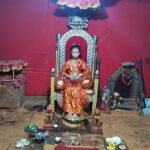
Plan on about two hours here. The highlights are the kinds of details you miss if you treat it as a quick photo stop. You’ll see Hanuman Dhoka Durbar, and you can also visit the Living Goddess site for Kumari. That’s one of those Kathmandu experiences that’s more meaningful when you understand what it represents, rather than only knowing it as a stop on a list.
Then there’s Buddha Park, where you can see giant three Buddha statues. It’s a visually strong contrast to the palace architecture—Buddha Park gives you scale, iconography, and open space in the middle of temple-and-courtyard density.
A practical consideration: this is not just flat walking. You’ll be moving around in a historical palace compound, and steps and uneven surfaces are part of the experience. If you’re short on time or sensitive to crowds, it’s worth arriving ready to move calmly and pick a few areas to linger in instead of trying to capture everything at once.
Swyambhunath (Monkey Temple): Hilltop Stupas and Big Sacred-View Energy
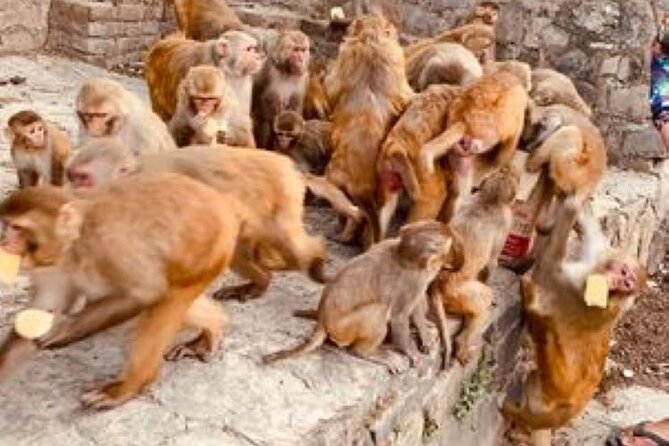
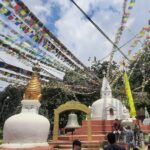
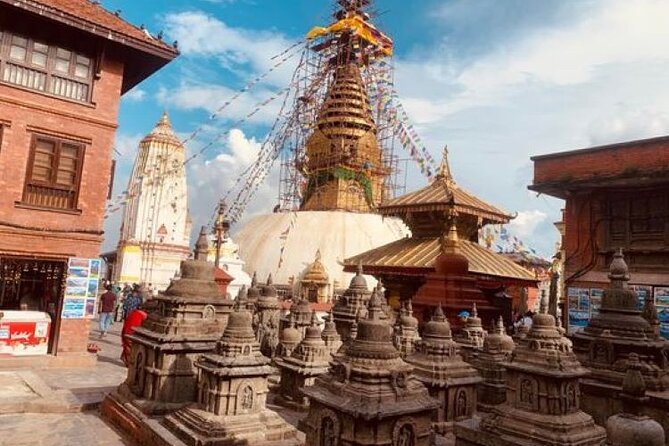
Next up is Swyambhunath, an ancient stupa perched on a hill. You’ll hear it called Monkey Temple, and yes, there may be monkeys around—but the main point is the sacred view and the layered stupa complex.
Plan around one hour here. The major stupa has Buddha’s eyes, a detail that’s easy to spot and also easy to remember. Around it, there are many smaller stupas, so you can walk slowly and notice how worship is expressed through repeated forms and carvings.
This stop works especially well when your guide can help you read the place. Stupas can look repetitive at first, but once you understand what you’re looking for—symbols, placement, and how people move through the space—they become more than a viewpoint.
One caution: the hilltop means walking on stairs and paths. If you’re doing the seven-site version, you may feel this more than you expect. I’d treat Swyambhunath as a “slow down” moment, not a race.
Pashupatinath Temple and Guhyeshwari: The Shiva Pilgrimage Side
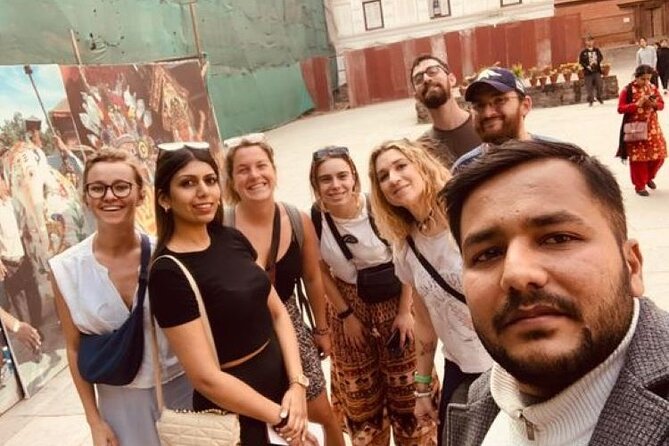
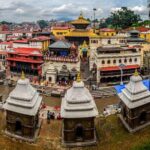
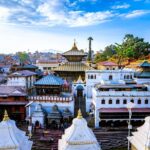
Pashupatinath Temple is one of Nepal’s most famous Hindu pilgrimage sites and also a UNESCO World Heritage stop. It’s closely located near Kathmandu’s airport area, so it’s often paired efficiently with other big landmarks.
Expect about one hour. You’ll hear this described as a secret land of Shiva, and the key experience here is the spiritual atmosphere. The temple complex is active, layered with devotees, and full of sacred rituals happening in plain view. Even if you’re not there as a pilgrim, it’s a powerful place to witness how living religion looks in daily life.
Your route can also include Guhyeshwari Temple, which is part of the spiritual network around the Pashupatinath area. That adds variety beyond the main temple focus, and it gives you more context for how this neighborhood functions as a religious hub.
Practical note: this is a place where respectful behavior matters. Dress modestly, keep your voice down, and follow what your guide tells you about where you can safely stand or photograph.

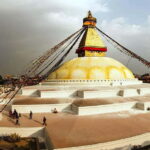
Boudhanath Stupa: A Massive UNESCO Presence You Can Feel
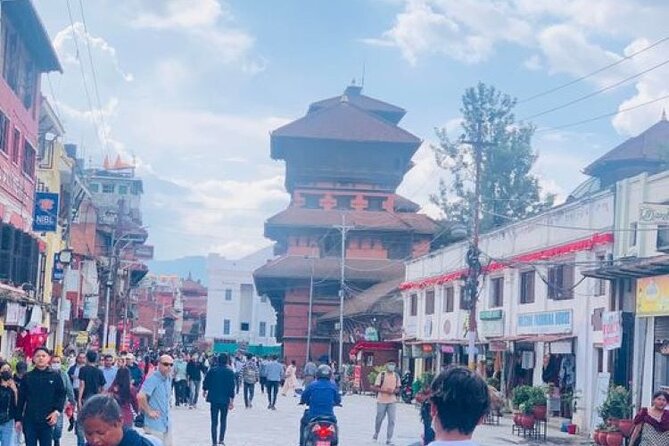
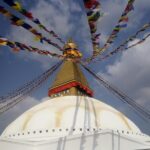
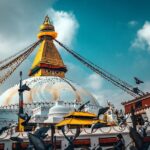
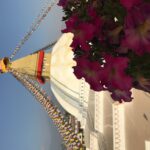
Boudhanath Stupa is one of those landmarks that makes sense even before you understand it. It’s listed as a UNESCO World Heritage site, and it’s known as one of the world’s largest spherical stupas, built around the 5th century.
You’ll likely spend about one hour. Thousands of local and international visitors explore the stupa daily, and that means you get real-life energy rather than a quiet museum vibe. The stupa’s scale changes your sense of space—walking around it can feel like moving inside a living ritual.
Your guide can help you see what’s happening beyond the obvious. When you understand how people circle, pause, and interact with the space, the stupa becomes less of a sight and more of an experience. This is also one of the best stops for relaxed walking, as compared to the tighter palace courtyards.
If you’re sensitive to crowds, Boudhanath can feel busy. That doesn’t ruin it—it just changes the vibe. Go with patience, and let the place do its job.
Patan and Bhaktapur Durbar Squares: Two Cities’ Old Centers in One Day
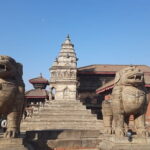
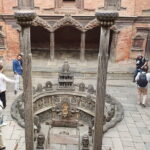
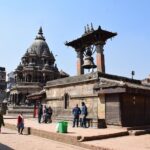
After Boudhanath, the tour can move into other historic squares across the Kathmandu Valley. Patan Durbar Square is a major attraction, known for its Hindu and Buddhist monuments and royal palaces under UNESCO protection. You’ll spend about two hours here.
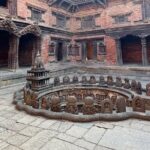
Patan’s feel is different from Kathmandu Durbar Square. You get another palace layout, more monument density, and lots of small architectural cues that make it worth taking it slow. This is where a guide’s explanations really pay off—otherwise, it’s easy to see “old buildings” without noticing what makes this square distinct.
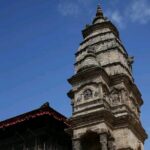
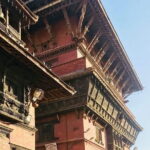
Then you may head to Bhaktapur Durbar Square (often called Khopa Lyaku). This royal palace area sits at about 1350 meters elevation and is known for its distinctive octagonal pillars and architecture above the cornice. You’ll also notice the way the square functions as an active cultural space, not a dead set.
It’s another two-hour stop. By the time you reach Bhaktapur on a long day, your best strategy is to pick a few “anchor” areas to focus on, then enjoy the rest as wandering. Don’t try to memorize every carving. Let your guide point out what’s most meaningful, then spend your time looking for it with your own eyes.
Changu Narayan: One UNESCO Stop That Feels Like a Time Capsule
Changu Narayan (Changunarayan) is an ancient Hindu temple located on a hilltop. It’s described as the oldest temple in the area, and it’s known for distinctive construction and longstanding religious beliefs.
This stop is typically around one hour, and the admission is listed as free in the tour information. That makes it a cost-friendly addition if you’re building your budget for entrances.
If you’re choosing between a big checklist day and a day with more depth, Changu Narayan can be a strong pick because hilltop temples often feel quieter and more “local” in tone than busy main-city squares. It’s a good place to slow down and let the details speak.
Hilltop means more walking, though. If you’ve already climbed stairs at Swyambhunath, plan your energy accordingly.
Price and Entrance Fees: What Your $35 Actually Buys
At $35 per person, this tour can feel like a bargain on paper. But the real value depends on one thing: monument entrance fees are not included.
The tour information lists additional entrance costs based on how many UNESCO sites you choose:
- 7 UNESCO sites: about 6000 Nepali Rupee
- 4 UNESCO sites: about 2600 Nepali Rupee
- 2 UNESCO sites: about 1200 Nepali Rupee
So you’re not just paying $35 and expecting a walk-in free-for-all. You’re paying for the guide, transport, and time management, and then you budget entrances separately.
Other practical costs to keep in mind:
- Lunch is not included.
- Tips for the guide and driver are not included.
- Any personal expenses are on you.
Still, the deal can stay strong because you’re getting private AC transport for a full day, English-speaking guidance, and all government taxes and official expenses covered. In a place where moving between sites can eat up time and effort, having a driver and a guide organized for you is a genuine convenience.
For budgeting: if you’re going for seven UNESCO stops, entrances will matter more than the base tour price. If you choose four, you may find the cost-to-satisfaction ratio feels better.
Who This Kathmandu UNESCO Tour Fits Best
This tour is a great match if you want a one-day overview that doesn’t require you to plan every turn.
You’ll like it most if you:
- Want an English-speaking guide to explain palace layouts, temple meaning, and stupa symbols.
- Prefer private vehicle comfort over shared taxis and seat-juggling.
- Are okay with a full day of walking around religious and palace compounds.
- Want options: fewer sites if you get tired, more sites if you’re chasing a checklist.
You might want to skip the seven-site version if you:
- Get worn out quickly on stairs and uneven surfaces.
- Don’t enjoy long stretches in traffic.
- Prefer deeper time at fewer locations.
And if your ideal day includes calm pacing and thoughtful stops, the four-site option tends to feel much more breathable than packing every major stop available.
Should You Book This Kathmandu UNESCO Day Tour?
Yes, if you want the Kathmandu highlights stitched into one day with an English guide and private AC transport. The core strength is simple: you save time on logistics and gain understanding at each stop.
I’d book it especially if you know you’ll value context—like why Kumari is a big deal, what to look for at Swyambhunath, and why Boudhanath’s scale matters beyond photos. If you do choose the bigger seven-site plan, go in with realistic expectations about fatigue and be ready to pay the monument entrances on top.
If you’re on a tight schedule and you’d rather not risk wasting hours figuring out routes, this tour structure is a solid, low-stress way to do UNESCO Kathmandu without turning the day into an endurance test.
FAQ
How long is the Kathmandu private sightseeing tour?
It runs about 8 to 10 hours.
Where does pickup happen?
Pickup is offered from Thamel hotels.
Is the tour private or shared?
It’s private. Only your group participates.
What’s included in the tour price?
An English-speaking city tour guide, all government taxes and official expenses, a full-day private car with AC, and bottle mineral water.
Are monument entrance fees included?
No. Monument entrance fees are not included.
How much are the UNESCO entrance fees?
The tour information lists entrance costs as about 6000 Nepali Rupee for 7 UNESCO sites, 2600 Nepali Rupee for 4 UNESCO sites, and 1200 Nepali Rupee for 2 UNESCO sites.
Is lunch included?
No. Lunch is not included.
What if weather is bad?
The tour requires good weather. If it’s canceled due to poor weather, you’ll be offered a different date or a full refund.
Do I need to tip the guide and driver?
Tips for the guide and driver are not included, so you should plan for that if you want to tip.