REVIEW · KATHMANDU
Private Kathmandu Sightseeing Tour | UNESCO World Heritage sites
Book on Viator →Operated by Breakfree Adventures Pvt. Ltd. · Bookable on Viator
You can see Kathmandu’s top sacred sites without playing taxi chess. This private UNESCO-focused day is built around real-city navigation: hotel pickup, an A/C vehicle, and a guide who explains what you’re seeing across two, four, or seven heritage stops. You’ll connect the dots between Hindu temples and Buddhist stupas, and you’ll get context fast, not after the fact.
I especially love the hotel pickup and drop-off, because Kathmandu traffic and meet-up points can drain your energy before you even start. I also like the English-speaking guide approach, since guides such as Dipesh, Deepak, Bidhya, Shankar, and Prasant are frequently praised for clear explanations and pacing that feels thoughtful, not rushed.
One thing to plan for: the day can include a lot of driving time, especially on the 4- and 7-site options. And like most heritage tours, monument entry fees are extra, so your total cost will be a bit higher than the headline price.
In This Review
- Key things that make this tour worth your time
- A Day Like a Kathmandu Cheat Sheet: 2, 4, or 7 UNESCO Stops
- Hotel Pickup and Private A/C Ride: Why Logistics Matter in Kathmandu
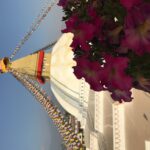
- Swayambhunath Monkey Temple: Stairs, Views, and a Stupa You Feel in Your Bones
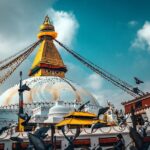
- Boudhanath Stupa: The Giant Center of Buddhist Life
- Pashupatinath Temple: Where Rituals Make the Stone Feel Alive
- Patan Durbar Square + Patan Museum: Crafts, Courtyards, and City History
- The Route Through Changu Narayan and Bhaktapur: More Temple, More Walking
- Kathmandu Durbar Square and Thamel Timing: Ending Back in the Real City
- Tickets, Timing, and Temple Rules: Practical Stuff You’ll Want to Know
- What the Best Guides Do: The Dipesh and Deepak Pattern
- Price and Value: When $17 Becomes a Full Day of Transport and Interpretation
- Who This Tour Suits Best (and Who Should Skip It)
- Should You Book This Private Kathmandu UNESCO Tour?
- FAQ
- FAQ
- How many UNESCO sites can I choose on this tour?
- Which sites are included?
- Are monument entry fees included?
- Is hotel pickup and drop-off included?
- Is this a private tour?
- Can everyone enter the inner premises of Hindu temples?
- How long is the tour?
- Can I cancel for a full refund?
Key things that make this tour worth your time
- Hotel pickup and private A/C vehicle so you start sites with less stress
- Two, four, or seven UNESCO options to match your energy level and schedule
- Pashupatinath + ritual context where your guide helps you understand what you’re witnessing
- A mix of monuments and walking so you’re not just riding around all day
- Guides are often praised by name (Dipesh, Deepak, Bidhya, Shankar, Mukesh, Prasant) for explanations and flexibility
A Day Like a Kathmandu Cheat Sheet: 2, 4, or 7 UNESCO Stops
This tour is designed for one thing: getting a strong Kathmandu Valley orientation in a single day. You choose how much you want to cover, from a lighter 2-site plan to a big 7-site day. That choice matters because Kathmandu isn’t “one stop, done.” Sites are spread out and you’ll be walking stairs, crossing courtyards, and moving between areas where the vibe changes fast.
With the 2-site option, you focus on the most iconic pairings, usually balancing a Buddhist stupa visit with a major Hindu temple stop. The 4-site option usually gives you a fuller day without turning it into a marathon. The 7-site option is for people who want to see the classic UNESCO circuit and don’t mind a longer day.
The best part is that the day is built to feel educational. A guide talks as you go, so you’re not just staring at stone and guessing what it means. And you’re not stuck waiting around for others either, since it’s private—your group is the only group on your schedule.
You can also read our reviews of more tours and experiences in Kathmandu.
Hotel Pickup and Private A/C Ride: Why Logistics Matter in Kathmandu
Kathmandu can be surprisingly tiring even before you hit the first monument. Traffic moves slowly, lanes are chaotic, and parking is not always simple. That’s why the private vehicle with hotel pickup and drop-off is a big deal for your comfort.
You also avoid the most common hassle with self-guided UNESCO days: finding a meeting point that’s actually easy to reach, then coordinating your own timing across multiple neighborhoods. Here, you get picked up and dropped off. The tour notes that pickup/drop-off is complimentary for hotels in Kathmandu city centers, with potential extra charges if you’re farther out. If you’re staying in a central area, this is an instant win.
In real terms, this logistics setup means you’ll spend more of your energy looking at temples and less of your time checking maps, asking strangers, and renegotiating time with drivers. One review detail that comes up a lot is how guides and drivers handle traffic calmly, with names like Deepak and Sujan/Dipak/other drivers mentioned for smooth, careful driving.
Swayambhunath Monkey Temple: Stairs, Views, and a Stupa You Feel in Your Bones
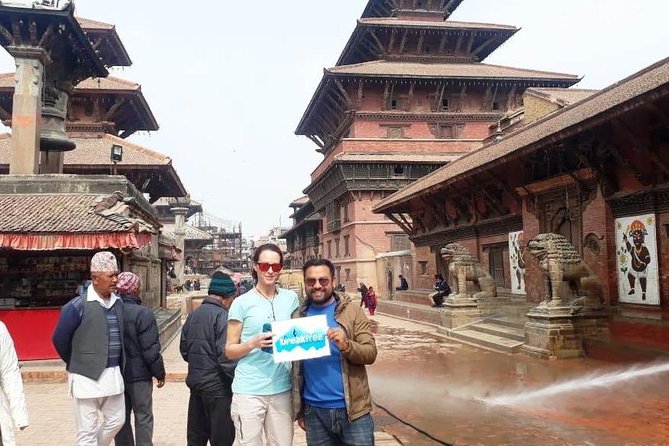
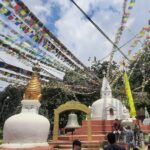
The day often starts at Swaymbhunath, usually called the Monkey Temple. It’s one of those places where the physical layout does part of the teaching: you approach with a sense that the hill is its own world. The stupa area sits at the center of everything, and your guide can help you connect the symbols to what Buddhists believe and practice.
What I like about starting here (if the day is paced well) is that it gives you a mental “anchor.” After Swayambhunath, the rest of the valley monuments make more sense because you’ve already seen how Kathmandu expresses devotion in stone and ritual movement.
Practical note: expect walking and stairs. Even if the stop is listed around 30 minutes, you’ll likely want extra time to watch people praying, observe the surrounding details, and take photos without rushing. If you’re sensitive to crowds, go when your guide suggests and focus on quiet observation rather than fighting for the best angles.
Boudhanath Stupa: The Giant Center of Buddhist Life
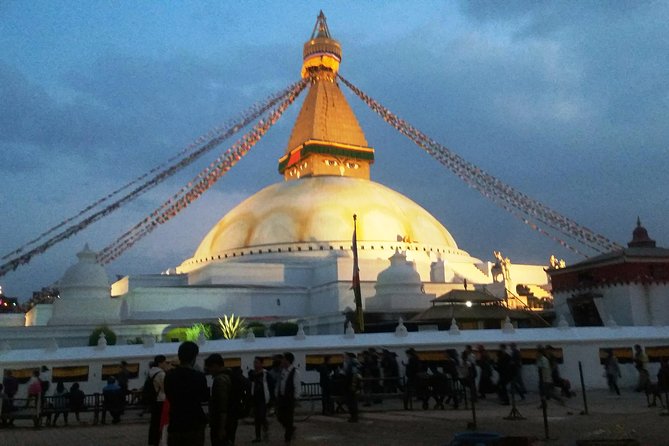
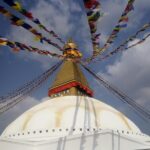
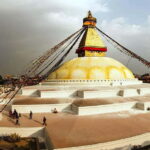
Next up is Boudhanath Stupa, one of the most famous Buddhist sites in Nepal. This is where Kathmandu feels more international, in a good way. You’ll see how the stupa isn’t just a monument; it’s a daily center of activity.
The stop length is about an hour, which is a workable pace. You get time to circle viewpoints, notice prayer wheels and the flow of visitors, and listen while your guide explains the religious meaning behind what you’re seeing. This is also a common lunch area in practice, because the neighborhood has rooftop cafés and views out toward the stupa.
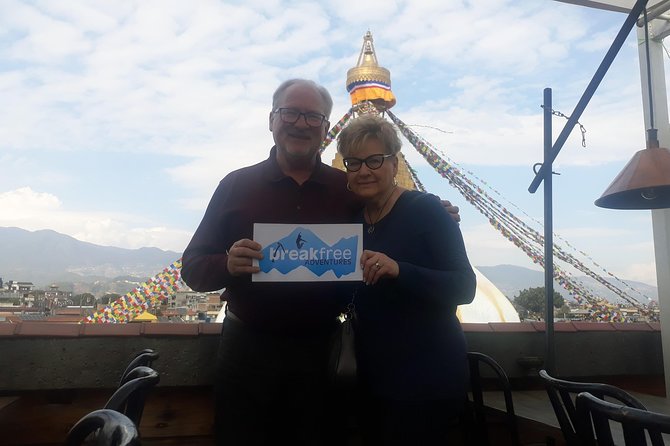
A couple of reviews mentioned a rooftop lunch with views over Boudhanath. If you want an easy, scenic break, ask your guide for a place nearby once you arrive. The tour explicitly allows a lunch break during the day, and your guide should be able to point you to spots that fit your timing.
Pashupatinath Temple: Where Rituals Make the Stone Feel Alive
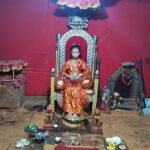
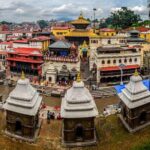
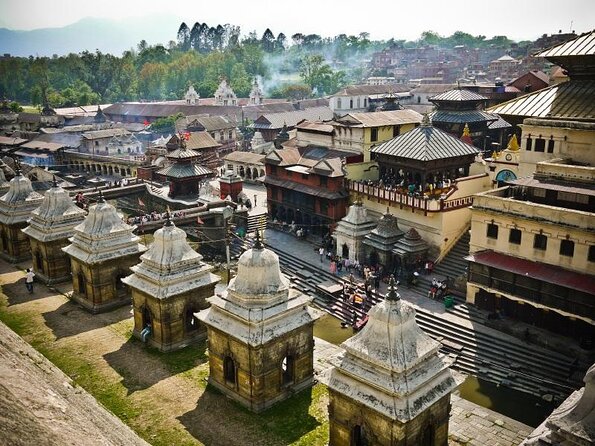
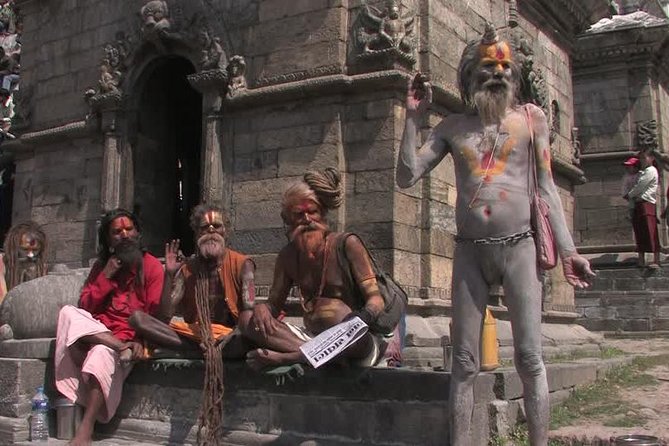
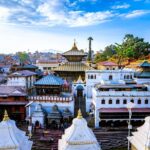
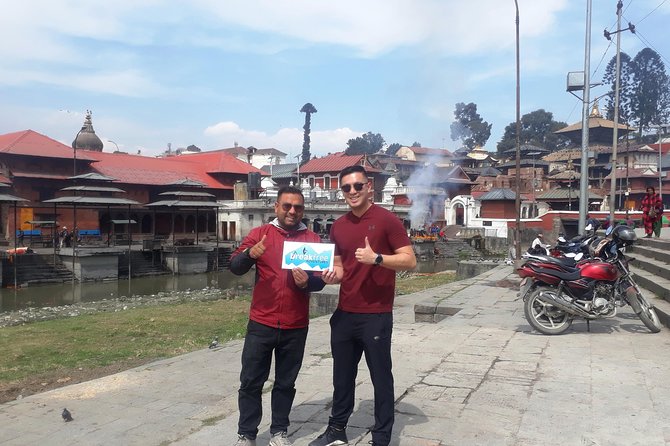
Few places in the valley match Pashupatinath Temple for intensity. It’s a Hindu sacred site tied to the Bagmati River, and your guide can help you understand the rituals and the meaning behind what you’re observing. The tour includes Pashupatinath for about an hour, and the schedule lists Pashupatinath again later, which can be useful if you want a second look from a slightly different angle or if you’re trying to catch more ritual activity.
The big value here is context. Without explanation, it can look like “a lot of people, a lot of action.” With the right guide, it becomes readable: what prayers look like, what different actions mean, and why certain behaviors are important.
One review detail that stands out is how Dipesh (guide name) was praised for patiently waiting so a visitor could witness an Hindu cremation ceremony timing. Your experience may or may not line up with a ceremony, but the point is real: these sites are lived-in, not museum-quiet. If you want to observe respectfully, this is the stop where a good guide can shape your understanding the most.
Important temple rule you should know: only Nepali and Indian nationals of the Hindu faith are permitted to enter inner premises of Hindu temples during the tour. If you’re not in that category, you may still enjoy the site and views from allowed areas, but don’t expect full internal access. Your guide should clarify where you can and can’t go.

Patan Durbar Square + Patan Museum: Crafts, Courtyards, and City History
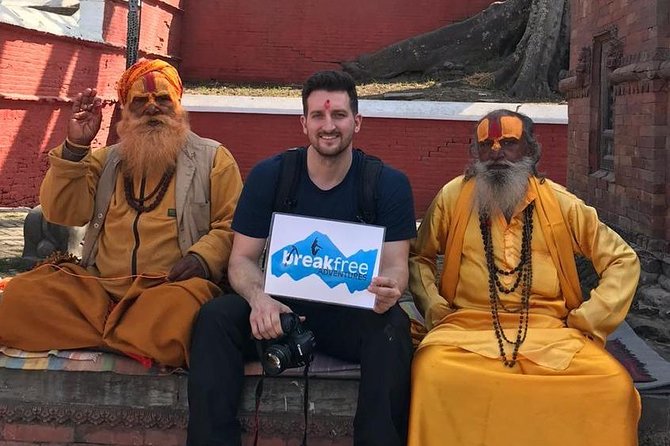
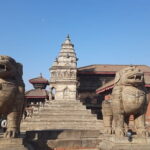
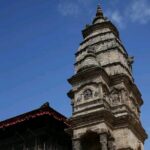
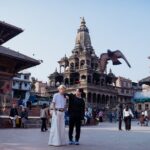
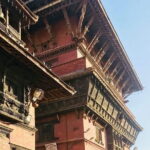
After the big spiritual sites, you shift to Patan with Patan Durbar Square. This is where the valley’s art and architecture feel practical, like you’re stepping into a living workshop of stone carving, temple forms, and old civic space. The tour gives about an hour here, which is enough time to walk the main areas and understand what you’re looking at.
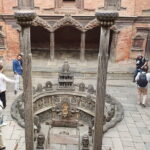
Then there’s Patan Museum, listed at about 30 minutes. Even if you don’t love museums, this stop helps you read the artifacts and architecture you saw outside. Think of it as translation time. The museum is described as a collection of old palaces, courtyards, and temples, including Sundari Chowk. That matters because it’s not just a building with objects inside—it’s a complex that supports the story.
One small downside to keep in mind: once you include museum time, you’ll need to be a bit choosy about photos and how long you linger in each courtyard. If you want maximum wandering freedom, ask your guide early how they prefer to pace this segment.
The schedule also notes Patan gate and includes Thamel as part of the broader day routing. In plain terms, you’ll likely finish closer to central tourist areas where it’s easier to grab food and keep exploring on your own.
The Route Through Changu Narayan and Bhaktapur: More Temple, More Walking
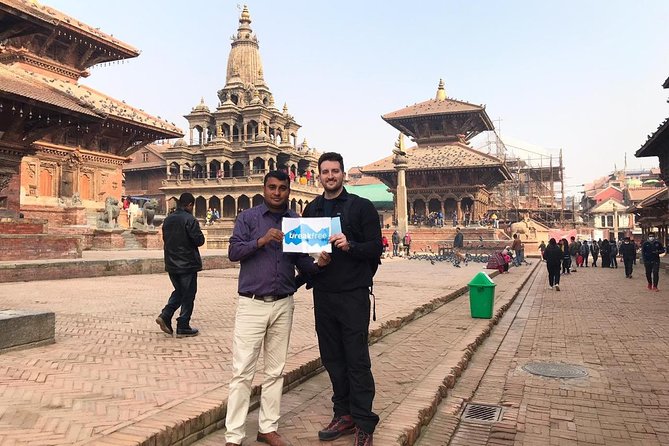
If you’re on the 7-site option, the day expands into Changu Narayan Temple and Bhaktapur Durbar Square. These are high-value stops when you want to feel the valley’s older neighborhoods and see how the UNESCO sites relate to each other geographically and culturally.
Changu Narayan is listed at about 30 minutes with monument entry fees not included. It’s another place where your guide’s explanations can make a short visit feel meaningful, because temple details can be easy to miss if you’re rushing.
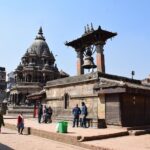
Then comes Bhaktapur Durbar Square, with about two hours. This is one of the more time-friendly stops on the day because you’ll likely want time to absorb the square’s layout and just watch how people move through it. The benefit of longer time here is less “checklist tourism.” You get the chance to step back, take photos without stress, and understand the square as a whole rather than as separate highlights.
Kathmandu Durbar Square and Thamel Timing: Ending Back in the Real City
Finally, you may reach Kathmandu Durbar Square, listed at about 30 minutes. It’s fast by design, so it works best when your guide gives you the key context quickly. If you prefer deeper exploration, consider using that final time for a focused walk around the most important areas rather than trying to see everything.
Thamel is also mentioned as a central tourist hub with restaurants, pubs, hotels, and shops. If your tour ends near Thamel (often how routing works in practice), you’ll have an easy next step: dinner, a calm walk, and maybe a shop run without needing another complicated ride.
This “end back in town” pattern is underrated. After a long day of temples and stupas, you don’t want to head back into the unknown. You want a place where you can safely eat, rest, and plan the next day’s logistics.
Tickets, Timing, and Temple Rules: Practical Stuff You’ll Want to Know
Here’s the financial reality: the headline price doesn’t include monument entry fees. The tour lists them by UNESCO option:
- NPR 1400 for 2 UNESCO sites
- NPR 2600 for 4 UNESCO sites
- NPR 5800 for 7 UNESCO sites
Fees can be lower for SAARC nationalities. You pay in Nepali rupees at each site.
So how does that affect value? The included parts are strong: private A/C transportation, an English-speaking guide, hotel pickup/drop-off (from central Kathmandu), and taxes. When you add the entry fees, you’re still paying for a managed day that would be harder to coordinate solo, especially if you want accurate timing and explanation along the way. The entry fees are predictable once you know which option you booked.
Timing can also affect your experience. On a day that covers multiple sites, you’ll naturally spend more hours in transit. One balancing act mentioned in feedback is that the 4-site plan can include more driving than expected. If you hate “time on the road,” the 2-site option may feel more satisfying.
Also watch your temple access expectations. The tour explicitly notes a restriction: only Nepali and Indian nationals of the Hindu faith can enter the inner premises of Hindu temples. Everyone else should plan for viewing from allowed areas and rely on the guide for interpretation.
What the Best Guides Do: The Dipesh and Deepak Pattern
The biggest reason people rate this tour so highly is not the vehicle or the route. It’s the explanation quality and the pacing decisions. Names show up again and again in the feedback: Dipesh, Deepak, Bidhya, Shankar, Mukesh, Prasant, Razz, Kabin, and others.
What these guides seem to do well:
- They explain rituals while you’re actually watching them, so things click immediately.
- They adjust pacing so you don’t feel dragged through stops.
- They communicate clearly, which matters when you’re moving between different religious spaces.
One specific example from the feedback: a guide like Shankar or Prasant is praised for detailed background explanations before you walk the grounds. Another recurring theme is flexibility, such as changing the schedule speed or adding small extras for special interests. If you’re into monasteries, temple symbolism, or how Hindu and Buddhist practices overlap in Nepal, this tour is designed to handle that kind of curiosity.
Price and Value: When $17 Becomes a Full Day of Transport and Interpretation
At $17 per person, the starting price looks almost too good to be true. The catch is that monument entry fees are extra, plus your guide/driver tips and any meals are out of pocket. Still, the core value is the “don’t make me figure it out” factor.
You’re buying:
- a private vehicle with A/C
- hotel pickup and drop-off (for central hotels)
- a professional English-speaking guide
- taxes handled
That’s the kind of package that can easily cost more if you had to coordinate drivers, interpret signage, and stitch together multiple stops yourself. Kathmandu is not the easiest city to manage on a first day, especially if you’re trying to hit UNESCO sights with confidence.
So if you’re short on time, or if you just want the first day to be calm and guided, this has strong value. If you’re the kind of traveler who wants to roam alone for hours with no structure, you might feel limited by the scheduled stop lengths. For most people, though, the schedule hits the right mix of guided and wandering time.
Who This Tour Suits Best (and Who Should Skip It)
This is a great fit if:
- you want a first-day orientation to Kathmandu Valley
- you’re okay with some walking and stairs
- you want context for Hindu and Buddhist sites
- you’d rather pay for logistics than manage them yourself
You might think twice if:
- you hate driving time and prefer slow, neighborhood-based days
- you want long, unstructured exploration at each monument
- your priority is deep museum time over multiple outdoor sites
For short stays, the 4-site or 7-site options can work well. If you’re more tired after flights or you’d rather keep things gentle, the 2-site option lets you enjoy without rushing.
Should You Book This Private Kathmandu UNESCO Tour?
Book it if you want a smart, guided way to see Kathmandu Valley’s most important UNESCO sites with minimal hassle. The combination of hotel pickup, a private A/C vehicle, and guide-led explanations tends to be exactly what people want after a long travel day. It’s also one of the better choices for travelers who like to understand what they’re seeing, not just collect photos.
I’d choose the 2-site version if you’re sensitive to time and traffic. I’d choose the 4-site option if you want variety without a full-day endurance test. I’d choose the 7-site option only if you genuinely enjoy temple and stupa hopping and you’re ready for a longer day.
If you’re traveling at a time when you can’t guarantee ritual timing, still don’t worry. This tour shines because the guide helps you read the sites even when ceremonies aren’t happening the moment you arrive.
FAQ
FAQ
How many UNESCO sites can I choose on this tour?
You can choose options that cover 2, 4, or 7 UNESCO World Heritage Sites, depending on the plan you select.
Which sites are included?
The tour includes stops such as Swaymbhunath (Monkey Temple), Boudhanath Stupa, Pashupatinath Temple, Patan Durbar Square, Patan Museum, Changu Narayan Temple, Bhaktapur Durbar Square, and Kathmandu Durbar Square.
Are monument entry fees included?
No. Monument entry fees are not included. The tour lists NPR 1400 for 2 UNESCO sites, NPR 2600 for 4 UNESCO sites, and NPR 5800 for 7 UNESCO sites. Fees are paid at each site in Nepali rupees.
Is hotel pickup and drop-off included?
Yes, hotel pickup and drop-off are included by private vehicle, with complimentary service for hotels in Kathmandu city centers. Additional charges may apply outside those areas.
Is this a private tour?
Yes. It’s a private tour/activity, and only your group participates.
Can everyone enter the inner premises of Hindu temples?
No. Only Nepali and Indian nationals of the Hindu faith are permitted to enter the inner premises of Hindu temples during the tour.
How long is the tour?
The duration is listed as approximately 4 to 10 hours, depending on which UNESCO option you choose.
Can I cancel for a full refund?
Yes. Free cancellation is allowed up to 24 hours in advance of the experience’s start time for a full refund.