REVIEW · KATHMANDU
Private Full-Day Tour of Kathmandu Valley With World Heritage Temples and Patan
Book on Viator →Operated by Unique Adventure International Pvt. Ltd. · Bookable on Viator
Kathmandu’s holiest corners fit in one day. I like the private guide approach that helps you make sense of Hindu and Buddhist practices, and I like the UNESCO temple lineup that goes from Monkey Temple views to Patan’s craft squares. One watch-out: the day is fairly full, and you’ll be walking uneven steps—especially at Swoyambhunath and around the Pashupatinath riverfront—so go in with solid mobility.
This is a 7 to 8 hour private tour with pickup from central Kathmandu areas, a dedicated air-conditioned vehicle, and entrance fees included. Lunch isn’t included (you eat near Boudhanath), so you’ll want cash or cards ready for food and drinks, plus the day can be busy around the main sites. Also note the 2015 earthquake damage: some places are still in reconstruction, so you might see scaffolding and partial works.
In This Review
- Key things I’d plan around before you go
- The core experience: UNESCO temples plus Patan in one loop
- First stop: Swoyambhunath (Monkey Temple) and the hilltop views
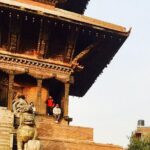
- Patan Durbar Square: Krishna Mandir, Golden Temple, and the “thousands of roofs” feel
- Boudhanath Stupa: one of the biggest shrines and a watch-your-step ritual zone
- Pashupatinath Temple on the Bagmati River: what you’ll see at the ghats
- How a private guide changes the whole day
- Price and value: why $107 can make sense (or not)
- Timing and pace: 8:15am start, then a full spiritual day
- Earthquake reconstruction: what to expect and how to respond
- Clothing, etiquette, and the stuff that keeps the day smooth
- Who should book this Kathmandu Valley day trip
- Should you book? My decision guide
- FAQ
- What sites are included on this full-day Kathmandu Valley and Patan tour?
- How long is the tour, and what time does it start?
- Is the tour private, and who else will be on it?
- What’s the price, and what’s included?
- Is lunch included?
- What should I wear?
- Are there any site changes due to the 2015 earthquake?
Key things I’d plan around before you go
- A tight UNESCO route: Swayambhunath, Boudhanath, Pashupatinath, then Patan Durbar Square
- One-on-one guide time: you get vehicle + guide so you’re not stuck decoding things on your own
- Ritual-focused visits: sadhus, pilgrims, and ceremony at the Bagmati ghats at Pashupatinath
- Patan for the arts and metalwork: Krishna Mandir, Golden Temple, and the craft-driven feel of the square
- Comfort with walking matters: steps, crowds, and temple lanes are part of the day
- Reconstruction is part of the visual story: you may see ongoing recovery at earthquake-affected sites
The core experience: UNESCO temples plus Patan in one loop
This day trip is built for people who want the big Kathmandu Valley names without spending multiple days. You cover major UNESCO-linked spiritual sites—then add Patan, which is where art and craftsmanship really come through. The pacing works because you’re not hopping randomly; you’re moving along a logical north-west to east-to-central route.
The value here is the structure: you get a private guide and private vehicle, plus entrance fees. That means you spend less time figuring out transport and more time understanding what you’re looking at—especially at places like Pashupatinath, where the customs have a rhythm that’s hard to read if you’re just passing through.
If you like your sightseeing with a human explanation (and you don’t want to argue with taxi prices), this format tends to feel worth it.
You can also read our reviews of more tours and experiences in Kathmandu.
First stop: Swoyambhunath (Monkey Temple) and the hilltop views
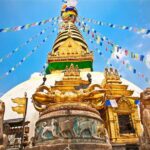
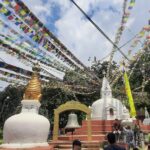
You start at Swoyambhunath Mahachaitya, often called the Monkey Temple. It’s believed to be over 2,000 years old, and it sits on a hill west of the city, so you immediately feel the “overview” moment—Kathmandu Valley stretches out below you.
What I like about this stop is how it sets the tone. From up there, the religious site isn’t just a building. It’s also a vantage point for the city’s layout, which helps you understand why people have used this hill for so long.
Plan for practical reality:
- You’re walking temple lanes and stairs, and the ground can be uneven.
- It’s a popular spot, so the experience can get crowded, especially around the main areas.
- Your guide can help you read what you’re seeing, from the stupa setting to how people move through the space.
Possible drawback: if you’re sensitive to steep climbing or crowded viewing, the first hour can feel fast. Still, getting the views early is a smart way to beat some of the crush.
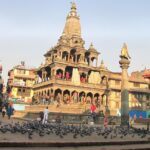
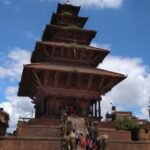
Patan Durbar Square: Krishna Mandir, Golden Temple, and the “thousands of roofs” feel
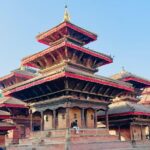
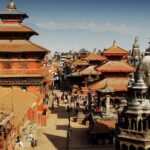
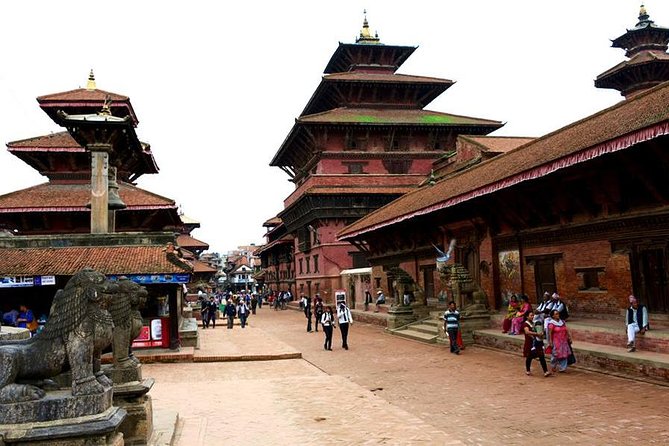
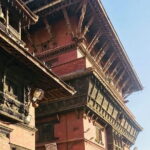
After the hilltop, you move into Patan, famous as the City with a Thousands Roofs and also known for arts and craftsmen—especially metal workers. Patan has a different personality than central Kathmandu. It feels more like a working artist city, where the architecture is the headline and the details reward slow looking.
At Patan Durbar Square, you can see several key temple and courtyard highlights, including:
- Krishna Mandir (a major draw in the square)
- Golden Temple
- Bhimsen Temple
- Manga Hiti
- Jagan Narayan Temple
- Bishwanath Temple
- and additional heritage buildings
The benefit of a guided visit here is simple: it helps you not treat every doorway as the same doorway. You’ll get a clearer sense of what each place is for and why the square’s layout matters. Even with only about an hour allocated, you can still get a lot if you move with purpose.
A consideration: Patan’s lanes can be busy, and you may feel a time squeeze if you stop to shop a lot. If that’s your thing, tell your guide early so you can balance temple viewing with browsing without losing the important sights.
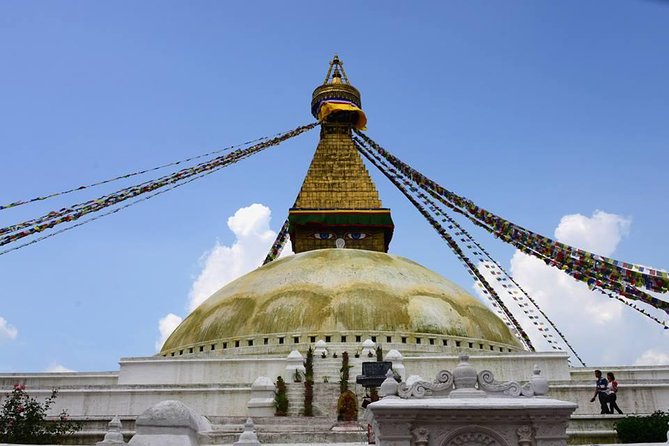
Boudhanath Stupa: one of the biggest shrines and a watch-your-step ritual zone
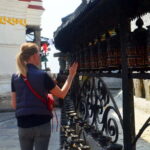
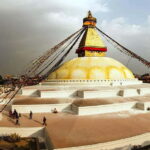
Next comes Boudhanath Stupa, one of the biggest Buddhist shrines in the world. This is where the day shifts from “viewpoints and squares” into something more ceremonial and steady. Expect a powerful sense of scale: the stupa dominates the space, and you’ll see devotees moving around it as part of daily practice.
You have about 2 hours here, which is enough time to:
- walk in the stupa area at a respectful pace,
- watch the movement of worshippers,
- and still pause for quiet observation.
Lunch is planned nearby. Lunch itself isn’t included, but the location is chosen for convenience. So you can take a break without having to cut the day short or search for food far from the stupa.
Practical note: Boudhanath is active. If you’re focused on photography, be patient with foot traffic and people who pause in prayer. Your guide can also help you understand what’s appropriate to photograph and what’s better left unintruded.
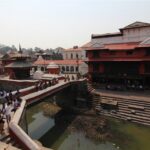
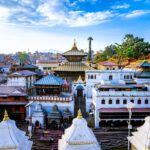
Pashupatinath Temple on the Bagmati River: what you’ll see at the ghats
If Swoyambhunath gives you the “big view,” Pashupatinath Temple gives you the “big meaning.” It sits on the banks of the Bagmati River and is home to one of Nepal’s most famous Hindu temples.
This stop includes around 2 hours, and it’s one of the most emotionally intense places on the route. You’ll see:
- Hindu holy men (sadhus) and pilgrims,
- ritual bathing on the ghats,
- and sometimes funeral pyres burning along the riverfront.
The cremation traditions are described as being used by the royal family and also by ordinary people in the community. That mix is part of what makes the site feel serious and real rather than staged.
How to handle this respectfully (and get more out of it):
- Keep your distance and stay aware of ritual space.
- Dress smart casual, but also act conservatively—avoid anything that feels too casual for a sacred riverfront.
- If you’re unsure about what you’re seeing, your guide is the person to ask. Having context changes the whole experience from “shock” to “understanding.”
A possible drawback: this is not a light, breezy photo stop. Even if you’re prepared, your body may feel tired after walking and observing for a while. If you have a limited comfort level with religious ceremonies, you should still go—but go with patience and a respectful mindset.

How a private guide changes the whole day
A big part of the value isn’t only the temples. It’s the fact that you’re not stuck figuring out what something is while you’re trying to beat traffic.
On this tour, you’re provided a professional guide and a dedicated driver in a private air-conditioned car or van. You’re also traveling as a private group, meaning only your group participates. For many people, that’s the difference between “we saw temples” and “we understood what we saw.”
Guide quality matters a lot in Kathmandu Valley because symbolism is everywhere: in how people walk, what they touch, what they avoid, and how different traditions share the same urban space.
In feedback about this operator, you’ll see names such as Rohit, Noor, Ram, and Khum Subedi mentioned for being helpful and easy to coordinate with. While you won’t control exactly who you get, the pattern is clear: the company places importance on getting you through the day smoothly.
Price and value: why $107 can make sense (or not)
At $107 per person, the pricing looks most reasonable if you care about:
- private transport with pickup from central Kathmandu,
- a private guide,
- entrance fees included,
- and not wasting time managing tickets and transit between sites.
Where you might feel the cost more is if you’re the type who prefers to go totally on your own, or if you only want one or two stops. Here, the idea is that you’re paying for the whole loop, including admissions, so it works best when you’ll actually do all major stops.
Two additional value notes:
- You get a mobile ticket, which tends to simplify entry.
- You’re given smart scheduling with site time blocks (about 1 hour at Swoyambhunath and Patan, about 2 hours at Boudhanath and Pashupatinath).
Extra cost to plan for: lunch and drinks aren’t included. If you budget for those up front, the “headline price” feels more honest.
Also check pickup wording. The tour highlights pickup and drop-off from central Kathmandu areas, but hotel pickup and drop-off are listed as not included. If your hotel is outside the central area, confirm what they consider pickup.
Timing and pace: 8:15am start, then a full spiritual day
The meeting time is 8:15am. That matters. Starting earlier helps you avoid some of the worst site crowding and gives you time to handle temple steps and riverfront walking without rushing too much.
Your site time adds up to about:
- 1 hour at Swoyambhunath
- 1 hour at Patan Durbar Square
- 2 hours at Boudhanath
- 2 hours at Pashupatinath
Transfers and breaks bring it to the stated 7 to 8 hours. In other words: it’s not a “sit and glide” day. It’s a guided route day.
If you’re prone to getting sore from steps or standing long periods, wear supportive shoes and take water seriously. The tour info specifically flags a strong physical fitness level requirement, and the route includes stairs, temple lanes, and ghats.
Earthquake reconstruction: what to expect and how to respond
Kathmandu Valley still carries visible scars from the April 25, 2015 earthquake. The tour notes that some sites were damaged and are in a phase of reconstruction. So you might see:
- restoration work,
- sections that feel incomplete compared to photos you’ve seen online,
- and practical changes in how people move through areas.
I actually think this can be part of the meaning of visiting now. Instead of reading the temples as frozen museum pieces, you see living heritage that’s being repaired and kept in use. Just be ready for the visual reminders that time and recovery are real.
Your best move: don’t treat reconstruction as a problem to “ignore.” Ask your guide what’s being restored and why. That turns a detour into an education.
Clothing, etiquette, and the stuff that keeps the day smooth
This tour uses a smart casual dress code. “Smart casual” in temple contexts means: covered shoulders and a respectful look. At Pashupatinath in particular, you’ll want to act appropriately around ritual space.
Other helpful notes from the tour setup:
- Service animals are allowed.
- The start point is near public transportation, which can be useful if you need a backup route.
- The tour is designed for a group that can handle walking and uneven steps.
If you want a smoother day, do the boring things well: bring a layer for early hours, keep water accessible, and keep your phone charged for the mobile ticket.
Who should book this Kathmandu Valley day trip
This tour is a strong fit if you:
- want big UNESCO sites plus Patan in one day,
- like the idea of a private guide who can explain what you’re seeing,
- are comfortable with a full schedule and some uphill or uneven walking.
It’s also a good match for first-time Kathmandu visitors who don’t want to piece together multiple tours. If you’re a temple watcher who likes context, the guide time is where this pays off.
If you’re looking for a slow, low-effort day with minimal crowds and minimal walking, you might find this route a bit intense.
Should you book? My decision guide
Book this tour if you want a structured, high-impact day where a guide helps you understand major spiritual sites in Kathmandu Valley and Patan—plus you want admissions and private transport handled for you. The $107 price feels most fair when you value the convenience and the explanation time, not just the photos.
Skip or reconsider if you:
- have limited mobility for stairs and riverfront walking,
- prefer a shorter itinerary,
- or don’t want to witness religious ceremony at Pashupatinath.
If you’re on the fence, ask yourself one question: do you want your day to feel organized and meaningful, with a guide steering you through real rituals? If yes, this is the kind of day that tends to leave people feeling they actually learned something, not just checked boxes.
FAQ
What sites are included on this full-day Kathmandu Valley and Patan tour?
You’ll visit Swoyambhunath (Monkey Temple), Patan Durbar Square, Boudhanath Stupa, and Pashupatinath Temple on the Bagmati River, plus Patan highlights within the Durbar Square area.
How long is the tour, and what time does it start?
It runs about 7 to 8 hours and starts at 8:15am.
Is the tour private, and who else will be on it?
It’s a private tour/activity, so only your group participates.
What’s the price, and what’s included?
The price is $107.00 per person. Included are a professional guide, driver, private air-conditioned transport, and entrance fees. You also get pickup from central Kathmandu areas per the tour highlights.
Is lunch included?
Lunch is not included, but lunch is planned near Boudhanath Stupa.
What should I wear?
The dress code is smart casual.
Are there any site changes due to the 2015 earthquake?
Some sites were damaged by the April 25, 2015 earthquake and are in a reconstruction phase, so you may see restoration work during your visit.