REVIEW · KATHMANDU
Full Day Kathmandu City Sightseeing Tour of UNESCO Heritage Sites
Book on Viator →Operated by Welcome Nepal Treks P.ltd · Bookable on Viator
Kathmandu’s temples make a fast, memorable first impression. This full-day UNESCO loop is built for good pacing: a morning start at Swayambhunath Temple for big views, then down through key Kathmandu Valley sites with time for questions and photos. I love the small group size (max 15), which keeps things friendly and helps your guide actually answer your stuff. One key heads-up: lunch and site entrance fees aren’t fully wrapped up in the base cost, so budget extra and plan what you’ll eat.
You’ll get hotel pickup and drop-off in Kathmandu Valley and ride in an air-conditioned vehicle. The tour runs about 7 hours (plan around 8) with a start time listed at 8:45am, and you’ll finish back in the city the same day. If you like clear structure and not having to figure out transport between major UNESCO stops, this is an easy way to do it.
In This Review
- Key Things I’d Plan Around
- Morning Pickup and a Small-Group Rhythm That Fits Real Life
- Swayambhunath Temple: Why This First Stop Feels Like the Best Intro
- Patan’s Temple Complex: Art, Stonework, and a Real Sense of Craft
- Pashupatinath Temple: A Major Religious Stop With Strong Atmosphere
- Boudhanath Stupa: Where the Day Gets Quieter
- Price and Logistics: Is $50 Good Value for UNESCO Stops?
- What to Expect From Your Guide (and Why It Matters Here)
- How to Make the Day Easier on Your Body
- Who This Tour Suits Best
- Should You Book This Kathmandu UNESCO City Tour?
- FAQ
- How long is the Kathmandu city sightseeing tour?
- What time does the tour start?
- What does the tour cost?
- Is hotel pickup and drop-off included?
- Is lunch included?
- Are entrance fees included?
- How many people are on the tour?
- Is there a cancellation option for a full refund?
- Is the tour suitable for pets?
Key Things I’d Plan Around
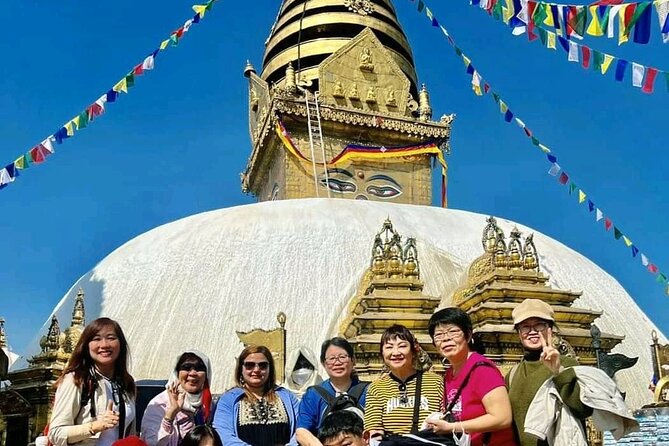
- Max 15 people means less waiting and more personal guiding time.
- Morning at Swayambhunath sets you up for skyline views over Kathmandu Valley.
- UNESCO checklist approach covers Swayambhunath, Patan, Pashupatinath, and Boudhanath in one day.
- Hotel pickup and drop-off keeps your day smooth even if you’re new to Kathmandu.
- Bring money for food and entrances since lunch is not included and entrance fees are flagged as extra.
- Air-conditioned transport helps when traffic and heat show up.
Morning Pickup and a Small-Group Rhythm That Fits Real Life
This tour is priced for a straightforward day: $50 per person with hotel pickup, guide, and transport included. For me, that matters because Kathmandu traffic can eat time, and a guided route saves you from the mental load of planning where to go next. You’re also not stuck in a huge crowd. With a maximum of 15 travelers, the group stays manageable at temple entrances and around viewpoints.
Timing is another reason this works. The day is listed as about 7 hours, with a note to plan for roughly 8 hours. That extra buffer is smart. Temples are never strictly on the clock: you slow down at stairs, you pause for photos, and you stop when you want your guide to explain what you’re seeing.
Also, expect the day to be morning-forward. You’re scheduled to start at 8:45am, and the tour description says you meet your guide around 8:00am. Either way, you’ll be out early enough to make the most of daylight, before the day gets too hot and busy.
You can also read our reviews of more tours and experiences in Kathmandu.
Swayambhunath Temple: Why This First Stop Feels Like the Best Intro
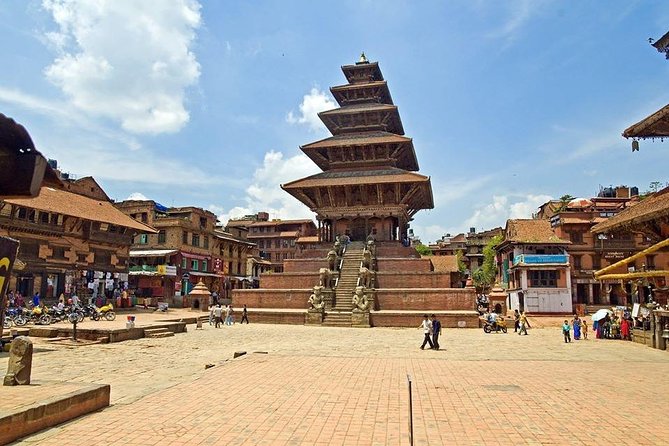
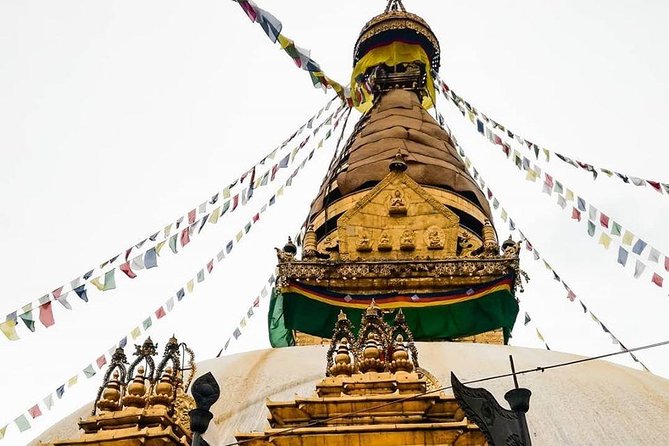
Swayambhunath is a strong opener because it gives you the Kathmandu Valley overview right away. You’ll start at Swayambhunath Temple, described as the oldest temple of Nepal, and your time there is set aside at around one hour. That hour is long enough to do more than just rush in, grab photos, and leave.
I like that the visit is structured around both meaning and momentum. You get to explore the temple area and get that classic elevated look over the city. When I’m choosing a first UNESCO stop, I want a place that helps me understand the map of where everything sits—Swayambhunath does that fast.
What to consider: you’ll be on foot inside and around temple grounds. Even with an hour, you’ll want comfortable shoes and a good plan for where you’ll stand for photos. If you’re the kind of person who likes to ask questions, this is also a good moment to do it, because the group is still fresh and your guide can set context without rushing.
Patan’s Temple Complex: Art, Stonework, and a Real Sense of Craft
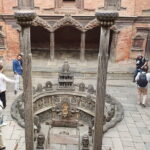
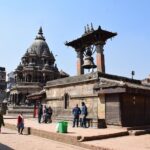
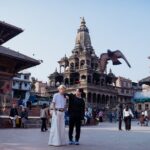
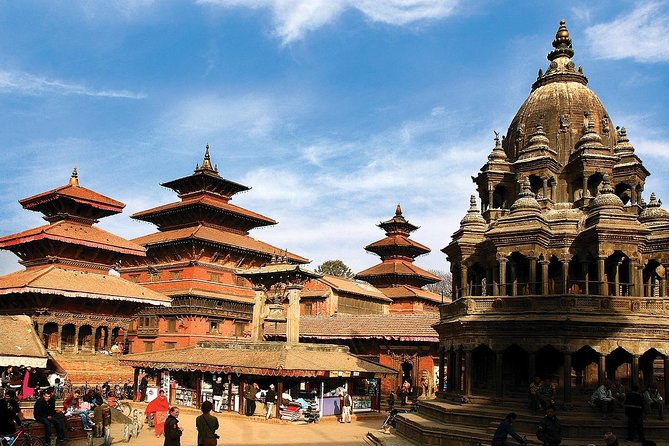
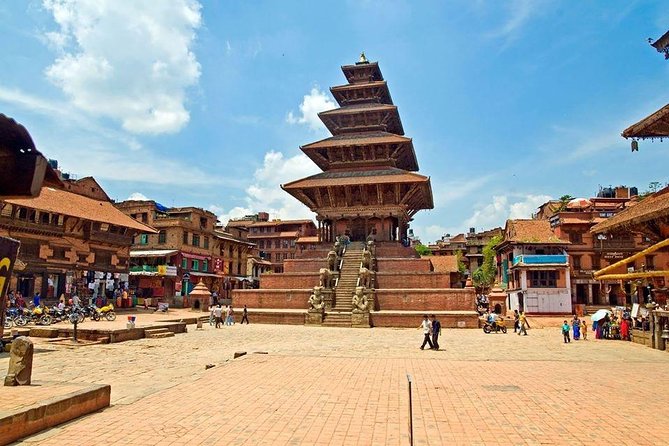
After Swayambhunath, the day shifts to Patan, often called the city of arts. The route takes you by drive from the central Kathmandu area toward Patan, and then your guide leads you through several major temple stops. This part is less about one single viewpoint and more about layered details—temple carvings, older structures, and the way the neighborhood feels in motion.
You’ll visit temples including Krishna Mandir, Bhimsen Temple, and Taleju Bhawani Temple. Those names matter because they signal what you’re actually looking at. This isn’t just a quick walk past big gates. You’re meant to notice the architecture and then connect it to the places people worship and gather.
The day also includes a lunch break in the general sense, but here’s the practical catch: the tour note is clear that lunch is not included, and food and drinks aren’t listed as part of the cost. So you’ll want to treat this as time to eat independently—either bring something small or plan to pay for lunch near where you stop.
A quick advice move: if you care about photos, Patan is one of the better sections for it because the temple clusters give you lots of angles without needing dramatic travel. Just remember that temple areas often require slower movement and you may have rules about what’s appropriate to wear.
Pashupatinath Temple: A Major Religious Stop With Strong Atmosphere
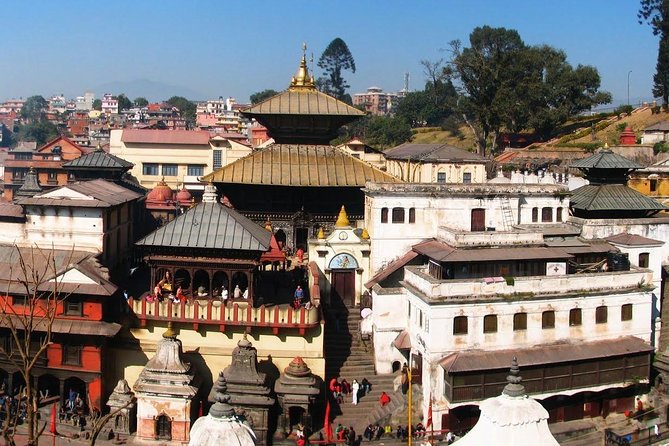
Next up is Pashupatinath Temple, one of the most famous religious sites in Kathmandu Valley. In a day like this, it’s valuable to include a temple that represents the city’s spiritual heartbeat. Even if you’re not deeply religious, these places help you understand how life is organized around faith and ritual.
The tour keeps this part guided. That’s the real value: you’re not just looking at a landmark; you’re getting explanations for what you’re seeing and why it matters. When people talk about Kathmandu, they often focus on big sights. Pashupatinath is one of the places where the details matter—how people move through the space, how worship is arranged, and how the temple complex functions as a living place rather than a museum.
Considerations here are the same as other temple visits: respectful behavior and a slower pace. If you’re sensitive to crowds, plan to adjust your expectations. This is a famous stop, so you may have to wait at specific areas for the best view or to step aside while worship continues.
Boudhanath Stupa: Where the Day Gets Quieter
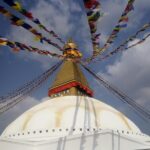
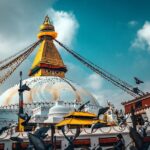
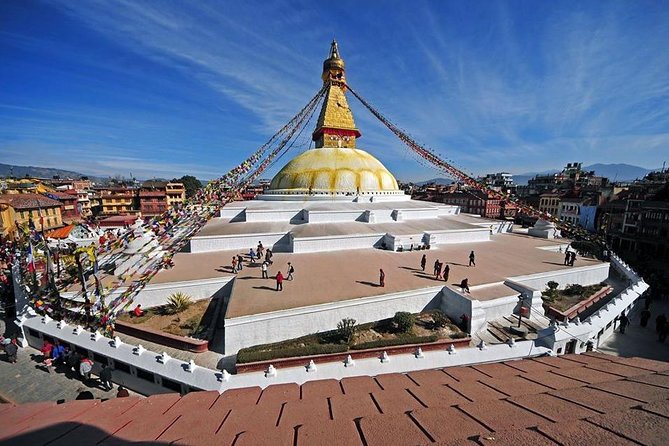
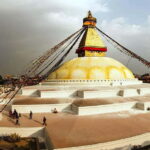
After the heavier-feeling intensity of major temples, Boudhanath Stupa often provides a different vibe. This stop is known for its stupa setting and the way people gather around it, so it’s a natural moment to slow down and reset your senses.
Boudhanath works well in a guided itinerary because your guide can help you interpret what you’re seeing rather than treating it like a checklist photo. Your time there isn’t described in minutes like Swayambhunath, but it’s part of the same all-day loop that totals about 7 hours to 8 hours. That time budgeting is why tours like this are useful: you get the key UNESCO stops without trying to connect too many separate plans on your own.
This is also a great stop to ask practical questions. If you’ve been taking notes in the morning, you’ll likely get more out of the stupa visit once you understand the symbolism and the etiquette. Keep it simple: dress appropriately, move carefully, and don’t block others while you photograph.

Price and Logistics: Is $50 Good Value for UNESCO Stops?
At $50 per person, this tour can be good value if you want a guided hit list and you don’t want to manage transport between multiple sites yourself. What you’re paying for includes several real-world time-savers:
- Hotel pickup and drop-off in Kathmandu Valley
- Professional guide
- Air-conditioned transportation
- A small group limit (max 15)
Where cost can get tricky is food and entrances. The tour notes are consistent on one point: lunch is not included. Food and drinks are also listed under not included. That’s common, but it means your day budget should include at least one paid meal.
Entrance fees are where you should double-check before you go. The tour highlights say entrance fees to the sites are an extra fee, but the inclusions list also mentions entrance fees to visit UNESCO sites ticket. Since the information conflicts slightly, I’d treat it as a confirmation question during booking or before departure: ask your operator whether the UNESCO entry fees at each stop are covered in your ticket, or if you’ll pay on site.
If you like predictable logistics, this day tour still fits—just don’t assume your full costs are only the $50.
What to Expect From Your Guide (and Why It Matters Here)
This is one of those tours where the guide can make or break the experience. The itinerary is straightforward, but places like Swayambhunath, Patan temple areas, Pashupatinath, and Boudhanath are complex. You’ll get more out of the day if someone helps you connect the visuals to the meaning.
In the guide-style feedback tied to this experience, names come up like Ranjit Godar, Kesher, and Rabina. The common thread is that these guides explain sights at a pace that leaves room for questions and photos. That’s exactly what you want in a tight UNESCO day: not a lecture, not a rush, just clear context that keeps you oriented.
For you, the practical takeaway is simple: use the early stops to set your expectations. If you want more explanation, ask. If you want more time for photos, say so. With only up to 15 people, your guide can usually adapt better than on big group tours.
How to Make the Day Easier on Your Body
A temple-heavy route means you’ll walk, climb stairs, and stand while other people move through worship areas. Even though the day includes transport between stops, the on-foot time adds up.
Here’s what I’d do to keep it comfortable:
- Wear comfortable shoes with grip for stone steps.
- Bring a light layer; mornings can feel cool and then warm up quickly.
- Carry water and plan where you’ll buy it since food and drinks aren’t included.
- Keep your day bag simple so you can move freely in and around temple spaces.
Also, plan your photography with respect in mind. A good rule: pause, position yourself without blocking, then shoot. If you need a second angle, step aside and reset rather than crowding.
Who This Tour Suits Best
This fits best if you’re:
- Short on time and want the top UNESCO sites in Kathmandu Valley in one outing
- New to Kathmandu and want pickup/drop-off plus an organized route
- Traveling solo or in a small group that still wants structure
- Someone who appreciates guided explanations at religious sites
It may be less ideal if you want total independence. This tour is designed as a shared day with a set flow, and you’ll follow the group rhythm.
One more note: the tour is marked not suitable for pets, so if that matters for you, you’ll need a different option.
Should You Book This Kathmandu UNESCO City Tour?
If you want a guided way to see Swayambhunath, Patan, Pashupatinath, and Boudhanath without spending your trip figuring out transport, I’d book this. The value is strongest when you factor in hotel pickup/drop-off, air-conditioned transport, and a small group that keeps things human-sized.
Just be smart about two things before you go: plan for lunch on your own, and verify how entrance fees are handled for the specific sites. Once you do, this is the kind of day tour that makes your Kathmandu time feel focused—like you got the essentials with context, not just snapshots.
FAQ
How long is the Kathmandu city sightseeing tour?
It runs for about 7 hours (approx.), with a note to plan around 8 hours for the full experience.
What time does the tour start?
The listed start time is 8:45am, and the tour also indicates guide pickup around 8:00am.
What does the tour cost?
The price is $50.00 per person.
Is hotel pickup and drop-off included?
Yes. Hotel pickup and drop-off in Kathmandu Valley are included, and the guide comes to your hotel for pickup.
Is lunch included?
No. Lunch is not included. Food and drinks are not part of the tour.
Are entrance fees included?
Entrance fees are flagged as an extra fee in the tour highlights, but the inclusions list also mentions UNESCO entrance fee tickets. I recommend confirming at booking what you’ll pay on site.
How many people are on the tour?
It’s a small group with a maximum of 15 travelers.
Is there a cancellation option for a full refund?
Yes. Free cancellation is available, and you can cancel up to 24 hours in advance for a full refund.
Is the tour suitable for pets?
No. It is marked not suitable for pets.