REVIEW · TOKYO
From Tokyo: Nikko World Heritage Full Day Private Tour
Book on GetYourGuide →Operated by Japan Priavte Tours · Bookable on GetYourGuide
Nikko hits hard in a single day: shrines, waterfalls, and views. You’ll spend the morning at Nikko Toshogu Shrine, with time for the intricate gates and carvings, then you’ll move on to the mountains for the Akechidaira Ropeway and big panorama stops. I like that this tour feels structured but not rushed, and you’re not stuck figuring out trains and transfers on your own.
The private setup also helps. Pickup is built in (from Shibuya or Shinjuku, plus other Tokyo-area options), you get luxury transport with WiFi, and the guide keeps the story straight as you walk through places tied to Tokugawa Ieyasu and Japan’s spiritual culture. The one drawback to consider: it’s a long 12-hour outing, and while lunch isn’t included, there’s a stop where you can buy food. Also, the notes say wheelchair accessible, but they also say it’s not suitable for wheelchair users—so you’ll want to confirm fit based on your mobility needs before booking.
In This Review
- Key highlights worth planning for
- Why Nikko Works as a One-Day Private Trip from Tokyo
- Hotel Pickup and the Comfortable Drive (WiFi Included)
- Nikko Toshogu Shrine: Tokugawa Ieyasu and the Details That Make It
- Shinkyo Bridge: A Photogenic Gateway with Real Historical Weight
- Kanmangafuchi Abyss and Jiunji Hondo Temple: Jizo Statues as a Quiet Detour
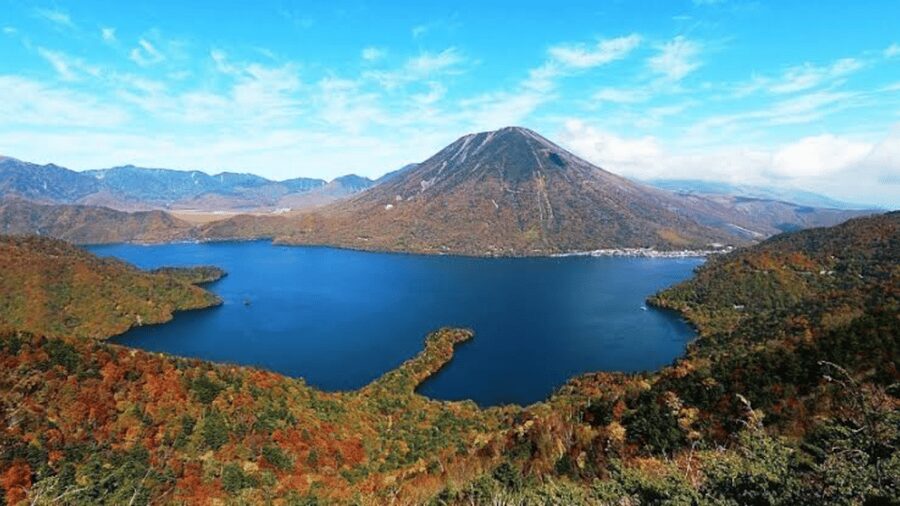
- Akechidaira Ropeway: Mount Nantai and the Panoramas Over the Water
- Lake Chūzenji: Volcanic Origins and a Break with Clear-Water Views
- Kegon Falls: 97 Meters of Power, Plus Winter Ice Drama
- Edo Wonderland: Finish with Edo-Period Atmosphere and On-Site Activities
- Price and Value: Is $418 Worth It for a Private Group?
- Who Should Book This Nikko Private Day Trip (and Who Might Reconsider)
- Should You Book This Nikko Private Tour from Tokyo?
- FAQ
- How long is the Nikko World Heritage full-day private tour?
- What are the main places included in the itinerary?
- Is hotel pickup included, and where can I be picked up in Tokyo?
- How does the ropeway fit into the day?
- Is lunch included?
- Are tickets handled for you, or do you need to wait in line?
- What languages are available for the live guide?
- Is WiFi available during the tour?
- Are photography stops included?
- Can I cancel if my plans change?
Key highlights worth planning for
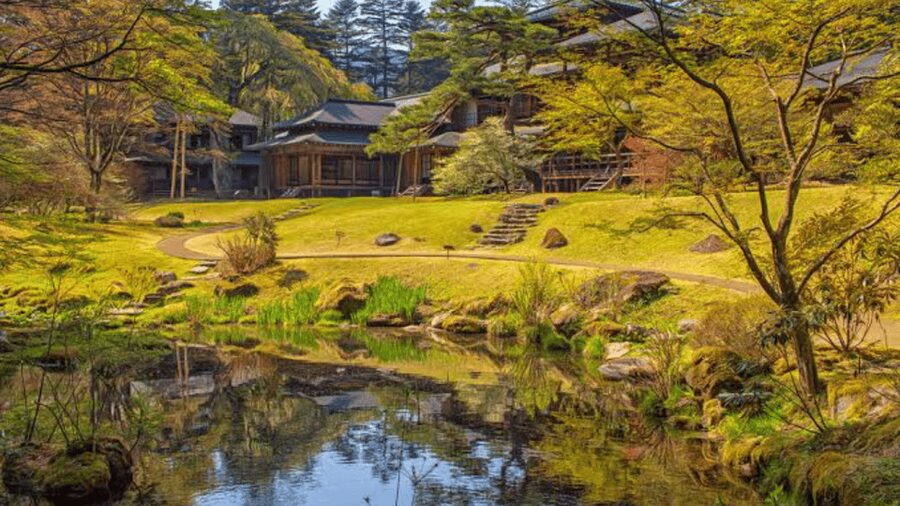
- Private group up to 6, with hotel pickup from Tokyo areas like Shibuya and Shinjuku
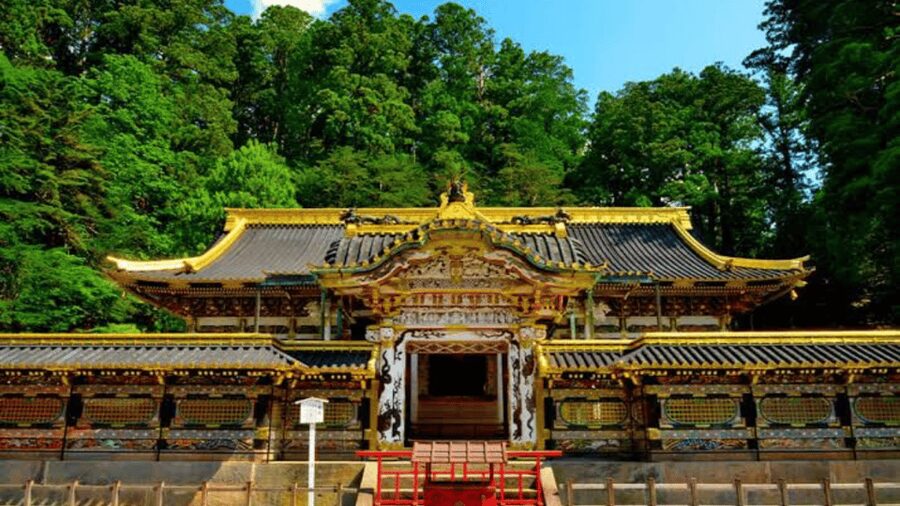
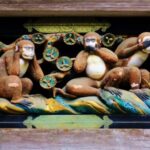
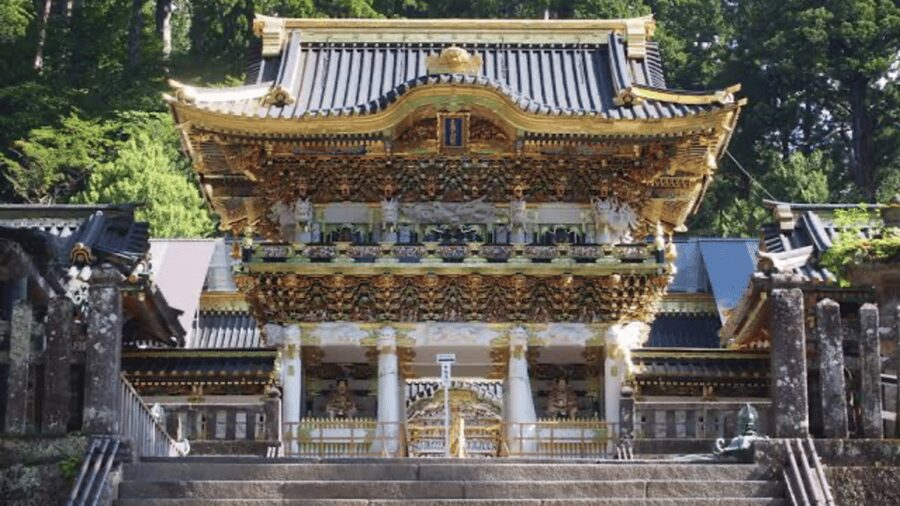
- Nikko Toshogu Shrine time for the Yomeimon Gate and details like the sleeping cat sculpture
- Shinkyo Bridge plus Kanmangafuchi Abyss and its long line of Jizo statues
- Akechidaira Ropeway ride to observation decks above Lake Chuzenji and Kegon Falls views
- Kegon Falls: a 97-meter drop with winter freezing possibilities
- Edo Wonderland to finish with an Edo-period theme park and craft/performance-style experiences
Why Nikko Works as a One-Day Private Trip from Tokyo
Nikko is one of those places where a day trip can feel either perfect or chaotic. This private format is the “perfect” option because Tokyo-to-mountain logistics are handled for you. You’re picked up in Tokyo, driven to Nikko National Park, and guided through the main cultural anchors and the big nature hits.
I like how the itinerary matches Nikko’s personality: sacred spaces first, then water and height. You start at Nikko Toshogu, then you shift to bridges, statues, and mountain views before ending with waterfalls and Edo-period fun. For many people, it’s the fastest way to understand why Nikko became famous enough to earn UNESCO World Heritage status.
One more practical point: you’re doing a lot of walking on uneven ground and in outdoor settings. If you’re traveling with a “see everything but stay comfy” mindset, you’ll still enjoy this—but plan to move with the group and accept that the mountain day runs on its own tempo.
You can also read our reviews of more tours and experiences in Tokyo.
Hotel Pickup and the Comfortable Drive (WiFi Included)
The transport side matters more than it sounds. When you’re heading into the mountains from Tokyo, road time can feel long; the tour makes it easier by packing comfort and connectivity into the ride. You get luxury transportation with air conditioning and WiFi, plus highway tax is covered.
Pickup is flexible within Tokyo. The tour lists pickup options in Shibuya City and Shinjuku City, and it also says pickup is possible from key train stations like Tokyo Station or Shinjuku Station. If you’re staying elsewhere in Tokyo, you can share a custom pickup location and they’ll try to accommodate you.
A small tip that helps: the instructions say to wait in your hotel lobby 10 minutes before the scheduled pickup. After that, drivers will wait no longer than 60 minutes after pickup time. So if your morning routine tends to run long, give yourself a little buffer.
Nikko Toshogu Shrine: Tokugawa Ieyasu and the Details That Make It
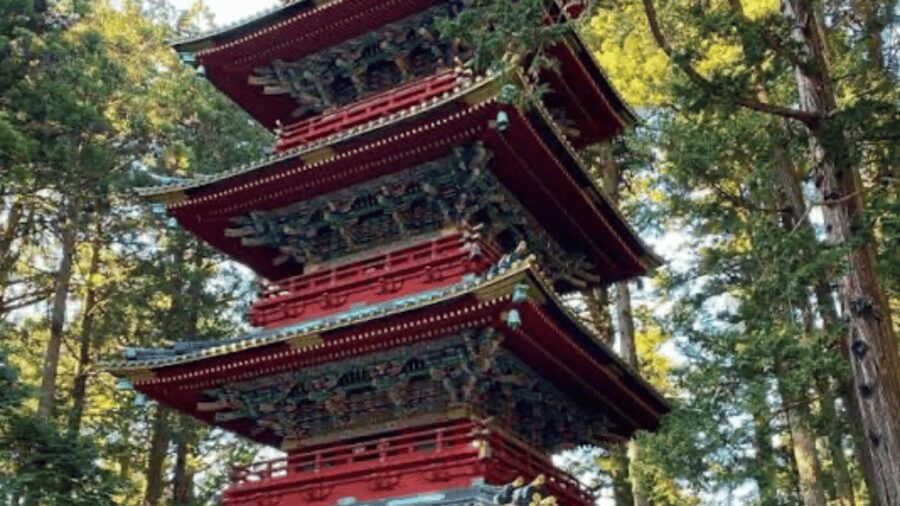
This is the centerpiece of the day, and it’s set in a calm forest setting that changes how you experience the place. You’ll get a guided visit and photo time at Nikko Toshogu Shrine, which is dedicated to Tokugawa Ieyasu. The tour gives you about an hour here, with enough time to slow down and look at what people come for.
What you should actively look for:
- The Yomeimon Gate, known for its extremely fine craftsmanship
- Colorful, detailed carvings across the shrine grounds
- The famous sleeping cat sculpture
The shrine isn’t just “pretty architecture.” It’s a snapshot of how power, religion, and artistry got connected in the Tokugawa era. A good guide helps you read the symbolism so you’re not just collecting photos—you’re understanding why the design is the way it is.
Photo tip: the shrine is covered in detail, and your best shots will be at eye level and slightly angled. If you rush, you’ll mostly end up with wide shots. Take a breath, get a few close-ups, and then expand outward.
Shinkyo Bridge: A Photogenic Gateway with Real Historical Weight
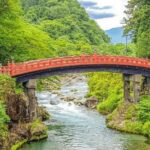
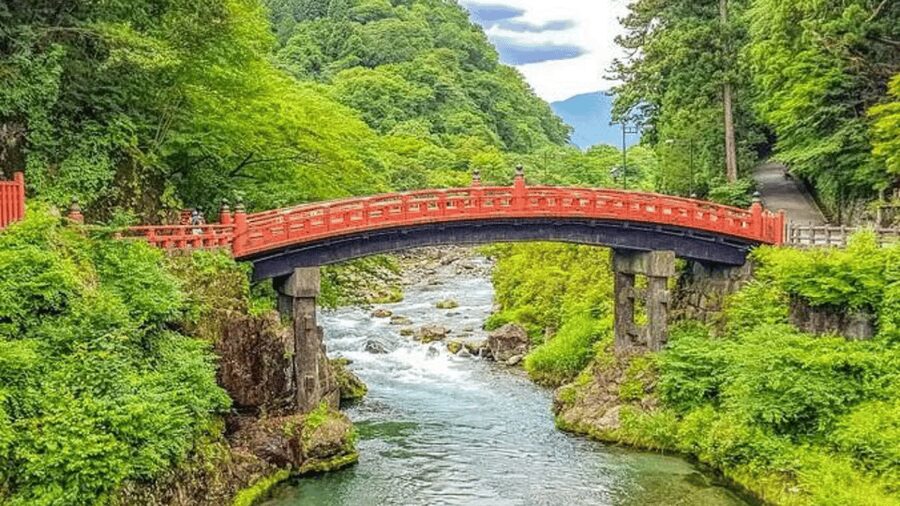
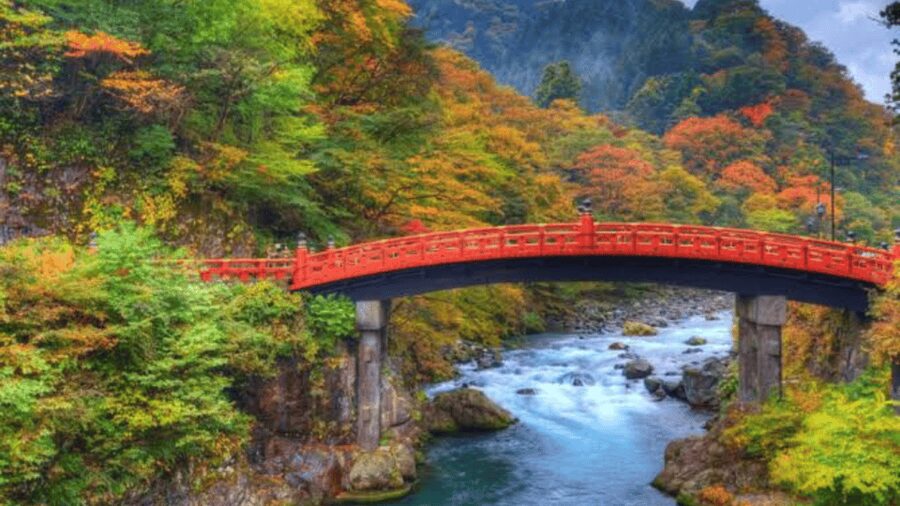
After Toshogu, the day shifts to one of Nikko’s best-known icons: Shinkyo Bridge. It spans the Daiya River and is repeatedly described as one of Japan’s most beautiful bridges. You’ll have time here for a photo stop, a guided tour, and walking around—also about an hour.
Why this bridge matters beyond the picture:
- It’s an iconic symbol tied to Nikko’s spiritual heritage
- Historically, it functioned like a gateway toward the Nikko shrines
Because the bridge is photographed so often, it’s easy to think you’ve already “seen it.” The reality is you’ll notice different things in person: the texture of the bridge, the framing in the green and seasonal changes, and how the river setting adds movement to the scene.
If you’re visiting during autumn, expect especially strong scenery around the bridge. Even without peak foliage, it still works because the structure and the forest backdrop carry the story.
Kanmangafuchi Abyss and Jiunji Hondo Temple: Jizo Statues as a Quiet Detour
Between the major photo stops, this tour adds a slower, reflective moment: the Kanmangafuchi Abyss area. You’ll walk along a pathway lined with over 70 Jizo statues. These are associated with the spirits of children and travelers, which is why the mood here feels different than at the shrines and bridges.
The route continues to the nearby Jiunji Hondo Temple, where you get a calmer retreat from the busier viewpoints. In the itinerary timing, this section is handled as guided sightseeing and walking.
What I like about this stop: it’s not the kind of sight you just speed through. Jizo statues make you pause naturally. The path and river sounds keep the pace gentle, so it balances the day’s “big wow” moments with something quieter.
Practical note: the walk is part of the experience, but it’s still outdoors. Wear shoes that handle uneven ground. Your knees will thank you later.
Akechidaira Ropeway: Mount Nantai and the Panoramas Over the Water
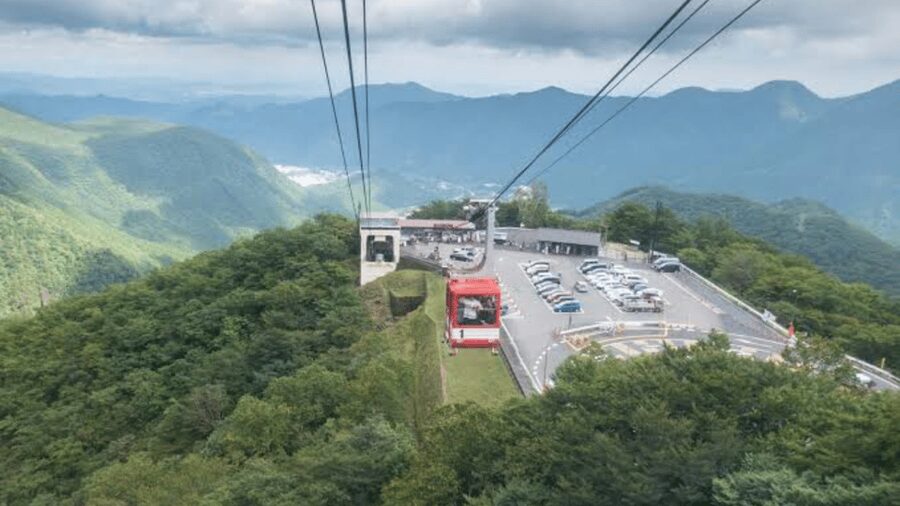
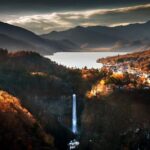
Once you’ve done the shrine-and-bridge circuit, the day turns upward with the Akechidaira Ropeway. The tour includes a scenic ride that takes you to an observation deck in Nikko National Park.
From the top, you’ll enjoy panoramic views that include:
- Mount Nantai
- Lake Chuzenji
- Kegon Falls
This is one of those moments where the effort pays back quickly. The ropeway isn’t just transport—it’s a viewpoint on its own, and it changes your understanding of where everything sits relative to each other.
What to watch for: mountain weather can change fast. The tour notes say it operates in all weather conditions, so dress accordingly and treat mist or rain as part of the day. Sometimes the clouds lower your visibility, but the ride still gives you the “from above” perspective that makes Nikko feel like a real region rather than a list of attractions.
Lake Chūzenji: Volcanic Origins and a Break with Clear-Water Views
Lake Chūzenji is a highland lake formed by volcanic activity, and it’s one of the best places to reset your pace. You’ll get photo time and a guided visit here, plus about an hour of sightseeing and walking.
What makes Lake Chuzenji worth your time:
- Crystal-clear waters in clear conditions
- A scenic setting at the foot of Mount Nantai
- Options nearby like boating, hiking, and picnicking (if you want to add extra activities)
In autumn, the area can look incredible with foliage changes. Even if your timing isn’t peak season, the lake still gives you space—space to breathe, grab a snack, and look back at what you already climbed toward.
If you want the best experience, don’t just stand at one spot. Take a slow circuit where you can see the shoreline and the slopes behind it.
Kegon Falls: 97 Meters of Power, Plus Winter Ice Drama
Then you’re back to the stars of Nikko’s natural side: Kegon Falls. The tour includes photo time, a guided visit, and sightseeing/walking for about an hour here.
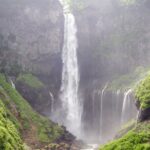
The falls drop 97 meters into a rocky gorge. That number matters when you stand there—because the scale becomes obvious fast. You’ll access the viewpoint via a short walk from Lake Chuzenji, and there’s an observation platform for the main view.
Seasonal bonus (and you’ll see why people remember this stop): in winter, the falls can freeze, creating ice formations. The tour notes also suggest walking trails and additional viewpoints in the area, so if the crowds feel manageable, you can look beyond the first platform.
One practical consideration: if it’s wet or icy, paths can get slippery. Good grip shoes are the unsexy hero of any waterfall day.
Edo Wonderland: Finish with Edo-Period Atmosphere and On-Site Activities
After waterfalls, the energy shifts again with Edo Wonderland, a theme park designed to recreate the feeling of Japan’s Edo period (1603–1868). This is in Nikko, Tochigi Prefecture, and it’s a fun contrast to shrines and natural sites.
The tour includes cultural activities such as traditional craft workshops and performances at Edo Wonderland. That’s a nice way to end the day because it brings you from “watching history from a distance” to participating in staged experiences that explain daily life.
Even if theme parks aren’t usually your thing, this stop can work well here because it functions like a bridge between the Tokugawa era at Nikko Toshogu and the wider Edo world.
Price and Value: Is $418 Worth It for a Private Group?
Let’s talk money in a practical way. This tour is listed at $418 per group up to 6, lasting about 12 hours. For some people, it sounds steep until you break down what’s included.
Your money covers:
- Hotel pickup and drop-off in Tokyo
- Luxury transport (air-conditioned, with WiFi)
- Highway tax
- Coffee/tea
- Guided tours at key stops
- Photo stops and time built into the schedule
- Entry-related handling like skip-the-ticket-line
What’s not included is food and drinks—lunch is not included, though there’s a stop where you can buy food. Optional add-ons and personal purchases are also on you.
So the value question becomes: are you splitting the cost with others, and do you want the guide’s pacing and explanation? If you’re traveling as a couple, this is still often cheaper than you’d think compared with two separate private rides plus the time cost of managing transport yourself. If you’re a family or a small group, the per-person math usually starts looking very reasonable.
Also, the “private” part changes the day. You’re not fighting crowds at every stop, and the guide can tailor explanations and timing based on your pace.
Who Should Book This Nikko Private Day Trip (and Who Might Reconsider)
I’d put this tour on your shortlist if you want:
- Big highlights in one go: Nikko Toshogu, Shinkyo Bridge, Lake Chuzenji, and Kegon Falls
- A guided day that explains what you’re seeing (rather than just scanning signs)
- Comfortable Tokyo-to-Nikko transport with WiFi
- A mix of culture and nature, without needing to plan transfers
You might reconsider if:
- You need a fully wheelchair-friendly day. The info says wheelchair accessible, but it also says not suitable for wheelchair users and not suitable for people with mobility impairments. That conflict means you should confirm route-by-route feasibility before booking.
- Your comfort level with a 12-hour schedule is low. Even with a private guide, it’s still a mountain day with outdoor walking.
Should You Book This Nikko Private Tour from Tokyo?
If your goal is a high-impact Nikko day—shrines in the forest, iconic bridges, Jizo statues, ropeway panoramas, and a real waterfall finale—this private setup is a strong choice. The price makes more sense when you’re splitting among up to six people, and the inclusions (pickup, luxury transport, guided time, and ticket-line skipping) reduce the biggest sources of stress.
If you want, you can also sanity-check the fit by asking specifically about walking surfaces and the pace you’ll be expected to keep. And if you’re picky about lunch planning, plan to buy food on the designated stop rather than assuming it’s included.
On days like this, the best souvenir isn’t a postcard—it’s the feeling that you saw the heart of Nikko without wrestling the logistics.
FAQ
How long is the Nikko World Heritage full-day private tour?
The tour is listed as 12 hours, with starting times depending on availability.
What are the main places included in the itinerary?
You’ll visit Nikko Toshogu Shrine, Shinkyo Bridge, Kanmangafuchi Abyss (with Jiunji Hondo Temple), Akechidaira Ropeway, Lake Chūzenji, Kegon Falls, and Edo Wonderland.
Is hotel pickup included, and where can I be picked up in Tokyo?
Yes. Pickup is included, including from Shibuya City and Shinjuku City, plus major train stations such as Tokyo Station or Shinjuku Station. Custom Tokyo locations may be accommodated. Pickup is not available at airports and sea ports.
How does the ropeway fit into the day?
The tour includes a scenic ride on the Akechidaira Ropeway to an observation deck, with panoramic views including Mount Nantai, Lake Chūzenji, and Kegon Falls.
Is lunch included?
No. Lunch and snacks are typically not included, but there will be a stop where you can purchase food.
Are tickets handled for you, or do you need to wait in line?
The tour includes skip-the-ticket-line.
What languages are available for the live guide?
The live tour guide is available in English, Hindi, Japanese, and Arabic.
Is WiFi available during the tour?
Yes. WiFi is provided in the luxury transportation.
Are photography stops included?
Yes. The tour includes photography and multiple photo stops at key sights.
Can I cancel if my plans change?
Yes. Free cancellation is offered up to 24 hours in advance for a full refund.