REVIEW · TOKYO
Modern Japanese History Tour in Tokyo
Book on Viator →Operated by Japan Awaits · Bookable on Viator
War history in Tokyo hits differently.
This guided modern-history walk focuses on how Japan remembers WWII, from the Yasukuni Shrine war memorial setting to the museum rooms where civilian and military stories meet. I like that it’s built around landmark sites you can’t easily piece together on your own in a few hours.
Two things I especially appreciate: the English-speaking history expert guide (the difference-maker for context and meaning) and the tour’s tight focus on key places—so your time doesn’t get wasted chasing random exhibits. You also get structured photo opportunities while you’re moving between stops, which helps keep the morning flowing.
One consideration: this is a sensitive subject, and some museum materials may be in Japanese. You’ll want the guide’s translation support, and you’ll want an open, respectful mindset from the start.
In This Review
- Key Things You’ll Notice on This Tokyo WWII Memory Tour
- Entering the WWII Memory Zone: A 3-Hour Plan in Chiyoda
- Getting Started at Kudanshita Station (and Why the Timing Matters)
- Yasukuni Shrine: Commemoration, Architecture, and a Quiet Tone
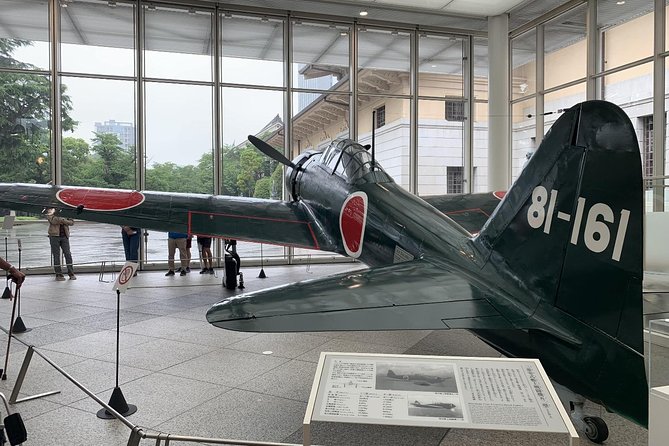
- Yūshūkan War Museum: Military History Told Through Artifacts
- Showa-kan (National Showa Memorial Museum): The Civilian Side of WWII
- The Kamikaze Section: Why It’s Discussed, and How to Stay Respectful
- The Guide Makes the Difference: Real Names, Real Teaching Style
- Photo Opportunities and What to Bring for a 9:00am Start
- Price and Value: Is $204.58 Worth It?
- Who This Tour Suits (and Who Might Want a Different Fit)
- Practical Etiquette for Shrine + Museum Visits
- Should You Book This Modern Japanese History Tour in Tokyo?
- FAQ
- Where does the tour start?
- What time does the tour begin?
- How long is the tour?
- Which stops are included?
- What’s included in the price?
- Is food and drink included?
- Is this tour suitable for everyone?
- Is the booking refundable?
Key Things You’ll Notice on This Tokyo WWII Memory Tour
- A compact route that keeps you moving through major sites without long transit breaks
- A guide who translates and connects dots, not just reads labels
- Yasukuni Shrine + Yūshūkan Museum together, so commemoration and military framing are side by side
- Showa-kan’s civilian focus, which adds the human cost beyond battlefield facts
- Kamikaze (tokotai) history explained by a guide, with attention to how soldiers faced their fate
- About 3 hours total, starting at 9:00am and returning near where you begin
Entering the WWII Memory Zone: A 3-Hour Plan in Chiyoda
Tokyo can feel endless, but this tour stays intentionally focused. You meet at Kudanshita Station and spend about 3 hours working through a set of nearby sites that connect modern Japanese history to the way people remember war today.
The price is $204.58 per person, and the booking pattern is notably in advance—often around 99 days. That matters because a small, expert-guided experience like this is easier to plan when you lock it in early.
You’ll be on a private tour/activity, meaning it’s just your group. That format usually helps with questions and pacing, especially when the topic demands nuance.
You can also read our reviews of more tours and experiences in Tokyo.
Getting Started at Kudanshita Station (and Why the Timing Matters)
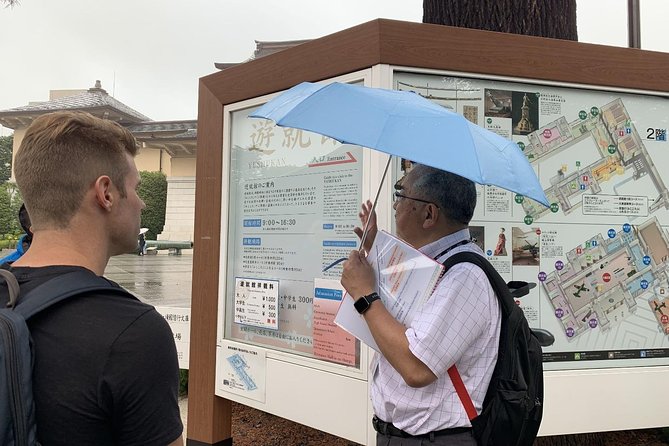
The tour starts at 9:00am and ends back around the meeting point, so you can build the rest of your day with less guesswork. Starting earlier is practical here: shrine grounds and museum visits tend to feel calmer before midday crowds.
The meeting address is near 1-chōme-13-19 Kudankita in Chiyoda, so it’s central. If you use a transit app, set your route to Kudanshita Station and plan to arrive a little early—about 10 minutes—so you can settle before your guide gathers everyone.
You’ll also get a mobile ticket, which is convenient. Less time on admin means more time learning.
Yasukuni Shrine: Commemoration, Architecture, and a Quiet Tone
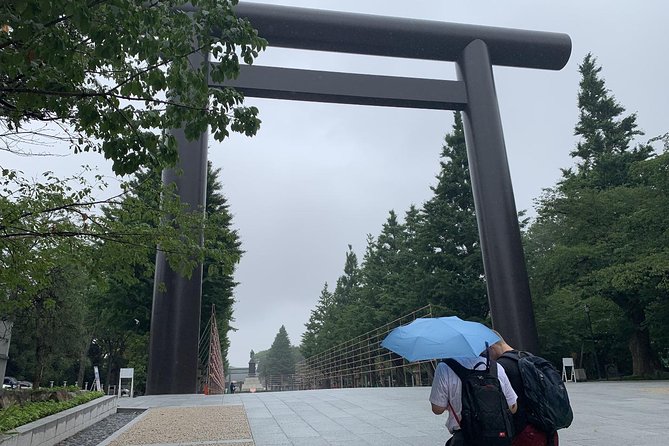
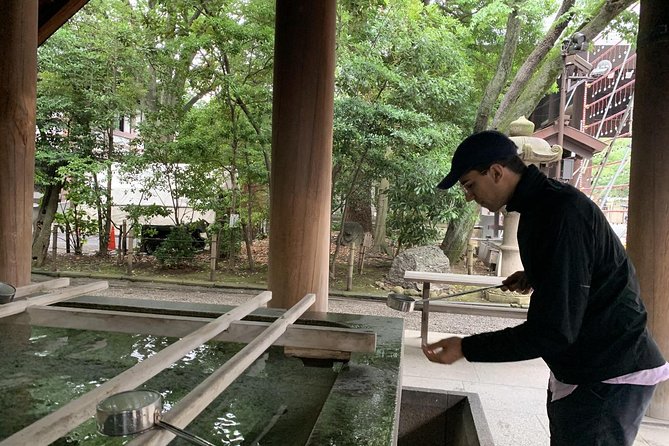
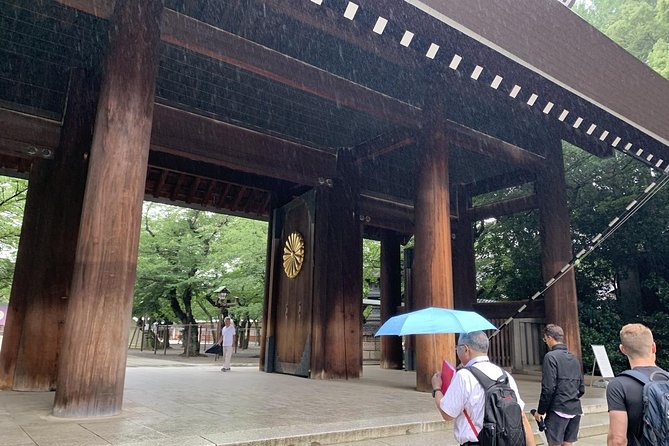
First stop is Yasukuni Shrine, a place that honors Japan’s war dead with strong traditional architecture and a tranquil, memorial atmosphere. This is not just a photo stop—it sets the emotional frame for everything you’ll see afterward.
You’ll have time to explore the grounds for about 30 minutes, and admission is included. That matters because you’re not rushing through. You’re meant to notice how commemoration works in a real lived space, not only through museum glass.
What I like about starting here is that it makes later exhibits easier to understand. When you’ve already seen the memorial setting, the museum information lands with more weight.
Yūshūkan War Museum: Military History Told Through Artifacts
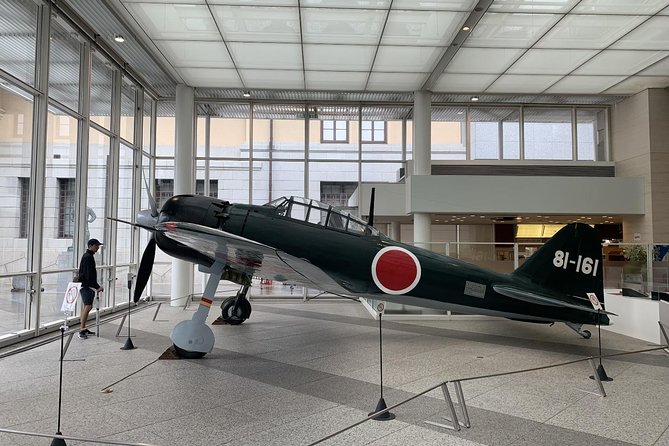
Next comes the Yūshūkan Museum, located on the shrine grounds. This part runs about 1 hour 30 minutes, and admission is included, so you’re not managing extra ticketing mid-tour.
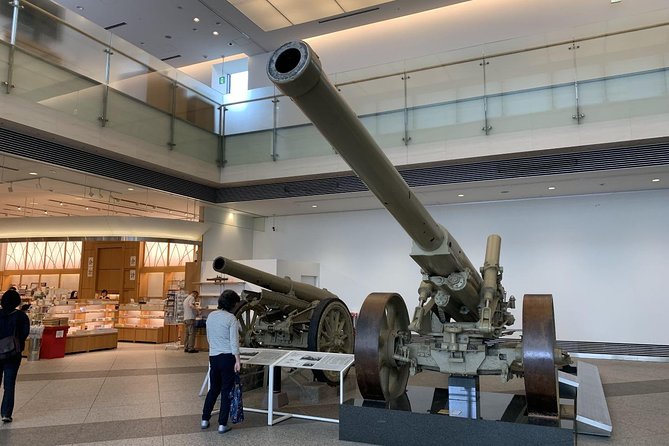
The museum is built around Japan’s military history and includes exhibits of historical artifacts and documents, plus what you’d expect to see in a war-focused collection. But the real value is how the guide helps you read the material as history—not as slogans, not as simplification.
The most useful thing about having a guide here is translation and interpretation. In particular, some exhibits may be in Japanese, and a good guide turns that barrier into understanding rather than confusion. You’ll also have built-in chances to ask questions as you move through rooms, instead of waiting until you’re done.
Showa-kan (National Showa Memorial Museum): The Civilian Side of WWII
Your third stop is the National Showa Memorial Museum, also known as Showa-kan, with about 1 hour on site. If the first two stops lean more toward commemoration and military framing, Showa-kan shifts the focus toward civilians—how daily life changed during WWII and how people lived through and after the war.
This museum is set up around personal items, photographs, and exhibits that illustrate civilian experiences during WWII and beyond. That civilian perspective is the part many visitors say is hardest to get on your own, because it’s easy to get stuck in dates, uniforms, and tactics.
I think this stop is essential because it fills a major gap. You’ll better understand the costs—starvation and hardship are mentioned as key civilian issues—and you’ll see how the war’s effects reached far beyond the front lines.
The Kamikaze Section: Why It’s Discussed, and How to Stay Respectful
A core theme of the tour is learning about kamikaze (tokotai) attacks and why they became prevalent. You’ll hear this explained by your guide, including how soldiers communicated with their families before the war’s outcomes became unavoidable.
This part can be emotionally heavy. The point isn’t sensational tragedy; it’s understanding how people believed, acted, and prepared for the endgame of war under extreme pressure.
If you’re coming with a strong opinion already, try treating this as an educational lens rather than a debate. The tour itself includes a clear sensitivity note: the provider asks guests to keep an open mind, and if the guide feels threatened, the tour may have to end and local law enforcement could be contacted. That’s a reminder that respect isn’t optional on this topic.
The Guide Makes the Difference: Real Names, Real Teaching Style
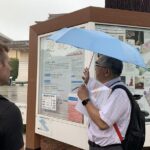
The tour includes a private English-speaking guide who’s described as a history expert. In practice, that means your morning is less about reading labels and more about guided interpretation.
The reviews attached to this experience highlight guides who are tactful and patient with questions. You’ll see names like Shun, Yasuhiro Suzuki, Hiro, and Izumi attached to highly positive experiences, with consistent praise for clear explanations and good demeanor.
If you want the most value, plan to ask at least one question at each stop. Shrine context, museum framing, and civilian-life storytelling all work better when you talk your way through them. This is the kind of tour where a good exchange can turn a walk-through into real understanding.
Photo Opportunities and What to Bring for a 9:00am Start
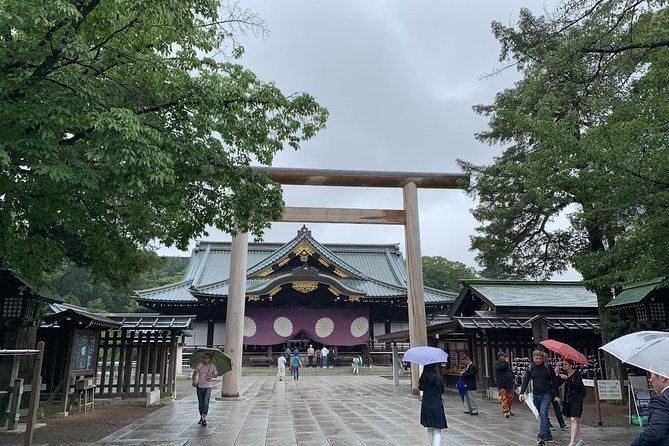
The tour includes photo opportunities, which is helpful because you’re not just wandering—you’ll have moments planned for pictures around the sites. With shrine and museum stops, that keeps the experience from feeling rigid while still giving you structure.
Food and drinks are not included, so bring water. Museums and walking around shrine grounds can take more time than you expect, especially if you’re reading along with your guide’s explanations.
You’ll also want comfortable shoes. The stops are in a compact area, but you’re still on your feet for hours, and the schedule isn’t designed for long breaks.
Price and Value: Is $204.58 Worth It?
At $204.58 per person for about 3 hours, this isn’t a bargain-bin tour price. The value comes from what’s included: a history expert guide in English plus entrance fees to Yūshūkan War Museum and Showa Memorial Museum (Showa-kan).
Here’s how I’d think about the math:
- If you were to visit the two museums on your own, you’d still pay separate admissions.
- The guide’s role is what turns two museum collections and one shrine into an informed storyline—especially with translation help when exhibits are Japanese-only.
- The private format matters if your group has questions or wants a slower pace.
The tour also offers group discounts and a mobile ticket, which helps with logistics. Still, it’s best treated as an expert-led experience, not a casual sightseeing loop.
Who This Tour Suits (and Who Might Want a Different Fit)
This is a strong match if you want modern Japanese history from a human angle: commemoration, civilian life, and how the wartime reality shaped decisions. It also fits travelers who are curious about how a country remembers a difficult past.
It’s less ideal if you only want battlefield facts with little emotional or ethical context. The tour is designed to address commemoration and the civilian experience, and that can be emotionally challenging.
Most travelers can participate, and the route is focused. The bigger question is topic readiness, not physical ability.
Practical Etiquette for Shrine + Museum Visits
You’re starting at a memorial shrine. Keep your tone respectful, move calmly, and follow your guide’s lead on pacing and behavior. Even if you’re only taking photos, remember you’re in an active commemorative setting.
In museums, let the guide set the order of interpretation. War-focused collections can be intense, and the tour’s value is in how the material is connected: war dead at the shrine, military framing in Yūshūkan, and civilian life in Showa-kan.
Should You Book This Modern Japanese History Tour in Tokyo?
Book it if you want WWII explained through the places where it’s remembered—Yasukuni Shrine, Yūshūkan, and Showa-kan—and you want an English-speaking guide to connect the civilian story to the military story. It’s also worth it if language barriers could slow you down, since some exhibits may be in Japanese.
Don’t book it if you know you want only light sightseeing or you’re uncomfortable with sensitive war topics. Also treat it as a firm plan: the experience is described as non-refundable and cannot be changed for any reason, so you’ll want to be sure before you pay.
If your goal is to understand modern history in a way that’s grounded in real sites and careful interpretation, this tour gives you that in about three hours—with a guide who can keep the morning factual, respectful, and actually useful.
FAQ
Where does the tour start?
The tour starts at Kudanshita Station (1-chōme-13-19 Kudankita, Chiyoda City, Tokyo 102-0073, Japan).
What time does the tour begin?
The start time is 9:00 am.
How long is the tour?
The duration is about 3 hours.
Which stops are included?
The tour includes Yasukuni Shrine, Yūshūkan Museum (on the shrine grounds), and the National Showa Memorial Museum (Showa-kan).
What’s included in the price?
Included features are a private English-speaking guide (history expert), photo opportunities, and entrance fees to Yūshūkan War Museum and Showa Memorial Museum.
Is food and drink included?
No. Food and drinks are not included.
Is this tour suitable for everyone?
The information provided says most travelers can participate. The topic may still be sensitive for some people, and the provider asks guests to keep an open mind.
Is the booking refundable?
No. The experience provider states it is non-refundable and cannot be changed for any reason.