REVIEW · TOKYO
From Tokyo: Nikko World Heritage Sight Full Day Private Tour
Book on GetYourGuide →Operated by Travel on smile · Bookable on GetYourGuide
One day, three worlds of Nikko. This private day trip stitches together UNESCO shrines, mountain views, and big-name nature sights in a single run from Tokyo, with hotel pickup and drop-off doing most of the heavy lifting. I like how the day feels organized end to end, including a separate entrance that helps you waste less time standing around at the Toshogu area.
The two things I like most are the way Toshogu Shrine pulls you into Japan’s shogunate-era artistry and the quiet power of Kanmangafuchi Abyss with its long line of Jizo statues. And because you’re riding in a comfortable vehicle for long stretches, you can spend your energy on the sights instead of figuring out transport.
One consideration: the day is full. You’ll do plenty of walking, and the Akechidaira Ropeway can close in bad weather, so plan your mood for an itinerary that might shift.
In This Review
- Key things to know before you go
- Why Nikko Feels Like a Different World from Tokyo
- Private Group Transport That Gets You Moving Fast
- Entering Nikko Toshogu Shrine and Its Art-Focused Stops
- Shinkyo Bridge Photo Time and Why It’s a Real Stop
- Kanmangafuchi Abyss and the Jizo Statues Walk You’ll Remember
- Lake Chuzenji and Kegon Falls: One Highland Stop, Two Big Views
- Akechidaira Ropeway for Mount Nantai and Lake Chuzenji Vistas
- Edo Wonderland for Craft and Performances Beyond the Nature Stops
- Timing, Pacing, and What to Pack for a 10-Hour Day
- Price and Value: When $362 Works Best for You
- Should You Book This Nikko World Heritage Day Trip?
- FAQ
- How long is the Nikko tour from Tokyo?
- Do you get hotel pickup and drop-off in Tokyo?
- What languages are the guides available in?
- Is this a private tour, and how many people are in a group?
- Are meals included in the price?
- What if the Akechidaira Ropeway is closed due to weather?
Key things to know before you go
- Private transport from Tokyo saves you the stress of trains and transfers for a long day, with luxury van service that includes WiFi.
- Toshogu shortcut via a separate entrance helps you get moving faster once you arrive at the main shrine complex.
- The Kanmangafuchi Jizo walk is one of the most reflective stops of the day, lined with 70+ Jizo statues along the pathway.
- Ropeway viewpoints connect Mount Nantai, Lake Chuzenji, and Kegon Falls into one big photo circuit.
- Winter can be special at Kegon Falls, where ice formations can turn the waterfall area into something completely different.
- Flexible guidance means your driver-guide can adapt when weather or crowds change the plan, including adding extra nearby time on some days.
Why Nikko Feels Like a Different World from Tokyo
Nikko is one of those places where Tokyo logic stops working—in a good way. The air changes as you climb toward mountains and forests, and the vibe shifts from city speed to shrine-time and viewpoint-time. It’s a spiritual center built right into scenery, so even quick stops feel like part of a larger experience rather than separate errands.
What makes this day trip work is the contrast it gives you. You get ornate Toshogu details, then you’re on a bridge for calm river views, then you’re walking among Jizo statues, then you’re in national-park scenery with the ropeway and waterfalls. If your day in Japan has limited time, this format helps you see a lot without bouncing around on multiple tickets and timetables.
You can also read our reviews of more tours and experiences in Tokyo.
Private Group Transport That Gets You Moving Fast
This tour is priced per group (up to 6), which matters because you’re not paying like it’s a generic bus trip. You’re basically buying convenience: hotel pickup and drop-off, a full day of highway driving, and an organized sightseeing flow.
You’ll ride in a luxury vehicle with air conditioning and WiFi, which is genuinely useful on a long day trip. The van portion is roughly two hours each way, so it’s a big chunk of your day, and being comfortable helps you stay sharp for the walking stops.
A small but important practical note: the pickup happens from your hotel. You’re asked to wait in the lobby 10 minutes before the scheduled time, and the driver won’t wait more than 60 minutes after the pickup time. If you travel with kids or you’re managing luggage, this is one of those details that’s worth not ignoring.
Entering Nikko Toshogu Shrine and Its Art-Focused Stops
Toshogu is the anchor of the day. This UNESCO site is dedicated to Tokugawa Ieyasu, the founder of the Tokugawa shogunate, and the shrine complex is known for dense symbolism and showpiece craft. In practice, that means you don’t just look at buildings—you look at details.
You’ll start with a guided visit at the Toshogu area and you’ll also make a stop at the Nikko Toshogu Art Museum (with a guided component and time to look around). That museum stop is a smart setup because it helps you see more than just what’s in front of you. When you arrive at the main shrine, you’re more likely to notice the carvings, vivid color work, and the overall composition.
Inside the shrine experience, keep an eye out for:
- Yomeimon Gate, known for exquisite craftsmanship
- the famous sleeping cat sculpture
- the overall feel of Toshogu set within a calm forest setting
You’ll also have time at Nikko Futarasan jinja in the program, including a photo stop and guided context. Even if you’re not a shrine superfan, this sequence makes the day feel coherent: it’s not just a checklist. It’s a story of power, belief, and art across several spots.
Shinkyo Bridge Photo Time and Why It’s a Real Stop
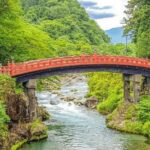
Shinkyo Bridge is short on time, but it’s worth treating it like a proper viewpoint, not just a quick photo frame. It’s a wooden bridge over the Daiya River and it’s recognized as one of Japan’s beautiful bridges, often photographed with lush greenery or autumn foliage as a backdrop.
In this tour, you get a photo stop plus a guided tour and a short walk. That guided element matters because the bridge functions as a gateway symbol for the Nikko shrines, not just a scenic crossing.
If you care about photos, plan to move slightly around the bridge area during your time. Water and light change fast, especially if clouds move in. Even if you shoot on a phone, a bit of repositioning can mean the difference between a generic shot and one that actually shows the setting.
Kanmangafuchi Abyss and the Jizo Statues Walk You’ll Remember
If Toshogu is about art and Shinkyo is about gateways, Kanmangafuchi Abyss is about atmosphere. This stop is a pathway lined with over 70 Jizo statues—Jizo figures representing spirits of children and travelers.
The practical value here is that it’s a manageable walk with lots of little things to see, which helps when the rest of the day includes bigger, busier checkpoints. You get that slow, reflective pace, with nature sounds and river proximity adding to the calm feeling.
One nice detail in the flow: the pathway leads to Jiunji Hondo Temple. Even with limited time, this helps you feel like you’re progressing through a place rather than cutting across it. If you want one stop that feels quieter than the rest, this is usually it.
Lake Chuzenji and Kegon Falls: One Highland Stop, Two Big Views
Lake Chuzenji is a highland lake formed by volcanic activity. On the day trip, you get a photo stop plus guided touring and about 1.5 hours on-site, with time that can be used for walking or simply taking in the view.
Chuzenji is known for clear-looking waters and scenic surroundings, and it’s a classic autumn play when foliage turns bright. You’ll also hear about possible activities like boating or hiking, though the tour timing here is designed mainly for sightseeing and time at viewpoints.
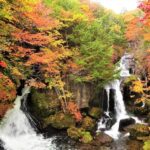
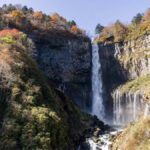
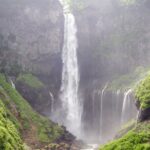
Then comes Kegon Falls, and it’s a big one. The waterfall drops 97 meters into a rocky gorge, and you’ll get a visit that includes tea plus free time (and even a coffee-tasting slot in the plan). That tea-and-coffee combo turns the falls stop into a break, not just a photo scramble.
Kegon Falls is impressive year-round, and winter can be something else. On cold days, the falls can freeze and form ice. If you’re traveling in winter, this is the time you’ll notice the difference most—snow and ice can make the falls feel sharper, more dramatic, and very photogenic from the observation area.
Akechidaira Ropeway for Mount Nantai and Lake Chuzenji Vistas
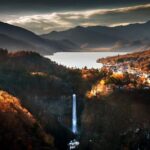
The Akechidaira Ropeway is your big “look at everything” moment. You’ll ride it for panoramic views as it ascends to an observation deck, with free time included for about 45 minutes.
From the top, you’ll see Mount Nantai, Lake Chuzenji, and Kegon Falls in one sweep. That’s valuable because it ties the day together spatially. The falls and lake stops feel less random when you understand how the viewpoints connect to the wider national-park area.
Weather is the only snag. The ropeway may close due to bad weather conditions, and that can affect how much time you get at the observation deck. When that happens on some days, guides may adjust by adding extra time at other nearby sites. The safe plan is to treat the ropeway as a highlight, but not the only highlight.
Edo Wonderland for Craft and Performances Beyond the Nature Stops
After the big nature and shrine moments, you’ll get a cultural stop at Edo Wonderland. The package includes traditional craft workshops and performances here, which is a nice counterbalance to shrine details and waterfall views.
The tour timing gives you room to experience the vibe without forcing you to do everything. If you like hands-on cultural activities, this is where your day trip adds variety.
It’s also a helpful “reset” after lots of outdoor walking. You can shift from cameras and viewpoints to something tactile and theatrical, which keeps the day from feeling like it’s only about moving between outdoor attractions.
Timing, Pacing, and What to Pack for a 10-Hour Day
This is a 10-hour experience including the start time, and it runs on a tight but not frantic schedule. You’ll spend long stretches in transit, with short guided stops and photo-walk windows. That pacing can feel very efficient, especially compared with trying to piece together Nikko on your own.
Still, you’ll want to be prepared for physical effort:
- Comfortable shoes are a must because you’ll walk at multiple stops.
- Bring a hat, sunscreen, and water for weather swings.
- A camera helps, but so does being willing to slow down for a few extra moments at key viewpoints.
You’ll also want to dress based on conditions. Check the weather before you go, since ropeway operations can be impacted, and winter can bring freezing conditions around the falls.
One more reality check: the tour notes it’s not suitable for people over 95 years, and some areas may not be accessible for people with mobility impairments. If you’re traveling with limited mobility, it’s worth thinking carefully about the number of walking segments.
Price and Value: When $362 Works Best for You
At $362 per group (up to 6), this isn’t a budget day trip. But it also isn’t priced like you’re buying only a ticket to see a single site. You’re paying for:
- hotel pickup and drop-off
- luxury transportation with air conditioning and WiFi
- highway tax
- guided tours across the main cultural and natural stops
- photography support (so you’re not constantly handing your phone to strangers)
- scenic viewing time where photos are a big part of the experience
- cultural activities including craft workshops and performances at Edo Wonderland
- access designed to reduce line time via a separate entrance for the Toshogu experience
The biggest “value unlock” here is the structure. Nikko isn’t a close-by neighborhood of Tokyo; it’s a day trip with real transit time. You’re buying back your energy and time by letting someone else handle driving and routing while you focus on enjoying each stop.
The trade-off is what’s not included: meals and drinks are typically not included, and you’ll want to budget for lunch and snacks. Souvenirs are also on you. So if you compare this to a cheaper DIY plan, factor in not just transport, but also the cost of your time and the stress you avoid.
Should You Book This Nikko World Heritage Day Trip?
Book it if you want a single-day Nikko plan that hits the big UNESCO shrine experience and the main nature power spots, without playing transport roulette. It’s especially smart for families, mixed ages, or groups that would rather spend the day looking at temples and waterfalls than decoding routes.
You might hesitate if you’re traveling with very limited mobility, dislike walking, or are hoping for lots of unstructured downtime. The day is packed with stops, and ropeway access can change with weather.
My practical take: if your time in Japan is limited and you want a clear, guided path through Nikko’s best-known highlights, this private format is a strong fit. When you add the line-saving entry approach at Toshogu and the comfort of hotel-to-hotel transport, the price starts to look reasonable for what you actually get.
FAQ
How long is the Nikko tour from Tokyo?
The tour duration is approximately 10 hours, including the start time.
Do you get hotel pickup and drop-off in Tokyo?
Yes. Hotel pickup and drop-off are included, and the service is available in Tokyo and Nikko. You’ll need to provide your hotel name and address, and you should wait in the lobby 10 minutes before your scheduled time.
What languages are the guides available in?
The live tour guide offers Arabic, English, and Hindi.
Is this a private tour, and how many people are in a group?
It’s a private group. The price is for a group up to 6 people.
Are meals included in the price?
No. Meals and snacks are typically not included, so you should budget for food and drinks.
What if the Akechidaira Ropeway is closed due to weather?
The ropeway may be closed due to bad weather conditions, so it’s good to be flexible and check conditions before your visit.