REVIEW · TOKYO
Tokyo:Nikko UNESCO World Heritage Sites Private 1-Day Tour
Book on GetYourGuide →Operated by Yakuri Tours · Bookable on GetYourGuide
Nikko feels like two worlds in one day. This private Nikko UNESCO outing strings together temples, shrines, and famous scenery with easy hotel door-to-door comfort. I like the practical pickup and drop-off, and I also like the built-in help for photos as you move between stops. The trade-off is the day runs on a tight clock, so you may not get unlimited time in each place.
I also found the guide experience can vary by driver. In one verified booking, Asad was patient and adapted when fog affected views, even asking if you wanted quick stops for photos. In another case, Ali Malik was described as doing more of a driver role than an active guide. My advice is simple: ask for what you want early, like short explanations at each site, and be direct about pacing.
If you want a single-day highlight reel from Tokyo, this tour is built for it. You’ll get around an hour per main stop, with room to adjust if your priorities are stronger than the schedule.
In This Review
- Key things you’ll notice on this Nikko private day trip
- Why Nikko UNESCO is an easy win from Tokyo in one day
- Private van pickup across Tokyo: comfortable, timed, and flexible
- Toshogu Shrine: where gold details meet forest quiet
- Nikko National Park scenery stop: the natural side of UNESCO
- Narabi Jizo statues: your short, quiet reset
- Shinkyo Bridge: planning your Sacred Bridge photos
- Futarasan Shrine and Rinnoji Temple: mountain worship and Buddhist calm
- Futarasan Shrine (mountain deities and views)
- Rinnoji Temple (Fudo Myo-o and a calmer pace)
- Edo Wonderland Nikko Edomura: a fun break from pure shrine time
- How the 10-hour schedule really feels (and how to make it yours)
- Price and value: is $387 per group up to 6 fair?
- Who should book this Nikko UNESCO private tour?
- Should you book it, or choose a different Nikko day plan?
- FAQ
- How long is the Nikko UNESCO private day tour from Tokyo?
- How many people are in the group?
- What’s included in the price?
- Are meals and entrance fees included?
- Do I need to pay extra for pickup outside Tokyo’s 23 wards?
- What language is the driver-guide?
- How long do you spend at each main stop?
- Can I bring alcohol or drugs?
- Is the tour wheelchair accessible?
Key things you’ll notice on this Nikko private day trip
- Door-to-door convenience from Tokyo: private air-conditioned van, fuel/tolls/parking covered, and onboard bottled water plus Wi-Fi
- About an hour at each major sight: Toshogu Shrine, Nikko National Park area viewpoints, Narabi Jizo, Shinkyo Bridge, Futarasan Shrine, Rinnoji Temple, and Edo Wonderland
- UNESCO temples plus UNESCO nature: sacred sites paired with Nikko National Park scenery
- Great photo stops, especially Shinkyo Bridge: you’ll have time to frame the red bridge with the mountains and temple backdrops
- A calm, oddball break at Narabi Jizo: stone guardians you can linger with for a quieter moment
- Edo Wonderland adds “hands-on history”: recreated Edo-era streets, costume opportunities, and performances
Why Nikko UNESCO is an easy win from Tokyo in one day
Nikko is one of those places where the spiritual feel is real, but the logistics can still be painless. In a single 10-hour day, you can see the famous shrine complex at Toshogu, major Buddhist grounds at Rinnoji, and mountain-worship at Futarasan Shrine. Then you swap into nature time with Nikko National Park, and you top it off with an Edo-period theme park.
What makes this format work is balance. You get the big-ticket UNESCO religious sites, plus the outdoor scenery that makes Nikko different from other day trips. And because you’re in a private vehicle, you’re not fighting train transfers while you’re trying to enjoy the day.
You can also read our reviews of more tours and experiences in Tokyo.
Private van pickup across Tokyo: comfortable, timed, and flexible
This tour is set up for a smooth day trip from Tokyo: a private air-conditioned van, and hotel pickup with matching drop-off. Pickup options cover a wide slice of central Tokyo (Minato, Shinjuku, Shibuya, Ginza, and several others), which matters because it reduces the “Where do we meet?” stress.
Be ready 10 minutes before your scheduled pickup, and know the driver waits up to 60 minutes. If your day gets pushed by weather or incidents, the tour can be postponed to a better day, and if pickup is delayed they extend your time without adding extra cost.
You’ll also have practical extras that make long sightseeing days feel easier: complimentary bottled water, and free Wi-Fi onboard. There’s even photo and video help, which is useful if your group includes people who always end up taking the photos instead of being in them.
Small consideration: this is a private group, but it’s still a packed day. You’ll need to be comfortable walking and standing at multiple stops, even if each stop is about an hour.
Toshogu Shrine: where gold details meet forest quiet
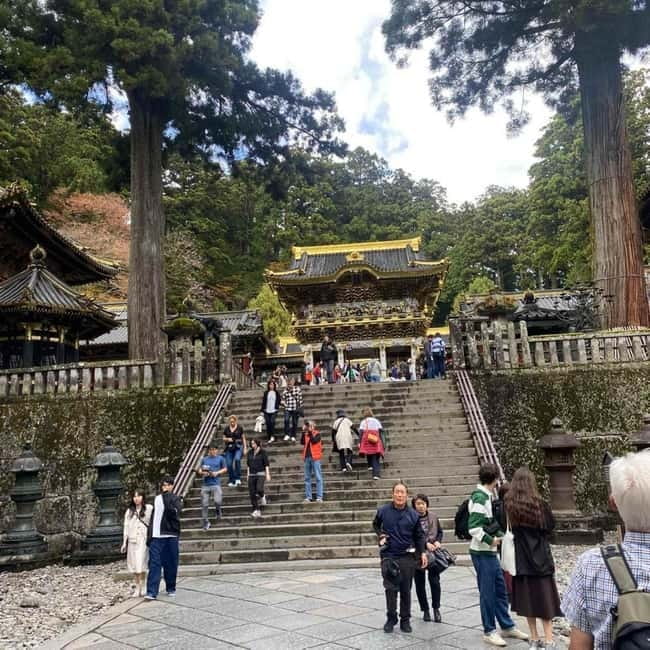
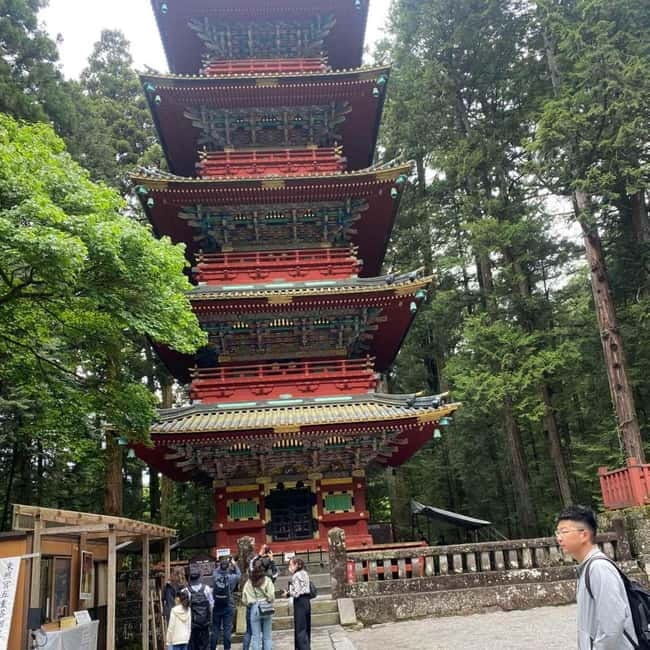
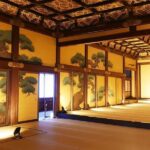
Toshogu Shrine is the kind of place where your eyes keep finding new details. This stop includes a photo moment and a guided visit, with about an hour total on site. You’re walking through a serene forest setting while seeing intricate carvings and gilded elements that connect directly to Tokugawa Ieyasu, the founder of the Tokugawa shogunate.
The value here is not just seeing the shrine gates and buildings. It’s seeing how craft and symbolism work together in a place designed for spiritual focus. When you have a guide, ask for the quick “what to notice” points so you’re not just staring at everything at once.
Practical tip: wear comfortable shoes. Even with a planned route, you’ll still be doing temple-stroll walking on uneven surfaces. And if you’re photographing, don’t rush—one good angle by the main approach can be worth more than 20 quick snapshots from random corners.
Nikko National Park scenery stop: the natural side of UNESCO
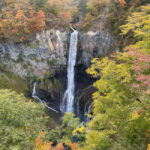
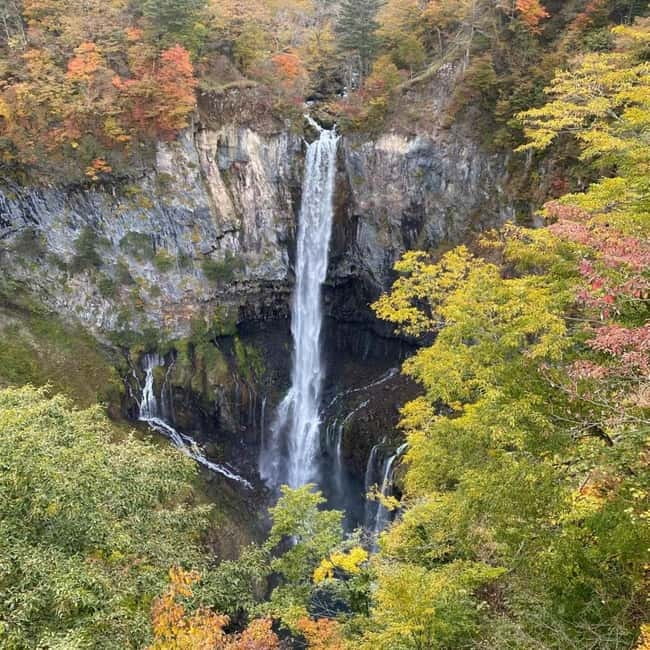
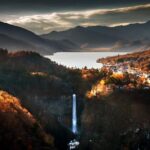
After Toshogu, you shift into Nikko National Park mode. This part is a photo stop and guided sightseeing, with about an hour allocated. Nikko National Park is a UNESCO-listed natural heritage area, and the tour is designed to get you views of the kind of scenery that changes with the seasons.
What I like about this structure is that it avoids the all-day “just drive around” problem. You’re not hoping you’ll catch something pretty by chance. You’ll be given time to stop for scenery moments and photos, and you’ll have a guide to help you understand what you’re seeing at a high level.
Trade-off to remember: this is scenic time, not a full hike day. If you’re hoping for a strenuous trekking outing, this tour is likely more “viewpoints and photos” than “serious trail work.”
Narabi Jizo statues: your short, quiet reset
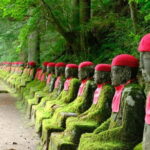
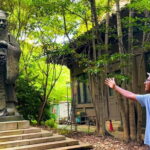
Narabi Jizo is a different kind of stop, and that contrast is part of the charm. You’ll have around 40 minutes for photo, a guided visit, and sightseeing time.
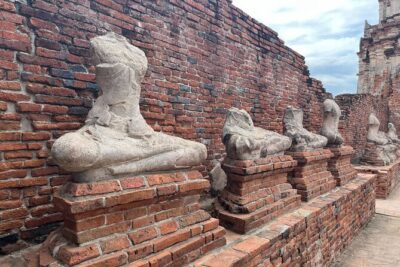
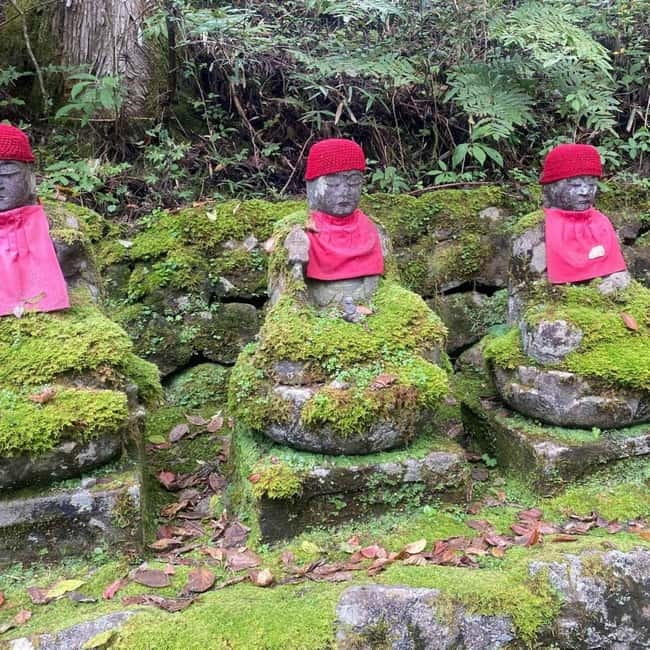
The Narabi Jizo site is a line of stone statues dedicated to Jizo Bodhisattva, described as protective for travelers and children. You’ll often see them decorated with red bibs and hats, and that gentle, caretaker feel creates a calmer pace than the big shrine crowds.
If your group tends to get restless during temple walking, this is where you can breathe. It’s also a good stop for thoughtful photos because the atmosphere is softer and less architectural.
Shinkyo Bridge: planning your Sacred Bridge photos
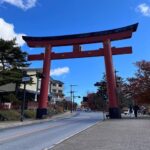
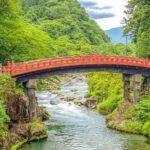
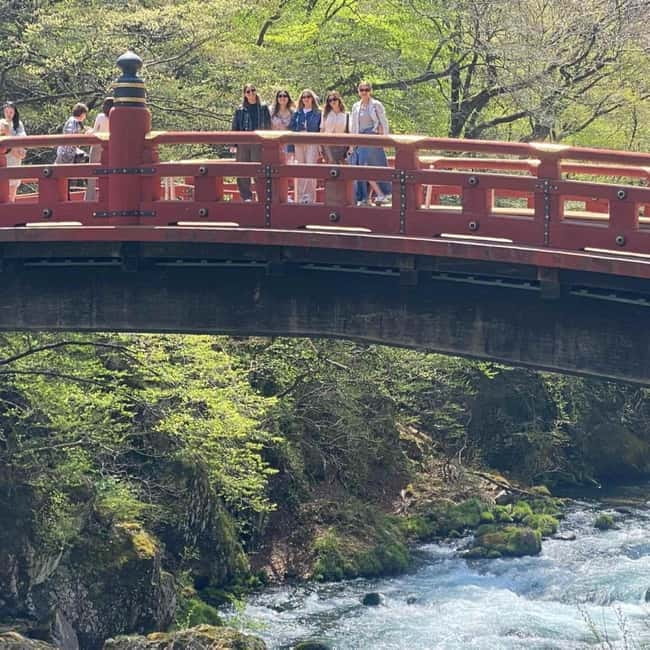
Shinkyo Bridge, sometimes called the Sacred Bridge, is one of Nikko’s most iconic spots. You’ll get a photo stop and a guided visit with about an hour total.
The bridge is red and crosses the Daiya River, with mountains and temple views in the background. This is your moment to slow down and frame shots that include both water and the surrounding temple landscape. If your timing is right, it can feel like Nikko’s spiritual icon turned into a postcard you can walk up to.
Quick photo plan: check the angle from the main viewing area, then take a few steps if the guide suggests a better spot. Because it’s a popular landmark, the best photo often comes from choosing your moment and keeping your camera ready rather than chasing every angle.
Futarasan Shrine and Rinnoji Temple: mountain worship and Buddhist calm
Two later stops give you the “forest sacred” feel from different traditions.
Futarasan Shrine (mountain deities and views)
You’ll spend about 40 minutes at Nikko Futarasan jinja. The focus here is mountain worship, with deities connected to the peaks of Nikko’s sacred mountains. You’ll have time for photos and a guided walk, with opportunities for quiet views from the shrine setting.
What I like about this stop is how it shifts the mood from ornate shrine craftsmanship to something more open and atmospheric. It’s easier to feel the idea of devotion to the landscape when you can stand near the forest and look outward.
Rinnoji Temple (Fudo Myo-o and a calmer pace)
Then you head to Nikkozan Rinnoji Temple, also about 40 minutes with guided sightseeing and time to walk. Rinnoji is a major Buddhist site dedicated to Fudo Myo-o, and it’s positioned in lush greenery with a calm feel meant for reflection.
If you’ve been moving quickly through other stops, Rinnoji is a good place to reset. You’re not just ticking a box; you’re entering a slower, quieter environment that suits lingering photos and a more thoughtful look.
Note: both shrine/temple grounds involve walking. If anyone in your group has mobility limits or back issues, be ready to move carefully and consider whether you want to prioritize fewer stops.
Edo Wonderland Nikko Edomura: a fun break from pure shrine time
The last major attraction is Edo Wonderland Nikko Edomura, with about an hour allocated. This is where Nikko turns playful and hands-on: you can stroll recreated Edo-period streets, dress in period costumes, and watch traditional performances and activities.
Why it’s a good fit for this day trip: it refreshes your brain after a full sequence of sacred sites. It also gives families a “yes, I’ll enjoy this” option even if some people want less time on religious architecture.
If you have a camera, this is also where you can get more casual photos than your formal shrine shots. If your group is into roleplay or interactive activities, this hour can be the most memorable part even though it’s not UNESCO.
How the 10-hour schedule really feels (and how to make it yours)
This tour is built as a highlight run. Most main stops get around an hour, but you’re still visiting many separate locations. That’s a plus if you want maximum variety, and it can be a downside if you prefer slow travel.
Here’s how to get the best feel:
- Use the first UNESCO stop to set your pace. If you want extra time for photos at Toshogu, say it early.
- Treat each stop as a photo plus a walk. That keeps you from getting stuck in one spot too long while others pass by.
- Ask for short explanations, not long lectures. If your guide is more driver-focused, request quick context so you understand what you’re looking at.
- Plan for entrance fees and meals to be on your own. Entrance fees aren’t included, and meals aren’t included either. Build that into your budgeting so you’re not surprised mid-day.
You can also customize the day. If you want more time at a single location or want to swap a stop, tell the guide early so they can adjust the flow.
One more reality check: the tour’s experience is highly dependent on how the guide manages timing and storytelling. If you care about interpretation, be clear upfront about what you want explained and how long you want to linger.
Price and value: is $387 per group up to 6 fair?
At $387 per group up to 6, this works out to roughly $64 per person at maximum group size, before entrance fees and meals. That’s not just “cheap transport,” either. You’re paying for a private vehicle from Tokyo, and the cost includes fuel, highway tolls, and parking, plus water, Wi-Fi, and photo help.
The value is strongest when you compare alternatives:
- If you’d otherwise piece together trains, taxis, and timed transfers, the time cost adds up fast.
- If you’re traveling in a small group, private van logistics can be close to the cost of multiple point-to-point rides, without the hassle.
- If you want one-day coverage across multiple UNESCO sights, this routing is efficient.
Where the price becomes less attractive is if you’re the only one traveling (since it’s priced per group), or if you expect a slow, deep, single-site experience. This tour spreads time across many places, so it rewards people who like variety over people who want one long day at a single location.
Who should book this Nikko UNESCO private tour?
I’d book this if you want:
- First-time Nikko with major UNESCO temples and shrines in one day
- A group that benefits from private transport and door-to-door pickup
- People who want both sacred sightseeing and an Edo-themed fun stop
- Photo time at Shinkyo Bridge and quiet moments at Narabi Jizo
I’d be more careful if you or someone in your group:
- Has a back problem (the tour is listed as not suitable)
- Is pregnant (also listed as not suitable)
- Uses a wheelchair, because the data includes both wheelchair accessibility language and a separate note saying it’s not suitable for wheelchair users. In that case, contact the provider before booking and confirm how they handle the ground and movement needs.
Also, alcohol and drugs are not allowed. Stick to water and bring what you need for comfortable walking.
Should you book it, or choose a different Nikko day plan?
Book it if you want an efficient private day that hits Nikko’s top religious sites, a UNESCO nature area, a classic photo bridge, and a fun Edo-world stop. The combination of private van comfort, included logistics costs, and planned time at each major location is what makes this a practical day trip from Tokyo.
Skip it or at least rethink your plan if you prefer slower travel, or if you want deep explanation at every step regardless of time pressure. This tour is designed to move. If that’s your style, you’ll likely love the mix.
If you do book, do two things that make the experience better fast: wear comfortable shoes, and tell your guide at the first pickup moment what you want most from the day.
FAQ
How long is the Nikko UNESCO private day tour from Tokyo?
The tour runs for 10 hours.
How many people are in the group?
It’s a private group with a maximum of up to 6 people per group.
What’s included in the price?
Included items are pickup and drop-off, an English-speaking driver-guide, private vehicle with fuel/highway tolls/parking, bottled water, free onboard Wi-Fi, and photo/video help.
Are meals and entrance fees included?
No. Meals and entrance fees are not included.
Do I need to pay extra for pickup outside Tokyo’s 23 wards?
Yes. If your pickup is outside Tokyo’s 23 wards, there’s an extra fee of JPY 5,000–20,000 payable to the driver. No extra charge is listed within the 23 wards.
What language is the driver-guide?
The driver is listed as speaking English, Urdu, and Japanese.
How long do you spend at each main stop?
You’ll spend about an hour at each location (with flexibility to customize). Some stops are shorter, like Narabi Jizo and Futarasan Shrine, which are listed around 40 minutes.
Can I bring alcohol or drugs?
No. Alcohol and drugs are not allowed.
Is the tour wheelchair accessible?
The information includes both that it is wheelchair accessible and that it is not suitable for wheelchair users. If you have mobility needs, you should notify the provider in advance to confirm what’s realistic for your situation.