REVIEW · TOKYO
Tokyo: Nikko World Heritage Private Day Trip Hotel Pick-up
Book on GetYourGuide →Operated by Travel Cottage · Bookable on GetYourGuide
Nikko feels like a world apart. This private day trip gives you door-to-door pickup in a luxury vehicle and a guided circuit around Toshogu Shrine, so you get the highlights without the transit stress. I love how the stops balance big-name sites with quieter spiritual moments, and I love the way your driver keeps the day moving with real-world timing tricks. One consideration: the full day is long (around 11 hours with commuting), and you’ll be on your feet outdoors.
What really makes it feel worth it is the human layer. Guides like Sarfraz and Hamza Ali are repeatedly praised for pacing, clear guidance, and stepping in with small extras that make the day smoother, even when weather turns or traffic gets weird. There’s also genuine flexibility in how the day plays out, so you’re not locked into a rigid, sit-and-wait rhythm.
If you want a Nikko day that feels tailored and comfortable, this is a strong fit. If you’re traveling on a shoestring budget and don’t mind trains plus transfers, the price will feel high, even though it’s meant to cover the whole private door-to-door experience.
In This Review
- Key things I’d pay attention to
- Door-to-door Tokyo pickup and a luxury ride that changes the mood
- Toshogu Shrine: the main event, with time to actually look
- Shinkyo Bridge: a short stop that still feels iconic
- Narabi Jizo: quiet, specific, and easy to miss without guidance
- Nikko Tamozawa Imperial Villa: architecture that turns into a story
- Akechidaira Observation Deck: the view stop that can make or break your photos
- Kegon Falls at Lake Chūzenji: a top-tier waterfall moment
- Lake Chūzenji, the Sea of Happiness: your scenic finish
- Edo Wonderland and Nikkō National Park breaks: how the timing feels in practice
- Price and logistics: is $390 per group up to 6 actually fair value?
- Who this private Nikko day trip fits best
- Small details that make the difference: photos, timing, and communication
- Should you book this Nikko private day trip or keep planning on your own?
- FAQ
- How long is the Nikko day trip?
- Does the tour include hotel pickup and drop-off?
- What’s included in the price?
- Are meals or entrance tickets included?
- Is it a private group?
- Is the tour wheelchair accessible?
Key things I’d pay attention to
- Door-to-door pickup in Tokyo’s 23 wards means less planning and fewer stressful connections
- Toshogu Shrine and Shinkyo Bridge are treated as core stops, not quick photo breaks
- Kegon Falls and Lake Chuzenji get the outdoor time you actually want in Nikko
- Akechidaira Observation area is built in for those wide-view moments when conditions are good
- Free coffee, tea, and bottled water plus Wi-Fi help the day feel easier
- Private guide-driver support can include practical help like photo/video assistance and rain-ready extras
Door-to-door Tokyo pickup and a luxury ride that changes the mood
The biggest win here is simple: you start in your hotel lobby and end with drop-off back at your place. No shuttling between stations. No hunting for platforms. Nikko day trips often fail because the logistics steal your energy; this one keeps you in travel mode, not problem-solving mode.
The vehicle is part of the point. Depending on availability, you’ll ride in a Toyota Vellfire or Crown, or a Land Cruiser-type luxury vehicle. That matters because Nikko is not “next door,” and the roads can be winding—comfort helps you arrive calm enough to enjoy the views.
You also get small, practical comforts built in: air-conditioning, Wi-Fi in the vehicle, and tea/coffee plus bottled water. In a day that runs close to 11 hours, those details stop you from feeling drained before you reach the shrines and waterfalls.
One timing note to respect: you’ll be asked to wait about 10 minutes before pickup, and the driver won’t wait more than 60 minutes after the scheduled pickup time. I always treat that as a “show up early” cue, not a suggestion.
You can also read our reviews of more tours and experiences in Tokyo.
Toshogu Shrine: the main event, with time to actually look
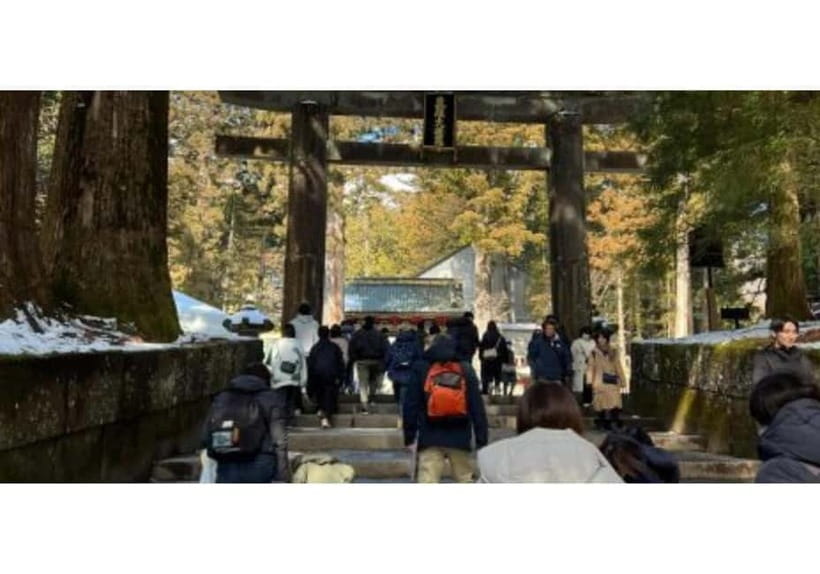
Toshogu Shrine is the reason many people make the trip north of Tokyo, and this tour doesn’t treat it like a checkbox. You’ll visit with a guided component and time for a walk through the most famous area.
What I like about this stop is the focus on what you can see up close: the colorful buildings, the carvings, and the shrine’s connection to Tokugawa Ieyasu. You’ll also learn the cultural context of why this place matters—this is where Tokugawa Ieyasu is honored, and it carries real historical weight tied to Japanese power and belief.
The practical question is always the same: will you feel rushed? With a private format, you’re usually not forced into the fastest line possible just because a bus group is moving. That said, Nikko can be busy at peak times, so it helps to keep your expectations realistic and plan to move at a steady pace.
For best results, wear comfortable shoes. Even if the guided part feels smooth, the ground is outdoors and you’ll be walking.
Shinkyo Bridge: a short stop that still feels iconic
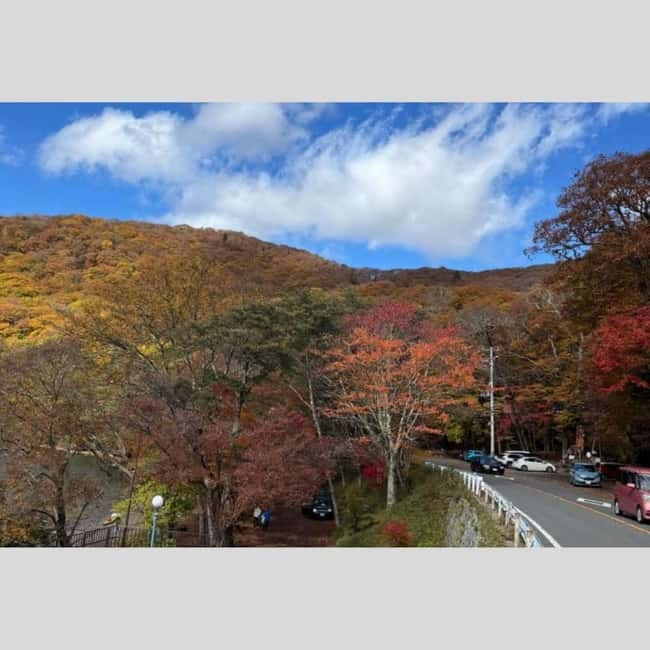
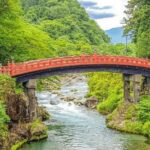
Next comes Shinkyo Bridge, one of Nikko’s most recognizable sights. You’ll have a photo stop and time to view it, with a guided component and a bit of walking.
This bridge works because it’s visually clean and easy to frame: the elegant arc over the Daiya-gawa River, with vermilion and black lacquer that contrast sharply against the surrounding scenery. It’s also described as a sacred crossing tied to the nearby Futarasan Jinja Shrine, so it’s not only pretty—it carries meaning.
Because this is a private day trip, you’re not just staring at a bridge while you’re sandwiched by other groups. You can actually take in the lines and the setting without feeling like someone is constantly nudging you forward.
Narabi Jizo: quiet, specific, and easy to miss without guidance
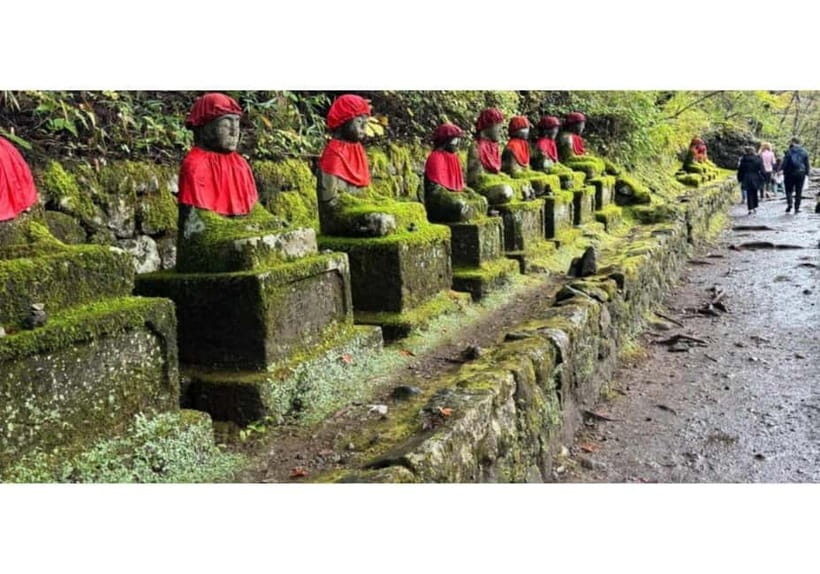
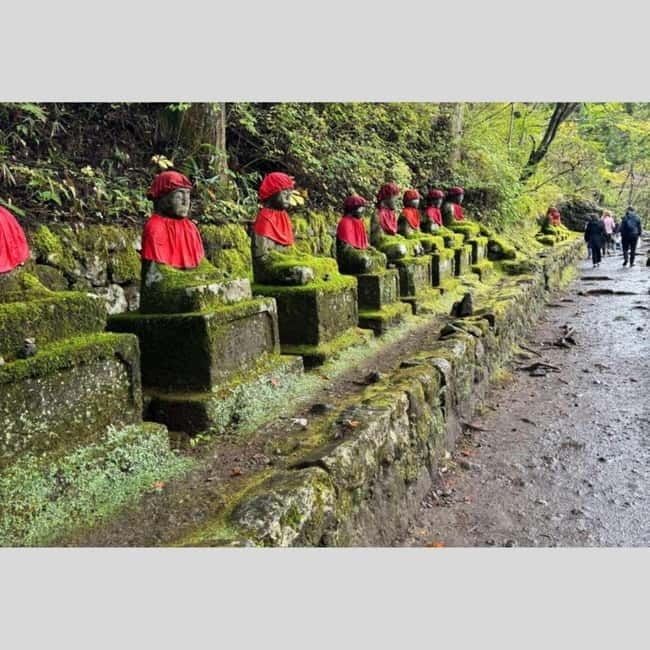
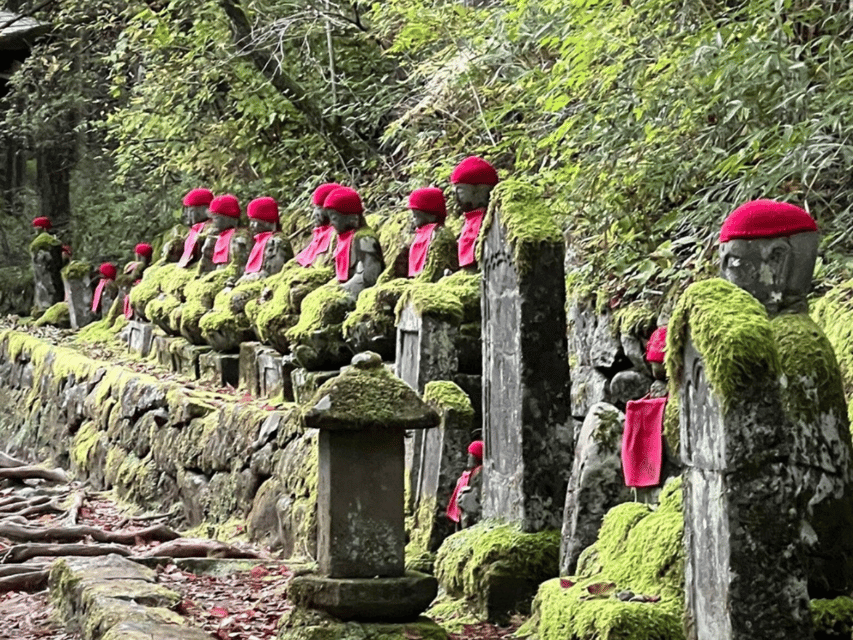
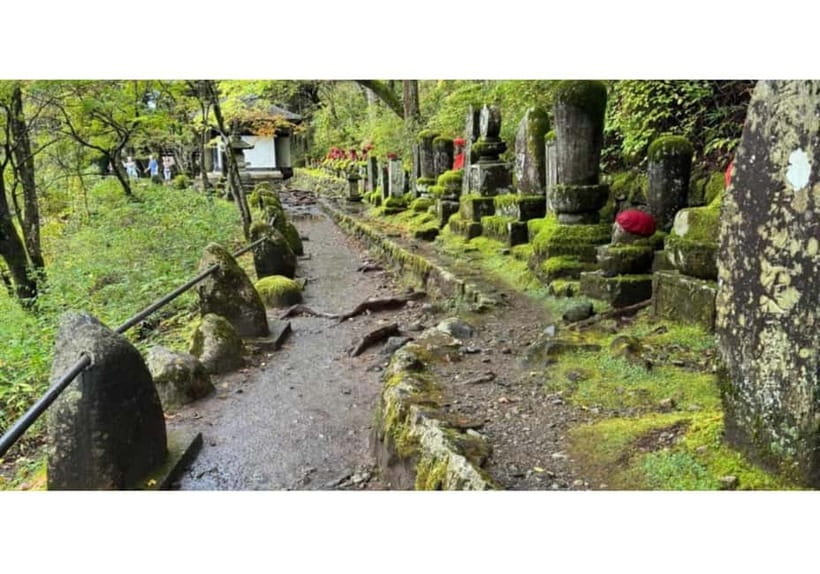
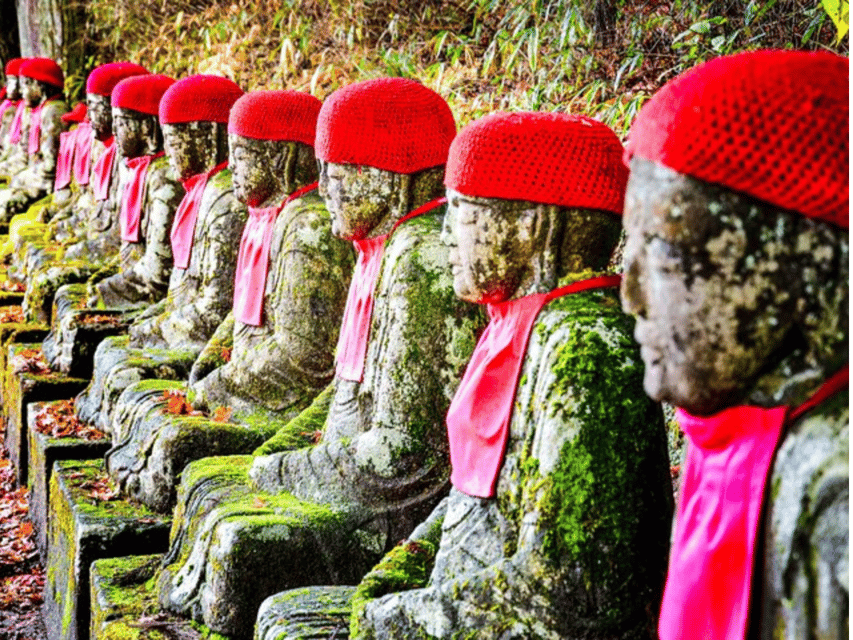
After the major postcard stops, Narabi Jizo is the kind of place you might overlook if you only chase the biggest names. Here you’ll see a collection of Jizo statues made in the image of Jizo Bosatsu, linked to the guardian deity of children and travelers.
The tour explains why these statues exist in such a protective context. They’re also associated with the idea of being an earth bearer, with stonework said to carry spiritual power for protection and longevity—ideas that are described as predating later Buddhist beliefs.
I love this stop because it adds variety. Nikko isn’t only shrines and waterfall views; it’s also everyday forms of care and protection expressed through religious art. Even if you’re not a religious-history deep diver, you’ll come away feeling like you saw something personal and human.
This is also one of those stops where having a guide helps you “read” what you’re looking at instead of just snapping photos and moving on.
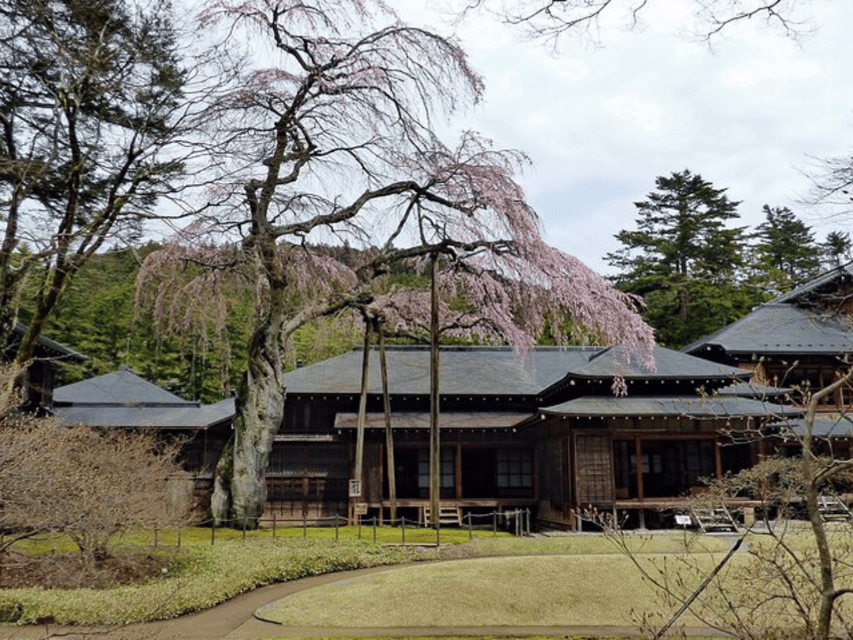
Nikko Tamozawa Imperial Villa: architecture that turns into a story
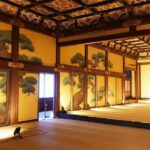
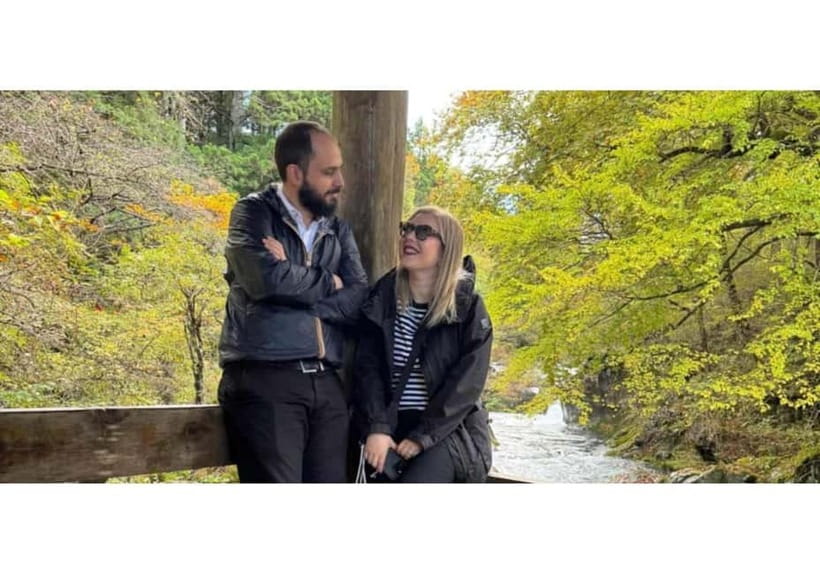
The day also includes the Nikko Tamozawa Imperial Villa, a retreat constructed for Emperor Taisho. You’ll explore the diverse buildings and beautiful gardens, and you’ll get a feel for Japanese imperial culture through the design and time periods represented.
The villa’s architectural mix matters: late Edo (1603–1867), Meiji (1868–1912), and Taisho (1912–1926) are all part of what you’re seeing. That’s not just trivia. It’s a way to understand how Japan’s eras overlapped in real spaces, not only in textbooks.
In a long day, this stop is a good rhythm change. You step away from shrine icons and the waterfall rush and shift into “slow observation,” which is exactly what a private tour should deliver.
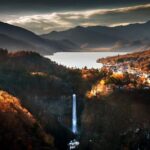
Akechidaira Observation Deck: the view stop that can make or break your photos
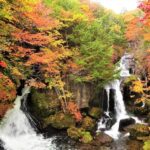
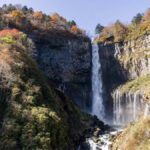
Then you’ll head to the Akechidaira Observation Deck. This is where Nikko’s scenery expands—views of Kegon Falls, Lake Chuzenji, and Mt. Nantai are the main draw.
The deck is also known as an autumn-leaf spot. Even if you’re visiting in another season, the point is the same: it’s your wide-angle moment. If you like landscape photos (and you probably do, since you’re going to Nikko), this is where you’ll feel like you’re seeing the whole system: lake, falls, and mountain mass.
The practical tip: keep an eye on weather. Cloud cover can soften the view, but it still gives you a sense of scale. Clear conditions will obviously be better for photos—either way, it’s a “take your time” stop for the best results.
Kegon Falls at Lake Chūzenji: a top-tier waterfall moment
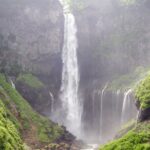
Kegon Falls is next, located near the city of Nikkō in Nikkō National Park. The tour frames how the falls were formed—lava flows rerouted the Daiya River—and historically it’s been known as one of Japan’s top three greatest waterfalls.
Even without chasing rankings, the descriptions tell you what to expect: the falls are dramatic, and the setting at Lake Chūzenji gives context. This stop is also the kind of place where timing matters. Rain, mist, or fog can change what you see, and the tour plan gives you time to experience it without turning it into a quick walk-by.
You’ll also likely appreciate having a guide in weather changes. In real-world situations like sudden rain, some drivers have shown up with umbrellas for comfort. That’s not something to bet your whole day on—but it’s the kind of practical care that keeps the experience feeling high-touch.
Lake Chūzenji, the Sea of Happiness: your scenic finish
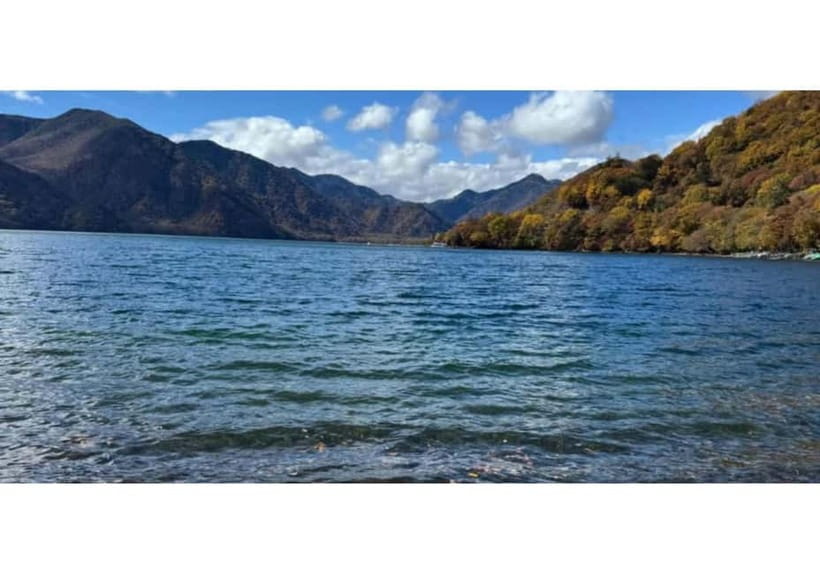
The day ends at Lake Chūzenji, also called the Sea of Happiness. This is where the scenery calms down after the rush of shrine and falls.
You’ll learn how the lake formed around 20,000 years ago when Mount Nantai erupted and blocked the river. That kind of origin story matters because it explains why the lake sits where it does and why the overall scenery feels so “designed,” even though it’s pure geology.
If you want a final moment that feels like closure—not just another stop—this is it. Lake time also gives you a chance to breathe before heading back to Tokyo.
Edo Wonderland and Nikkō National Park breaks: how the timing feels in practice
The route includes breaks and a stop at Edo Wonderland, plus time around Nikkō National Park. Exact timing can vary, but the tour is structured so you get multiple action points rather than one long ride followed by one quick look.
The value of this structure is pacing. You’re not stuck in one place for too long, and you’re not hopping from stop to stop with zero context. The “break” parts matter because Nikko is spread out, and those minutes help you reset.
That said, be realistic about time at each location. Some stops have walking components and photo opportunities, and one short stop can feel shorter if you linger. If you have a must-see item—like Toshogu Shrine details or getting a specific shot at Shinkyo Bridge—tell your driver early so the day can flow around your priorities.
Price and logistics: is $390 per group up to 6 actually fair value?
At $390 per group (up to 6 people), you’re paying for a private, door-to-door experience with transportation, guide-driver handling, and key site time. That can sound steep until you compare it to what you’d actually do on your own: long transit days, transfers, added waiting time, and the mental load of coordinating timing with limited daylight.
Here’s the value math that makes sense. If you’re traveling as a group of 4 to 6, the per-person cost becomes much more reasonable because the vehicle is effectively shared. And because the tour includes fuel, parking, and toll charges, you don’t need to budget for hidden car-day expenses.
The included comforts also support the “value” argument: Wi-Fi in the vehicle, free tea/coffee and bottled water, and free picture-taking or video-making assistance if you want it. That’s the kind of thing you’d otherwise pay for indirectly (time, inconvenience, or hiring someone else to take photos).
The main trade-off: meals and any paid tickets are not included. You’ll need to plan food separately, and the day’s walking means packing snacks can help if you’re sensitive to hunger timing. Your driver can also suggest food options, and some guides have taken families toward specific dietary needs when asked.
Who this private Nikko day trip fits best
This tour works best if you want your day to feel organized and personal, not improvised. I’d especially point you here if you:
- Have limited time in Tokyo and want Nikko without the transit headache
- Care about guided context at Toshogu Shrine and the Jizo statues
- Want a comfortable ride for the whole round trip
- Prefer easier photo handling and less stress about timing
It’s also a good match for multi-generational groups who want flexibility. In the real-world examples tied to this service, guides have handled families with patience and helped route around what kids can manage.
Two practical cautions:
- People with back problems may find the day unsuitable due to walking outdoors.
- The day is long, so if you’re easily worn out by schedule density, consider going lighter with what you choose to linger on.
Good news: it is wheelchair accessible, which can matter a lot on a day with multiple outdoor sites. Still, you should check how your group’s mobility needs match the walking involved at each stop.
Small details that make the difference: photos, timing, and communication
A private tour isn’t only about “where.” It’s about how you move between places.
The driver is waiting at the pickup time window, and you’re asked to be ready in the hotel lobby about 10 minutes ahead. That rhythm keeps the day smooth and reduces the chances you’ll lose time to delays.
Another thing I like is that drivers can communicate in multiple languages, including English, Urdu, Japanese, Javanese, and Hindi. That matters if you want real conversation, not just quiet sightseeing.
And if you’re picky about photos, this is one reason the tour gets strong praise. There’s free picture-taking/video-making assistance if you want it, and many guides make sure you get clean shots at each main stop. You don’t need to play photographer for your whole family all day.
Should you book this Nikko private day trip or keep planning on your own?
Book it if you want Nikko in a way that’s low-stress, comfortable, and guided, with the big icons (Toshogu Shrine, Shinkyo Bridge, Kegon Falls, Lake Chūzenji) plus the more thoughtful stops (Narabi Jizo and Nikko Tamozawa Imperial Villa). The door-to-door pickup plus a luxury vehicle is the core value, and it’s especially worth it when you’re traveling with others.
Skip it if you’re a solo traveler on a tight budget and you’re confident you can handle the transit timing without losing half your day. Also skip if back issues or mobility limitations will make multiple outdoor walking segments hard.
If your goal is a polished Nikko day—well paced, photo-friendly, and tailored—this is the kind of tour that usually lands well.
FAQ
How long is the Nikko day trip?
It runs about 11 hours total, including commuting time. The operator notes duration is approx 10–11 hours depending on travel conditions.
Does the tour include hotel pickup and drop-off?
Yes. Pickup and drop-off are included for accommodations in Tokyo’s 23 wards, and drivers also handle door-to-door transfers.
What’s included in the price?
The price includes private transportation in an air-conditioned vehicle, Wi-Fi in the vehicle, tea/coffee and bottled water, fuel, parking, and toll charges, plus free picture-taking or video-making assistance if you want it.
Are meals or entrance tickets included?
No. Meals are not included, and paid tickets are also not included in the tour.
Is it a private group?
Yes. It’s a private tour for your group only. If your group is larger than 6 people, it can be facilitated for an additional cost.
Is the tour wheelchair accessible?
Yes, the tour is listed as wheelchair accessible, but it is noted as not suitable for people with back problems.