REVIEW · KATHMANDU
Kathmandu city tour – 4 UNESCO World Heritage Sites
Book on Viator →Operated by Trekking Planner Nepal · Bookable on Viator
Four UNESCO sites in one Kathmandu morning. Kathmandu is a modern city, but this tour sweeps you through the older core—temples, stupas, and the old royal palace areas that earned UNESCO status. I especially liked the small group size (up to 10) and the way the guide, often Kedar, keeps the history clear without turning it into a lecture.
The main catch is that the tour price is just the framework: monument entry fees are paid locally in NPR, and food isn’t included (there’s a lunch break, but meals are on you). If you’re counting every dollar, plan on that extra budget.
In This Review
- Key Highlights
- Why This 4–6 Hour UNESCO Loop Works in Kathmandu
- Price and What You’ll Really Budget (Beyond the $75)
- Getting Started: Pickup, Mobile Ticket, and a Small-Group Day
- Stop 1: Kathmandu Durbar Square and Hanuman Dhoka (Old Royal Center)
- Stop 2: Swayambhunath (Monkey Temple) and the Westside Feel
- Stop 3: Boudhanath Stupa, Plus a Lunch Break You’ll Appreciate
- Stop 4: Pashupatinath Temple on the Bagmati River (Hindu Devotion Focus)
- How the Guide Makes the Sites Click (Especially If You Like Clear History)
- When This Tour Is the Best Fit (and When It Isn’t)
- Should You Book Kathmandu’s 4-UNESCO Highlights Tour?
- FAQ
- How long is the Kathmandu city tour?
- What is the price, and what’s included?
- Are monument entry fees included?
- Is food included?
- Does the tour offer pickup from my hotel?
- Is there a mobile ticket?
- How big is the group?
- What happens if the weather is poor?
Key Highlights
- Four UNESCO World Heritage Sites in one guided loop
- Hotel pickup and drop-off plus an air-conditioned car/van
- Up to 10 travelers, so you’re not lost in a crowd
- A flexible pace that can match your wishes
- Classic Kathmandu stops: Durbar Square, Swayambhunath, Boudhanath, and Pashupatinath
Why This 4–6 Hour UNESCO Loop Works in Kathmandu
Kathmandu can feel big and noisy fast. What I like about this tour is that it gives you a clean, guided “map” of the old city in a tight window. You’re not trying to figure out routes between temples on your own, and you’re not stuck at a single site for hours.
You’ll cover four major sites tied to Kathmandu’s religious and royal past: royal courtyard space at Kathmandu Durbar Square, Buddhist traditions at Swayambhunath and Boudhanath, and a Hindu pilgrimage focal point at Pashupatinath. It’s a smart mix, so you get both the architecture and the spiritual rhythm of the city.
One more practical reason this tour is a good deal: the driving is included. Instead of spending your best morning stuck in traffic or hunting for transport, you get an AC vehicle and a guide who knows how to keep the day moving.
You can also read our reviews of more tours and experiences in Kathmandu.
Price and What You’ll Really Budget (Beyond the $75)
At $75 per person, this is clearly built for value. What you’re paying for isn’t just sightseeing—it’s the service layer that makes the day easier: a professional guide, an air-conditioned car/van with a driver, and hotel pickup and drop-off.
What’s not included is the cost of access once you arrive. You’ll pay monument entry fees locally: NPR 2650 per person, in local currency. You’ll also need to budget for meals since food and drinks aren’t included.
So your real “all-in” cost is the $75 plus local entry fees plus whatever you choose to eat during the day. If you’re the type who likes to avoid surprises, I’d bring some cash ahead of time so the payment part is painless.
And tips to the guide and driver are also not included. That’s not unusual here, but it’s worth keeping in mind so you don’t feel stuck later.
Getting Started: Pickup, Mobile Ticket, and a Small-Group Day
This is a morning tour that starts after breakfast. The guide picks you up from your hotel, and you head out by car for the city stops. The day is roughly 4 to 6 hours, which is perfect if you want a meaningful overview without sacrificing the rest of your Kathmandu time.
Two details I appreciate: hotel pickup/drop-off and a mobile ticket. Pickup removes the coordination headache, especially if your hotel is off the main drag or you don’t want to negotiate transport at the start of the day. The mobile ticket part keeps you from juggling paper tickets, as long as you can access your phone when it’s time.
Finally, group size matters. With a maximum of 10 travelers, you’re more likely to get your questions answered and less likely to feel like a passenger in a moving stampede.
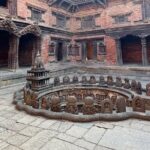
Stop 1: Kathmandu Durbar Square and Hanuman Dhoka (Old Royal Center)
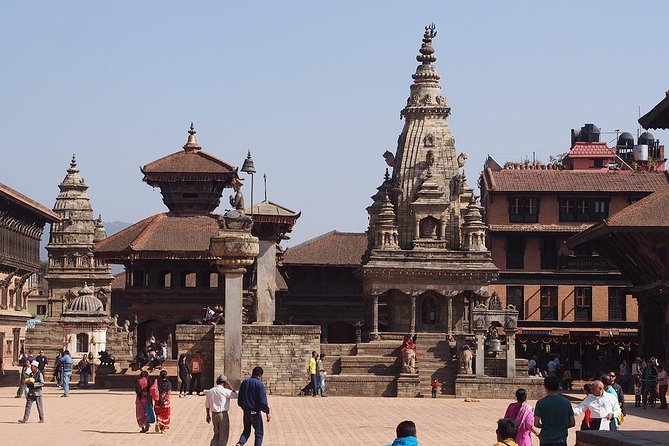
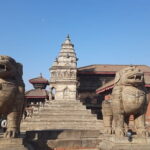
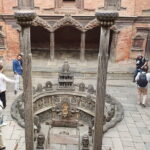
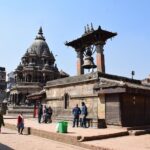
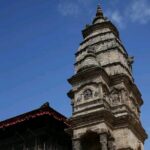
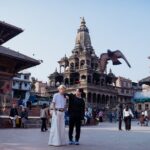
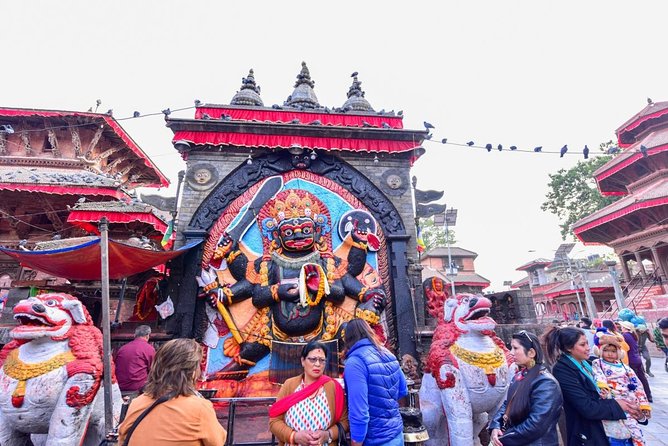
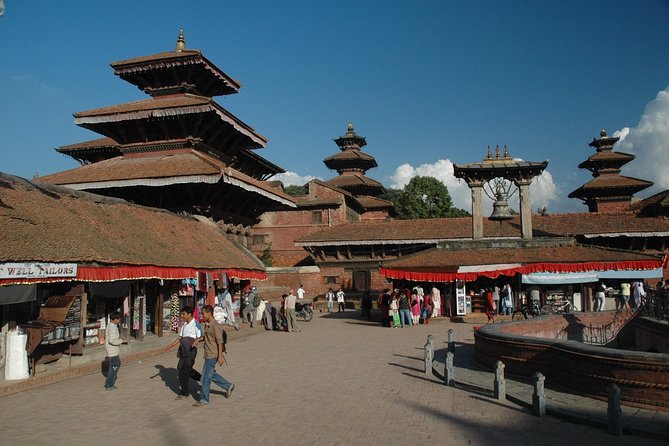
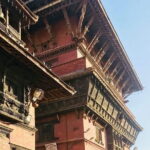
Kathmandu Durbar Square is the kind of place where you immediately feel the layers. This area sits right in the city center and connects to the old royal palace and courtyard complex—so you’re looking at a site that’s not only religious, but also tied to political power from earlier Kathmandu.
On this tour, you’ll spend about 1.5 hours here. That’s enough time to slow down, notice details, and still not feel rushed as the day moves on.
What makes this stop especially worthwhile is the setting. You’re not wandering through a museum; you’re in an active public area where the visual density can be a bit intense at first. Having a guide helps you focus on what to look for so the square doesn’t blur into “more temple carvings.”
Consider one practical drawback: Durbar Square involves some walking on uneven areas and crowded footpaths. If you’re sensitive to crowds or mobility limits, it’s smart to wear comfortable shoes and keep your pace steady.
Stop 2: Swayambhunath (Monkey Temple) and the Westside Feel
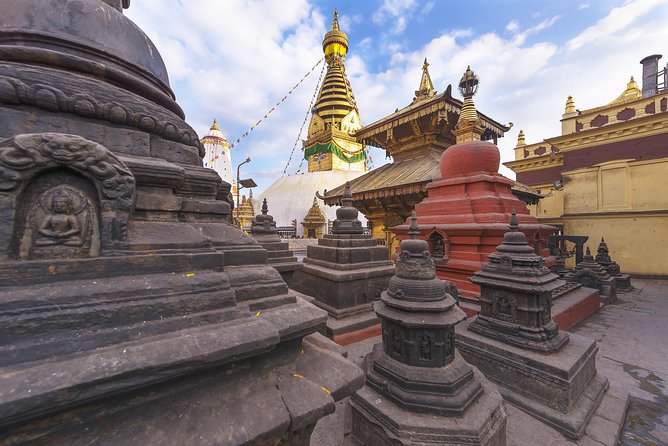
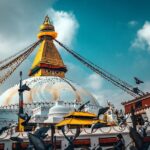
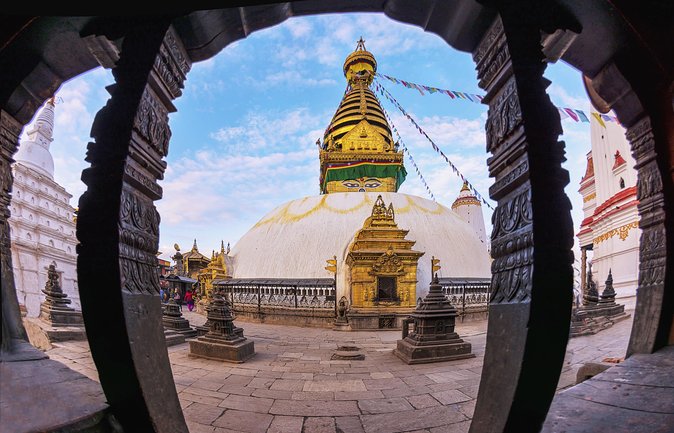
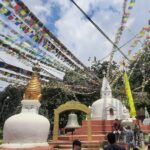
Next you’ll head out toward Swayambhunath, often called the Monkey Temple. This is one of those Kathmandu sites people remember because it’s both spiritual and visually memorable—big stupa energy, lots of temple corners, and the feeling that you’re seeing the city from a different angle.
You’ll have about 1 hour for this stop, with a guide-led walk through the highlights. That timing is purposeful. It’s long enough to get the meaning behind what you’re seeing, but short enough that you don’t lose the rest of the day to one location.
If you’re curious about religious symbolism, Swayambhunath is a good place to ask questions. Buddhist sites tend to communicate ideas through layout, offerings, and the way devotees move through space. Your guide can help you interpret what you’re seeing rather than just naming structures.
One consideration: this stop is popular. Even within a smaller group, you should expect to share space with other visitors and locals. Keep that in mind if you prefer quieter, less crowded experiences.

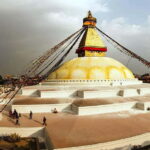
Stop 3: Boudhanath Stupa, Plus a Lunch Break You’ll Appreciate
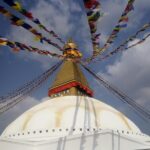
Then it’s on to Boudhanath Stupa, one of Kathmandu’s most significant Buddhist centers. Expect about 2 hours for this stop, and the schedule includes a lunch break time.
This is a key part of why the tour works for most people. You’re not just sightseeing on an empty stomach. You get a built-in pause, which matters when you’re hopping between sites in a compact day.
Boudhanath is especially valuable for the atmosphere. Around large stupas, you can watch people perform daily devotions—moving around the stupa and engaging with the space in a calm, repetitive way. With a guide, you’ll have an easier time understanding what those rituals mean rather than treating it like background scenery.
Possible drawback: since there’s a lunch break, the day feels longer than the sites themselves can make it. If you only want quick photo stops, this could feel like “more time in one place than I planned.” On the flip side, if you like breathing room, the extra time helps you slow down and actually take in what makes Boudhanath special.
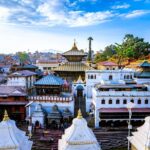
Stop 4: Pashupatinath Temple on the Bagmati River (Hindu Devotion Focus)
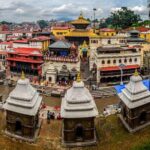
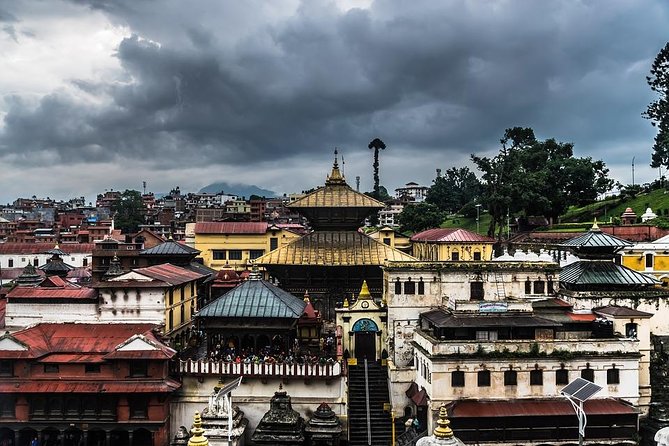
You’ll finish at Pashupatinath Temple, a major Hindu pilgrimage site located about 5 km from the main city toward the east on the bank of the holy Bagmati River. You’ll spend about 1 hour here.
This stop shifts the tone again. Durbar Square gives you royal and public-space context. Swayambhunath and Boudhanath bring Buddhist symbolism and devotion. Pashupatinath brings you into a distinctly Hindu sacred focus, where the temple setting and riverside location help explain why pilgrims come here.
A guide matters at Pashupatinath because Hindu temple spaces can be complex—people enter and move through the site in ways shaped by tradition. With a local guide, you’re less likely to miss what’s happening around you.
Practical consideration: this is a devotional environment, so you’ll want to be mindful of how you behave and dress. Also, if you prefer quiet sightseeing over watching active religious practices, you may find this stop more intense than the purely architectural ones.
How the Guide Makes the Sites Click (Especially If You Like Clear History)
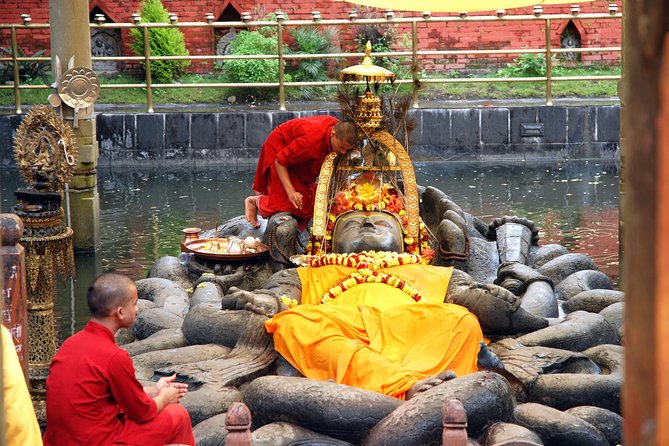
This tour is built around a professional guide, and that shows in the way the day is paced. One reason it earns top scores is that the pace can be adjusted to your wishes, not just the group schedule.
In my book, that’s the difference between a checklist tour and a tour that actually helps you understand Kathmandu. When someone explains what you’re seeing—temple function, royal context, and how each UNESCO site fits into the city’s story—you walk away with mental bookmarks instead of blur.
If your guide is Kedar (the name has come up), you can expect an approach that keeps things practical and history-focused. It’s also a nice sign for value: you’re not paying for transportation and then getting stuck with a silent ride. The guide is part of what you’re buying.
Small-group travel helps here too. In a group of up to 10, it’s easier to ask questions without feeling like you’re interrupting.
When This Tour Is the Best Fit (and When It Isn’t)
This tour is ideal if you want a guided “first taste” of Kathmandu’s UNESCO-level sites. It’s also a strong choice if you’re short on time or you don’t want to spend your energy figuring out logistics between far-flung neighborhoods.
You’ll likely enjoy it if:
- you like structure but still want some flexibility
- you’re okay paying local entry fees and choosing your own lunch
- you want a clear overview in about half a day
You might want to think twice if:
- you want a slower, more in-depth day at one single site
- you dislike crowds at major temples and stupas
- you’re traveling on a strict budget and entry fees and meals will feel like pressure
Also note the weather dependency. The experience requires good weather. If conditions are rough, your day may be shifted or refunded—so it’s smart not to plan every other activity tightly around it.
Should You Book Kathmandu’s 4-UNESCO Highlights Tour?
I’d book this if your goal is to get oriented fast and see four UNESCO World Heritage Sites without stress. The combination of hotel pickup, an air-conditioned vehicle, and a professional guide makes it feel like you’re buying time and clarity, not just tickets and photos.
It’s also good value because the tour gives you a route that makes sense: central royal space first, then west and north for the Buddhist highlights, and finally the major Hindu pilgrimage at Pashupatinath. With a small group, you’re more likely to leave with understanding instead of exhaustion.
If you’re okay budgeting for NPR 2650 monument entry fees and handling lunch on your own, this tour is a smart, efficient way to experience Kathmandu’s spiritual and historic core.
FAQ
How long is the Kathmandu city tour?
It typically runs about 4 to 6 hours.
What is the price, and what’s included?
The price is $75 per person. Included are a professional tour guide, an air-conditioned car/van with driver, and hotel pickup and drop-off.
Are monument entry fees included?
No. Monument entry fees are paid locally in NPR (NPR 2650 per person).
Is food included?
No. Food and drinks aren’t included, though there is a lunch break built into the day.
Does the tour offer pickup from my hotel?
Yes. Hotel pickup and drop-off are included.
Is there a mobile ticket?
Yes, a mobile ticket is provided.
How big is the group?
The tour has a maximum of 10 travelers.
What happens if the weather is poor?
The experience requires good weather. If it’s canceled due to poor weather, you’ll be offered a different date or a full refund. You can also cancel for a full refund up to 24 hours in advance.